The Customer Who Thinks "DIY" Stands for "Destroy It Yourself"
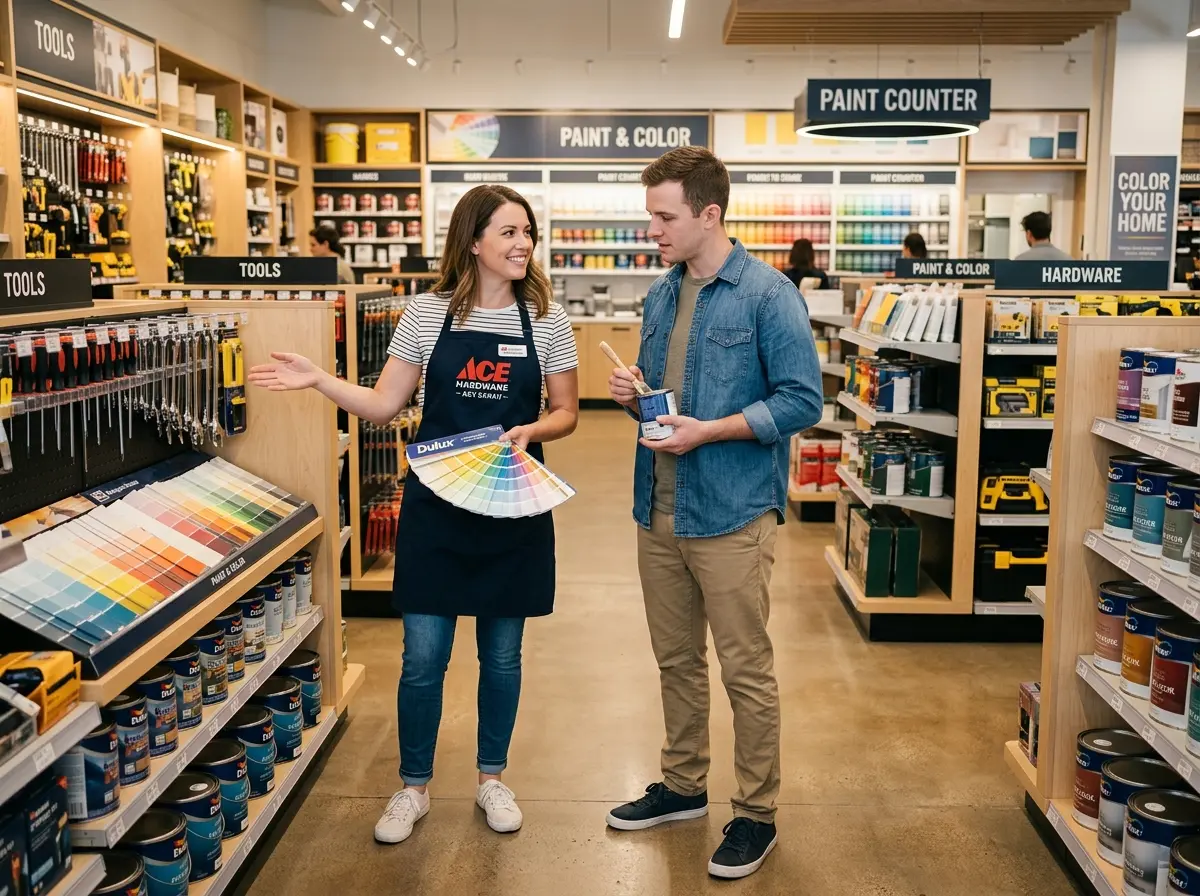
Every hardware store has them. They walk in looking slightly lost, clutching a blurry photo of a broken pipe on their phone, and they're already sweating — and they haven't even found the plumbing aisle yet. These are your DIY-phobic customers: the ones who genuinely want to fix something themselves but are approximately three wrong decisions away from calling a professional and never coming back to your store again.
Here's the thing, though — these customers represent a massive, underleveraged opportunity for your hardware store. The global DIY home improvement market is projected to surpass $1.2 trillion by 2030, and a significant chunk of that growth is being driven by first-timers who were inspired by a YouTube video and a burst of optimism. They're coming into stores like yours with money to spend and confidence to lose. Your job — if you choose to accept it — is to make sure they leave feeling capable instead of defeated.
Winning over the DIY-phobic customer isn't just good customer service. It's a growth strategy. Let's talk about how to actually do it.
Understanding Why They're Scared (So You Can Fix It)
The Intimidation Factor Is Real
Walk into a hardware store through the eyes of a first-timer. There are approximately 47,000 SKUs, half the signage is in technical shorthand, and every employee seems to be speaking a language that includes words like "torque," "GFCI," and "compression fitting." It's a lot. Studies show that over 60% of novice DIYers abandon projects mid-purchase simply because they don't know what to buy — not because they lack the ability to complete the job.
The intimidation isn't about the work itself. It's about the fear of buying the wrong thing, looking foolish, or making a small problem worse. Once you understand that, your entire sales and customer service strategy can shift from "answering questions" to "removing fear." That's a fundamentally different — and far more profitable — mindset.
They Don't Know What They Don't Know
A DIY-phobic customer isn't going to walk up to your staff and say, "Excuse me, I need help." They're going to wander, second-guess themselves, and quietly leave. This is where proactive engagement becomes absolutely critical. Waiting for customers to ask for help in a hardware store is like waiting for someone to admit they're lost — it's not going to happen until they've already wasted 20 minutes walking in circles.
Train your floor staff to approach hesitant-looking customers with low-pressure, specific openers. Instead of "Can I help you?" (which almost always gets a reflexive "No, I'm just looking"), try "Are you working on something specific today?" It's a small shift in phrasing, but it opens a completely different conversation — and it signals that your team is knowledgeable, not just available.
Past Bad Experiences Have Left Scars
Many DIY-phobic customers have been burned before — either by a project that went sideways, a condescending employee who made them feel dumb, or a YouTube tutorial that conveniently skipped the three hardest steps. Rebuilding that trust requires consistency and a genuinely welcoming experience from the moment they step through the door. Every touchpoint matters: the greeting, the signage, the staff interaction, and even how easy it is to return something that didn't work out.
How Technology Can Take the Awkward Out of "I Have No Idea What I'm Doing"
Meet the Employee Who Never Gets Tired of Basic Questions
Let's be honest — even your best staff members have their limits. After explaining the difference between drywall screws and wood screws for the fourteenth time in a single shift, even the most patient employee starts to show some wear. That's not a criticism; it's just human nature. And it's exactly where Stella, the AI robot employee and phone receptionist, becomes genuinely useful for your hardware store.
Stella stands inside your store as a friendly, human-sized kiosk and proactively greets customers as they walk by — no waiting, no awkward hovering. A first-time DIYer who would never dream of flagging down a human employee might feel surprisingly comfortable asking a robot, "Hey, what's the difference between latex and oil-based paint?" without any fear of judgment. Stella answers questions about products, services, current promotions, and store policies naturally and conversationally, which frees up your human staff to handle the more complex, nuanced consultations where they genuinely shine. And when that same anxious customer calls your store from the parking lot before they even come in? Stella answers the phone 24/7 with the same depth of knowledge, so no question goes unanswered and no potential customer hangs up frustrated.
Building a Store Experience That Converts Browsers Into Buyers
Make Your Store Layout Work for Beginners
Your layout probably makes perfect sense to a contractor who's been shopping there for 15 years. To a first-timer? It's a maze. Consider creating a dedicated "Project Starter" section — a curated area organized by common beginner projects rather than product category. A "Fix a Leaky Faucet" display that groups the washers, plumber's tape, adjustable wrench, and a printed step-by-step guide together is worth more than the best-organized plumbing aisle in the county. It removes the guesswork, increases basket size, and builds confidence in your customers — all at once.
Clear, jargon-free signage throughout the store also does more work than most owners realize. A label that says "Use this for outdoor wood projects exposed to rain and moisture" is infinitely more helpful than one that just says "Exterior Grade." Little changes like these communicate to the nervous shopper: We get it. We're here to help you succeed.
Run Workshops That Build Loyalty, Not Just Skills
In-store workshops are one of the highest-ROI marketing activities a hardware store can run, and they're still wildly underused. A free 45-minute Saturday morning class on "How to Patch a Drywall Hole" costs you a few supplies and a knowledgeable staff member's time — and it can convert a one-time, uncertain shopper into a loyal customer who tells their neighbors about you.
The psychological effect is significant. When someone successfully completes a project after attending your workshop, they associate that success with your store. You didn't just sell them spackle — you gave them a win. People come back for more wins. Keep workshops beginner-focused, keep them practical, and always end with a materials checklist they can grab on the way out (with your store's name on it, naturally).
Create a Culture of "No Dumb Questions"
This one starts at the top and works its way down. If you, as the owner, visibly model patience and enthusiasm when a nervous customer asks something basic, your staff will follow. Culture is contagious — in both directions. Make it explicitly part of your onboarding and training that novice customers are not an inconvenience; they are an opportunity. A customer who learns to trust your store during their first shaky DIY attempt is likely to be your customer for decades.
Consider posting signage that literally says something like: "No project too small. No question too basic." It sounds simple, but for the customer who's been quietly embarrassed about not knowing which drill bit to use, that message is an invitation to stay — and spend.
A Quick Reminder About Stella
Stella is an AI robot employee and phone receptionist built for businesses exactly like yours — available in-store as a friendly kiosk presence that greets and assists customers, and always on call (literally) to answer phones 24/7. At just $99/month with no upfront hardware costs, she's the kind of reliable, knowledgeable team member who never calls in sick, never gets flustered by a nervous first-timer, and never gets tired of answering the same question twice. For a hardware store trying to win over the DIY-phobic crowd, that kind of consistent, welcoming presence isn't just convenient — it's a competitive advantage.
Turn the DIY-Phobic Into Your Most Loyal Customers
Here's the counterintuitive truth about the DIY-phobic customer: they are not your worst customer. They might actually be your best long-term customer — if you treat them right. Confident DIYers already know what they need and often go straight to the cheapest source. Nervous beginners are looking for guidance, reassurance, and a store they can trust. Give them that, and you've earned something no discount can compete with: loyalty.
So where do you start? A few actionable next steps worth taking this week:
- Audit your store layout with fresh eyes — ideally someone who knows nothing about hardware — and identify your three most confusing areas.
- Schedule your first beginner workshop for next month. Pick one simple, high-demand project and promote it on social media and in-store.
- Revisit your staff training around customer engagement, specifically around proactive greeting and low-pressure conversation openers.
- Evaluate your signage for jargon and replace technical language with plain-language descriptions wherever possible.
- Consider adding a consistent customer-facing presence — in-store and on the phones — so no nervous shopper ever feels ignored or has to wait to get a simple question answered.
The hardware store that wins the DIY-phobic customer doesn't do it with the lowest prices or the biggest selection. It wins with experience, empathy, and the kind of welcoming environment that makes people feel like they can actually do this. Build that store, and those customers will build their loyalty — one slightly wobbly shelf at a time.