The Difference Between Talking At Customers and Talking With Them
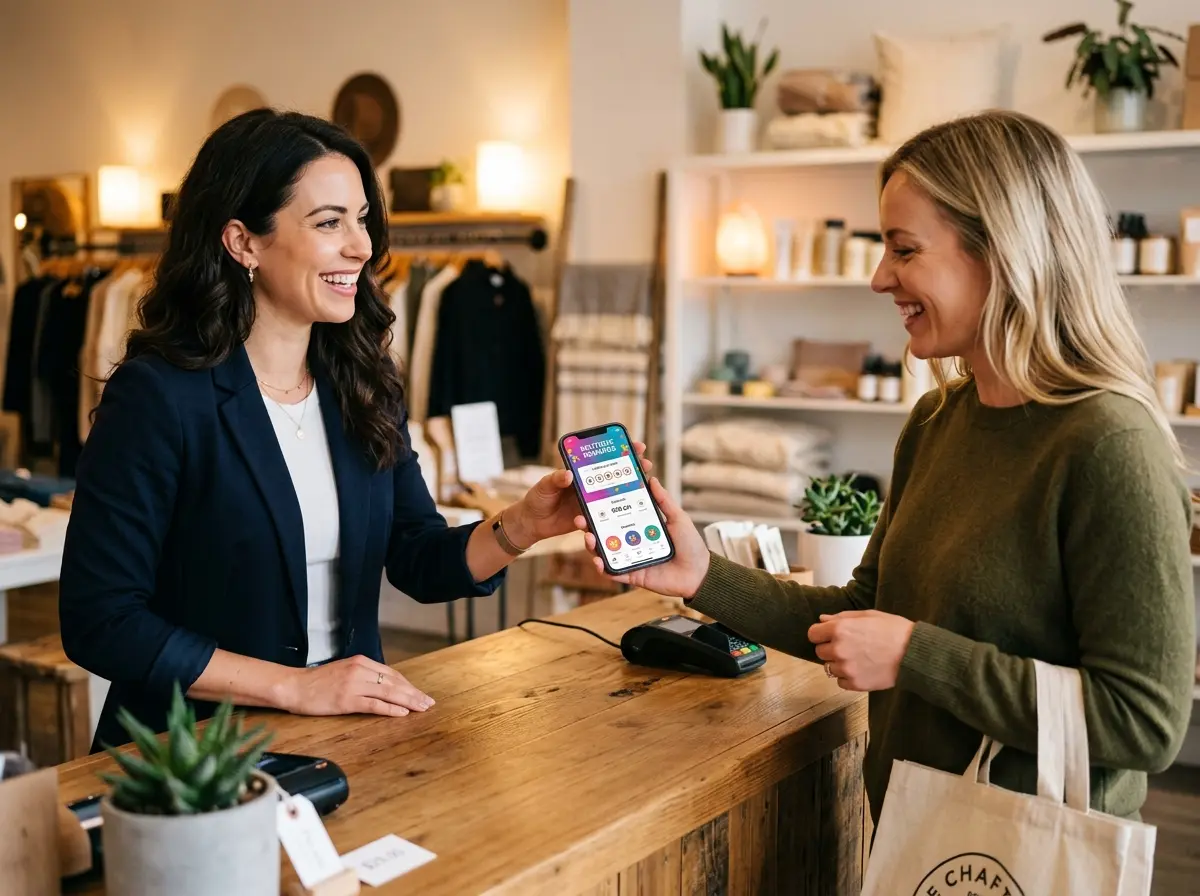
Picture this: a customer walks into your store, makes brief eye contact with a staff member, and hears the classic "Let me know if you need anything!" — followed immediately by that staff member retreating behind the counter to stare at a screen. The customer wanders. The customer leaves. You wonder why foot traffic isn't converting. Sound familiar?
Here's a truth that's equal parts obvious and ignored: people buy from people they like talking to. Not from people who recite product specs on command, and definitely not from salespeople who treat every interaction like a hostage negotiation toward a signed receipt. The difference between a business that converts browsers into buyers and one that doesn't often comes down to one thing — the quality of conversation happening on the sales floor.
And yet, most sales training still focuses almost exclusively on the pitch: the features, the benefits, the close. Which is a bit like teaching someone to cook by only explaining how to plate the dish. Useful, yes. The whole picture? Absolutely not. This post is about everything that happens before the pitch — and why it matters more than most business owners realize.
The Anatomy of a Real Sales Conversation
Stop Opening With a Question Nobody Wants to Answer
"Can I help you?" is perhaps the most well-intentioned conversation killer in retail history. It's not that the question is offensive — it's that it's binary. The customer says "No, I'm just looking," you both nod awkwardly, and the interaction is over before it began. You've essentially handed the customer a polite exit ramp, and they took it.
Strong conversational openers aren't questions at all — they're observations or statements that invite a natural response without demanding one. Something like, "Those just came in yesterday — people have been really excited about them," or "That's one of our most popular items right now, and honestly for good reason." These approaches give customers something to react to. They can engage or not, but the door is open wider than a yes/no question ever leaves it.
The underlying principle here is simple: make the customer feel like they wandered into a conversation, not an ambush. Ease matters. Warmth matters. And the first five seconds of an interaction set the tone for everything that follows.
Listen More Than You Talk — Radical Concept, We Know
Studies consistently show that top-performing salespeople spend significantly more time listening than average performers do. Research from Gong.io, for example, found that the best sales reps have a talk-to-listen ratio closer to 43:57 — meaning they're listening more than they're speaking. Meanwhile, the average rep flips that ratio and wonders why customers aren't engaging.
Listening in a sales context isn't passive. It means picking up on what a customer actually wants versus what they say they want, noticing hesitation, following up on offhand comments ("You mentioned you've tried other options before — what happened there?"), and responding to the person in front of you instead of running your internal script.
The practical takeaway: train your team to ask follow-up questions, not just opening ones. And remind them that silence isn't failure — sometimes it's the customer thinking, which is a very good sign.
Match the Energy, Don't Manufacture It
Nothing is more uncomfortable than a salesperson who is relentlessly chipper in the face of a clearly tired, distracted, or no-nonsense customer. Mirroring — the psychological principle of subtly matching someone's communication style, pace, and energy — is one of the most effective and underused tools in sales conversations.
A customer who speaks slowly and thoughtfully probably doesn't want to be peppered with rapid-fire enthusiasm. A customer who's clearly in a hurry doesn't need a leisurely product tour. Reading the room and adapting your approach in real time is a skill, and like most skills, it improves with intentional practice. Role-play different customer personas with your team. It feels awkward. It works anyway.
How Technology Can Support — Not Replace — Human Connection
Let Your Tools Handle the Repetitive So Your Team Can Focus on the Relational
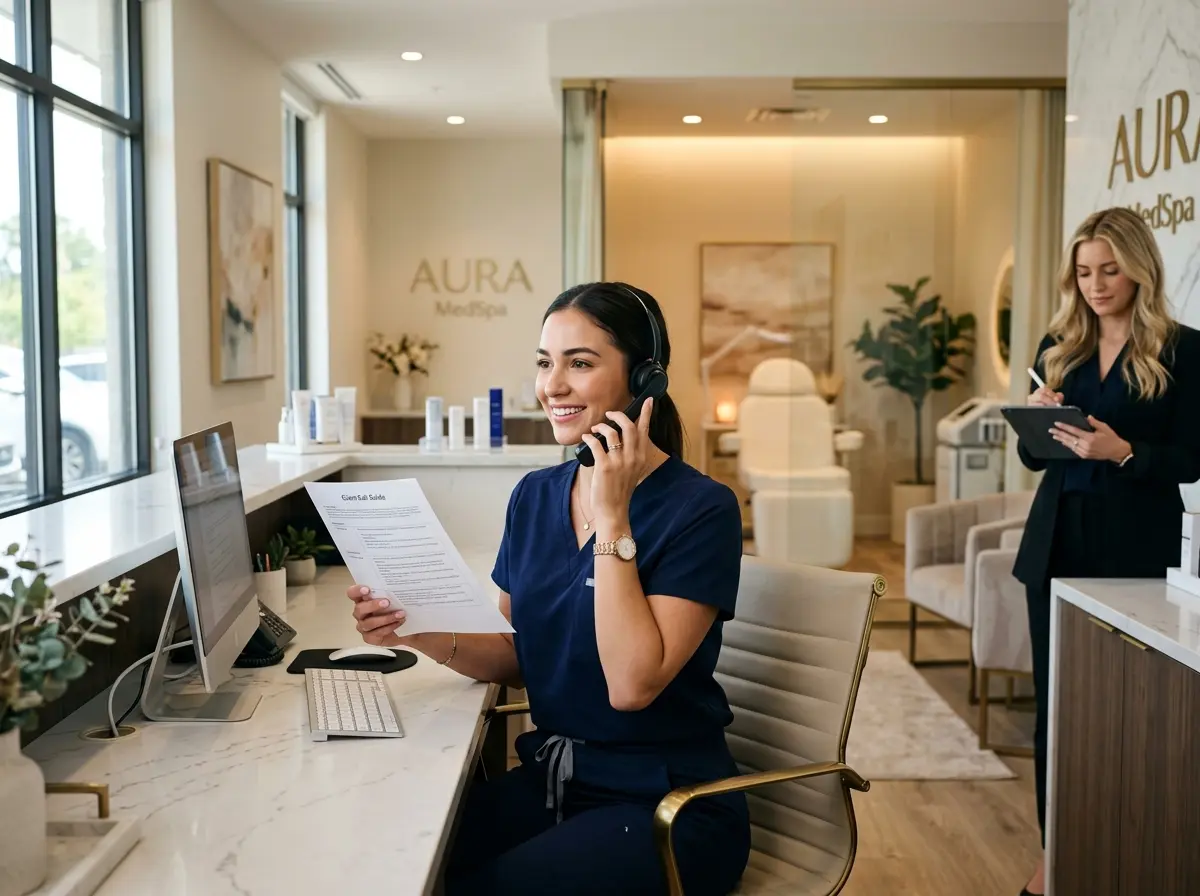
One of the quietest killers of good sales floor conversation is distraction. Your best team member, the one who genuinely connects with customers, is also the one answering the phone, looking up inventory, explaining your return policy for the fourth time today, and trying to remember if that Tuesday special is still running. No wonder conversations feel rushed.
This is where Stella — an AI robot employee and phone receptionist — becomes genuinely useful for businesses with physical locations. Stella stands inside your store as a human-sized kiosk and handles the operational load: greeting walk-ins, answering questions about products and services, promoting current specials, and upselling related items — all without pulling your staff away from the customers who need a real human touch. She also answers phone calls around the clock, so nobody's abandoning a sales floor conversation to grab a ringing phone. Your people get to do the thing they're actually good at: connecting with customers. Stella handles the rest.
Turning Conversations Into Conversions — Without Being Weird About It
The Bridge From Chat to Close
There's a moment in every good sales conversation where you've built enough rapport and gathered enough information that transitioning toward a recommendation feels natural — almost inevitable. The goal is to reach that moment through genuine dialogue, not to manufacture it artificially after two minutes of pleasantries.
When you've actually listened to a customer, the recommendation writes itself. "Based on what you're describing, I'd actually point you toward this one instead — it sounds like it's a better fit for what you're trying to do." That sentence lands completely differently when it follows a real conversation versus when it's deployed after a perfunctory opener. Customers can feel the difference. They always could.
The bridge from conversation to conversion isn't a technique. It's the natural result of doing the earlier steps well. When customers feel heard and understood, they're not being sold to — they're being helped. And people love being helped.
Follow-Through: What Happens After the Sale Matters Too
The conversation doesn't end at the register. How your team wraps up an interaction — whether the customer bought something or not — has an outsized impact on whether that person comes back. A warm, genuine closing ("Thanks for coming in — if you have questions after you try it, seriously, come back and let us know") is not just good manners. It's a retention strategy.
For customers who didn't buy, a non-pushy close keeps the door open. "No worries at all — if you want to compare and come back, we're here." That's it. No guilt trip, no desperation, no following them to the door with a last-ditch discount. Respect the customer's timeline, and more often than not, they'll respect yours by returning.
Training Your Team to Have Better Conversations
Here's the uncomfortable part: conversation skills aren't automatically improved by wanting them to be improved. If you want your team to engage customers better on the sales floor, you need to create actual practice opportunities — not just a memo about being friendlier.
Consider building short, regular role-play exercises into team meetings. Record and review real customer interactions with your team's consent where applicable. Celebrate specific conversational wins publicly, not just closed sales. When you reward the behavior of genuine engagement, you get more of it. What gets recognized gets repeated.
A Quick Reminder About Stella
Stella is an AI robot employee and phone receptionist built for businesses of all sizes — from brick-and-mortar retailers to solopreneurs. She greets customers in-store, answers phones 24/7, handles FAQs, promotes deals, and keeps your team focused on what matters most. At $99/month with no upfront hardware costs, she's one of the more practical investments a customer-facing business can make.
Start Talking Differently — Starting Tomorrow
The gap between businesses that create loyal customers and those that stay stuck in the revolving door of one-time transactions is rarely about product quality or pricing. More often, it's about how people feel when they interact with your brand in person. And that feeling is shaped almost entirely by conversation.
Here's where to start:
- Audit your opening lines. If your team is leading with "Can I help you?", replace it this week with a statement or observation. Pick two or three options and practice them.
- Introduce intentional listening into your training. One simple exercise: have team members repeat back what a customer said before responding. It sounds small. The impact is not.
- Remove distractions where you can. If your staff is constantly pulled away from customer conversations to handle calls or repeat policy questions, look at what tools — including AI — can take that off their plate.
- Celebrate conversational quality, not just sales numbers. If you only reward closes, you're inadvertently training your team to skip the conversation and rush to the pitch. Recognize the behaviors that lead to great outcomes.
Great sales conversations aren't magic. They're a skill — one that can be taught, practiced, and improved with deliberate effort. The businesses that figure this out don't just sell more. They build the kind of customer relationships that make marketing significantly easier, because the customers start doing it for them.
And that, frankly, is worth a few awkward role-play sessions.