Why Your Wine Is Whispering When It Should Be Telling Stories
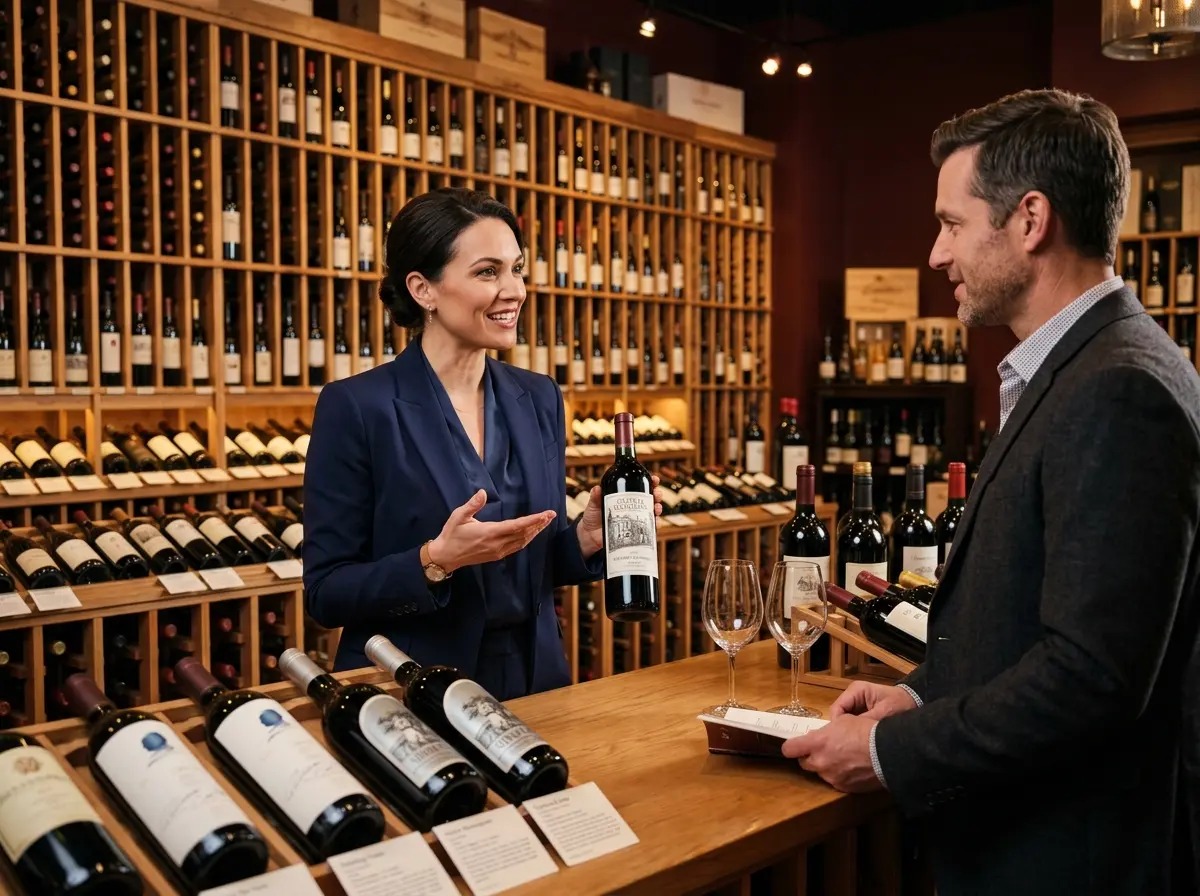
Picture this: a customer walks into your liquor store, eyes scanning row after row of bottles. They want something special — maybe a gift, maybe a treat for themselves, maybe something to impress at dinner. They reach for something familiar. They buy it. They leave. And you've just missed an opportunity to sell them the perfect bottle at twice the price.
Here's the uncomfortable truth: most liquor store owners treat their shelves like a warehouse catalog. Labels face forward, prices are tagged, and the only story being told is "this costs $14.99." Meanwhile, the craft winery that produced that gorgeous Pinot Noir spent three years nursing those grapes through a drought, named the blend after the owner's grandmother, and pairs it beautifully with the mushroom risotto recipe printed on their back label. Did you mention any of that? Didn't think so.
Product storytelling isn't just a marketing buzzword — it's a proven sales strategy. Customers who understand and connect with a product are not only more likely to buy it, they're more likely to buy the better version of it. This guide will show you how to make your bottles talk, your staff sell smarter, and your revenue grow — one compelling story at a time.
The Art of Making a Bottle Memorable
Find the Story Behind the Label
Every wine, whiskey, and craft beer has a story. Your job is to find it and tell it. Start by going directly to your distributors and brand reps — they're a goldmine of storytelling material and are usually thrilled when a retailer actually wants to know more than the SKU and case price. Ask about the winemaker's philosophy, the region's climate challenges, the unique production methods, and any awards or accolades. Then distill that information into something a customer can absorb in about 30 seconds.
For example, instead of a shelf tag that reads "Malbec – Argentina – $22," consider: "Bold, velvety Malbec from Mendoza's high-altitude vineyards. Hand-harvested by a family winery founded in 1932. Pairs perfectly with grilled steak — which, honestly, is reason enough." You've just told a story, made a pairing suggestion, and injected a little personality. That's a shelf tag doing real work.
Use the "Three-Hook" Framework
A great product story doesn't need to be long — it needs to be memorable. The Three-Hook Framework gives every product you spotlight three distinct talking points that appeal to different types of buyers:
- The Origin Hook: Where does it come from, and why does that matter? (Region, winemaker, heritage, terroir)
- The Experience Hook: What does it taste like, and when should you drink it? (Flavor profile, occasion, pairings)
- The Surprise Hook: What's unexpected or interesting about it? (Unusual grape variety, limited production, quirky backstory)
A bottle of Grüner Veltliner, for instance, might have an origin hook about Austria's famous wine valleys, an experience hook about its zippy acidity making it the ultimate seafood wine, and a surprise hook that it's criminally underpriced compared to Sauvignon Blanc of similar quality. That last one practically sells itself.
Train Your Staff to Tell Stories, Not Recite Facts
Your team is your most powerful storytelling tool — but only if they know the stories. Weekly "bottle tastings" or product briefings (yes, actual tastings, your staff will not complain) keep knowledge fresh and enthusiasm genuine. The difference between a staff member saying "that one's popular" versus "the winemaker only produces 800 cases a year and we almost didn't get any" is the difference between a shrug and a sale. Invest 20 minutes a week in product education and watch your average transaction value climb.
Letting Technology Tell the Story When You Can't
Your Store Can't Always Have an Expert in Every Aisle
Even the best-trained staff gets pulled in multiple directions — restocking, ringing up purchases, answering the phone, handling that one customer who needs help finding something that "has a blue label, I think." That's where technology can fill the gap without replacing the human touch your customers appreciate.
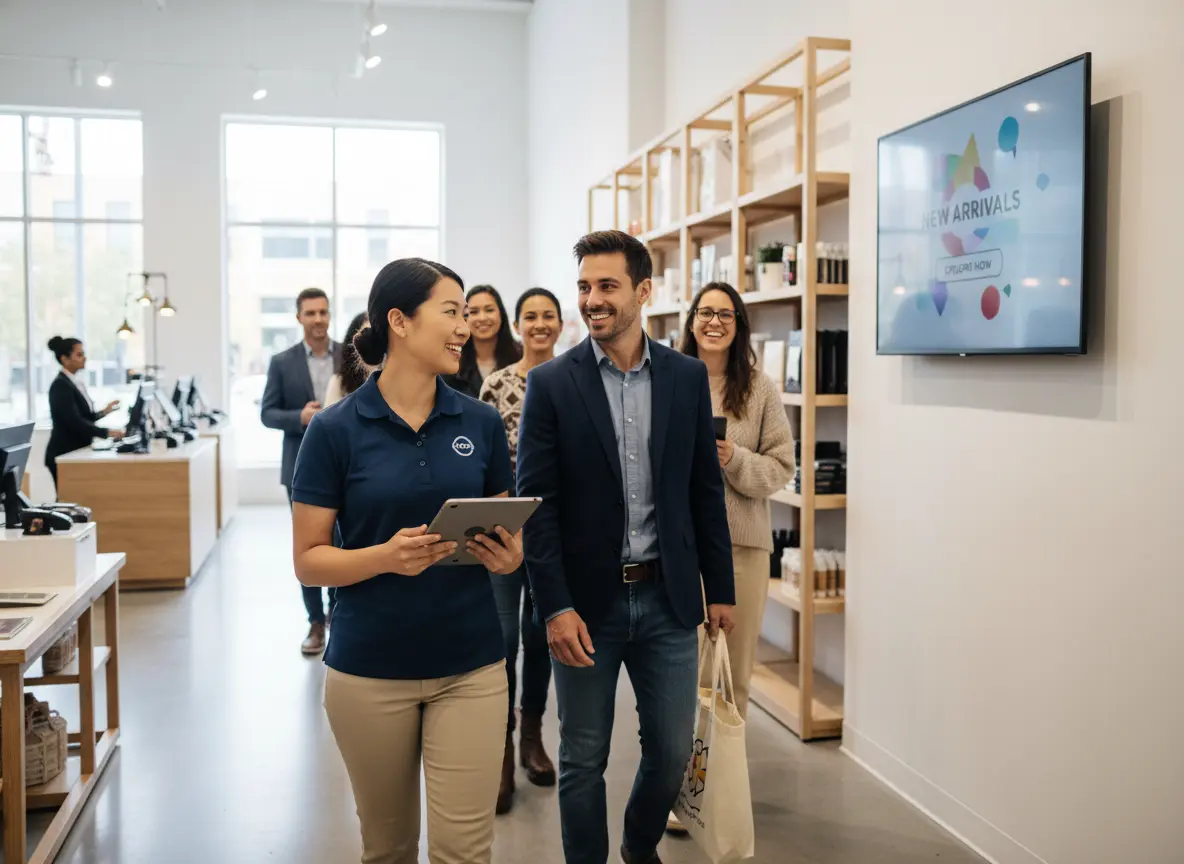
Stella, the AI robot employee and phone receptionist, is built for exactly this kind of situation. As an in-store kiosk presence, Stella can proactively greet customers, share product stories and pairings, highlight current promotions, and answer questions about what's in stock — all without interrupting your staff's workflow. She's consistent, always enthusiastic, and never forgets which wine won the regional gold medal last spring. On the phone side, Stella answers calls 24/7, so when a customer rings at 9 PM to ask if you carry a specific Bordeaux or what your holiday hours are, they get an immediate, knowledgeable answer instead of voicemail. For a liquor store owner juggling inventory, staff, and customers all at once, having a reliable presence that never takes a lunch break is genuinely useful.
Turning Stories Into Sales Strategies
Build Themed Displays That Tell a Bigger Story
Single-bottle storytelling is powerful. Themed displays are exponentially more so. Group products around a narrative — a "Wines of Tuscany" corner with a small printed card about the region, a "Whiskey Trail" display featuring American craft distilleries with a map on the wall, or a seasonal "Summer Porch Pours" section featuring rosés, sparkling wines, and light lagers. Customers who wander into a well-curated display aren't just browsing — they're exploring. And explorers tend to buy more than one thing.
Data backs this up: according to studies on retail merchandising, themed and cross-merchandised displays can increase sales in that category by 20–40%. That's not a small number when you're talking about premium bottles. Pair your display with a simple QR code linking to a curated playlist or recipe collection, and you've created an experience that feels intentional and personal — which is exactly what specialty retail should feel like.
Create a "Story of the Month" Feature
Every month, pick one product to spotlight with a full storytelling treatment: an end-cap display, a shelf talker with a longer narrative, a social media post series, and staff briefed to recommend it proactively. This approach does several things at once. It gives your team a focused selling point, creates a sense of discovery for returning customers, and often leads to favorable treatment from distributors who notice you're actively promoting their products.
Choose your featured bottle strategically — something with a great margin, a compelling story, and ideally a price point that feels like a discovery rather than a splurge. A $28 bottle that customers feel they "found" beats a $28 bottle they feel they "settled for" every single time. Psychology is half of wine sales. The other half is good merchandising.
Use Customer Conversations to Refine Your Storytelling
Pay attention to which stories land and which ones don't. When a customer's eyes light up at a particular detail — the drought vintage, the grandmother's recipe, the winemaker who quit finance to buy a vineyard — note it. When a story gets a polite nod but no purchase, adjust. Great storytelling is iterative, and your customers will tell you, through their wallets and their reactions, exactly what resonates. Build a simple feedback loop with your staff: at the end of each week, ask what product pitches got the best responses. Then double down on those angles.
A Quick Reminder About Stella
Stella is an AI robot employee and phone receptionist designed to help business owners like you deliver consistent, knowledgeable customer experiences without stretching your team thin. She greets customers in-store, answers calls around the clock, promotes your deals, and handles routine questions so your staff can focus on the work that actually requires a human. At $99/month with no upfront hardware costs, she's one of the more low-drama employees you'll ever hire.
Your Next Steps Toward Becoming a Master Storyteller
Product storytelling isn't a one-time project — it's an ongoing practice that compounds over time. The more your staff knows, the better they sell. The better your displays tell stories, the more customers explore. The more customers explore, the higher your average basket size climbs. It all connects.
Here's where to start this week:
- Pick five bottles in your store right now and write a three-sentence story for each using the Three-Hook Framework. Put them on shelf talkers by the weekend.
- Schedule a 20-minute product briefing with your staff and taste something together. Make it a habit, not a one-off.
- Plan your first themed display — choose a region, a season, an occasion. Give it a name. Make it look intentional.
- Identify your "Story of the Month" for next month and brief your team on it before the month begins.
Your competitors are selling bottles. You're going to sell stories — and stories, it turns out, come with significantly better margins. The bottles on your shelves have been waiting to be introduced properly. It's time to make the introduction.