Introduction: The Upsell Is Not a Dirty Word
Let's set the scene: a customer walks into your store, picks up exactly what they came for, pays, and leaves. Transaction complete. Mission accomplished. And yet — somehow — you've left money on the table. No, this isn't a magic trick. It's just what happens when upselling and cross-selling aren't built into your customer experience.
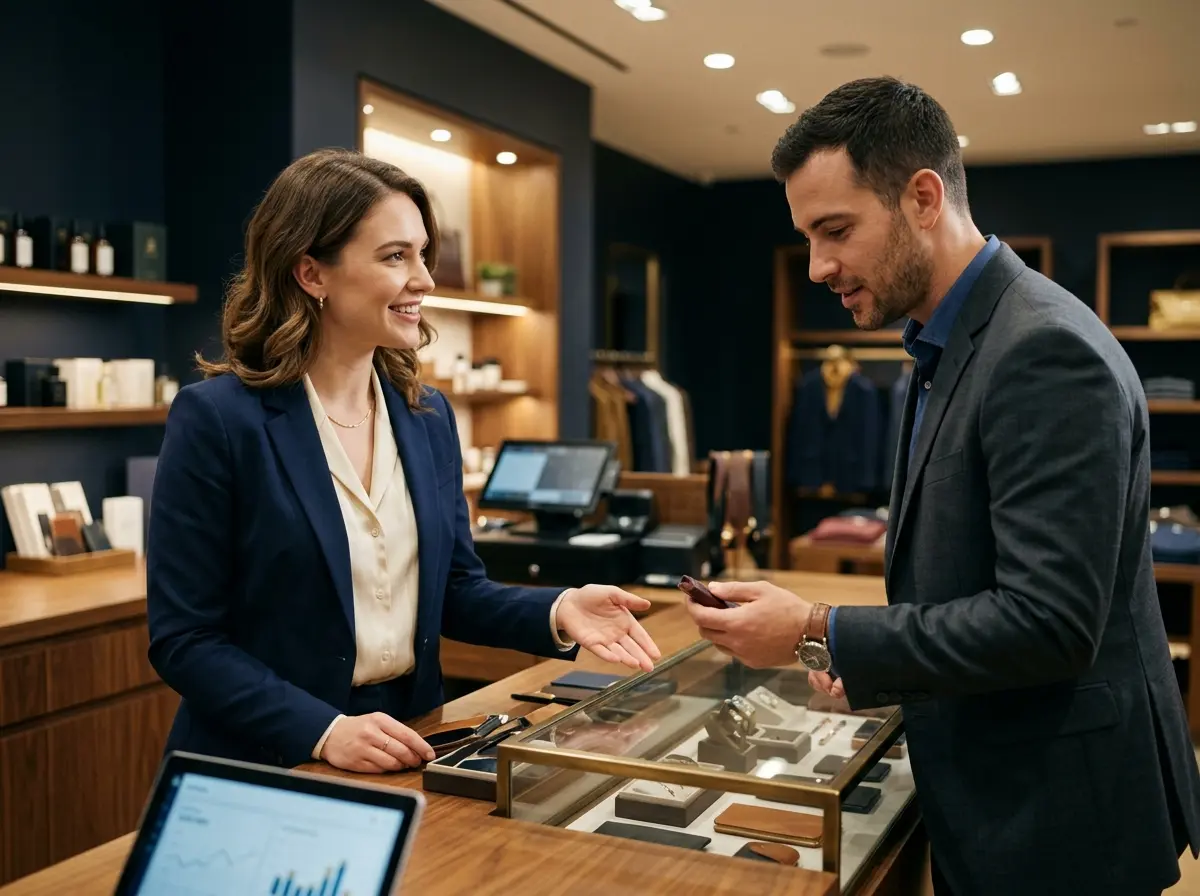
The upsell gets a bad reputation, and honestly, it's earned it in some circles. Nobody wants to feel like they're being hustled at checkout. But here's the thing: a well-executed upsell isn't manipulation — it's good service. When your staff recommends a complementary product, a better version of something, or a protection plan that actually makes sense, they're adding value to the customer's experience, not just padding your receipts.
Research from McKinsey suggests that cross-selling and upselling can account for 10–30% of e-commerce revenue — and brick-and-mortar retail is no different. The opportunity is enormous. The execution, however, is where most businesses fumble. So let's talk about how to train your retail staff to upsell with confidence, without making your customers feel like they've wandered into a timeshare presentation.
Building a Foundation: What Your Staff Needs to Know First
Product Knowledge Is Non-Negotiable
You cannot upsell what you don't understand. This sounds obvious, but you'd be surprised how many retail employees are expected to recommend premium products or add-ons they've never touched, tested, or been briefed on. If your staff can't answer the question "Why is this one better?" with genuine confidence, the upsell dies right there on the floor.
Invest time in product education — and make it ongoing, not a one-time onboarding PowerPoint nobody remembers. Run brief weekly huddles where you highlight a featured product or bundle. Let staff try the products where possible. Create a simple internal reference guide with the top five upsell opportunities in your store and the specific reasons a customer would benefit. When your team knows their stuff, recommendations feel natural rather than scripted.
Understanding the Customer's Intent
Effective upselling starts with listening, not talking. Train your staff to ask open-ended questions early in the interaction — "What are you using this for?" or "Is this a gift, or for yourself?" — because the answers reveal the real opportunity. A customer buying a beginner camera kit might be thrilled to hear about an entry-level editing course. A customer grabbing a basic skincare cleanser might not realize there's a bundle that includes a toner that works twice as well together.
The goal is to match the right recommendation to the right customer at the right moment. That requires your staff to actually listen before they launch into a pitch. Role-play this during training. Seriously — it feels awkward, but it works. Run scenarios where one employee plays a customer with a specific need, and the other practices asking questions before jumping to a recommendation. It builds the muscle memory of curiosity before commerce.
The Language of the Upsell
Words matter. There's a meaningful difference between "Do you want to add the warranty?" (lazy, easily dismissed) and "A lot of customers who buy this one grab the protection plan too — it covers accidental damage, which is honestly the most common issue we see with this model." One is a checkbox. The other is a story with a reason.
Teach your staff to frame upsells using language like "most customers also," "this pairs really well with," or "if you want to get the most out of this, the next step is usually..." These phrases feel like insider advice rather than a sales tactic, and that distinction is everything. Write out scripts for your top upsell scenarios — not to be read robotically, but to give staff a confident starting point they can make their own.
How Technology Can Do Some of the Heavy Lifting
Let Your Tools Upsell So Your Staff Doesn't Have To (Every Single Time)
Here's a gentle truth: your human staff is going to have off days. They'll forget to mention the add-on. They'll be busy with another customer. They'll be new and still nervous. That's just human nature — lovable, but inconsistent. This is exactly where smart technology can step in to cover the gaps.
Stella, the AI robot employee and phone receptionist, is built to do this consistently and cheerfully, every single time. Standing right inside your store, she proactively greets customers, answers product questions, highlights current deals and promotions, and recommends related items — without ever forgetting, without ever being distracted, and without ever having a bad Tuesday. She handles the informational and suggestive selling layer so your human staff can focus on deeper customer relationships and closing. On the phone side, Stella answers calls 24/7 with the same product and promotional knowledge she uses in-store, meaning your upsell game doesn't stop when your staff clocks out.
Turning Good Intentions Into Consistent Results
Create a Simple Upsell Framework Your Team Will Actually Use
The enemy of consistent upselling is complexity. If your training program involves a 14-step methodology and a laminated binder, it's not going to stick. Instead, give your staff a framework they can remember in three seconds on the floor. One approach that works well is the ABC method:
- A – Ask: Find out what the customer needs and why.
- B – Bridge: Connect a relevant recommendation to what they just told you.
- C – Close: Make it easy to say yes with a specific, low-friction offer.
Simple frameworks like this are memorable, repeatable, and trainable. Post them in your break room. Reference them in team meetings. Celebrate when staff members use them well — positive reinforcement is dramatically underused in retail management.
Incentivize the Right Behaviors
If you want your staff to upsell consistently, you need to make it worth their while — financially and culturally. Consider implementing a team-based incentive tied to average transaction value (ATV) rather than individual sales, which discourages internal competition and encourages collaboration. A modest monthly bonus when the team hits an ATV target can shift behavior quickly and sustainably.
Beyond money, recognize upselling wins publicly. A quick "shoutout" during a team huddle for an employee who nailed a recommendation this week costs you nothing and builds exactly the kind of culture where selling feels like part of the job, not an awkward imposition. Track ATV weekly and share the numbers with your team — transparency creates ownership, and people tend to care more about numbers they can see moving.
Measure, Adjust, and Measure Again
You can't improve what you don't track. Set a baseline average transaction value before your training initiative begins, then monitor it weekly. Break it down by staff member if your POS system allows it — not to publicly shame anyone, but to identify who might need extra coaching and who has a natural knack for it (turn those people into mentors). Review which upsell recommendations are actually converting and which are consistently getting declined, then adjust your scripts and training accordingly.
It's also worth periodically mystery-shopping your own store, either personally or through a service. Are staff members actually asking questions? Are they making recommendations? Are they doing it with confidence and warmth, or does it feel like a reluctant checkbox? Direct observation tells you things that sales reports simply can't.
Quick Reminder About Stella
Stella is an AI robot employee and phone receptionist that works in your store and answers your phones — available 24/7 at just $99/month with no upfront hardware costs. She greets customers, promotes deals, answers questions, and upsells naturally, so your human team can focus on what they do best. Whether you're in retail, hospitality, or services, she's the tireless team member who never forgets the upsell.
Conclusion: Small Changes, Meaningful Revenue
Upselling isn't about squeezing every last dollar out of your customers — it's about making sure they leave with everything they actually need to get value from their purchase. When done well, it builds loyalty, increases satisfaction, and yes, meaningfully grows your revenue without you spending an extra cent on acquiring new customers.
Here's where to start this week:
- Audit your top 10 products and identify one logical upsell or cross-sell pairing for each.
- Write two to three natural-sounding scripts your staff can practice and personalize.
- Set your current ATV as a baseline so you can measure the impact of your training.
- Run a role-play session at your next team meeting — yes, even if everyone groans at first.
- Explore tools that can handle consistent upsell prompts so your results don't live and die by whoever showed up to work today.
Your customers are already in your store. They're already spending money. The only question is whether you're giving them every good reason to spend a little more — and whether your team is equipped to make that happen with confidence. Train well, measure consistently, and remember: the best upsell is the one the customer thanks you for.