When "Would You Like to Add On?" Becomes a Revenue Engine
Let's be honest — most day spas are sitting on a goldmine of untapped revenue, and they don't even know it. Customers walk in for a basic 60-minute massage, spend the whole time melting into the table, and then float right back out the door without ever knowing about the warm stone upgrade, the CBD oil add-on, or the aromatherapy experience that would have genuinely changed their life. Meanwhile, the front desk staff is juggling check-ins, phones, and scheduling — and upselling is the last thing on anyone's mind.
That's exactly the situation one day spa found itself in before they decided to get strategic. The result? A 30% boost in revenue — not from adding new clients, not from raising base prices, but from a carefully designed Signature Upgrade Menu that made add-ons feel like a natural, irresistible part of the experience. Here's how they did it, and how you can too.
Building the Signature Upgrade Menu from the Ground Up
Starting with What You Already Have
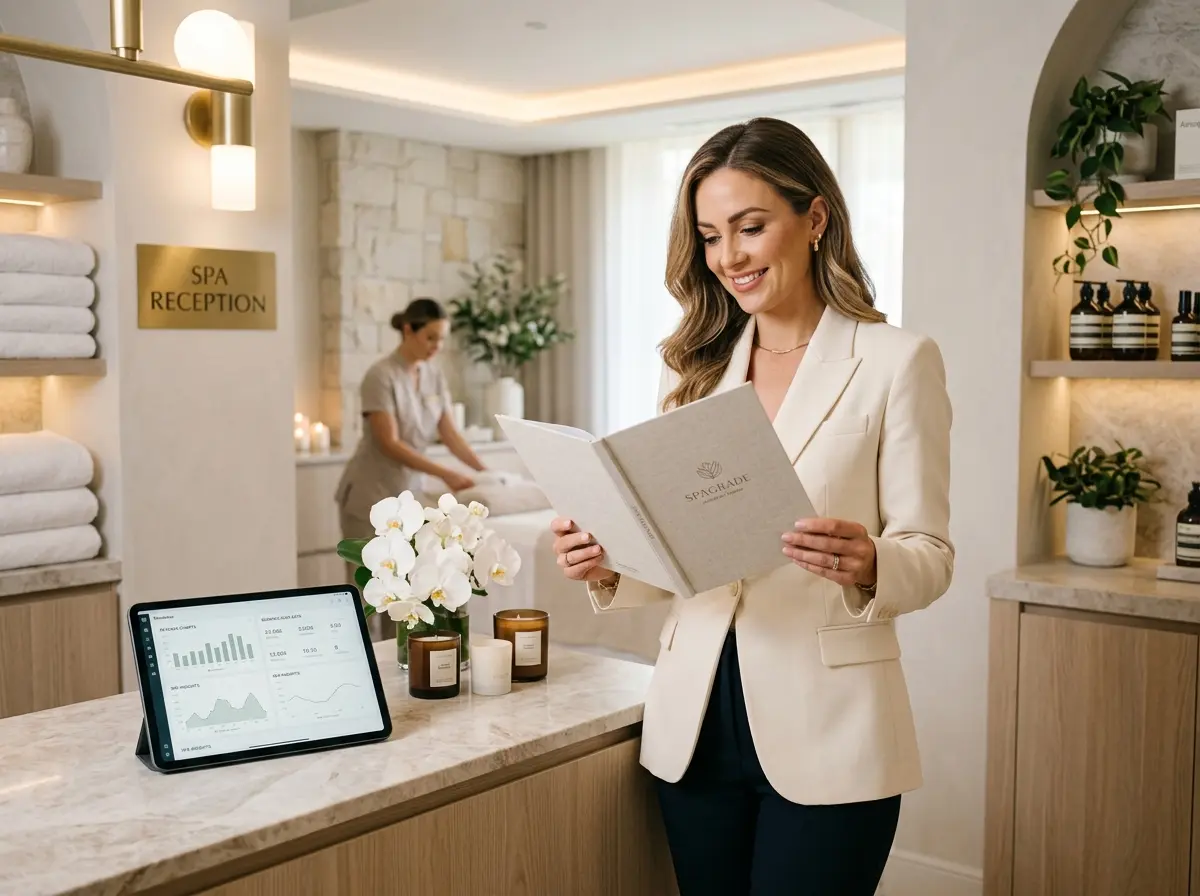
The first thing the spa's owner did was sit down and take honest stock of every service, product, and technique already in the building. Hot stones. Scalp massages. Paraffin wax treatments. Specialty oils. Eye masks. These things existed. They were just... invisible. Nobody was talking about them in a compelling way, and they certainly weren't being presented as cohesive, desirable upgrades. They were afterthoughts buried in a long service menu, listed under a vague "enhancements" section that most customers scrolled past.
The key insight here is deceptively simple: you probably already have upgrade material. You don't need to invest in new equipment or invent new services from scratch. You need to look at what you have through the eyes of a customer who wants an exceptional experience — and then package and name those offerings accordingly.
The Art of Naming and Framing
Here's where things get fun. Nobody gets excited about "CBD Oil Add-On — $15." But "The Deep Relief Enhancement: CBD-infused oil with targeted pressure point work — $15"? That's a different conversation. The spa rewrote every single add-on with a short, evocative name and a one-sentence description that explained the benefit, not just the feature.
They also created tiered upgrade bundles — think "The Essentials," "The Indulgence," and "The Full Experience" — priced at $20, $40, and $65 respectively. Tiered pricing does something clever to the human brain: it makes the middle option feel like the smart, balanced choice, and it makes the top tier feel aspirational rather than absurd. According to behavioral economics research, offering three tiers consistently outperforms offering a single upgrade option, with customers selecting the middle tier roughly 60% of the time.
Timing the Offer Correctly
Even the most beautifully named upgrade menu fails if it's presented at the wrong moment. The spa tested a few different approaches and landed on a two-touch strategy. First, upgrade options were introduced during the booking process — either online or by phone — before the customer had even arrived. Second, a brief, low-pressure mention was made at check-in. No hard selling, no pressure, just a warm: "Have you seen our Signature Enhancements? A lot of guests love adding the Scalp Revival — it only takes a few extra minutes."
That second touchpoint, the in-person moment at the front desk, turned out to be surprisingly powerful — largely because the staff knew what to say, and they'd been trained to say it consistently.
How Technology Helped Them Sell Smarter, Not Harder
Consistency Is Everything — and Robots Are Great at It
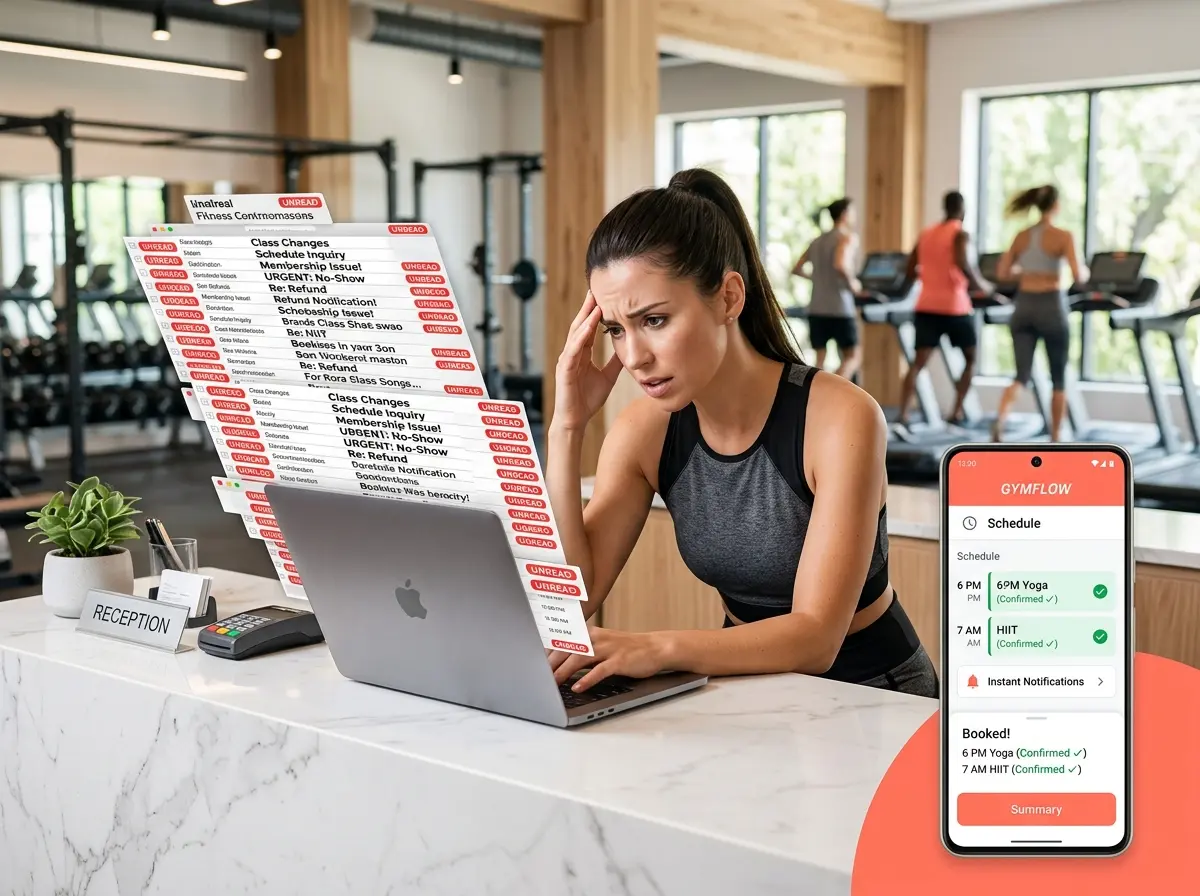
Here's an uncomfortable truth about human staff: they have good days and bad days. On a busy Saturday when three clients are waiting and the phone won't stop ringing, upselling drops to the absolute bottom of the priority list. That inconsistency is a real revenue leak, and it's not really anyone's fault — it's just human nature.
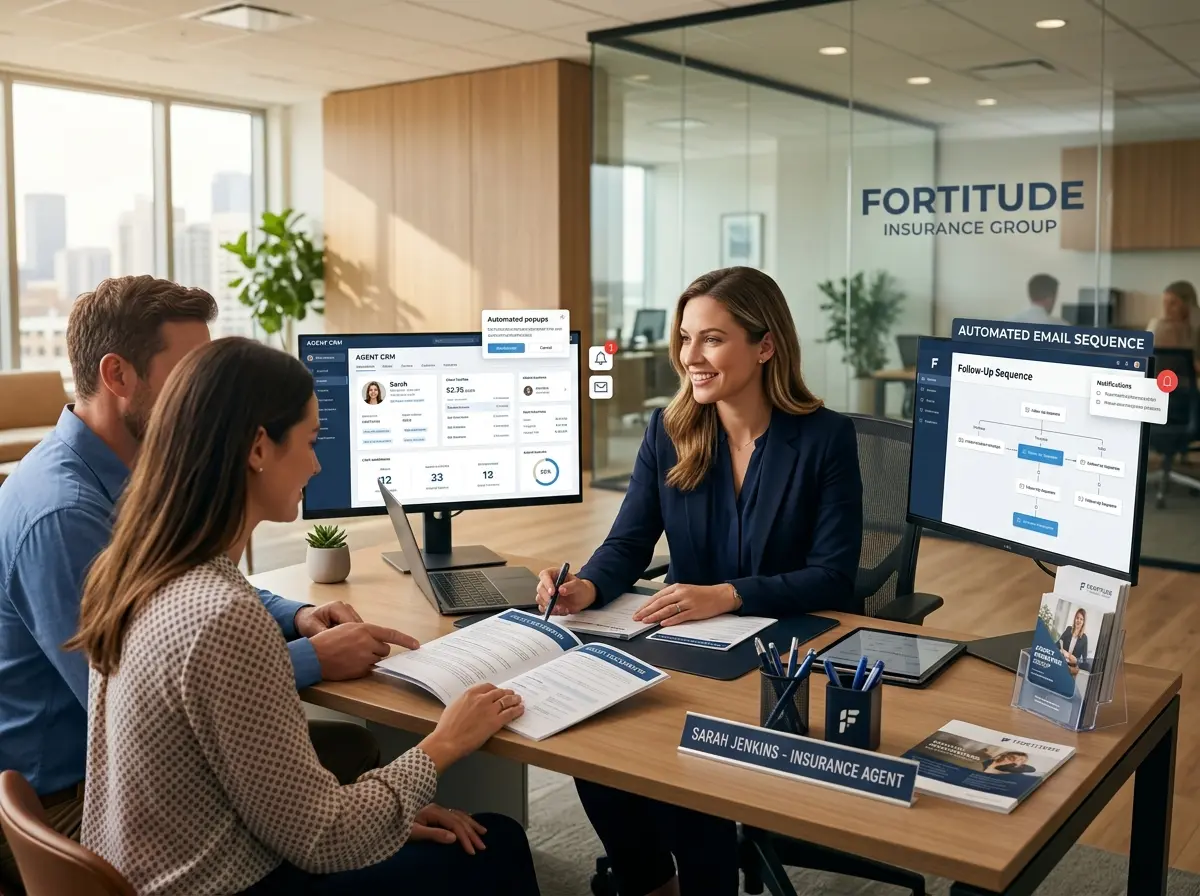
This is where Stella becomes genuinely useful for a spa like this. Stella is an AI robot employee and phone receptionist that greets every customer who walks through the door, answers incoming calls 24/7, and proactively promotes your current services, upgrades, and specials — without ever having an off day. She can be configured to mention the Signature Upgrade Menu to every single person who approaches the kiosk, present the options clearly, and answer questions about what each enhancement includes. On the phone side, Stella can introduce upgrade options during the booking conversation, collect client preferences through conversational intake forms, and keep all of that information organized in her built-in CRM — so your staff actually knows what a returning client has tried before and what they might love next time.
Training Your Team to Sell Without Feeling Salesy
Reframing the Mindset
One of the biggest obstacles the spa owner faced wasn't logistics — it was culture. Her team were therapists and wellness professionals. They didn't see themselves as salespeople, and frankly, they didn't want to. The moment she reframed the conversation from "selling" to "recommending," everything shifted.
The training she implemented was straightforward: staff were encouraged to think of the upgrade menu the same way a good server thinks about recommending a wine pairing. You're not pushing something on the guest. You're helping them have a better experience. You have expertise they don't. Sharing that expertise is part of your job. When therapists genuinely believed in the value of the enhancements — and most did, once they'd tried them themselves — the recommendations felt natural and authentic, because they were.
Scripts That Don't Sound Like Scripts
The spa developed three or four simple, conversational phrases that staff could use interchangeably at check-in. They were short, friendly, and never pushy. Things like: "Are you celebrating anything today? We have a couple of upgrades that are really popular for special occasions." Or: "Last time you were in, you mentioned your shoulders were really tense — have you tried the Deep Relief Enhancement?"
That second example points to something important: personalization dramatically increases upgrade conversion. When you reference something specific about a client's past visit or stated preferences, it feels like attentive service — not a sales pitch. This is exactly why keeping detailed client notes matters. The spa started using their client management system more intentionally, logging preferences, upgrade history, and feedback so that every returning client felt remembered.
Tracking What's Working
You can't improve what you don't measure. The spa introduced a simple weekly tracking system — nothing fancy, just a spreadsheet — that logged which upgrades were sold, by whom, and in what service context. Within a month, patterns emerged. Certain enhancements sold well after deep tissue services but rarely after facials. Others were almost always purchased by clients who had already visited three or more times. That data let the owner make smarter decisions about how to position each upgrade and where to focus training energy.
Quick Reminder About Stella
Stella is a friendly AI robot employee and phone receptionist built for businesses exactly like yours. She greets walk-in customers at a physical kiosk, answers phone calls around the clock, promotes your services and upgrades, and never once takes a sick day. At just $99/month with no upfront hardware costs, she's one of the more painless investments a spa — or any customer-facing business — can make.
Your Next Steps Toward a 30% Revenue Lift
The story of this day spa is genuinely replicable. It didn't require a major rebrand, a massive marketing budget, or a complete overhaul of services. It required clear thinking, deliberate packaging, consistent communication, and a team that understood their role in the customer experience. Here's what you should walk away ready to do:
- Audit your existing services and identify every possible enhancement, add-on, or complementary offering you already have available.
- Rename and reframe your upgrades with benefit-focused language that creates desire, not just description.
- Create tiered bundles at two or three price points to leverage the psychology of choice.
- Build a two-touch offer strategy — once at booking and once at check-in — so no client leaves without knowing what's available.
- Train your team to see upgrade recommendations as service, not sales, and give them the language to do it naturally.
- Track your results weekly so you can double down on what's working and quietly retire what isn't.
A 30% revenue increase sounds impressive — and it is — but the more remarkable part is that it came without adding a single new client to the books. The customers were already there. The services were already available. All it took was making the connection between the two a little more intentional. That's not magic. That's just smart business.
Now go look at your menu and ask yourself honestly: what are your guests walking out the door without knowing about?