So, You Want Your Clients to Do Your Marketing for You?
Smart move. Refer-a-friend campaigns are one of the oldest tricks in the book — and one of the most effective ones still standing. While your competitors are dumping money into Instagram ads and hoping for the best, you could be turning your happiest clients into a walking, talking sales force. And the best part? They already love you.
Word-of-mouth has always been the lifeblood of salons and spas. People trust their friends. They trust a recommendation from someone who actually sat in your chair or melted into your massage table far more than they trust a polished ad with a stock photo of a woman laughing at a salad. According to Nielsen, 92% of consumers trust referrals from people they know over any other type of advertising. That's not a small number. That's basically everyone.
But here's the thing — most salons and spas never actually ask for referrals in a structured, intentional way. They hope clients will mention them to a friend. Sometimes they do. Often they don't. A well-designed refer-a-friend campaign takes that hopeful maybe and turns it into a predictable growth engine. This guide will show you exactly how to build one that works.
Building the Foundation of Your Referral Program
Choosing the Right Incentive (Without Going Broke)
The incentive is the engine of your referral program. Get it right, and clients will actively go out of their way to recruit friends. Get it wrong, and you'll hear crickets. The golden rule here is simple: reward both parties. When only the referring client gets something, it feels one-sided. When both the referrer and the new client receive a benefit, the new client has a reason to actually book — and the referrer looks like a hero for sharing something valuable.
For salons and spas, popular incentives include a dollar discount on a future service, a free add-on (a conditioning treatment, a scalp massage, a paraffin hand dip), or a percentage off the next visit. A common and effective structure looks something like this: the referring client gets $20 off their next appointment, and the new client gets $20 off their first visit. It's clean, it's easy to explain, and it gives everyone a reason to say yes.
One thing to avoid: making the reward so small it's insulting. A $3 discount on a $120 service is not going to motivate anyone. Be generous enough that clients actually feel appreciated, but make sure the math still works for your business. Run the numbers before you launch — factor in your service margins and decide how much acquiring a new long-term client is actually worth to you. Spoiler: it's usually quite a lot.
Keeping the Rules Simple and the Process Painless
If clients need a decoder ring to figure out how your referral program works, they won't bother. Complexity is the enemy of participation. The best programs can be explained in one or two sentences and completed without filling out seventeen forms or downloading a special app.
Decide on your mechanics early: Will clients receive a unique referral code? A physical card they can hand to friends? A shareable link via text or email? Each option has its merits. Physical cards work beautifully in a spa environment where clients are relaxed and receptive. Digital links are easy to share and easy to track. Whatever you choose, make sure clients know exactly what they need to do, what their friend needs to do, and when the reward kicks in. Ambiguity breeds frustration, and frustrated clients don't refer people — they just complain quietly.
How Stella Can Help You Run a Smoother Campaign
Greeting Guests and Capturing Referral Information Automatically
Running a referral campaign is exciting until you realize it generates a whole new category of administrative work. Tracking who referred whom, collecting new client information, and making sure rewards are actually delivered — it's a lot. This is where Stella, the AI robot employee and phone receptionist, can genuinely lighten the load.
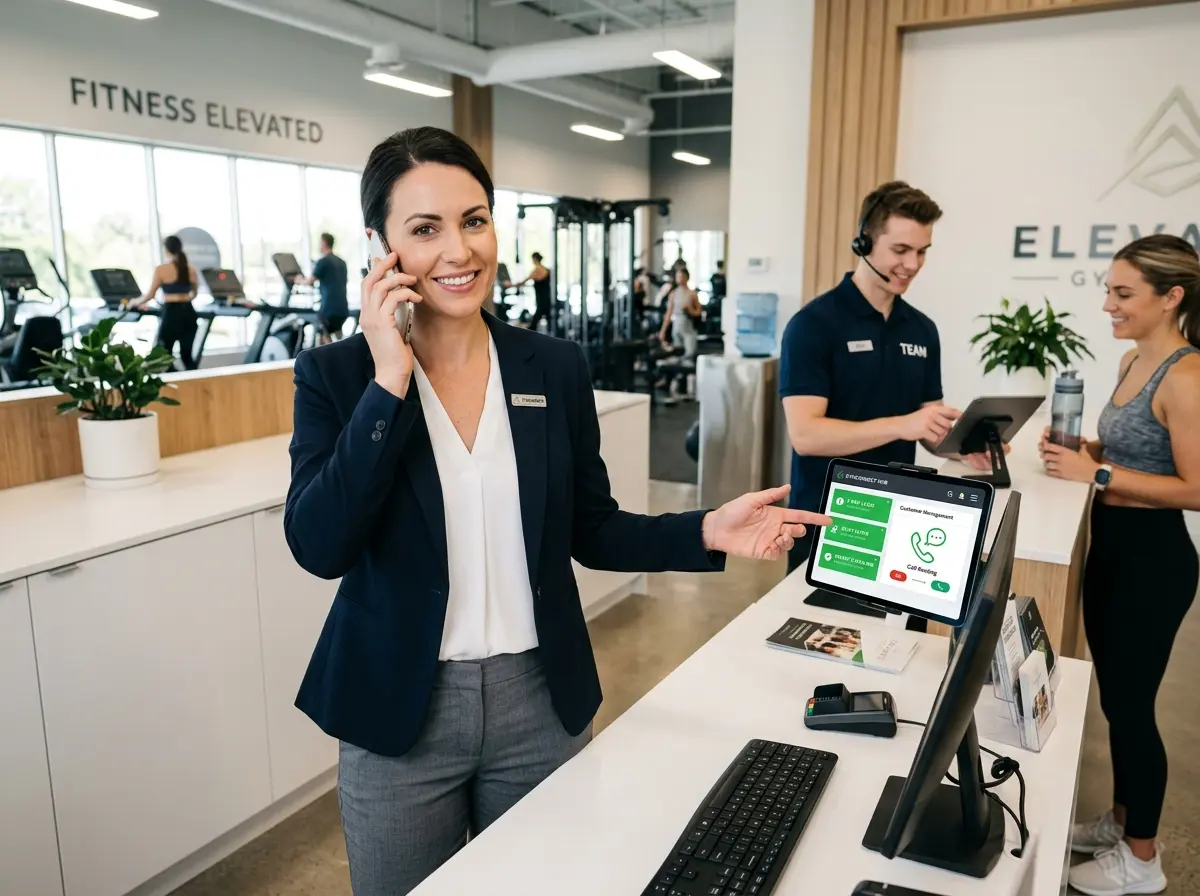
In your salon or spa, Stella's in-store kiosk presence means she can proactively greet every client who walks in, mention your active referral promotion, and collect intake information through conversational forms — no clipboard required. When new clients arrive mentioning a referral, she can capture that information on the spot and log it directly into her built-in CRM, complete with custom fields and tags to keep your referral tracking organized. On the phone side, she answers calls 24/7 and can inform callers about your current refer-a-friend campaign, collect their details, and make sure nothing falls through the cracks — even at 9pm when your front desk staff has long since gone home.
Promoting Your Campaign So People Actually Know It Exists
In-Salon Touchpoints That Work
Your salon or spa is a captive audience environment, and you should absolutely take advantage of that. Clients sitting under a dryer, waiting for color to process, or wrapped in a cozy robe during a facial are in a relaxed, receptive state of mind. That's prime time to introduce your referral program — naturally and without being pushy.
Think about all the places a simple, well-designed card or sign could live: the reception desk, the styling station mirrors, the checkout counter, inside treatment rooms, and even in your appointment confirmation emails. Train your staff to mention the program at checkout with a natural, friendly line like, "By the way, if you have any friends looking for a new salon, we have a referral program where you both save — I can grab you a card if you'd like." That one sentence, said consistently to every departing client, can dramatically increase participation over time.
Digital Promotion That Reaches Clients Between Visits
Most of your clients aren't sitting in your salon right now. They're scrolling their phones, checking emails, and living their lives. Your referral campaign needs to reach them there too. Email newsletters, SMS campaigns, and social media posts are all fair game — just don't blast them so frequently that it becomes noise.
A good cadence might be an announcement post when you launch, a follow-up reminder two weeks later, and then organic mentions woven into your regular content. You can also ask happy clients to share a post about their experience and tag your salon, which serves double duty as a referral prompt and a genuine testimonial. User-generated content is free marketing — encourage it shamelessly.
If you have a loyalty app or booking software that supports referral links, use it. The easier you make it for clients to share a personalized link via text message to a friend, the more likely they are to actually do it.
Timing Your Referral Ask Strategically
Timing matters enormously. The best moment to ask a client for a referral is right after a peak positive experience — when they're looking in the mirror and loving their blowout, or floating out of a massage room in a state of bliss. That's when enthusiasm is highest and goodwill is overflowing. Don't wait until the next visit to mention the program. Strike while the iron (or the flat iron) is hot.
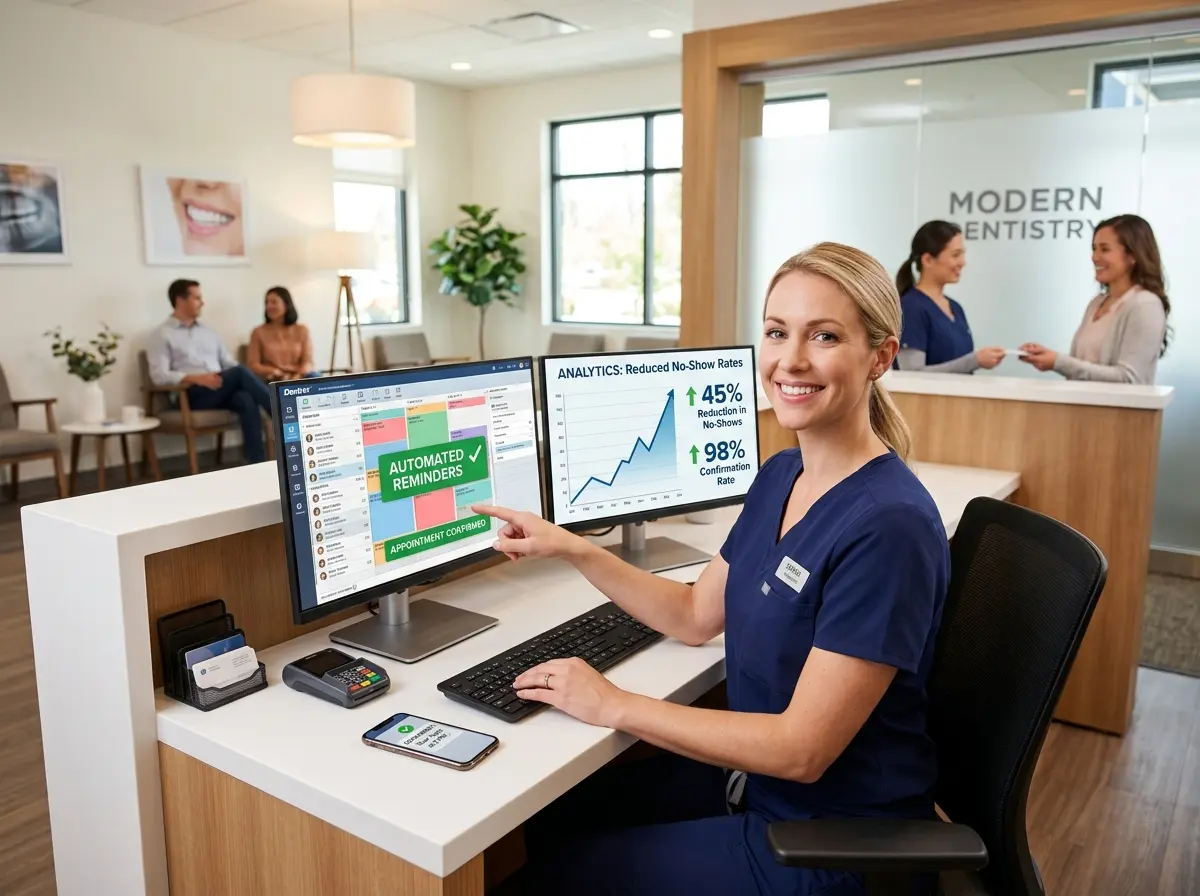
Post-appointment follow-up messages are another powerful touchpoint. A simple automated text or email sent within a few hours of their appointment — thanking them for their visit and reminding them about your referral program — can generate referrals from clients who might not have been in the headspace to think about it while they were still in the chair.
Quick Reminder About Stella
Stella is an AI robot employee and phone receptionist built for businesses like yours — she stands in your salon as a friendly, knowledgeable kiosk presence and answers your phones 24/7 so no call, inquiry, or referral lead ever goes unanswered. She handles promotions, intake forms, CRM management, and customer conversations, all for just $99/month with no upfront hardware costs. Think of her as the team member who never calls in sick and never forgets to mention the referral special.
Turning New Referral Clients Into Long-Term Loyalists
Getting a referred client through the door is a win — but it's only half the battle. The real prize is turning that first visit into a long-term relationship. Referred clients actually convert at a higher rate than most other acquisition channels, and they tend to have higher lifetime value too. But none of that happens automatically.
Make sure the first experience for every referred client is exceptional. Brief your staff on who's coming in as a new referral client, and if possible, have someone personally welcome them. A small touch — acknowledging that they were referred by a friend, making them feel expected and valued — can make a lasting impression that no discount alone can achieve.
After their first visit, follow up. Send a thank-you message. Invite them to book again. Introduce them to your loyalty program if you have one. And yes — let them know that they can now refer their own friends and earn rewards too. The compounding effect of a well-run referral program is where the real magic happens: one client becomes two, two become four, and suddenly your appointment book is full of people who came in because someone they trusted said, "You have to go there."
Track your results as you go. Measure how many referrals are being made, how many result in booked appointments, and what the retention rate looks like for referred clients versus other acquisition channels. That data will help you refine your incentives, improve your messaging, and decide whether to expand the program over time.
Running a refer-a-friend campaign isn't complicated. It just requires intention, consistency, and a genuine commitment to making your clients feel valued enough that they want to tell their friends about you. Start simple, stay consistent, and let your happiest clients do what they were already going to do anyway — just with a little extra motivation.