The Silent Treatment: Why Therapy Clients Ghost Their Appointments
You've blocked off the time. You've prepared your notes. You've maybe even made a fresh cup of coffee. And then — nothing. The clock ticks past the appointment time, and your client is nowhere to be found. Welcome to the wonderful world of therapy practice no-shows, where the only thing more frustrating than the empty chair is the revenue that just evaporated along with it.
No-shows are a universal headache in healthcare, but therapy practices feel the pain especially sharply. Unlike a dentist who can squeeze in a cleaning or a restaurant that can seat a walk-in, therapists can't exactly fill an empty hour on a moment's notice. According to research published in psychiatric and behavioral health journals, no-show rates in mental health settings can range anywhere from 19% to 50% — a staggering range that can mean the difference between a thriving practice and one that's perpetually struggling to keep the lights on.
The good news? No-shows aren't inevitable. They're a solvable problem, and with the right systems in place, you can dramatically reduce them, protect your schedule, and actually get paid for the work you do. Let's dig in.
Understanding Why Clients Don't Show Up
Before you can fix the problem, it helps to understand it. Clients don't skip appointments out of malice (usually). There are predictable, recurring reasons that no-shows happen — and once you know them, you can design systems to address each one.
They Simply Forgot
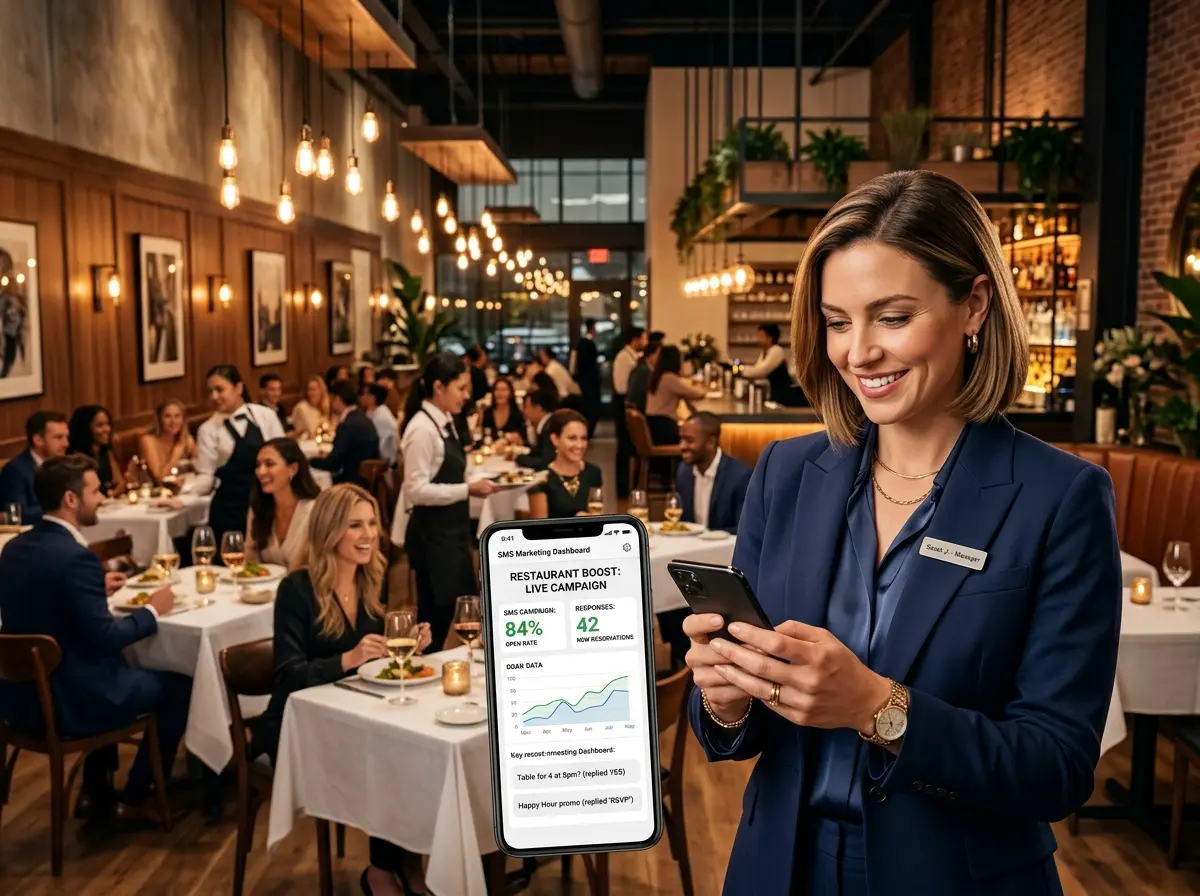
This is, by far, the most common culprit. Life is busy, therapy appointments often happen on a recurring schedule, and without a nudge, even the most committed client can let a Tuesday 2 PM session slip their mind. The fix here is straightforward: reminders, reminders, and more reminders. A single confirmation email sent at the time of booking is not a reminder system — it's wishful thinking. Effective reminder sequences typically include a reminder 48 to 72 hours before the appointment and another one the morning of. Text messages have a dramatically higher open rate than emails (around 98% versus 20%), so if you're not texting your clients, you're leaving one of your most powerful tools on the table.
The Barrier to Cancellation Is Too High
Here's a counterintuitive truth: when it's too hard to cancel, clients don't cancel — they just don't show up. If your cancellation process involves navigating a phone tree, waiting on hold, or sending a formal email to an address they can't remember, many clients will simply choose the path of least resistance and ghost you instead. Making cancellations easy — a reply to a text, a link in a reminder email — actually reduces no-shows by giving clients a dignified off-ramp rather than forcing them into avoidance mode.
Financial and Emotional Ambivalence
Therapy is unique in that the very thing clients are seeking help for — anxiety, avoidance, depression — can be what drives no-show behavior. A client who's struggling may feel too overwhelmed to show up, too embarrassed to cancel, or quietly questioning whether therapy is "worth it" right now. While no administrative system can fully address clinical ambivalence, a warm, consistent communication approach can make a real difference. Clients who feel connected to your practice — who receive friendly, human-feeling touchpoints rather than cold automated messages — are more likely to honor their commitments.
Tools and Systems That Actually Move the Needle
Knowing why clients ghost is only useful if it leads to action. Here's where the right technology can quietly transform your practice operations without adding more to your plate.
Automated Reminders and Confirmation Workflows
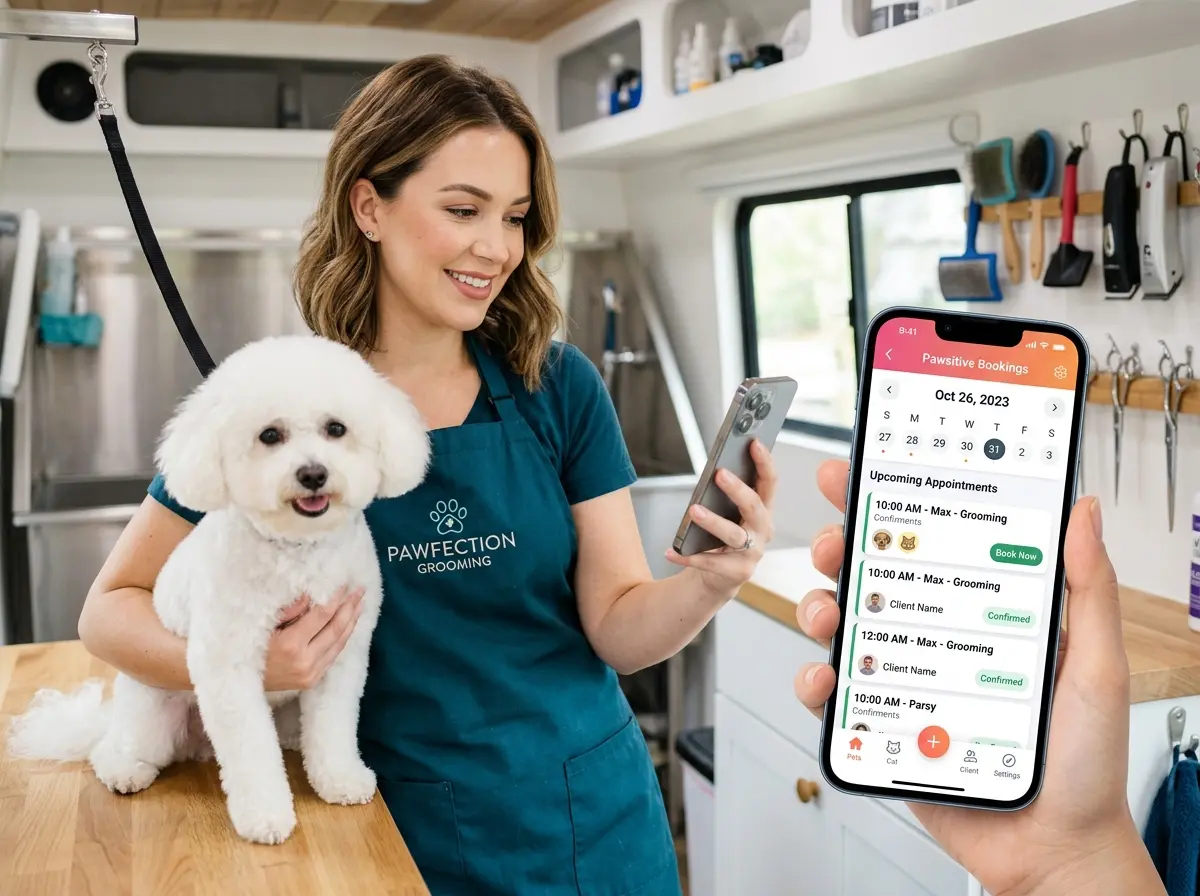
If you're still manually calling clients the day before their appointments, bless your heart — but there's a better way. Modern practice management tools and AI-powered communication platforms allow you to build automated reminder sequences that go out like clockwork, without anyone on your team lifting a finger. The key is multi-touch: an email when the appointment is booked, a text 48 hours before, and a same-day reminder. Bonus points if those reminders include a one-tap confirmation or a simple link to reschedule.
This is also where a tool like Stella, the AI robot employee and phone receptionist, fits naturally into the picture. Stella handles inbound calls 24/7, which means when a client calls to cancel or reschedule at 9 PM the night before (because that's when anxiety strikes), there's always someone — or rather, something very capable — to take that call. She can also collect client information through conversational intake forms, so your CRM stays updated and your front desk isn't playing phone tag all day. For practices managing a high volume of client communication, having a built-in CRM with AI-generated profiles and push notifications for voicemails is the kind of operational backbone that quietly reduces chaos.
Policy, Payment, and the Psychology of Commitment
The Cancellation Policy That People Actually Follow
Every therapist has a cancellation policy. Not every therapist enforces it — and clients know it. A policy that exists only on paper does almost nothing to deter no-shows. The practices with the lowest no-show rates tend to share a common trait: they communicate their cancellation policy clearly, early, and often, and they actually charge the fee when the policy is violated.
This doesn't mean you need to be punitive. A 24- or 48-hour cancellation window is standard and widely accepted. What matters is that the policy is presented at intake, acknowledged by the client in writing, reiterated in appointment reminders, and applied consistently. When clients know there are real consequences for ghosting, the calculus changes. Compassionate exceptions for genuine emergencies are entirely appropriate — but those should be exceptions, not the rule.
Credit Card on File: Your Quiet Superpower
Collecting a credit card at intake and charging no-show fees automatically is, frankly, one of the most effective tools available to therapy practices. It removes the awkward post-no-show conversation, ensures you're compensated for your time, and creates a genuine psychological commitment device. Research in behavioral economics consistently shows that people are more likely to follow through on appointments when they've made a financial commitment upfront. If you've been hesitant to implement this out of concern it will feel transactional, reframe it: it's a professional standard that protects both your time and the therapeutic relationship by establishing clear expectations from day one.
Building a Culture Where Clients Want to Show Up
The Intake Experience Sets the Tone
No-show rates don't begin at the reminder stage — they begin at intake. A clunky, confusing, or impersonal intake process creates friction and ambivalence before a client has even walked through your door. Conversely, a warm, organized, and professional intake experience signals that this practice takes itself seriously, which in turn signals to the client that they should too. Streamlined intake forms, prompt confirmation communications, and a clear explanation of what to expect from the first session all contribute to a client who feels invested and ready to engage.
Therapeutic Alliance and the Power of Connection
Ultimately, the single most powerful predictor of whether a client shows up is how connected they feel to their therapist. Clients who experience a strong therapeutic alliance — who feel genuinely heard, supported, and like therapy is working — have dramatically lower no-show rates. This is good news, because it means the best no-show prevention strategy is also just good therapy. Checking in at the end of sessions about how the client is feeling, explicitly addressing ambivalence about the process, and ensuring clients leave with a clear sense of the plan for next time all strengthen the alliance and keep clients coming back.
Handling No-Shows With Grace When They Do Happen
Even the best systems can't eliminate no-shows entirely — they're part of practice life. What distinguishes thriving practices is how they respond. A brief, non-judgmental outreach message after a no-show — something warm like "We missed you today and wanted to check in" — often recovers the client relationship and gets them back on the schedule. This is also a clinically meaningful moment; a client who is suddenly missing appointments may be struggling and in greater need of support, not less.
A Quick Reminder About Stella
Stella is an AI robot employee and phone receptionist built for businesses of all kinds — including therapy practices that need reliable, professional communication support without hiring another staff member. She answers calls 24/7, manages intake through conversational forms, keeps your CRM organized, and ensures no client call goes unanswered, day or night — all for $99 a month with no upfront hardware costs.
Your Next Steps Toward a Full Schedule
No-shows are expensive, demoralizing, and — here's the part worth holding onto — largely preventable. The practices that have cracked this problem haven't done it with a single magic fix; they've built layered systems that address forgetfulness, reduce cancellation friction, create financial accountability, and foster genuine client connection.
Start with the highest-impact changes first. If you don't have an automated multi-touch reminder sequence, build one this week. If you don't collect a credit card at intake, put that process in place before your next new client. If your cancellation policy is more of a suggestion than a standard, decide right now that it's going to be enforced with compassion but consistency.
The empty chair in your office is costing you more than just revenue — it's costing you the opportunity to actually help someone. Fix the systems, protect your schedule, and get back to doing the work you trained for. Your clients need you. They just occasionally need a well-timed text message reminder to remember that.