Walk a Mile in Your Customer's Shoes (Before They Walk Out the Door)
Here's an uncomfortable truth: most business owners spend enormous energy getting customers through the door and almost no time thinking about what happens once they're actually inside. You've invested in signage, social media ads, maybe even a sandwich board with a pun clever enough to make a passing dad groan — and then the customer walks in, feels confused or ignored, and leaves having bought nothing. Or worse, having bought something but feeling underwhelmed enough that they never come back.
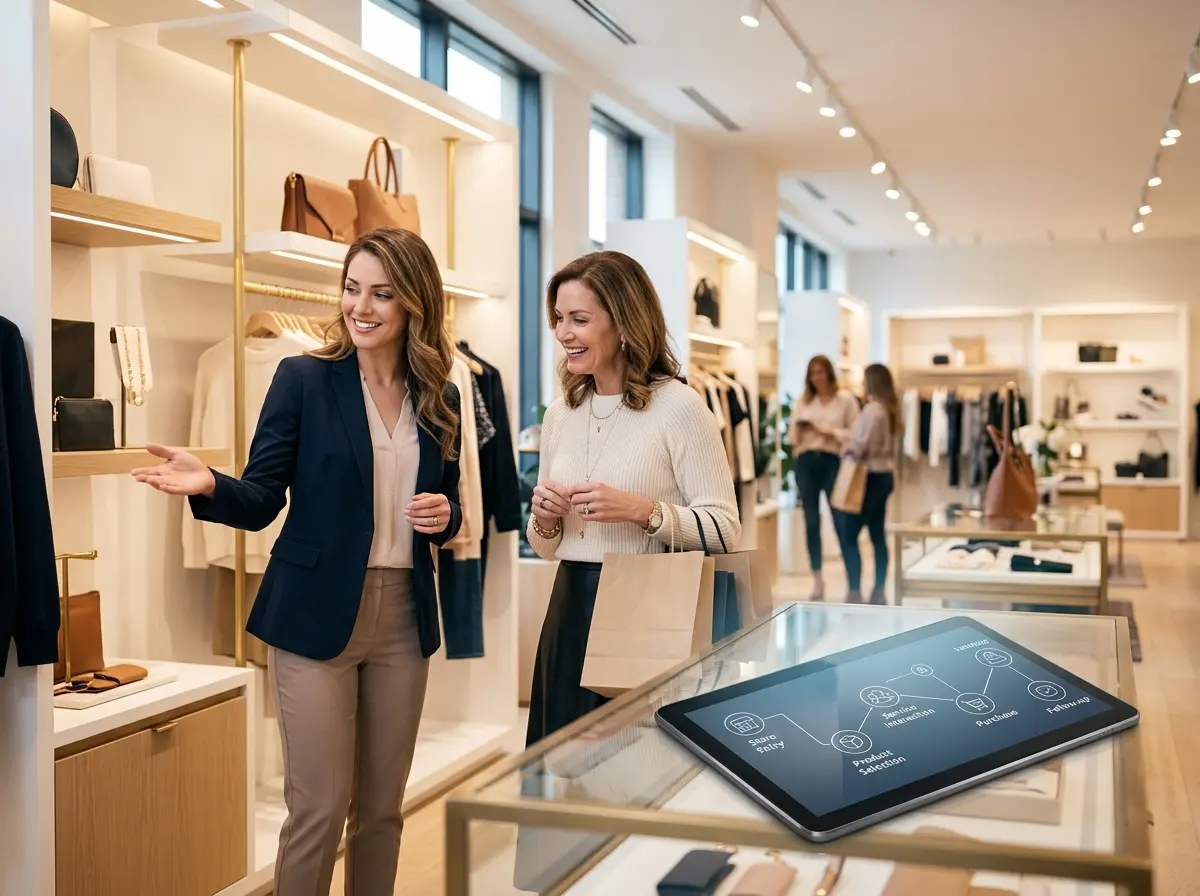
This is where the in-store customer journey map becomes your secret weapon. A customer journey map is simply a structured way of looking at every touchpoint a customer experiences from the moment they notice your store to the moment they leave — and beyond. When done right, it doesn't just improve sales. It turns one-time shoppers into loyal fans who tell their friends, leave glowing reviews, and come back without being bribed with a coupon.
The good news? You don't need a Fortune 500 budget or a team of consultants to build one. You just need to pay attention, be intentional, and maybe stop pretending that customers automatically know where to find the thing they're looking for.
Mapping the Journey: From Sidewalk to Sale
A customer journey map has distinct phases, and each one deserves deliberate attention. Think of it as choreography — if one dancer is off-beat, the whole performance suffers. Let's break it down.
Stage 1: The First Impression (Before They Even Step Inside)
Your customer journey doesn't start at the front door. It starts on the sidewalk, in the parking lot, or even on your Google listing. Research from McKinsey suggests that 70% of buying experiences are based on how the customer feels they are being treated — and that feeling starts forming before they ever shake hands with your staff.
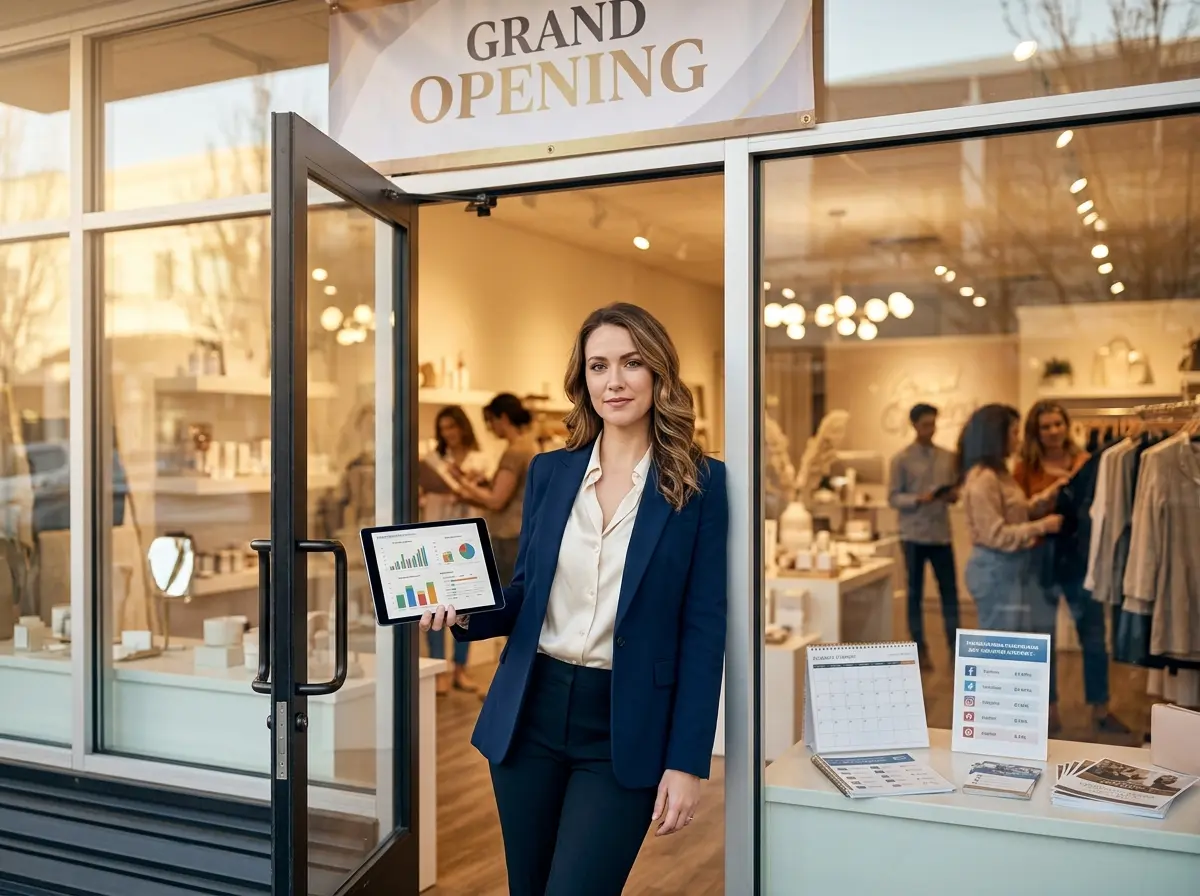
Ask yourself: Is your storefront inviting? Is your window display communicating what you sell clearly and compellingly? Is your exterior lighting adequate for evening hours? Are your hours posted clearly? These details sound mundane, but they're the difference between a customer who walks in curious and one who keeps walking. A well-lit, clearly labeled, visually appealing entrance communicates professionalism and trust before a single word is spoken.
Stage 2: The Welcome Moment (The First 30 Seconds Inside)
Studies in retail behavior consistently show that the first 30 seconds inside a store are disproportionately influential. If a customer is ignored, they feel invisible. If they're bombarded with a hard sell, they feel hunted. The sweet spot — a warm, genuine acknowledgment without pressure — is harder to achieve than it sounds, especially when your staff is busy, understaffed, or simply having one of those days.
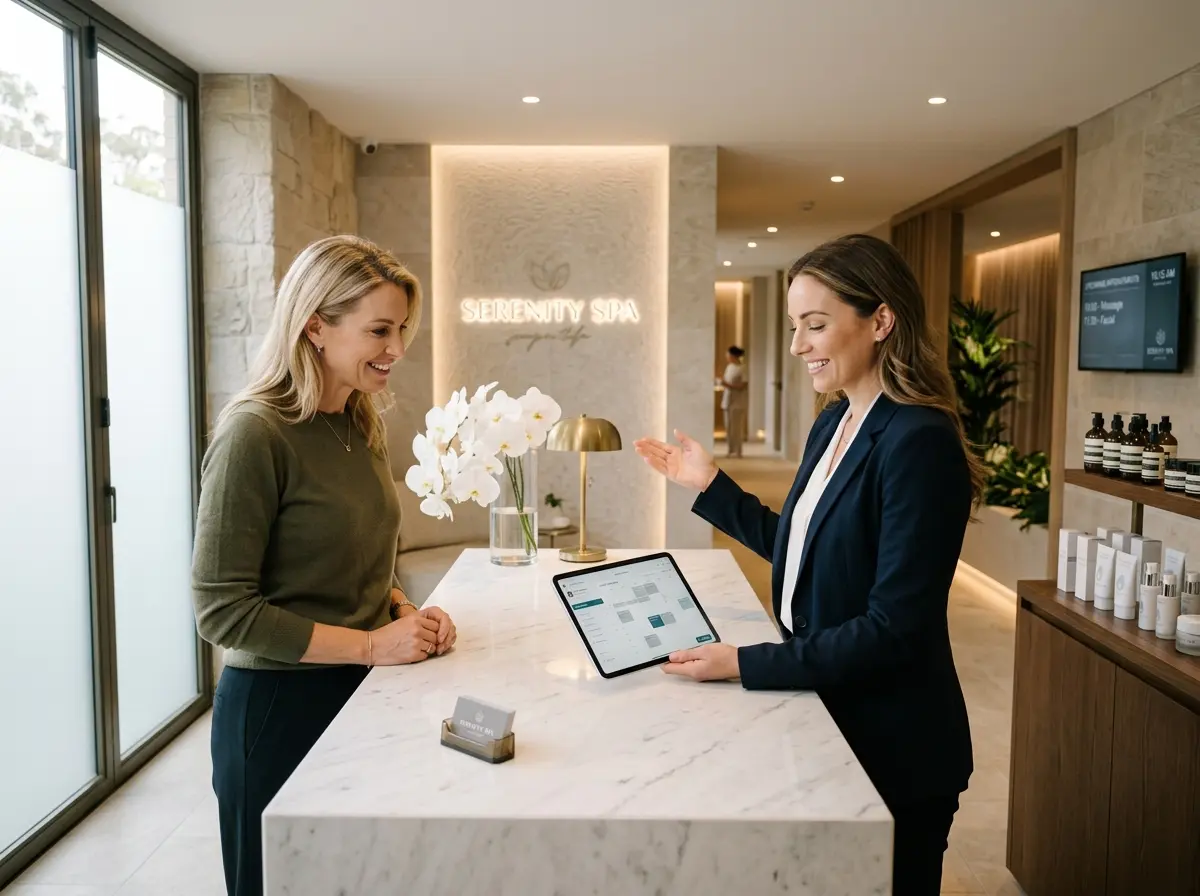
This is where many businesses unknowingly lose people. A customer who isn't greeted promptly begins to feel like an inconvenience rather than a guest. Consider scripting your welcome interactions, training staff on reading body language, and making sure no customer can stand in your entrance for more than a few seconds without being acknowledged in some way.
Stage 3: The Discovery and Decision Phase (Browsing, Comparing, and Committing)
Once inside, customers enter what behavioral economists call the consideration zone. They're evaluating, comparing, wondering whether the price is right and whether this is really what they need. This is the phase where helpful information architecture — clear signage, logical product organization, visible pricing, and accessible staff — either builds confidence or erodes it.
Think about the last time you walked into a store and couldn't figure out where anything was. Did you feel delighted? No. You felt like you were solving a puzzle nobody asked you to solve. Your store layout should guide customers naturally toward the products they're likely looking for, with your highest-margin items placed strategically along the natural traffic flow. When customers have questions during this phase, they need answers fast — not a staff member who has to go "check in the back."
Where Technology Fits Into the Journey
Plugging the Gaps With the Right Tools
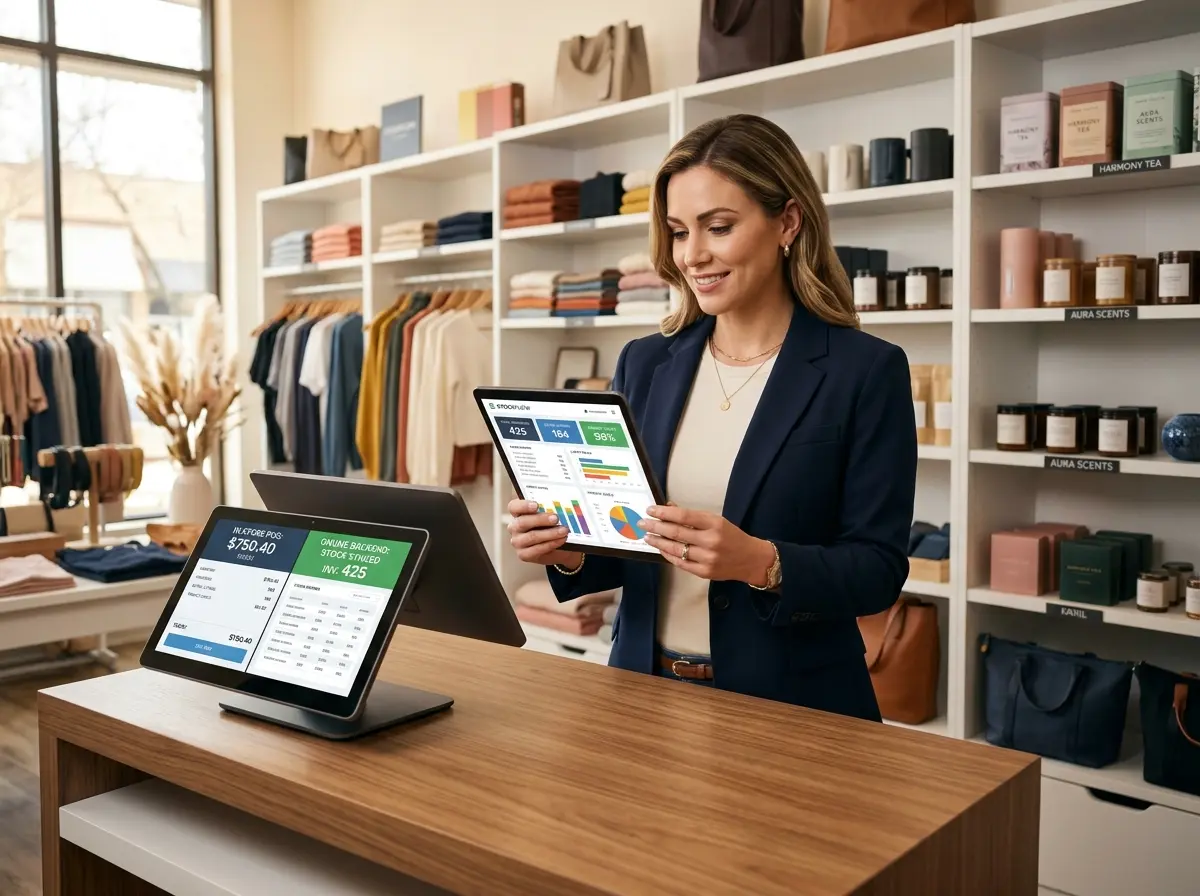
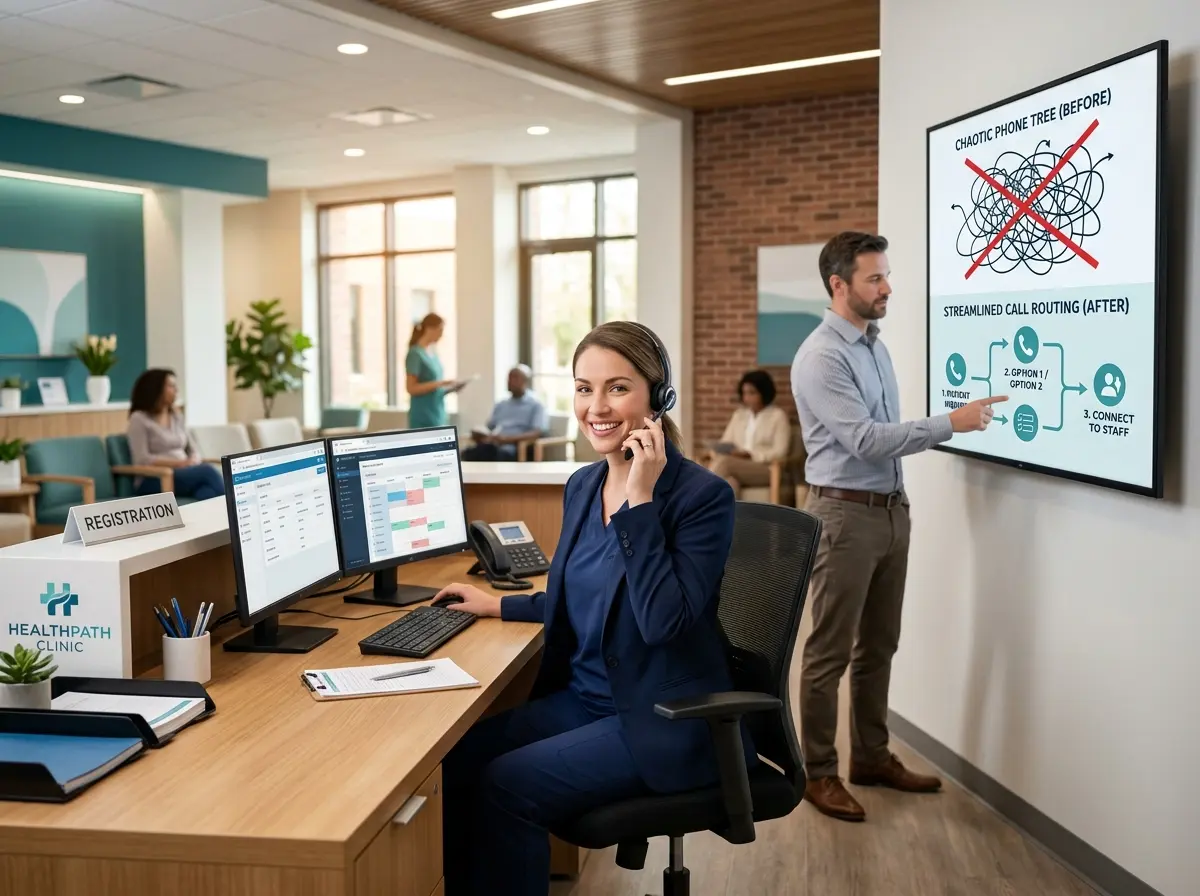
Even the best-trained team has limits. People take breaks, get sick, handle multiple customers at once, and occasionally just don't know the answer. These gaps in service — however brief — are where customer experiences quietly deteriorate. Technology, when implemented thoughtfully, fills those gaps without making the experience feel robotic or impersonal.
Stella, the AI robot employee and phone receptionist, is designed specifically for this role. Her in-store kiosk presence means every customer who walks through the door gets a proactive greeting and access to product information, current promotions, and answers to common questions — without pulling a human employee away from another task. She's also available 24/7 as a phone receptionist, which means the customer journey extends beyond store hours. A potential customer calling at 9 PM to ask about your services doesn't hit a voicemail wall — they get a real, knowledgeable conversation that can convert curiosity into a scheduled appointment or a sale. For businesses that want to capture customer information during those interactions, Stella's built-in CRM and conversational intake forms make it easy to collect, organize, and act on that data without adding administrative burden to your team.
Turning a Good Visit Into a Lasting Relationship
The sale is not the finish line. Repeat this to yourself until it feels natural. The transaction is actually the beginning of the most valuable part of the customer relationship — and most businesses treat it like the end of the story. That's a costly mistake.
The Checkout Experience: Don't Drop the Ball at the One-Yard Line
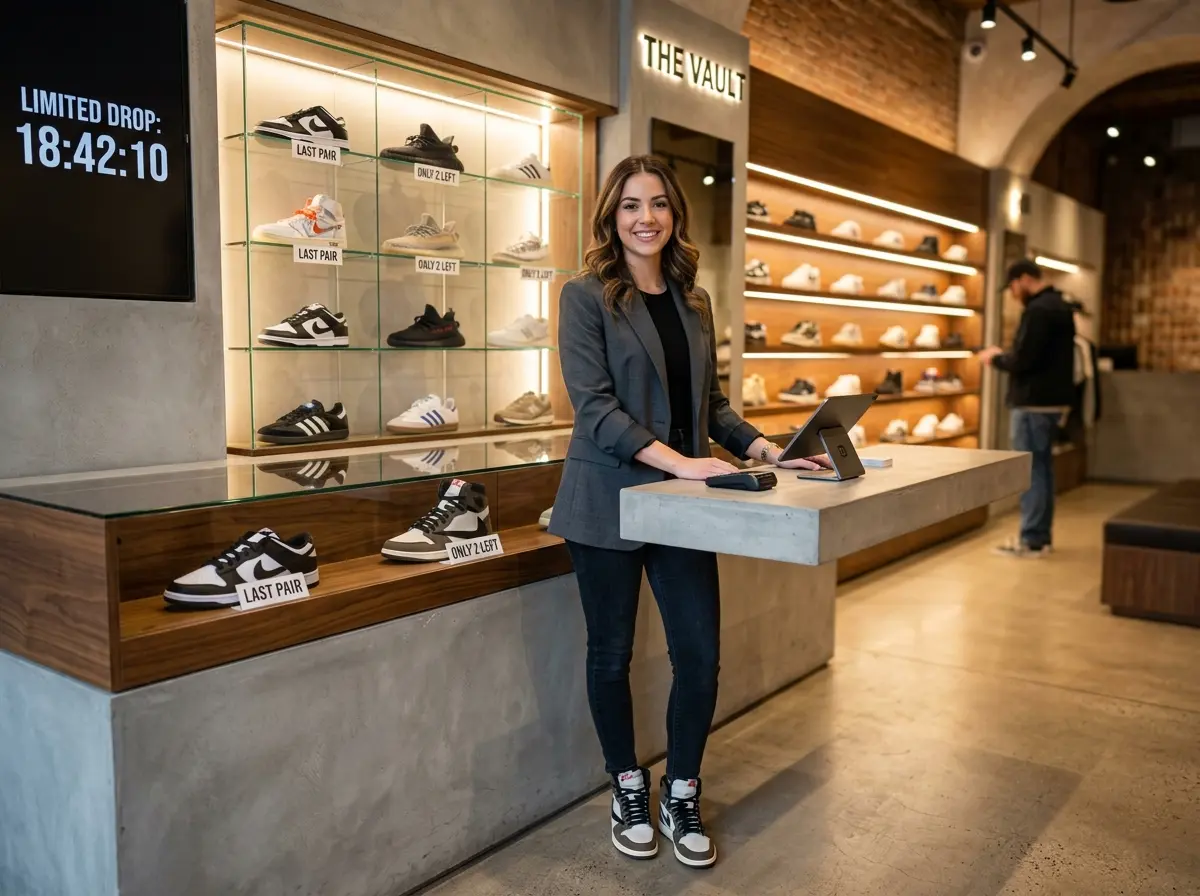
The checkout experience is the last in-person impression you leave. It's also often the most neglected. Long waits, confusing payment processes, rushed cashiers, and no acknowledgment of the customer as a human being are all ways businesses accidentally undermine an otherwise solid experience. A simple "Did you find everything okay?" opens the door to upselling and also signals that you actually care. Train your checkout staff to treat this moment as a mini-conversation, not a transaction to get through.
This is also the ideal moment to mention your loyalty program, upcoming promotions, or an invitation to follow your business on social media. Not in a desperate, pushy way — but naturally, as part of a genuine interaction. The goal is to plant a seed that brings them back.
The Post-Visit Follow-Up: Where Most Businesses Go Silent
After the customer leaves, the journey continues — or it doesn't, depending on whether you make any effort to maintain the relationship. Businesses that follow up effectively after a purchase see significantly higher retention rates. According to Bain & Company, increasing customer retention by just 5% can increase profits by 25% to 95%. That's not a typo. The math on repeat customers is almost always more favorable than the math on acquiring new ones.
Follow-up doesn't have to be elaborate. A thank-you message, a reminder about a complementary product, or an invitation to leave a review can all be automated without feeling impersonal. What matters is that you show up again after the sale, rather than vanishing until the next promotion. Customers remember businesses that remembered them.
Building Loyalty Loops That Sustain Themselves
True loyalty isn't manufactured by a points card. It's earned through consistent, positive experiences that make customers feel like your business genuinely understands them. This means using what you learn from each interaction — what they bought, what they asked about, what they hesitated on — to personalize future engagements. When a customer feels known, they stop shopping around. The investment in understanding your customer journey pays dividends every single time that customer walks back through your door.
Quick Reminder About Stella
Stella is a human-sized AI robot kiosk and phone receptionist built for businesses of all types — from retail shops and salons to medical offices and law firms. She greets in-store customers, answers phone calls around the clock, promotes deals, collects customer information, and never calls in sick. At $99/month with no upfront hardware costs, she's one of the more practical investments a business owner can make in consistent, professional customer engagement.
Your Next Steps: From Map to Action
Building a customer journey map doesn't require a whiteboard the size of a gymnasium or a team of marketing strategists. Start by walking through your own store as if you've never been there before — better yet, ask a friend or trusted customer to do it and give you honest feedback. Identify every moment where a customer might feel confused, ignored, or underwhelmed. Those are your opportunities.
Then get intentional about each stage. Audit your exterior and entrance. Script your welcome interactions. Organize your discovery experience so it guides rather than bewilders. Elevate your checkout from transaction to touchpoint. And build a post-visit follow-up process that keeps the relationship alive between purchases.
The businesses that win long-term aren't necessarily the ones with the lowest prices or the flashiest products. They're the ones that make customers feel like the entire experience was designed with them in mind — because it was. A well-mapped customer journey is how you stop leaving that to chance and start making it happen on purpose, every single time someone walks through your door.