So, You Want to Partner with Grocery Delivery Apps?
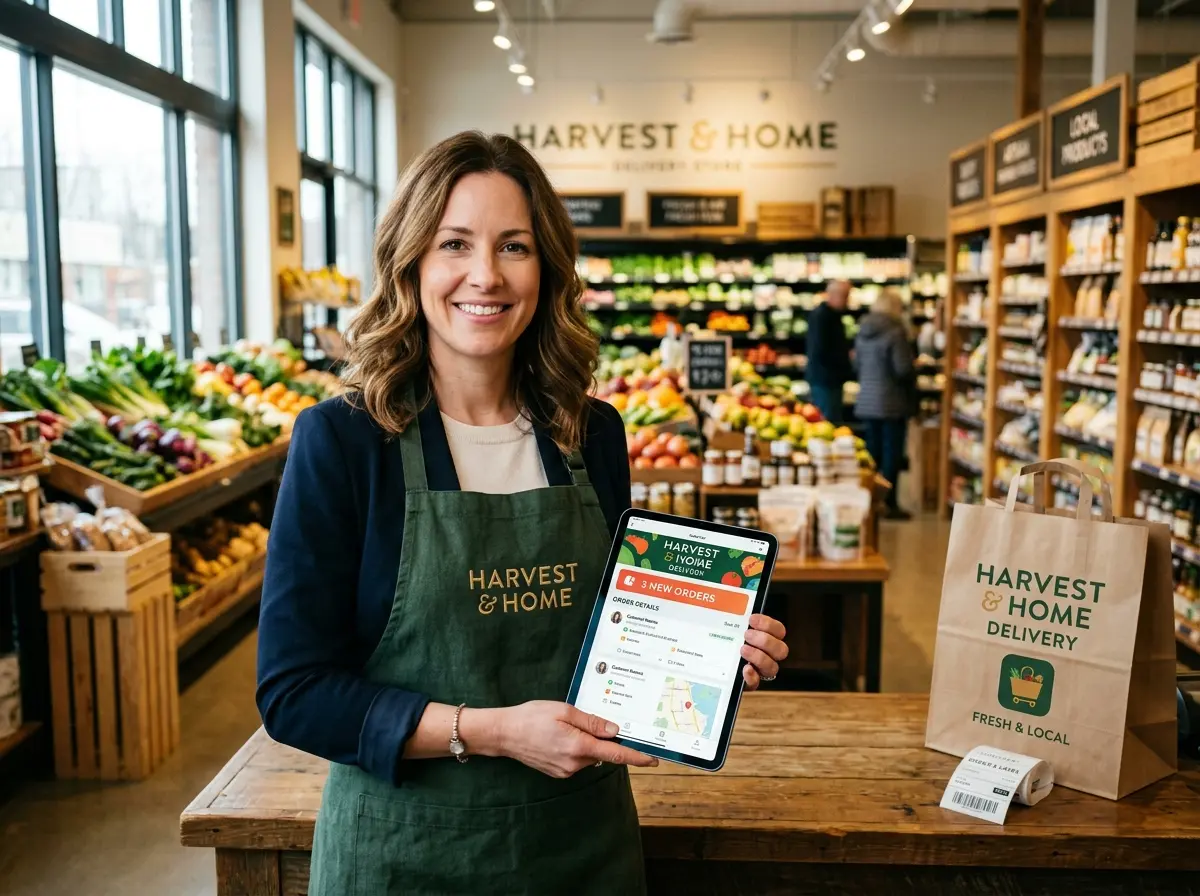
Welcome to the era where customers expect their avocados delivered before they've even finished typing "guac." Grocery delivery apps like Instacart, DoorDash, Uber Eats, and Shipt have fundamentally changed how people shop — and for local grocery stores, that's either a massive opportunity or a logistical headache, depending on how prepared you are. Spoiler: it can be both at the same time.
The numbers don't lie. The online grocery market is projected to reach $243 billion by 2025, and consumers increasingly expect their neighborhood grocery store to be just as accessible as the big-box chains. If your store isn't showing up on delivery apps, you're essentially invisible to an entire segment of shoppers who haven't physically walked a grocery aisle in two years. But here's the thing — jumping into grocery delivery partnerships without a strategy is a great way to lose money while looking busy. This guide is here to make sure that doesn't happen to you.
Choosing the Right Delivery Partner (Or Partners)
Understanding the Major Players
Not all delivery apps are created equal, and the right fit depends heavily on your store's size, location, and customer base. Instacart is the dominant grocery-specific platform, making it a natural first choice for most local grocers — it's purpose-built for the shopping experience and attracts customers who are specifically looking for grocery items. DoorDash and Uber Eats, while primarily known for restaurant delivery, have expanded aggressively into grocery and convenience, giving you access to a broader (if slightly less targeted) audience. Shipt, owned by Target, is worth considering if your product mix overlaps with what their customer base typically seeks.
Each platform has different commission structures, typically ranging from 15% to 30% per order, which can take a serious bite out of already-thin grocery margins. Read the fine print carefully, because "partnering" with a delivery app without understanding the fee structure is basically volunteering to work for them for free.
Evaluating Fees, Terms, and Exclusivity Clauses
Before signing anything, dig into the specifics. Some platforms may offer tiered commission rates based on order volume, while others have flat rates regardless of how much business you bring in. Look out for exclusivity clauses — some agreements may restrict you from simultaneously listing on competing apps, which could significantly limit your reach.
Negotiate where you can. Larger stores have more leverage, but even small grocers can sometimes negotiate better rates by demonstrating consistent order volume potential or by bundling promotional features. It's also worth asking about advertising costs within the app, since organic visibility on these platforms is rarely as strong as the sales pitch suggests.
Listing on Multiple Platforms Strategically
Many successful local grocers list on two or three platforms simultaneously to maximize reach. The key is operational capacity — can your team actually handle a spike in pick orders from multiple apps without your in-store experience suffering? Start with one platform, build your fulfillment process, then expand. Trying to onboard everywhere at once is a reliable recipe for chaos, bad reviews, and staff mutiny.
Setting Up Your Store for Delivery Success
Organizing Your Digital Storefront and Inventory
Your product listings on delivery apps are essentially a digital version of your store, and first impressions matter just as much online. Invest time in writing clear, accurate product descriptions and uploading high-quality photos — yes, even for bananas. Customers can't pick up the product and inspect it, so the more detail you provide, the more confident they feel placing an order. Keep your inventory synced regularly to avoid the cardinal sin of grocery delivery: a customer orders something, gets told it's unavailable, and receives a random substitution they didn't want. That's how you get one-star reviews and zero repeat customers.
Many delivery platforms now offer inventory management integrations with common point-of-sale systems. If yours is compatible, set it up immediately. If not, assign a dedicated team member to manually update your listings at least daily during peak seasons.
Streamlining In-Store Fulfillment Operations
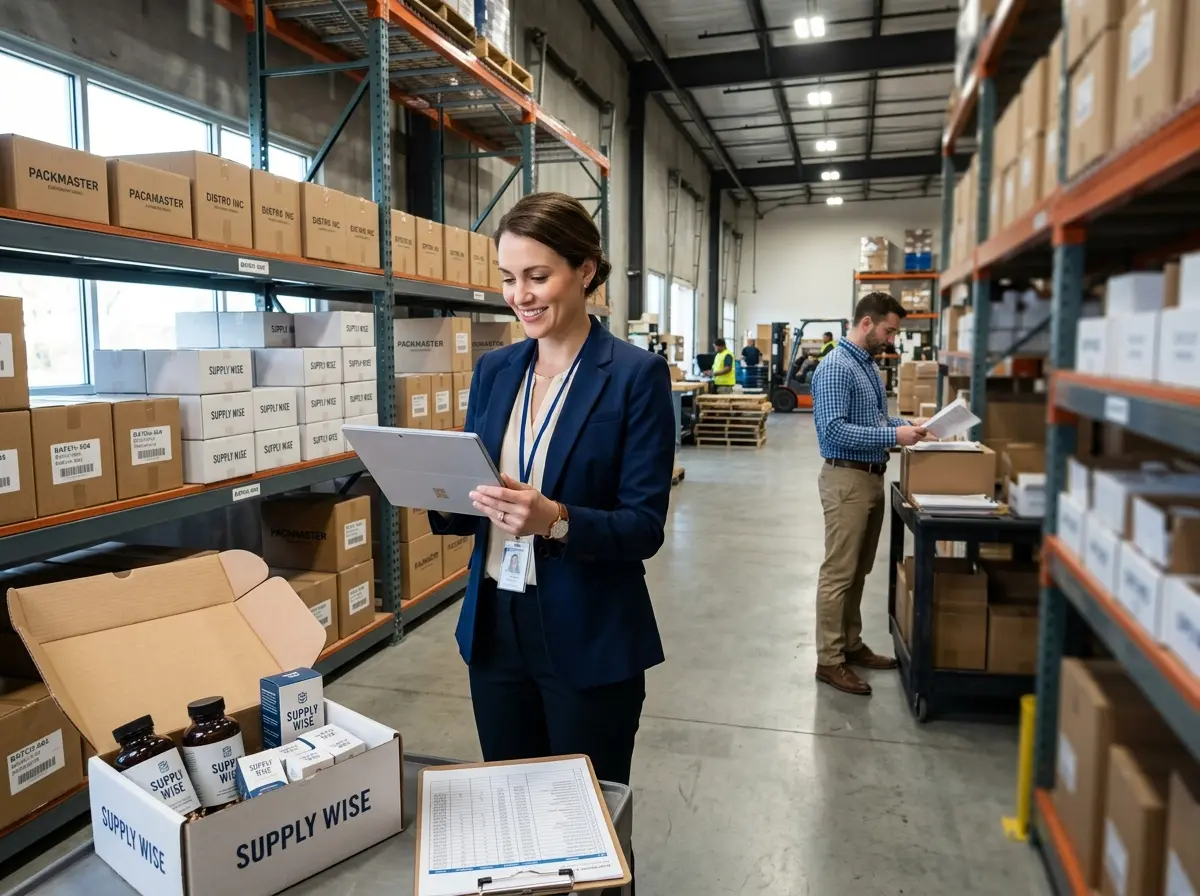
Here's where a lot of local grocers quietly struggle. Picking and packing orders for delivery while simultaneously serving in-store customers creates real operational tension. Consider designating specific staff to handle delivery order fulfillment during peak hours, creating pick routes through the store that minimize time, and establishing a clearly marked staging area where completed orders wait for pickup by delivery drivers. Small operational investments like these dramatically reduce errors, improve pick times, and keep your in-store staff from feeling like they're running two jobs simultaneously — because technically, they are.
How Technology Can Lighten the Load
Running a local grocery store is already a full-contact sport. Add delivery app partnerships into the mix, and suddenly your staff is juggling in-store customers, phone inquiries about order status, and fulfillment operations all at once. This is exactly where smart technology earns its keep.
Stella, the AI robot employee and phone receptionist, can take meaningful pressure off your team by handling the flood of routine customer interactions that tend to spike when you go live on delivery platforms. In-store, Stella's kiosk presence greets customers, answers questions about products, current promotions, and store policies — so your floor staff can stay focused on fulfillment rather than getting pulled into five-minute conversations about where the gluten-free pasta is shelved. On the phone, Stella answers calls 24/7 and can field common questions like delivery availability, store hours, or whether a particular item is in stock — all without putting a customer on hold or sending them to voicemail oblivion. For a store navigating the operational complexity of delivery partnerships, having a reliable, always-on presence that handles the routine stuff isn't a luxury. It's just good operations.
Maximizing Profitability on Delivery Platforms
Pricing Strategy: Don't Subsidize the Platform
One of the most common mistakes local grocers make is listing their delivery prices at the same level as their in-store prices, then watching their margins evaporate after platform commissions. The industry standard practice — and one that most customers have come to accept — is marking up delivery prices by 10% to 20% to offset commission costs. Be transparent about this if asked, and make sure your most profitable items are prominently featured. Use the app's promotional tools to highlight high-margin products, bundled deals, and seasonal specials that drive up average order value. A $47 average order is a very different profitability story than a $23 one, even at the same commission rate.
Leveraging In-App Promotions and Sponsored Listings
Delivery apps aren't just fulfillment channels — they're also advertising platforms, and visibility is the name of the game. Most platforms offer sponsored listing options that place your store at the top of search results or your products at the top of category pages. While this comes at an additional cost, strategically boosting high-margin items or running time-limited promotions through these tools can meaningfully increase order volume. Track the performance of every promotion carefully. If a sponsored campaign isn't converting into profitable orders, cut it. If it is, scale it up. The data is right there — use it.
Building Customer Loyalty Beyond the App
Here's the uncomfortable truth about delivery app partnerships: the customer relationship belongs to the platform, not to you. The app has their data, their email address, and their purchase history. Your store is essentially a vendor within someone else's marketplace. The antidote is to create reasons for customers to engage with your store directly — through your own loyalty program, social media presence, email newsletter, or in-store experience. Delivery apps can be a fantastic customer acquisition tool, but building long-term loyalty requires getting those customers to think of your store first, not the app. Incentivize direct orders through your own website where possible, and make the in-store and delivery experience distinctive enough that your brand, not the platform, is what they remember.
A Quick Reminder About Stella
Stella is an AI robot employee and phone receptionist that helps businesses like yours stay responsive and professional without burning out your staff. She stands in your store greeting customers and answering questions, and she answers your phones 24/7 with the same knowledge she uses in person — all for an affordable $99/month subscription with no upfront hardware costs. For a local grocery managing the added complexity of delivery partnerships, she's the kind of reliable, always-available team member who never calls in sick on a Saturday morning.
Getting Started: Your Action Plan
Partnering with grocery delivery apps is a legitimate growth strategy for local grocers — but only if approached thoughtfully. The stores that thrive on these platforms aren't the ones that signed up and hoped for the best. They're the ones that chose their platforms strategically, built operational systems to support fulfillment, priced their products to protect their margins, and actively worked to build direct customer relationships alongside their app presence.
Here's a simple action plan to get moving:
- Audit your margins before listing anywhere. Know exactly what commission rate you can absorb and still turn a profit.
- Start with one platform — most likely Instacart — and get your operations running smoothly before expanding.
- Invest in your digital storefront. Clean photos, accurate descriptions, and synced inventory are non-negotiable.
- Designate fulfillment staff and workflows so your in-store customer experience doesn't suffer.
- Apply a delivery markup of at least 10-15% to protect your margins against platform commissions.
- Use in-app promotions strategically and track every campaign's performance against actual profitability.
- Build parallel loyalty touchpoints — email, a loyalty program, social media — so the customer relationship doesn't live exclusively on the app's servers.
The grocery delivery wave isn't cresting — it's still building. Local grocers who get their systems right now are the ones who will be positioned to capture that demand profitably, rather than scrambling to catch up later. Your neighborhood matters to your customers. Now make sure your store shows up for them wherever they're shopping — even from their couch.