So You're Still Pricing Your Rooms the Same Way Every Night?
Let's be honest — if you're running an independent hotel and you're still setting a flat nightly rate that doesn't budge whether it's a random Tuesday in February or the weekend of the town's biggest annual festival, you're leaving money on the table. A lot of it. And somewhere, a large branded chain hotel down the street is using sophisticated software to dynamically adjust their rates by the hour while you're busy wondering why your occupancy is either completely empty or inexplicably sold out with no middle ground.
Welcome to the world of revenue management and dynamic pricing — the discipline that separates thriving independent hotels from ones that are perpetually one bad quarter away from a difficult conversation with their accountant. The good news? You don't need a Fortune 500 budget or a PhD in data science to implement these strategies. You just need the right framework, the right tools, and the willingness to stop treating your room rates like they're carved in stone.
This guide breaks it all down into practical, actionable steps built specifically for independent hoteliers who want to compete smarter, maximize revenue, and maybe — just maybe — stop working 80-hour weeks for margins that barely justify it.
Understanding Revenue Management: The Foundation You Can't Skip
Revenue management sounds intimidating, but at its core it's a beautifully simple idea: sell the right room, to the right guest, at the right price, at the right time. The complexity comes in figuring out what "right" means in each of those categories. Let's unpack it properly.
What Is RevPAR and Why Should You Care?
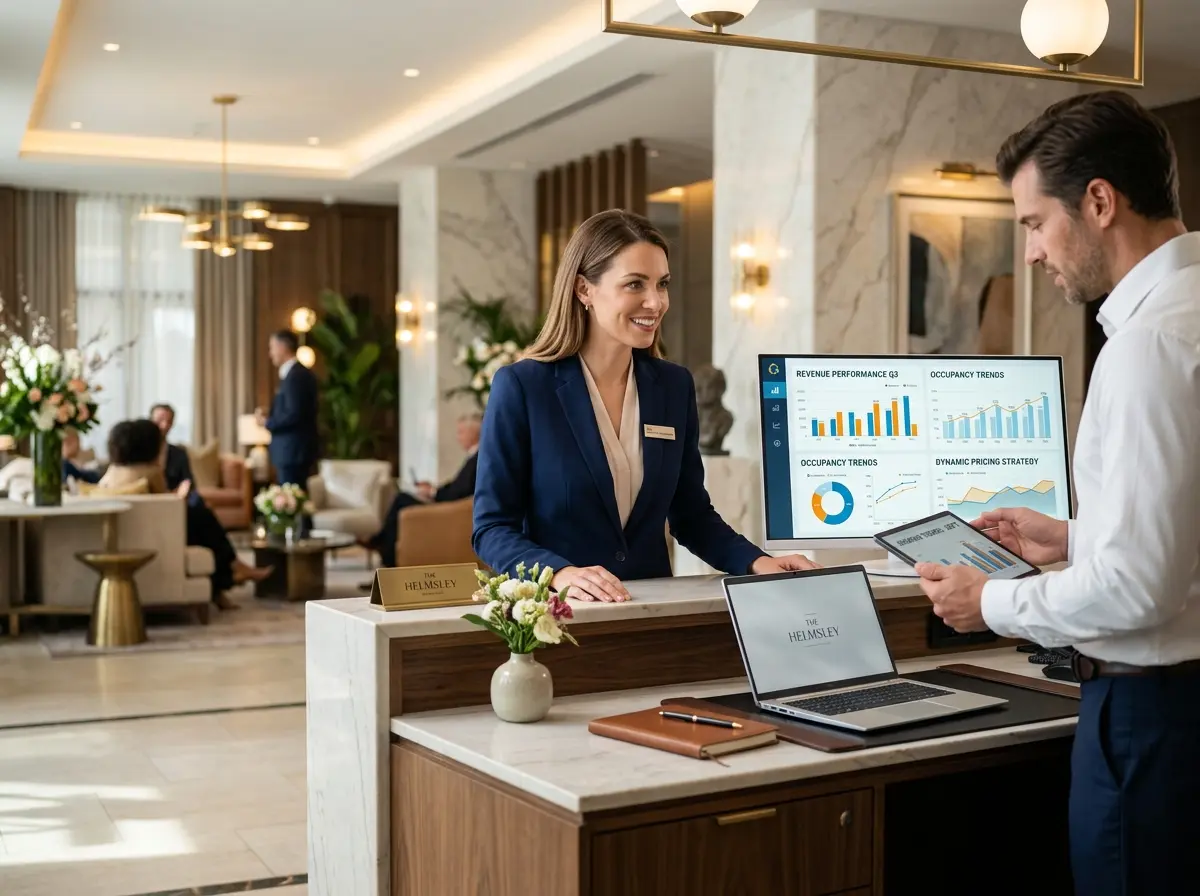
If you're not already tracking RevPAR (Revenue Per Available Room), start today. It's calculated by multiplying your occupancy rate by your average daily rate (ADR), and it gives you a far more complete picture of your property's performance than occupancy alone. A hotel that's 95% occupied at $60 per night is performing significantly worse than one that's 75% occupied at $120 per night. RevPAR captures that distinction. Industry data consistently shows that independent hotels that actively monitor and optimize RevPAR outperform their passive counterparts by 15–25% in annual revenue — and that gap compounds over time.
Track your RevPAR weekly, compare it against your local competitive set (your "comp set"), and use it as your north star metric for pricing decisions. Most property management systems (PMS) will calculate this for you automatically, so there's really no excuse not to have it front and center on your dashboard.
Demand Forecasting: Know Before You Price
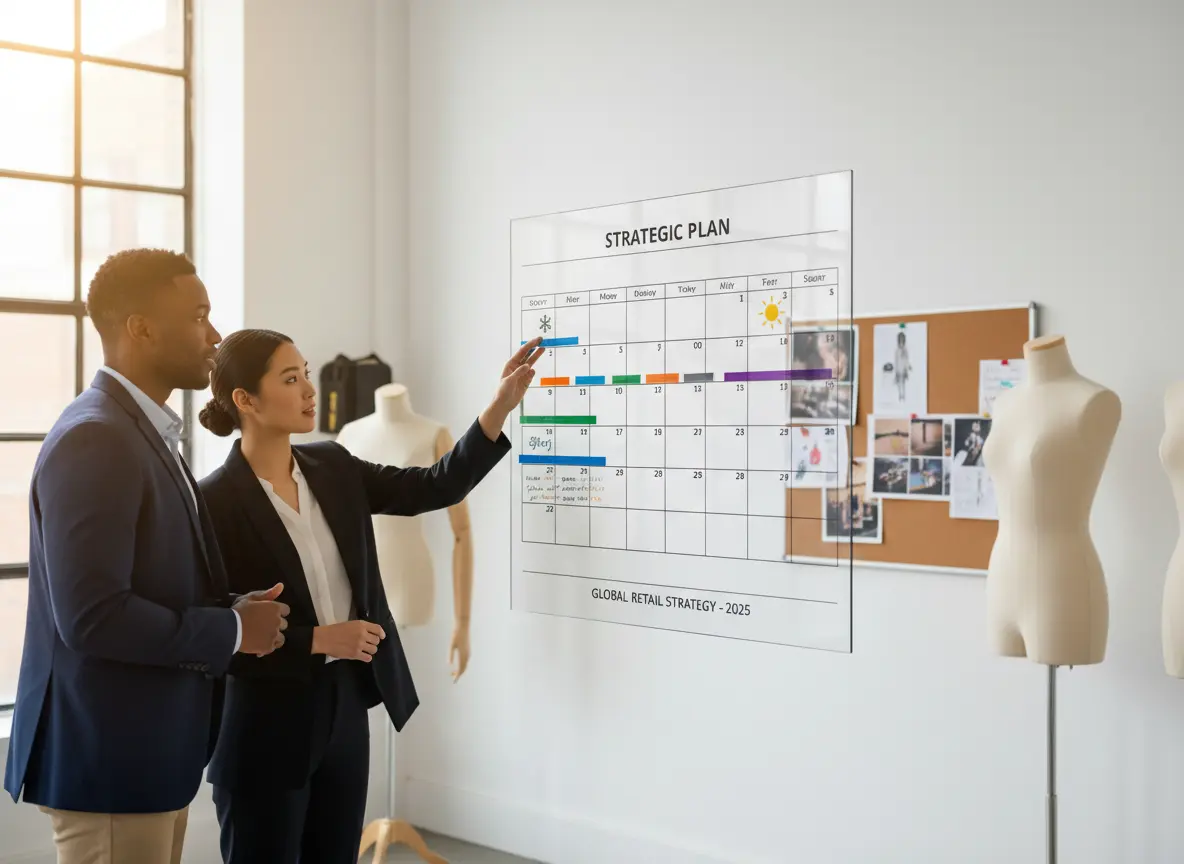
Dynamic pricing without demand forecasting is just guessing with extra steps. Effective revenue management requires you to anticipate demand — not just react to it. Start by building a demand calendar that accounts for local events, holidays, school schedules, seasonal trends, and historical booking patterns at your property. When the regional college has its graduation weekend, you should already have elevated rates locked in months in advance, not the week before when every other hotel in town has already spiked their prices.
Look at your booking window data (how far in advance guests are booking), your historical occupancy by day of week and month, and any external demand signals like concert announcements, sporting events, or conferences in your area. Tools like Google Trends, local event calendars, and your own PMS reports are your best friends here. The more data you feed into your forecasting process, the more confident and accurate your pricing decisions become.
Your Comp Set: Keep Your Friends Close and Your Competitors' Rates Closer
You should be checking competitor rates regularly — ideally daily during high-demand periods. Identify four to six hotels that your guests genuinely consider as alternatives when booking, and monitor their pricing across OTAs (Online Travel Agencies) like Booking.com, Expedia, and Google Hotels. When your comp set starts raising rates, it's often a signal that demand is picking up and you have room to follow. When they're discounting heavily, that's market intelligence you need to factor into your own strategy.
Free tools like OTA Insight's rate shopping features or even manual spot-checks can give you a reasonable picture without a massive budget. As you grow, investing in dedicated rate intelligence software becomes increasingly worthwhile — but even a simple spreadsheet updated a few times a week beats flying blind entirely.
How Technology (Including AI) Can Work for Independent Hotels
Here's a truth that used to sting but is rapidly becoming an opportunity: independent hotels have historically been at a disadvantage when it comes to technology. Large chains have enterprise-level revenue management systems with teams of analysts. You have... yourself, probably, and maybe a part-time front desk person who's also somehow responsible for breakfast and maintenance requests.
Leveling the Playing Field with Smarter Tools
The good news is that the technology landscape has shifted dramatically in favor of small operators. Revenue management software like RoomPriceGenie, Duetto, or PriceLabs now offers independent hotel pricing at accessible price points. These tools automate dynamic pricing adjustments based on the rules and parameters you set, saving you hours of manual rate management every week while ensuring you're never leaving obvious revenue on the table during peak periods.
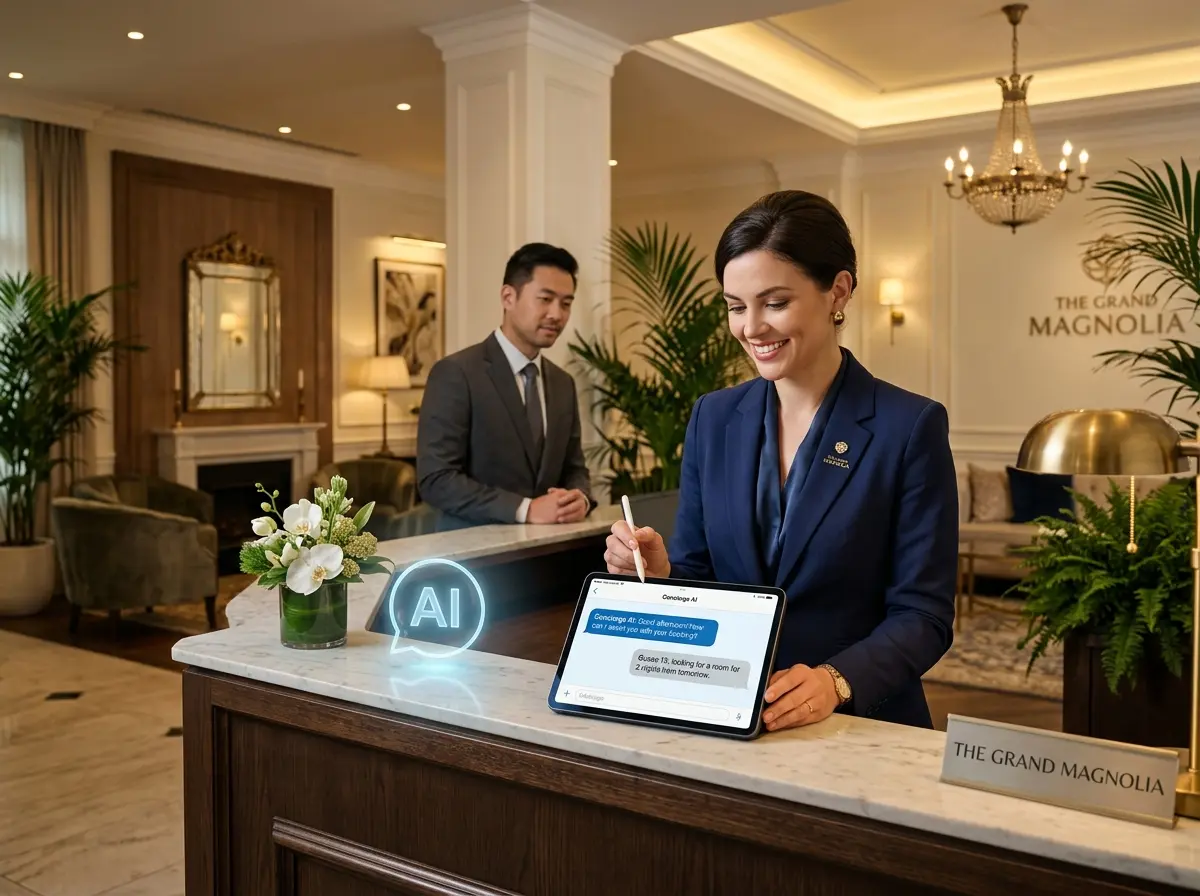
On the guest communication and operations side, AI is also reshaping what's possible for lean teams. Stella, an AI robot employee and phone receptionist, is a great example of how independent operators can punch well above their weight class. Stella answers phone calls 24/7 with full knowledge of your property — rates, policies, availability, amenities, and current promotions — so potential guests get an immediate, professional response whether they're calling at 2pm or 2am. She can also collect guest information through conversational intake, and her built-in CRM tracks contacts, generates AI profiles, and stores notes and custom fields so your team always has context. For an independent hotel where the front desk can't always be staffed around the clock, that kind of consistent, intelligent coverage is genuinely transformative — and it comes in at just $99/month with no upfront hardware costs.
Dynamic Pricing Strategies That Actually Work in Practice
Understanding the theory is great. Implementing it is where independent hoteliers often get stuck. Here are the pricing strategies that deliver real results without requiring a full-time revenue manager on staff.
Length-of-Stay Controls and Minimum Night Requirements
One of the most underutilized levers in independent hotel revenue management is length-of-stay restrictions. During high-demand periods — think holiday weekends or local events — requiring a two or three-night minimum prevents guests from cherry-picking only your most valuable nights, which leaves you with awkward single-night gaps that are hard to fill. Conversely, during softer demand periods, offering discounted rates for longer stays (3+ nights) can significantly improve your overall occupancy and RevPAR simultaneously.
Review your booking patterns and identify where single-night bookings are consistently creating unsellable gaps around them. Then build minimum stay restrictions into your channel manager or PMS for those periods. It takes about 20 minutes to set up and can meaningfully improve your revenue per booking period.
Tiered Pricing and Room Category Strategy
Not all rooms are created equal — and your pricing shouldn't pretend otherwise. If you have rooms with better views, more space, recent renovations, or unique features like a private patio, those should carry a consistent premium over your standard inventory. Create clearly defined room categories with compelling descriptions and photos, and establish a pricing hierarchy that guests perceive as fair and logical.
Then layer dynamic pricing on top of that structure. As demand increases and inventory decreases, your rates across all categories should rise proportionally. When you're sitting at 30% occupancy with 10 days to arrival, a modest discount on standard rooms to stimulate bookings makes sense — but consider keeping your premium categories at or near full rate if they're selling well, since last-minute premium shoppers often have higher budgets and lower price sensitivity.
Direct Booking Incentives: Stop Paying OTA Commission on Every Reservation
OTAs are a necessary distribution channel, but at 15–25% commission per booking, they're an expensive one. A robust direct booking strategy — your hotel website with a best-rate guarantee, email marketing to past guests, and loyalty perks for repeat direct bookers — is one of the highest-ROI investments an independent hotel can make. Studies show that the cost of acquiring a direct booking is typically 5–7 times lower than an OTA booking, and direct guests tend to spend more on ancillary services and return at higher rates.
Offer something compelling for direct bookers: complimentary early check-in when available, a welcome amenity, free parking, or a modest room upgrade. You don't need a formal loyalty program — just a reason for guests to feel rewarded for cutting out the middleman. Communicate this clearly on your website, in your email signatures, and at every guest touchpoint.
Quick Reminder About Stella
Stella is an AI robot employee and phone receptionist that helps independent hotels handle guest calls and inquiries 24/7 — promoting current offers, answering questions about rooms and policies, collecting guest information, and keeping your CRM organized without adding to your staffing overhead. She's available for just $99/month with no upfront costs and is genuinely easy to set up, making her one of the more sensible tools for independent operators who need more capacity without more complexity.
Your Next Steps: From Theory to Revenue
Revenue management isn't a project you complete — it's a discipline you build into your operations over time. The hotels that master it don't do anything magical; they just make consistently better-informed decisions more frequently than their competitors. Here's a practical roadmap to get started:
- This week: Set up your RevPAR tracking in your PMS and identify your comp set. Spend 30 minutes checking their rates across two or three OTAs and note how they compare to yours.
- This month: Build a 12-month demand calendar with local events, holidays, and historical occupancy patterns. Use it to set preliminary rate strategies for your next 90 days.
- This quarter: Evaluate and implement a revenue management or rate intelligence tool appropriate for your property size and budget. Review your direct booking incentives and make sure they're clearly communicated everywhere guests interact with your brand.
- Ongoing: Review your pricing weekly, monitor your comp set regularly, and adjust based on real booking pace data — not gut feel.
The independent hotel space is competitive, but it's also full of operators who are still pricing intuitively and leaving significant revenue uncaptured as a result. By building even a basic revenue management practice, you move into a smaller, smarter group of hoteliers who treat pricing as a strategic asset rather than an afterthought.
Your rooms are perishable inventory. An empty room tonight is revenue that's gone forever. Price accordingly — and start now.