So You're Thinking About Starting a Membership Program
Congratulations — you've officially entered the phase of business ownership where you stay up at night wondering if a membership model could transform your craft beer store into a thriving, recurring-revenue machine. Or maybe you just saw what your local gym does with memberships and thought, "Hey, if people will pay monthly to feel guilty about not working out, surely they'll pay monthly to drink better beer." Fair point, honestly.
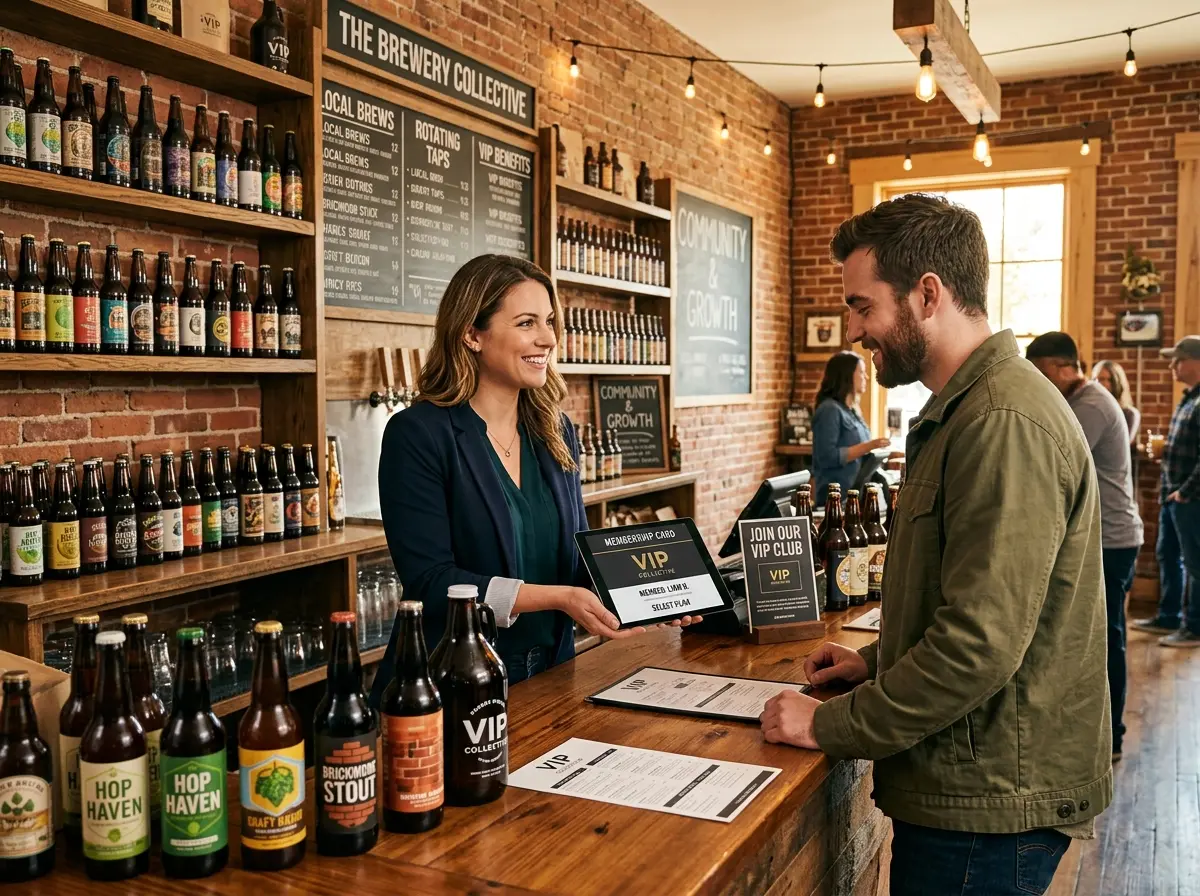
The membership model has become something of a holy grail for independent retailers. Done right, it creates predictable income, builds a loyal community, and turns casual customers into passionate brand advocates. Done wrong, it creates a logistical headache and a spreadsheet you'll actively avoid opening. The craft beer world, with its culture of discovery, seasonality, and enthusiast community, is actually one of the better fits for a membership model — but only if you go in with a clear strategy.
Understanding the Membership Model Landscape
Why Recurring Revenue Is the Dream
If you've ever had a slow Tuesday in February and stared at your POS system willing it to ring, you already understand the appeal. Recurring revenue means that a portion of your monthly income arrives whether or not someone decides to brave the cold for a six-pack. According to industry research, businesses with subscription or membership components see up to 2x higher customer lifetime value compared to purely transactional models. For a craft beer store, that's the difference between surviving seasonal lulls and actually planning around them.
Beyond the cash flow stability, members tend to spend more per visit than non-members. They're invested. They feel like insiders. And insiders, as any craft beer enthusiast will tell you, absolutely cannot resist telling their friends about their insider status. That word-of-mouth marketing is essentially free, and it's the kind that money genuinely cannot buy.
Common Membership Structures for Craft Beer Stores
- Beer Club / Monthly Allocation Model: Members pay a flat monthly fee and receive a curated selection of craft beers — often limited releases or exclusives they can't get off the shelf. This is the most popular structure and works beautifully for stores with strong buying relationships with breweries.
- Discount Membership: Members pay an annual or monthly fee in exchange for a standing discount (say, 10–15% off all purchases). Simple to manage, easy to communicate, and very appealing to high-volume buyers.
- Tiered VIP Access: Multiple membership levels at different price points, each unlocking progressively better perks — early access to new arrivals, private tastings, exclusive merchandise, or dedicated staff consultation.
- Hybrid Models: A combination of the above. For example, a monthly fee that includes a beer allocation plus a standing discount on top of that.
What Members Actually Want (Hint: It's Not Just Beer)
Here's the thing people often miss when designing membership programs: your members aren't just buying beer. They're buying access, identity, and community. They want to feel like they're in the know. They want to be the person who introduces their friends to a rare double IPA from a tiny Vermont brewery that nobody's heard of yet. The beer is the vehicle; the feeling of belonging is the destination.
Where Technology Can Give You a Serious Edge
Automating the Welcome, Retention, and Upsell Experience
This is exactly where tools like Stella, the AI robot employee and phone receptionist, can take real work off your plate. Stella's in-store kiosk presence means she can greet every customer who walks through your door, proactively mention your membership program, explain the benefits conversationally, and even help collect sign-up information on the spot — no awkward upsell moment required from your staff. Meanwhile, her 24/7 phone answering capability means that when someone calls after hours wondering how your membership program works, they actually get a helpful, knowledgeable answer instead of a voicemail. Stella's built-in CRM and conversational intake forms also make it easy to capture member preferences, track interactions, and keep your contact records organized without adding another software subscription to your stack.
Building a Program That Actually Retains Members
Pricing It Right Without Leaving Money on the Table
Pricing a membership program is part art, part math, and part gut instinct developed from years of watching customers squint at price tags. The general rule of thumb: your membership fee should feel like a deal to the customer while still making economic sense for your store. If you're offering a monthly beer allocation, calculate your cost of goods, add fulfillment and operational overhead, then price at a point that delivers genuine perceived value — typically 15–25% above what members would pay retail for the same selection.
Reducing Churn Before It Starts
- Send a personalized "what's in your box this month" note that explains the story behind each selection. Customers who understand what they're drinking stick around longer.
- Create milestone moments — celebrate member anniversaries, send a small bonus item at the six-month mark, or offer a "member since" badge for your regulars.
- Collect preference data at sign-up and actually use it. Nothing accelerates cancellation like receiving three IPAs in a row when someone told you they prefer sours.
- Make pausing easy. Life happens. A member who can pause for a month without canceling is infinitely more valuable than one forced to cancel because there was no middle option.
Marketing Your Membership to the Right Audience
A Quick Reminder About Stella
Stella is an AI robot employee and phone receptionist designed to help businesses like yours deliver a professional, engaging customer experience without the overhead. She stands in your store greeting and informing customers, and answers your phones 24/7 with the same knowledge she uses in person — all for just $99/month with no upfront hardware costs. For a craft beer store launching a membership program, she's the kind of tireless, personable presence that makes every interaction count.
Is the Membership Model Right for Your Store? Here's How to Decide
- Survey your regulars. Ask your best customers directly whether they'd be interested in a membership program and what benefits would matter most to them. This costs nothing and gives you real data instead of assumptions.
- Choose one model to start. Don't try to launch a complex tiered system on day one. Pick the simplest structure that delivers real value, execute it well, and layer on complexity once you have operational confidence.
- Set a minimum viable launch size. Decide how many founding members you need to make the program economically viable, and don't announce publicly until you've pre-sold to that number. Founding members who get in early love the exclusivity, and it de-risks your launch.
- Build your tech stack before you go live. CRM, payment processing, communication tools, and customer intake processes should all be in place before you sign up your first member — not figured out after.
- Measure, adjust, and celebrate wins. Track your churn rate, average member lifetime, and referral conversion from month one. Set a 90-day review to assess what's working and what needs adjustment. Then pour yourself one of the good ones, because you've earned it.