Introduction: The Art of the Well-Timed "Would You Like Fries With That?"
Let's be honest — you didn't open a nail salon just to apply a base coat and send clients on their way. You have an entire menu of add-on services that could genuinely improve your clients' experience, boost your revenue, and keep your chairs full of happy, loyal customers. The problem? Most nail salons leave serious money sitting on the table because their upselling strategy amounts to a laminated menu propped against the polish rack and a vague hope that someone will notice.
Upselling add-on services isn't pushy. It isn't sleazy. Done right, it's actually a service to your clients — because they came in to feel good, and half of them don't even know you offer a paraffin wax treatment that would change their life. The other half know, but nobody asked them about it at the right moment. Timing, context, and delivery are everything. A perfectly timed suggestion feels helpful. The same suggestion offered at the wrong moment feels like a telemarketer called during dinner.
In this guide, we'll break down when to offer add-ons, how to do it naturally, and how to build a system that makes upselling feel effortless — for both your staff and your clients.
Knowing Your Add-Ons and Who They're For
Map Your Services to Client Moments
Before you can upsell effectively, you need to think strategically about which add-ons pair naturally with which services — and at what stage of the appointment. A gel manicure client is a natural candidate for a cuticle treatment. Someone coming in for a pedicure is basically raising her hand for a callus removal or a hot stone massage add-on. A nail art client who's already investing in a creative set? She might love a nail strengthening treatment to protect her investment.
Think of your add-ons in three tiers: entry-level enhancements (things like nail art accents, cuticle oil treatments, or quick-dry drops that are low-cost and easy to say yes to), mid-tier upgrades (paraffin wax, extended massage time, or gel top coats), and premium experiences (full spa pedicure upgrades, nail strengthening systems, or luxury polish brands). When you map these to specific services and client types, your team stops guessing and starts recommending with confidence.
Train Your Team to Speak the Language of Benefits, Not Features
There's a meaningful difference between saying "Would you like to add a paraffin wax treatment?" and "Your hands are going to feel incredibly soft after a paraffin treatment — it takes about ten extra minutes and it's only $15. A lot of our regular clients do it every visit." One is a question. The other is an experience. Train your technicians to lead with the feeling — the softness, the relaxation, the longevity — rather than reciting a menu item.
Role-playing upsell conversations during team training sessions might feel awkward, but it works. When your technicians have practiced the phrasing a dozen times, it comes out naturally during appointments instead of sounding rehearsed or hesitant. Confidence is contagious, and a confident recommendation is far more likely to land than an uncertain one.
Timing Is Everything — And a Little Automation Doesn't Hurt
Let Technology Handle the First Touch
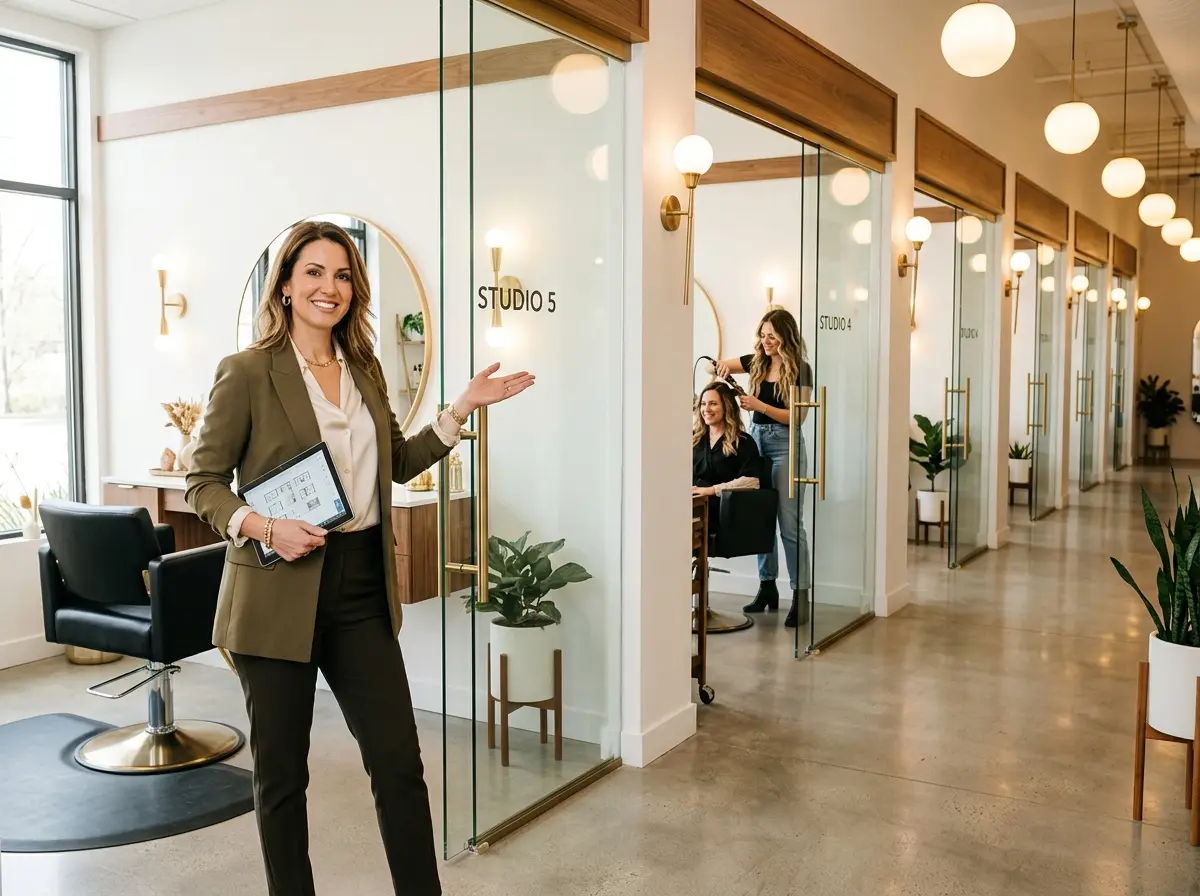
Here's a thought: what if your upselling started before the client even sat down in the chair? Stella, the AI robot receptionist and in-store kiosk, can greet clients the moment they walk through the door and naturally introduce current promotions, seasonal add-ons, or popular service upgrades — all before a technician says a word. She's also available 24/7 to answer phone calls, which means when someone calls to book a standard manicure, Stella can mention that a gel upgrade is currently on special, or that the salon is running a spring pedicure package. That's a warm, low-pressure introduction to an upsell that happens before the appointment even begins. No staff interruption required, no awkward pitch during a busy front-desk moment.
The Three Best Moments to Recommend an Add-On
Moment One: During the Consultation
The consultation — those first sixty seconds when your technician is reviewing the client's nails, asking about their preferences, and setting expectations — is prime upselling real estate. It's natural, it's conversational, and the client is already in decision-making mode. A technician can glance at the client's nails and say, "I can see your cuticles are a little dry — we have a cuticle conditioning treatment that works really well with gel polish, would you like to add that on?" That's not upselling. That's expert advice from someone who actually looked.
The key here is observation and personalization. Generic pitches fall flat. Specific, observational recommendations feel like care. Train your team to actually assess each client's needs during the consultation rather than jumping straight into prep work, and you'll find that add-ons sell themselves.
Moment Two: Mid-Service, When the Client Is Relaxed
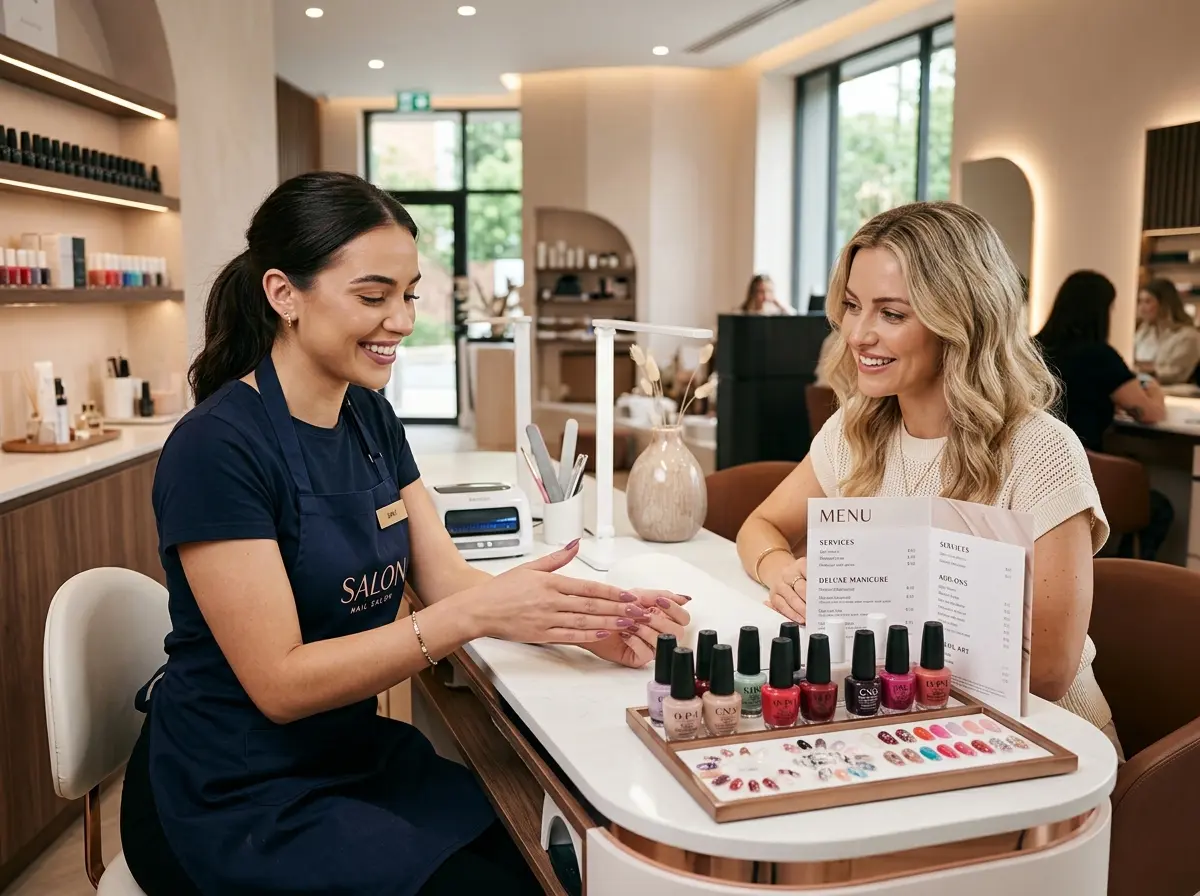
There's a golden window about halfway through a service when the client is comfortable, chatty, and mentally settled into their appointment. This is the moment when a technician can casually mention, "We have about fifteen minutes left — if you wanted to add on the hot stone massage, now would be a great time. A lot of clients say it's their favorite part." Low pressure, perfectly timed, and framed around the client's experience rather than the salon's revenue. This approach works particularly well for pedicure clients, who are already in full relaxation mode and often happy to extend the experience if asked at the right time.
Moment Three: At Checkout — But Do It Gently
Checkout is the trickiest upsell moment because the client has mentally moved on to whatever she's doing after the salon. Heavy-handed pitches at the register feel like an ambush. But a light touch works well here — particularly for future appointments rather than the current one. "Next time you come in, you might want to try the gel strengthening system — it would really help with the breakage on your ring finger" is not only a soft upsell, it's a reason for the client to come back. Pair this with a loyalty card or a promotional discount for booking their next appointment that day, and you've turned a checkout moment into a retention strategy.
Quick Reminder About Stella
Stella is an AI robot employee and phone receptionist that works at the front of your salon and answers your phones around the clock — greeting walk-ins, promoting your current specials, and handling calls so your staff can stay focused on clients. At just $99/month with no upfront hardware costs, she's the kind of team member who never calls in sick and always remembers to mention today's promotion.
Building a Sustainable Upselling Culture in Your Salon
Incentivize Your Team Without Creating Pressure
If you want your technicians to upsell consistently, give them a reason to do it that doesn't feel like a quota. Commission-based incentives on add-on services are a straightforward motivator, but they can backfire if technicians start pushing services clients clearly don't want. A better approach is to track add-on attachment rates per technician and celebrate the wins publicly — a weekly shoutout, a small bonus, or even just recognition in a team meeting. When upselling becomes part of the culture rather than a performance metric, it feels different to both staff and clients.
It also helps to keep your add-on menu visible and easy for technicians to reference. A simple laminated card at each station listing the current add-ons, their benefits, and their prices means technicians don't have to memorize everything or fumble through a pitch. Make it easy, and it gets done.
Track What Works and Adjust
Upselling without tracking is just guessing with extra steps. Pay attention to which add-ons are selling, at what times, with which technicians, and after which services. If your callus removal add-on is flying off the shelves during pedicure season but barely moving in January, that's useful information — both for inventory planning and for knowing when to push it harder. If one technician has a dramatically higher attachment rate on gel upgrades, find out what she's saying and share it with the team.
According to industry data, salons that actively train staff on upselling and track add-on performance can increase their average ticket value by 20–30%. That's not a rounding error. That's the difference between a slow Tuesday and a genuinely profitable one.
Conclusion: Start Small, Be Consistent, and Watch the Numbers Move
You don't need to overhaul your entire business to start upselling more effectively. Start with one or two well-mapped add-ons, train your team on the consultation moment, and make sure someone — human or otherwise — is introducing promotions before clients even sit down. Consistency compounds. A $15 add-on sold to 30% of your daily clients adds up faster than most salon owners realize.
Here's your action plan:
- Audit your current add-on menu and map each service to a natural pairing and a timing moment.
- Train your team on benefit-forward language and practice it before you expect them to use it on clients.
- Identify your three upsell windows — consultation, mid-service, and checkout — and assign a specific tactic to each.
- Track your results weekly and adjust based on what's working.
- Consider how technology like an in-store kiosk or AI phone receptionist can introduce add-ons before your staff even has to.
Your clients want a great experience. Your add-ons help deliver that. All it takes is asking at the right moment — and building a system that makes sure someone always does.