So You're a Personal Trainer — Not a Data Analyst. Now What?
You got into personal training because you love helping people transform their lives — not because you dreamed of managing spreadsheets, chasing down lapsed clients, or awkwardly asking for referrals while someone is mid-squat. And yet, here you are: a fitness professional who also has to be a marketer, salesperson, scheduler, and customer relationship manager. Welcome to the club nobody signed up for.
Here's the thing: most personal trainers lose clients not because of bad programming or lackluster motivation speeches — they lose clients because of poor follow-up. A missed birthday message. A forgotten check-in. A referral opportunity that slipped through the cracks because you were too busy spotting someone's bench press to notice. The good news? A Customer Relationship Management (CRM) system can fix most of this, and it doesn't require a business degree or a 40-hour workweek to manage.
According to HubSpot, businesses that use CRM systems see an average 29% increase in sales and a 34% boost in productivity. For personal trainers, that could mean the difference between a fully booked schedule and frantically refreshing your booking app at 7 AM wondering where Tuesday went.
Let's break down exactly how to use a CRM to keep your clients coming back — and to turn them into a referral machine you barely have to operate.
Building the Foundation: How to Set Up a CRM That Actually Works for Your Training Business
Start With the Right Data Fields
A CRM is only as useful as the data inside it. For personal trainers, that means going beyond "name" and "email." Your client profiles should paint a full picture of who that person is, where they started, what they care about, and what keeps them coming back. Think about capturing fields like: fitness goals, current fitness level, injury history, preferred training times, dietary preferences, motivation style, and even personal milestones like birthdays or upcoming events they're training for (a wedding, a 5K, a high school reunion where they want to absolutely stun everyone).
Custom tags are your best friend here. Tag clients by goal type — weight loss, muscle gain, athletic performance, post-rehab — so you can quickly segment your list when you want to send a targeted check-in message or promote a relevant service package. Most modern CRMs allow you to add notes after every session, which is gold when you're managing 20+ clients and trying to remember that Sarah has a knee issue and hates burpees with every fiber of her being.
Use Intake Forms to Automate the Onboarding Process
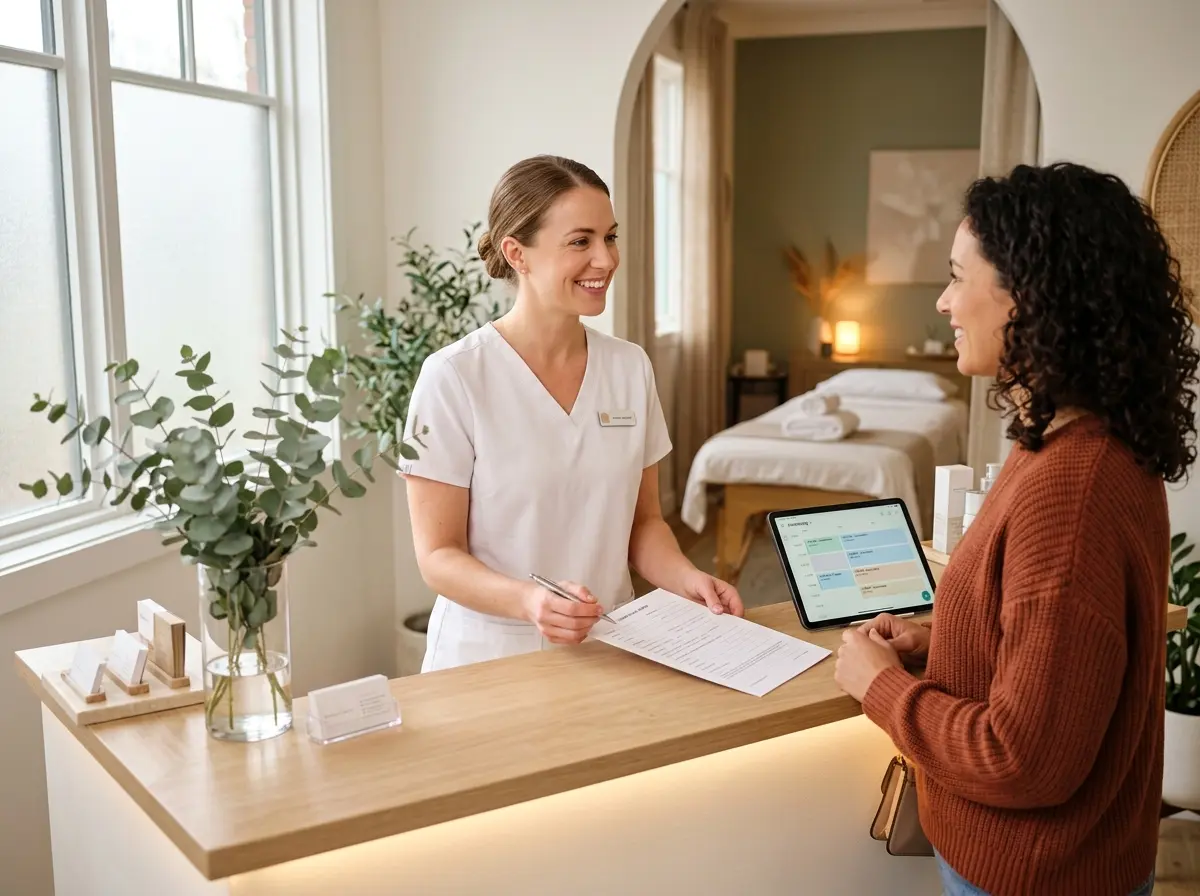
First impressions matter — and so does the first form someone fills out. A well-designed intake form does double duty: it collects the data you need while also signaling to the client that you run a professional, organized operation. Ask the right questions upfront: health history, goals, schedule preferences, how they heard about you (referral tracking, anyone?), and what they've tried before that hasn't worked. Feed all of that directly into your CRM so you're not manually entering data at 11 PM after your last session.
Automating intake also gives you a consistent baseline for every new client, which makes it easier to personalize communications down the road. When you follow up a month in and reference something specific from their onboarding form — "Hey, you mentioned you wanted to be ready for that hiking trip in June — let's talk about what's next" — clients feel seen, and that feeling is what builds loyalty.
Set Up Automated Touchpoints Without Losing the Human Touch
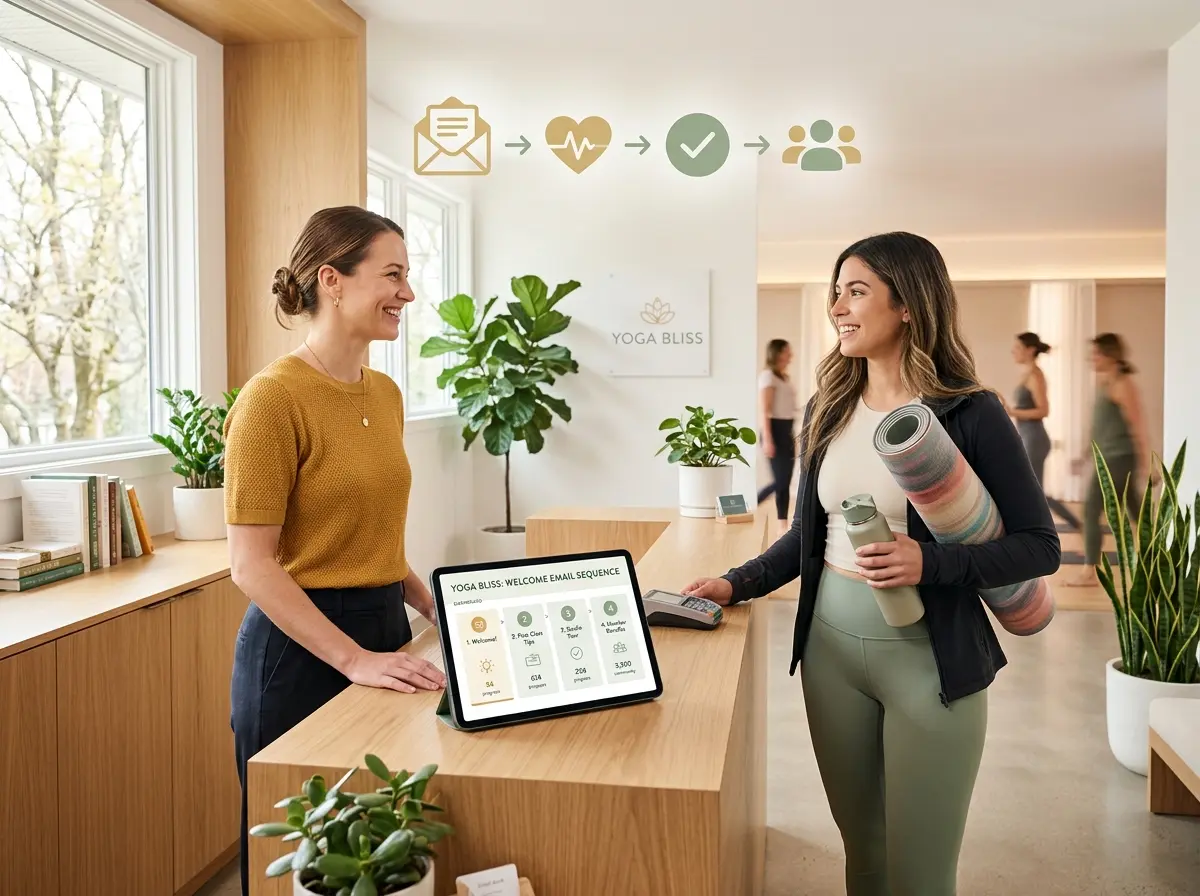
Automation gets a bad reputation because people do it badly. Nobody wants a robotic "Hey [FIRST NAME], don't forget your session!" message that clearly came from a workflow, not a human. But smart automation — triggered by real client milestones — can feel surprisingly personal. Set up automations for: session anniversaries, goal milestones reached, birthday messages, re-engagement nudges for clients who've gone quiet, and post-session feedback requests. Keep the tone warm and conversational, and personalize with at least one specific detail from their profile. Done right, clients won't know (or care) that a system helped you remember to reach out.
Turning Your CRM Into a Referral Engine
Identify Your Best Advocates and Treat Them Like VIPs
Not every client is equally likely to refer someone. Your CRM can help you identify the ones who are your natural evangelists — the clients who post about their workouts, tag you on social media, or mention that they've told a friend about you. Tag these people. Note them. And then treat them accordingly. Offer them a referral incentive that's actually appealing — a free session, a discount on a package, or early access to a new program. Make them feel like insiders, because they are. Studies show that referred clients have a 37% higher retention rate than non-referred ones, which means your referral program isn't just a growth strategy — it's also a retention strategy.
Build a Simple, Trackable Referral Process
The biggest mistake trainers make with referrals is keeping it completely informal — a casual "hey, tell your friends!" that produces no results and no data. Instead, build a lightweight referral workflow into your CRM. When a new client signs up, always ask how they heard about you and log the source. When someone refers a friend, note it in both client profiles and make sure the referrer gets recognized. You can even build a referral leaderboard if you want to gamify it (some clients will love this). The point is to make referrals visible in your system so you can measure what's working, follow up consistently, and reward the right people.
Let Technology Handle the Grunt Work
How Stella Fits Into a Trainer's Tech Stack
Here's where it gets fun. Managing client relationships is a full-time job on its own — and if you're a solo trainer or running a small gym, you probably don't have a dedicated receptionist fielding calls, collecting intake info, and managing first impressions while you're on the floor. That's where Stella comes in. Stella is an AI robot employee and phone receptionist that handles front-of-house tasks with the professionalism of a full-time hire and the reliability of, well, a robot.
For gyms and training studios with a physical location, Stella greets walk-ins, answers questions about your services and pricing, and promotes your current packages — without you having to stop mid-session to play tour guide. For calls coming in after hours (because potential clients absolutely will call at 9 PM), she answers the phone, collects lead information through conversational intake forms, and logs everything directly into her built-in CRM — complete with AI-generated contact profiles and custom tags. That means your follow-up workflow starts before you even know someone called. It's the kind of tool that quietly makes your business look bigger and more buttoned-up than your current headcount might suggest.
Retention Strategies That Go Beyond "Just Show Up"
Create Milestone-Based Check-Ins That Feel Meaningful
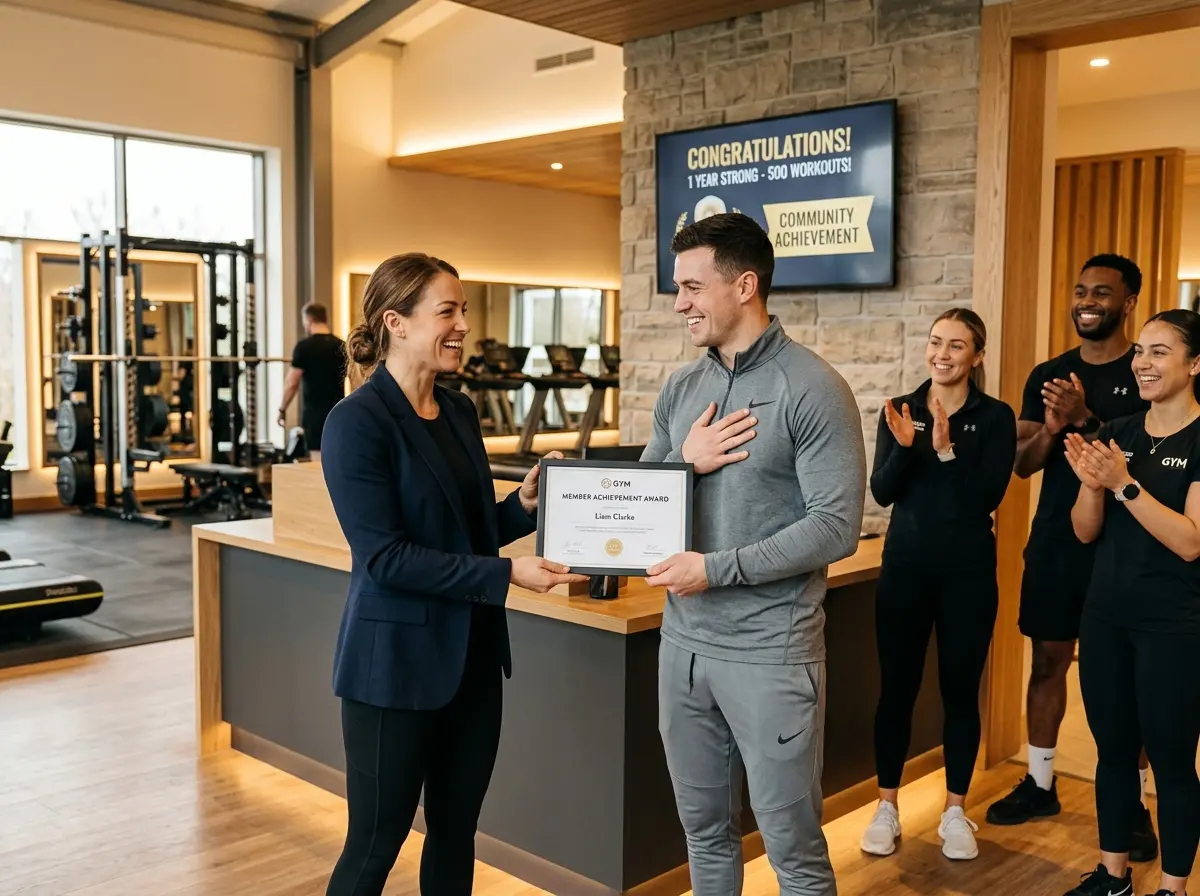
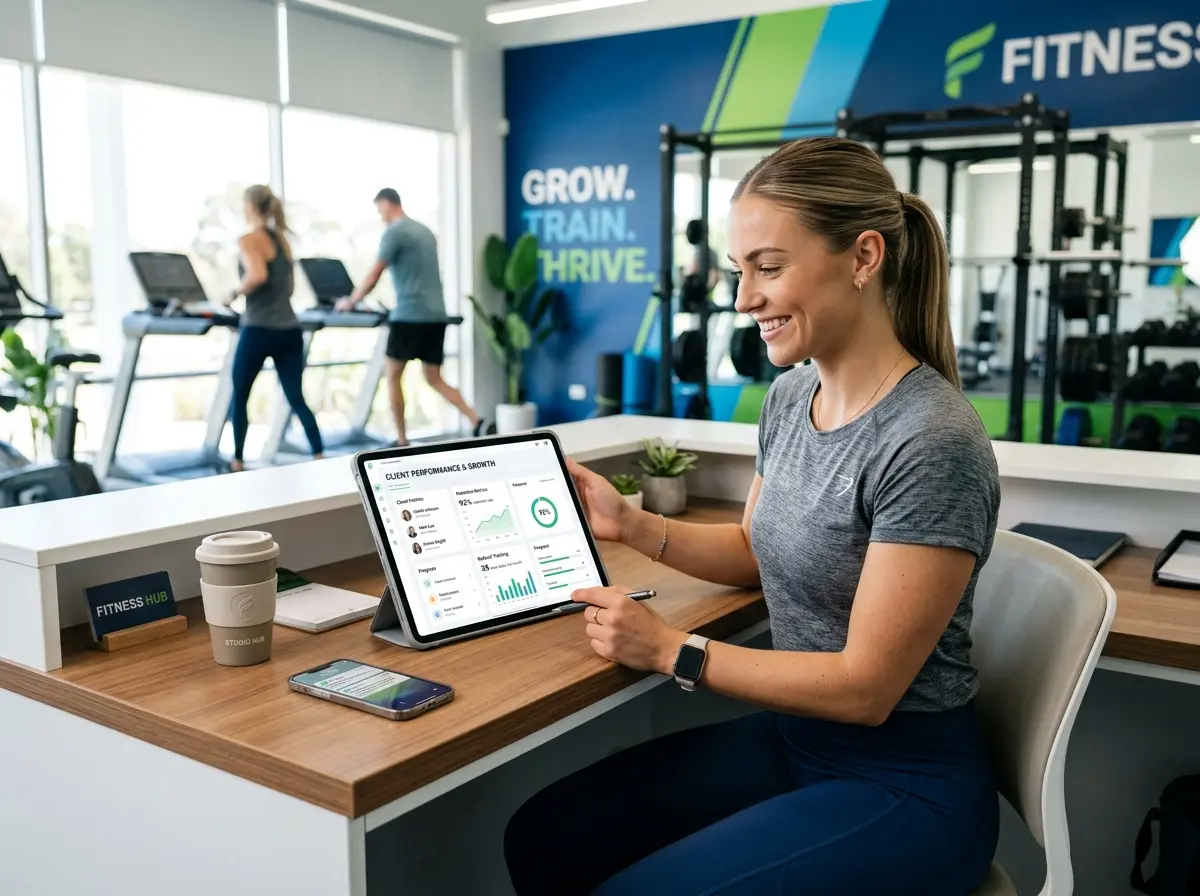
Client retention in personal training is deeply tied to perceived progress. When clients feel like they're moving forward — even when the scale isn't cooperating — they stay. Your CRM should be your progress-tracking command center. Log starting metrics during onboarding, schedule regular reassessment reminders, and document milestones as they happen. Then communicate them back to the client. A message that says "Six months ago you couldn't do a single pull-up — today you knocked out 10. Let's talk about what's next" is worth more than any promotional email you'll ever send. It reminds clients why they're there, and it makes you look like the attentive, detail-oriented trainer they're happy to pay for.
Use Segmentation to Prevent Churn Before It Happens
Churn rarely happens overnight. There are usually warning signs — reduced session frequency, shorter replies to your check-ins, a general sense of going through the motions. Your CRM can help you spot these patterns early. Set up a simple system to flag clients who haven't booked in two or three weeks, or whose engagement with your messages has dropped off. Then reach out proactively — not with a "hey, we miss you!" sales pitch, but with a genuine check-in. Ask how they're feeling about their progress. Ask if their goals have shifted. Sometimes people just need to be reminded that their trainer is paying attention. That alone is enough to re-energize the relationship before they quietly cancel and join a big-box gym with no follow-up whatsoever.
Build Long-Term Loyalty With Annual Reviews and Goal Resets
One underused retention tactic: the annual client review. Schedule a 20-minute goal-reset conversation with each client once a year. Pull up their CRM profile, review where they started, celebrate what they've accomplished, and co-create new goals for the next 12 months. This does three things: it reinforces the value you've provided, it creates a new reason to keep training, and it gives you a natural opening to upsell new packages, programs, or add-on services. Clients who feel invested in a long-term journey with you are exponentially less likely to churn — and far more likely to refer friends who want what they have.
Quick Reminder About Stella
Stella is an AI robot employee and phone receptionist built for businesses like yours — available as an in-store kiosk and as a 24/7 phone answering service. She collects client intake information, manages a built-in CRM, and keeps your front-of-house running smoothly whether you're on the floor, off the clock, or just elbow-deep in a program design. At $99/month with no upfront hardware costs, she's the kind of hire that actually shows up every single day.
Your Next Steps (No Excuses, You've Got a CRM Now)
You don't need a marketing degree to build a thriving personal training business. You need a system — one that helps you stay organized, communicate consistently, and make every client feel like your most important one. A well-used CRM is that system. Start simple: set up your client profiles with meaningful custom fields, build an intake form that does your onboarding work for you, and create just three automated touchpoints to start — a welcome message, a milestone check-in, and a re-engagement nudge. Then layer in your referral tracking, your milestone reviews, and your annual goal resets as you go.
The trainers who build loyal, full rosters aren't necessarily the most credentialed or the most charismatic. They're the ones who show up consistently — in person and in their clients' inboxes. A CRM makes that consistency achievable without burning you out, and tools like Stella take even more off your plate so you can focus on what you actually got into this business to do: help people get stronger, feel better, and occasionally discover muscles they forgot they had.
Now go update your CRM. Your future referrals are counting on you.