Introduction: Because "Come Back Anytime" Is Not a Retention Strategy
You've spent weeks helping a post-surgical patient regain their strength, mobility, and confidence. They've gone from barely being able to lift their arm to reaching the top shelf without wincing. It's a genuine success story — and then they graduate from care, shake your hand, and disappear forever. No follow-up appointments. No maintenance plan. Just gone, off into the world, probably about to re-injure themselves doing something they shouldn't.
Sound familiar? You're not alone. Research consistently shows that patient dropout rates during rehabilitation are significant, with some studies estimating that up to 70% of patients don't complete their full course of recommended physical therapy. And even those who do complete it rarely transition into ongoing care. For physical therapy practices, this is both a clinical problem and a business problem — because a patient who leaves prematurely doesn't just risk reinjury, they also represent lost revenue, lost relationship, and a missed opportunity to deliver your best work.
The good news? Building a structured post-surgical rehabilitation package — one that's thoughtfully designed, clearly communicated, and easy for patients to commit to — can dramatically improve both outcomes and retention. Let's walk through how to do exactly that.
Designing a Rehabilitation Package That Patients Actually Want to Complete
The first step to retaining post-surgical patients is building a package that's clinically sound, emotionally compelling, and easy to say yes to. Most practices treat rehabilitation as a series of individual appointments rather than a cohesive journey. Patients feel the difference, even if they can't articulate it.
Structure the Package Around Phases, Not Just Sessions
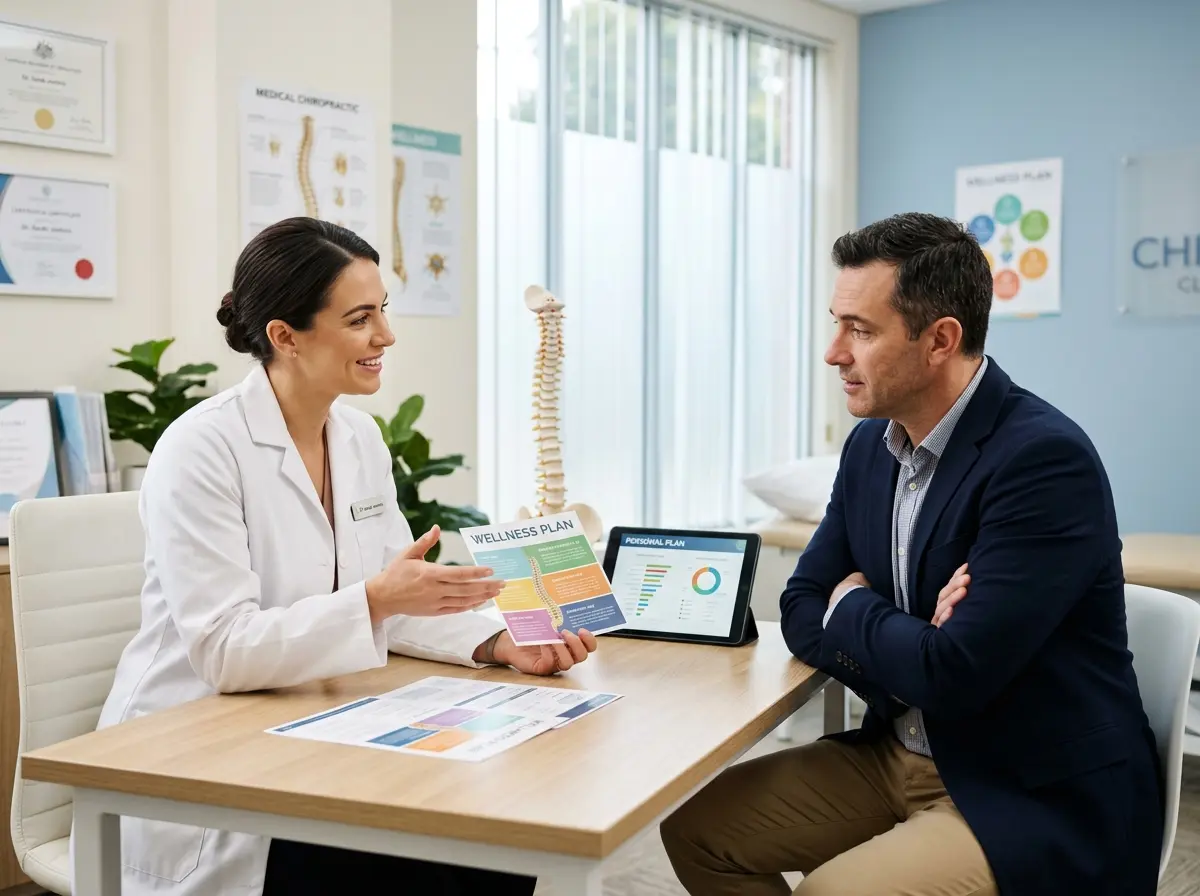
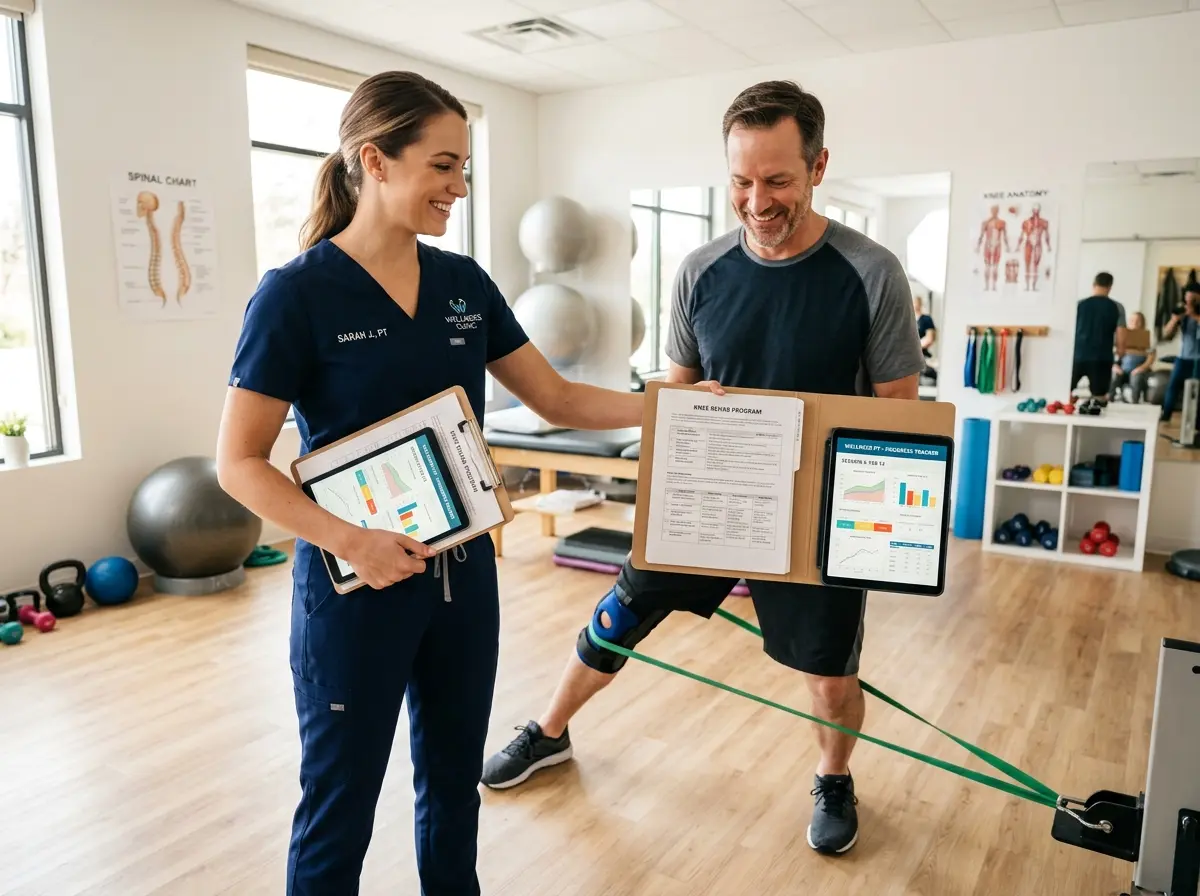
Patients who understand where they are in the recovery process are far more motivated to continue. Instead of selling "12 sessions of physical therapy," reframe your offering around meaningful phases — for example: Phase 1: Tissue Healing & Pain Reduction, Phase 2: Mobility Restoration, and Phase 3: Strength & Functional Return. Each phase has clear goals and milestones, so patients feel a sense of progress and accomplishment rather than an endless series of exercises with no finish line in sight.
This approach also makes it easier to have conversations about extending care. When a patient is wrapping up Phase 2, transitioning into Phase 3 feels like a natural next step — not an upsell. You're not asking them to commit to more sessions; you're inviting them to complete their recovery journey. That's a very different conversation, and patients respond to it very differently.
Bundle In High-Value Touchpoints
A well-designed rehabilitation package isn't just about the in-clinic sessions. Consider what else can be bundled in to increase perceived value and clinical effectiveness. Options worth considering include:
- A home exercise program with video demonstrations (patients are far more compliant when they have clear visual guidance)
- A mid-program check-in call with a therapist at the halfway point
- A written progress report sent to their surgeon or referring physician
- Access to a patient portal or messaging system for quick questions between sessions
- A complimentary follow-up visit 30 days after program completion
That last one is particularly powerful. A complimentary follow-up visit lowers the psychological barrier to completing the program — patients know they won't just be abandoned at the finish line — and it also gives you a natural touchpoint to identify any emerging issues and recommend continued care. Turns out "free" and "smart business" aren't always opposites.
Price It to Reduce Decision Fatigue
Offering a bundled package price rather than per-session billing makes the financial commitment feel more manageable and predictable. It also removes the mental calculation patients do every time they consider scheduling another appointment. When the investment is already made, showing up becomes the path of least resistance. Consider offering a modest discount — even 10–15% — for patients who commit to the full program upfront. Most patients will perceive this as good value, and you'll benefit from improved cash flow and dramatically better retention.
Streamlining Your Front Desk and Patient Communication
Even the most beautifully designed rehabilitation package will fail if the logistics fall apart. Patients cancel. Patients forget. Patients call with questions after hours and, when no one answers, decide they'll reschedule later — and then don't. Your communication infrastructure matters more than most practice owners realize.
Let Technology Handle the Gaps Your Staff Can't
This is where a tool like Stella becomes genuinely useful for physical therapy practices. Stella is an AI robot employee and phone receptionist that can greet patients at your front desk, answer frequently asked questions about your rehabilitation packages, explain what's included, and handle calls 24/7 — so when a nervous post-op patient calls at 7 PM with questions about their upcoming appointment, they get real answers instead of voicemail. Her built-in CRM and conversational intake forms also mean that patient information is captured accurately and automatically, reducing the administrative burden on your staff and ensuring nothing falls through the cracks. For a practice that's trying to scale its rehabilitation program, having a reliable, always-on front-of-house presence — without the overhead of additional reception staff — is a meaningful advantage.
Building Long-Term Loyalty After the Program Ends
Completing a post-surgical rehabilitation program is a milestone, not a conclusion. The practices that truly excel at patient retention understand that the relationship shouldn't end when the formal program does. The patients who feel genuinely cared for after they've "graduated" are the ones who come back for performance training, maintenance sessions, or — let's be honest — when they inevitably push themselves too hard at the gym six months later.
Create a Maintenance and Wellness Offering
Once patients have completed their rehabilitation program, give them somewhere to go. A structured wellness or maintenance offering — perhaps a monthly check-in session, a small group functional fitness class, or access to a quarterly movement screening — keeps the relationship alive and provides ongoing clinical value. Patients who are physically active and engaged with your practice are also your best referral sources. They're the ones telling their neighbors, colleagues, and surgeons about the PT who actually helped them get their life back.
Position these offerings not as "more therapy" but as proactive health management. Language matters. "Monthly movement tune-up" lands very differently than "follow-up appointment," even if the content is similar. You're not treating a problem anymore; you're helping someone protect an investment they've already made in their own recovery.
Stay in Touch With Purpose
A quarterly email or postcard that actually says something useful — stretches to prevent re-injury, tips for staying active as the seasons change, a reminder that their annual movement screening is due — keeps your practice top of mind without being obnoxious. Avoid the generic "We miss you!" email at all costs. Patients can smell hollow marketing from miles away, and it does more harm than good.
Instead, think of your post-program communication as an extension of your clinical care. If a patient had a rotator cuff repair, send them a shoulder health checklist at the six-month mark. If they had a knee replacement, share some tips for navigating fall hiking season safely. This kind of targeted, relevant communication demonstrates that you actually remember them — not just as a billing number, but as a person. That's how loyalty is built.
Ask for Referrals the Right Way
Word-of-mouth referrals from satisfied post-surgical patients are extraordinarily valuable — these are people who can speak credibly about dramatic, life-changing results. But most practices either never ask or ask awkwardly at the wrong moment. The right time to ask is when a patient reaches a meaningful milestone: the first time they walk without a limp, the day they return to their sport, or at program graduation. Ask genuinely, not transactionally. "Honestly, if you know anyone who's been putting off their surgery because they're scared of the recovery, we'd love the chance to help them the way we helped you." That's a human ask, and it works.
Quick Reminder About Stella
Stella is an AI robot employee and phone receptionist that works 24/7 — greeting patients at your kiosk, answering calls after hours, and managing intake without adding to your staffing costs. At just $99/month with no upfront hardware costs, she's a straightforward way to make sure no patient inquiry — or potential retention opportunity — ever goes unanswered. For a physical therapy practice building out a more structured patient experience, she's worth a serious look.
Conclusion: Build the Program, Keep the Patients
Post-surgical rehabilitation is some of the most meaningful work in physical therapy — and it's also one of the greatest opportunities to build a loyal, long-term patient base. But that only happens if you're intentional about it. The practices that retain patients aren't doing anything magical. They're structuring their programs clearly, communicating consistently, offering genuine value beyond the clinic, and making it easy for patients to stay engaged long after their stitches have healed.
Here's where to start this week:
- Audit your current post-surgical offering. Is it a program, or just a series of sessions? If you couldn't explain the phases and milestones to a patient in two minutes, it needs work.
- Build or refine a bundled package with clear phases, included touchpoints, and a bundled price that makes commitment easy.
- Assess your communication gaps. Are calls going unanswered after hours? Are patients confused about what to expect? Identify the friction points and address them.
- Create at least one post-program offering — even something simple — so patients have a natural next step when their formal rehabilitation ends.
- Start asking for referrals at the right moments, with the right language.
Your patients already trust you with their recovery. With the right structure in place, you can turn that trust into a long-term relationship — and a thriving, sustainable practice.