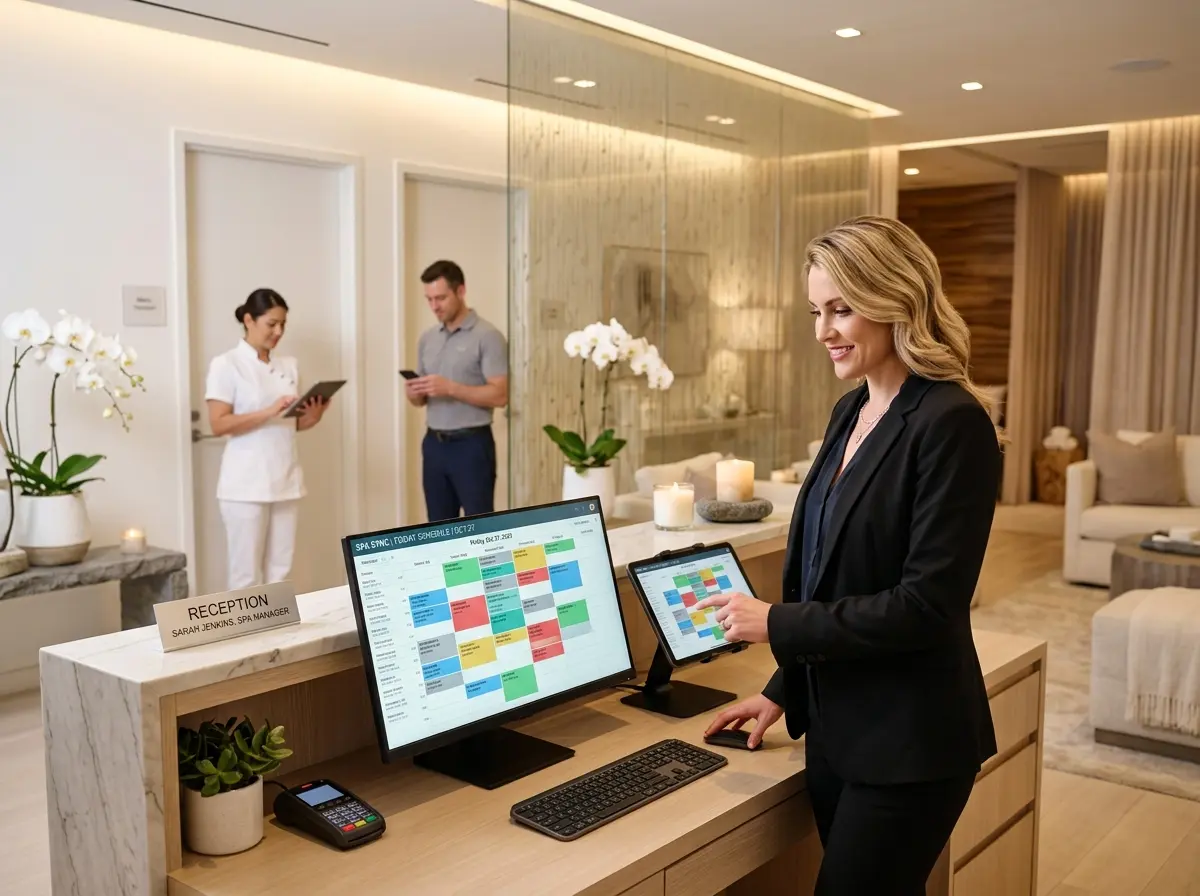
When "Who Has Sarah at 2pm?" Becomes a Full-Time Job
If you run a busy spa with multiple staff members, you already know the special kind of chaos that lives inside a shared scheduling system — or worse, the absence of one. A client books with one receptionist, another staff member accidentally double-books the same slot, and suddenly you've got two people expecting a deep tissue massage from the same therapist at the exact same time. Congratulations. You've invented a scheduling conflict, and nobody needed that today.
The good news? Multi-staff calendar sync has come a long way, and for spas in particular, getting this right isn't just a convenience — it's a competitive advantage. When your scheduling is airtight, your team is less stressed, your clients are happier, and you stop losing revenue to gaps, no-shows, and the infamous "I thought you were handling that" conversation. This post breaks down exactly how one busy spa eliminated scheduling conflicts for good, and how you can steal their approach.
The Real Cost of Scheduling Chaos at a Spa
It's Not Just Annoying — It's Expensive
Let's be blunt: poor scheduling costs you money in ways that don't always show up on a single line item. There's the obvious revenue loss from double-bookings that force you to comp a service or refund a client. But there's also the quieter drain — the 20 minutes a receptionist spends untangling a conflict that could have been prevented, the therapist standing around between mismanaged appointments, the client who doesn't come back because their experience felt disorganized. According to industry estimates, spas can lose anywhere from 15% to 30% of potential revenue due to inefficiencies in booking and scheduling management. That's a significant number for a business where every hour on the table counts.
The Multi-Staff Problem Is a Communication Problem
At its core, scheduling conflicts in a multi-staff environment happen because of fragmented communication. One therapist updates their availability in a personal calendar. A front desk employee books appointments in the spa software. A manager approves a shift change via text message. None of these systems are talking to each other, and at some point, reality stops matching expectations.
The spa we're highlighting — a mid-sized day spa with six treatment providers and a rotating front desk team — was living this reality every week. They were using a mix of a legacy booking platform, paper notes, and a group chat thread to manage schedules. Their turning point came when a longtime client arrived for her monthly facial only to find her esthetician had taken a last-minute sick day that no one had properly communicated through the booking system. She didn't rebook. They didn't call that a wake-up call. They called it the last straw.
What They Were Missing
After an honest audit of their process, the spa identified three critical gaps: real-time availability updates across all staff, a single source of truth for bookings, and automated client communication when changes occurred. None of these are exotic requirements — but not having them creates a cascade of small failures that add up fast.
How They Fixed It — and What You Can Replicate
Centralizing Everything Into One Scheduling Platform
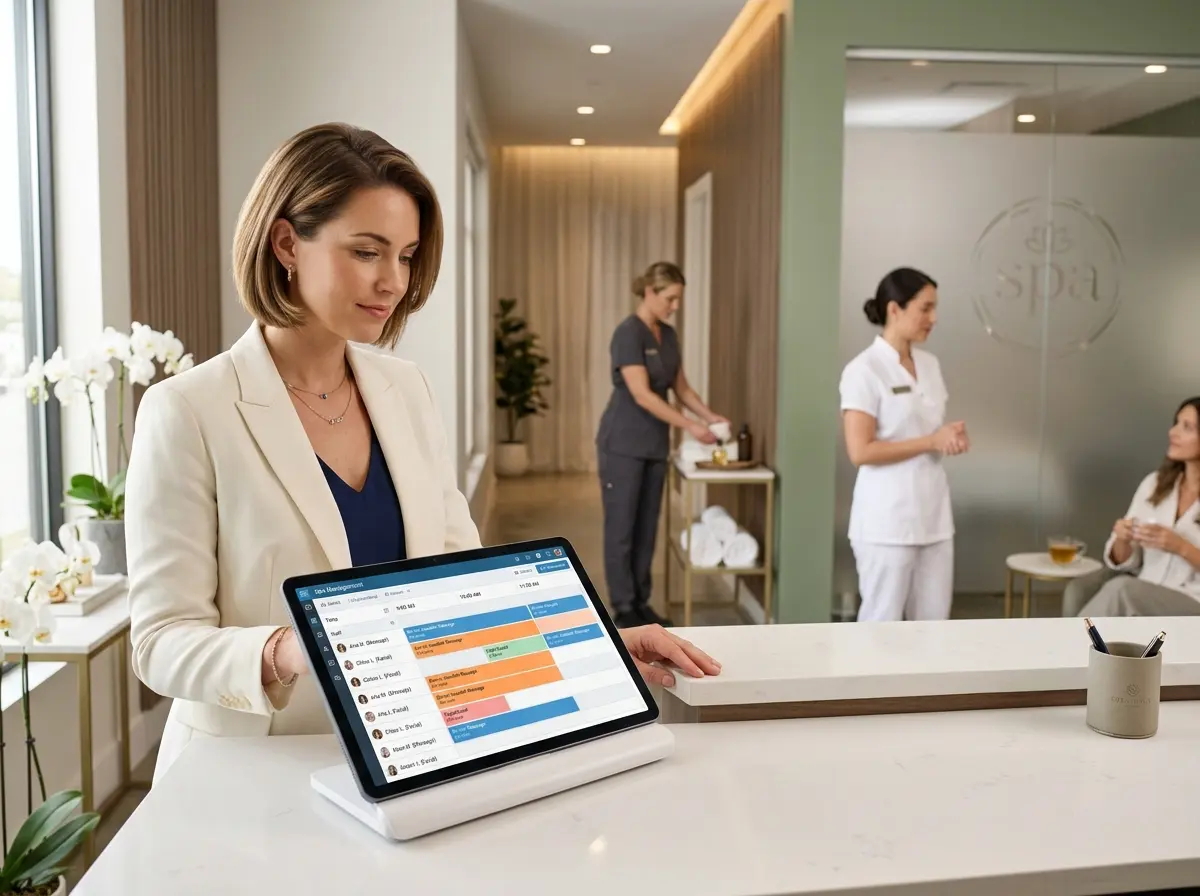
The first move was consolidating all booking activity into a single platform that every team member — from the front desk to each individual provider — could access in real time. They chose a spa-specific scheduling tool that allowed each staff member to manage their own availability within a shared system, meaning the moment someone blocked off a slot or added a service, every other view of the calendar reflected that change instantly.
This sounds simple, and honestly, it is — but the implementation required buy-in from the whole team. They held a single training session, set clear expectations about how and when to update availability, and designated one manager as the scheduling administrator who had override access and final say in conflict resolution. Within two weeks, the double-booking incidents dropped to zero. Not nearly zero. Zero.
Automating Client Reminders and Change Notifications
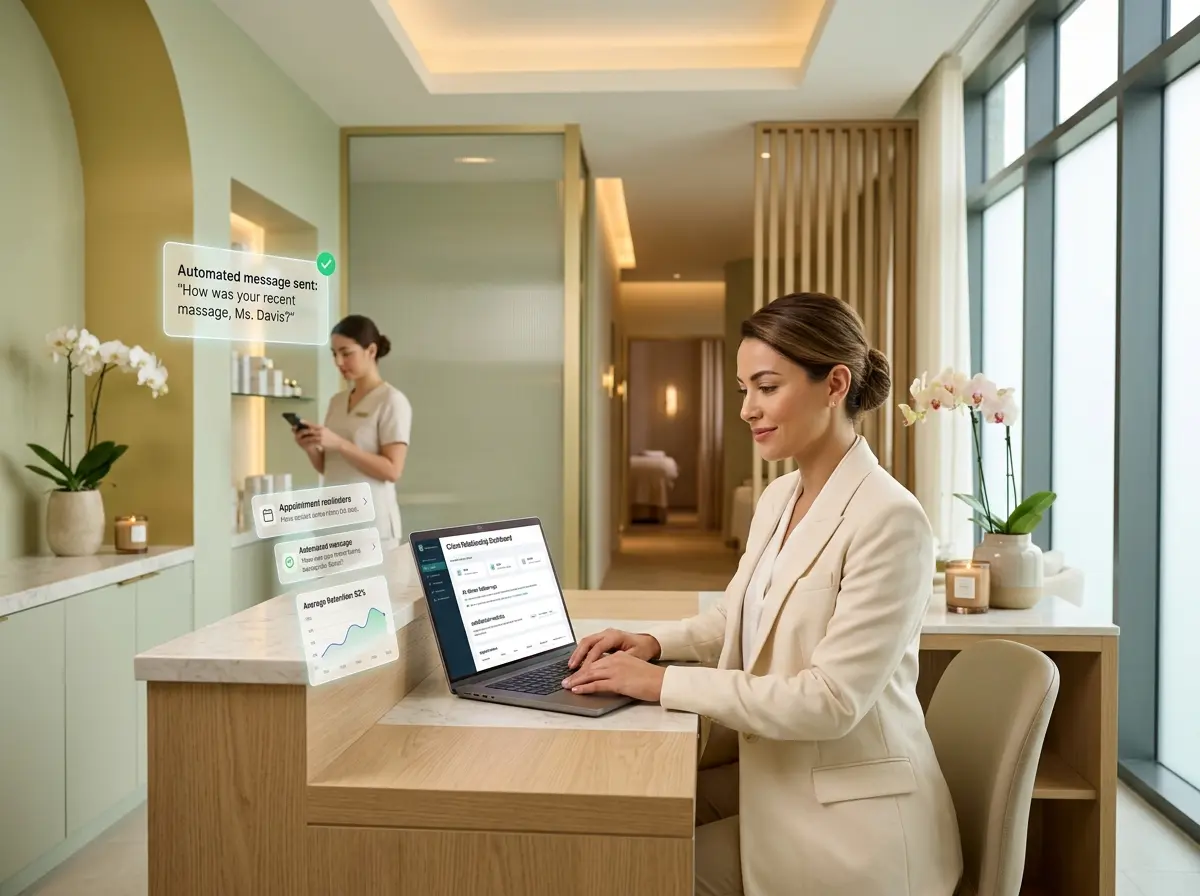
The second piece of the puzzle was client communication. Even the best internal system fails the client if they don't receive timely updates. The spa set up automated text and email reminders at 48 hours and 24 hours before appointments, along with automatic notifications whenever a booking was modified or rescheduled. This single change reduced their no-show rate by roughly 22% over three months — a direct, measurable impact on revenue.
They also added a simple cancellation and rescheduling link directly in the reminder messages, which had an unexpected bonus: clients started rescheduling proactively instead of just not showing up. That gave the spa enough lead time to fill those slots with clients from their waitlist, turning potential lost revenue into recovered appointments.
Where Stella Fits Into a Well-Run Spa Operation
Answering the Phones While Your Staff Focuses on the Client in Front of Them
Here's a scenario every spa owner knows: your receptionist is checking in a client, the phone rings, another client walks in the door, and somewhere in the back, a therapist needs to know if her 3 o'clock confirmed. Everyone is doing three things at once and none of it gracefully. This is exactly where Stella earns her keep.
Stella handles incoming phone calls 24/7, answering questions about services, pricing, availability, and policies with the same knowledge your best receptionist has — without the overwhelm. For spas with a physical location, she also works as an in-store kiosk, greeting walk-in clients, promoting current specials, and handling intake information so your human staff can stay focused on delivering exceptional service. She's not a replacement for your team; she's the buffer that keeps everything from piling up at the front desk at the same time. Her built-in CRM and conversational intake forms also make it easy to capture client preferences and contact details during calls or at the kiosk, feeding directly into your client records without anyone manually typing a thing.
Building a Conflict-Proof Scheduling Culture
Set the Rules Before the Chaos Finds the Gaps
Technology is only as effective as the processes surrounding it. The spa that cracked their scheduling problem didn't just install a new platform — they changed how their team thought about schedule ownership. Every provider was responsible for keeping their availability current. Every front desk employee was required to book only through the central system, no exceptions. And any schedule change — whether a shift swap, a personal day, or a last-minute cancellation — followed a defined workflow before it was considered "done."
This kind of cultural shift doesn't happen overnight, but it doesn't take long either when the team can see the difference. When there are no more scrambled mornings untangling conflicts, people tend to appreciate the new process pretty quickly.
Use Your Data to Get Ahead of Demand
Once your scheduling system is clean and centralized, you have access to something genuinely valuable: patterns. Which service slots fill fastest? Which providers have consistent gaps on which days? When does your demand spike — before the holidays, after a promotion, on specific weekdays? A reliable scheduling system generates this data passively, and smart spa owners use it to adjust staffing, create targeted promotions for slow periods, and plan capacity with far more confidence than gut instinct allows.
The spa in our example used three months of clean booking data to identify that Tuesday afternoons were consistently underbooked. They launched a Tuesday-specific membership promotion and filled those slots within a month. That's the kind of decision that only becomes obvious when your data is trustworthy — which only happens when your scheduling system is actually working.
Plan for the Unexpected
No scheduling system eliminates last-minute sick days or the occasional emergency. What good systems do is make those moments manageable instead of catastrophic. Build a protocol for last-minute coverage, maintain a waitlist for popular providers, and train your front desk to offer rescheduling options proactively rather than reactively. When clients feel like the spa has everything handled — even when something goes sideways — they stay loyal. That trust is worth more than any individual appointment.
A Quick Reminder About Stella
Stella is an AI robot employee and phone receptionist designed for businesses exactly like yours — spas, salons, gyms, and any service-based operation where the front desk is always one busy afternoon away from being overwhelmed. She greets in-store visitors, answers calls around the clock, promotes your services and specials, and keeps your client information organized through her built-in CRM. All of this runs on a straightforward $99/month subscription with no upfront hardware costs and no complicated setup.
Your Scheduling Fix Starts Today
If you're still managing a multi-staff spa schedule through a combination of software, sticky notes, and optimism, the path forward is clearer than it might feel right now. Start by auditing where your conflicts actually come from — is it availability updates, communication gaps, or no-show patterns? Then pick one area to fix first and build from there.
The spa in this story didn't overhaul everything overnight. They made one strategic shift — centralizing their calendar — and let the downstream benefits compound from there. Lower no-shows. Happier staff. Clients who actually come back. None of that required a miracle. It required a system, some consistent habits, and the willingness to stop treating scheduling chaos as just part of the job.
Because it doesn't have to be. And your 2 o'clock deserves better than "I thought you had that one."