So You Want to Stand Out as a Local Service Business? Have You Tried Talking Into a Microphone?
Let's be honest — the local service business marketing landscape is crowded. You've got Google ads competing with your Google ads, social media algorithms that seem personally offended by your content, and direct mail pieces that go straight from the mailbox to the recycling bin. Meanwhile, your competitor down the street is somehow always top of mind. What's their secret?
For a growing number of savvy local service business owners, the answer is podcasting. Not just appearing on podcasts — though that's a big part of it — but strategically using the medium to build authority, trust, and genuine community connection in a way that a boosted Facebook post simply cannot replicate.
According to Edison Research, over 135 million Americans are monthly podcast listeners. More importantly, podcast audiences are remarkably loyal — they tend to listen to full episodes, trust the hosts they follow, and act on recommendations. For a local HVAC company, a med spa, or a family law firm, that kind of captive, trusting audience isn't just nice to have. It's a competitive advantage waiting to be claimed.
This guide will walk you through a practical podcast marketing strategy designed specifically for local service businesses — the kind that don't have marketing departments, but do have real expertise, real customers, and real stories worth sharing.
Building Your Podcast Presence: Start, Guest, and Grow
There are two primary ways to leverage podcasting as a local business owner: starting your own show or appearing as a guest on existing ones. Ideally, you'll do both — but each approach has its own strategy and its own rewards.
Starting Your Own Local Podcast
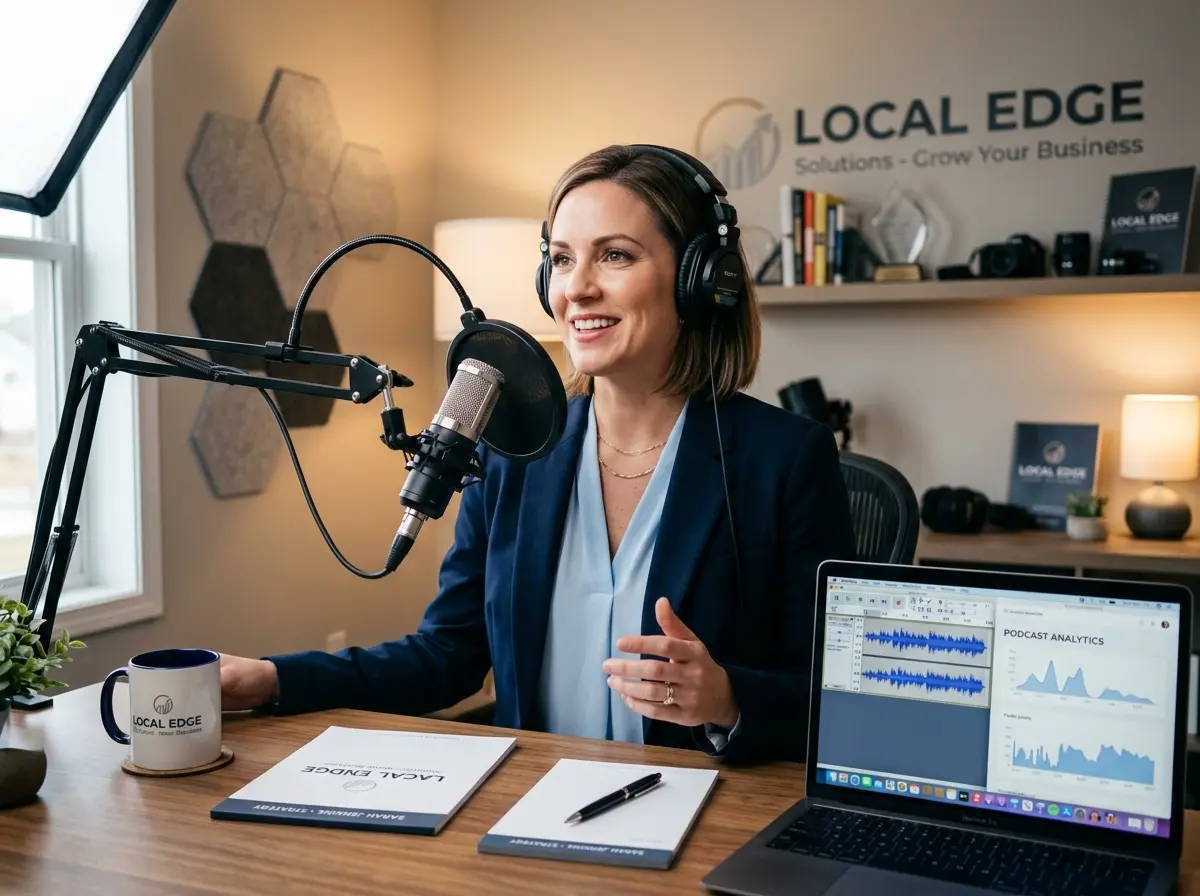
Before you roll your eyes and say "I don't have time for that," hear this out. A local podcast doesn't need to be a production masterpiece. It needs to be useful, consistent, and relevant to your community. A plumber in Austin who releases a 20-minute episode every two weeks answering common homeowner questions is providing more value — and earning more trust — than any billboard ever could.
The key is to think about your podcast as a trust-building engine, not a sales channel. Topics should revolve around the problems your ideal customers face, the questions your staff answers repeatedly, and the behind-the-scenes reality of your industry. A dental practice could host "The Smile Files," covering everything from teeth whitening myths to navigating dental anxiety. A local gym could run "Fit in [Your City]," featuring local athletes, trainers, and nutrition conversations tied to community events.
Keep episodes short (15–30 minutes), release on a consistent schedule, and always end with a soft, natural call to action — mentioning your business name, your website, and perhaps a current promotion. You're not running a national show. You're becoming the trusted local expert in your category.
Guesting on Other Podcasts
If starting your own show feels like too big a commitment right now, podcast guesting is a lower-barrier entry point with significant upside. There are thousands of podcasts covering local business, entrepreneurship, home improvement, health and wellness, legal matters, automotive care — whatever your industry touches.
Reach out to podcast hosts with a clear, concise pitch. Explain who you are, what you do, and — most importantly — what value you bring to their audience. Don't pitch yourself; pitch the story or insight you'll deliver. A salon owner who built a six-figure business in a small town has a genuinely compelling story. Lead with that.
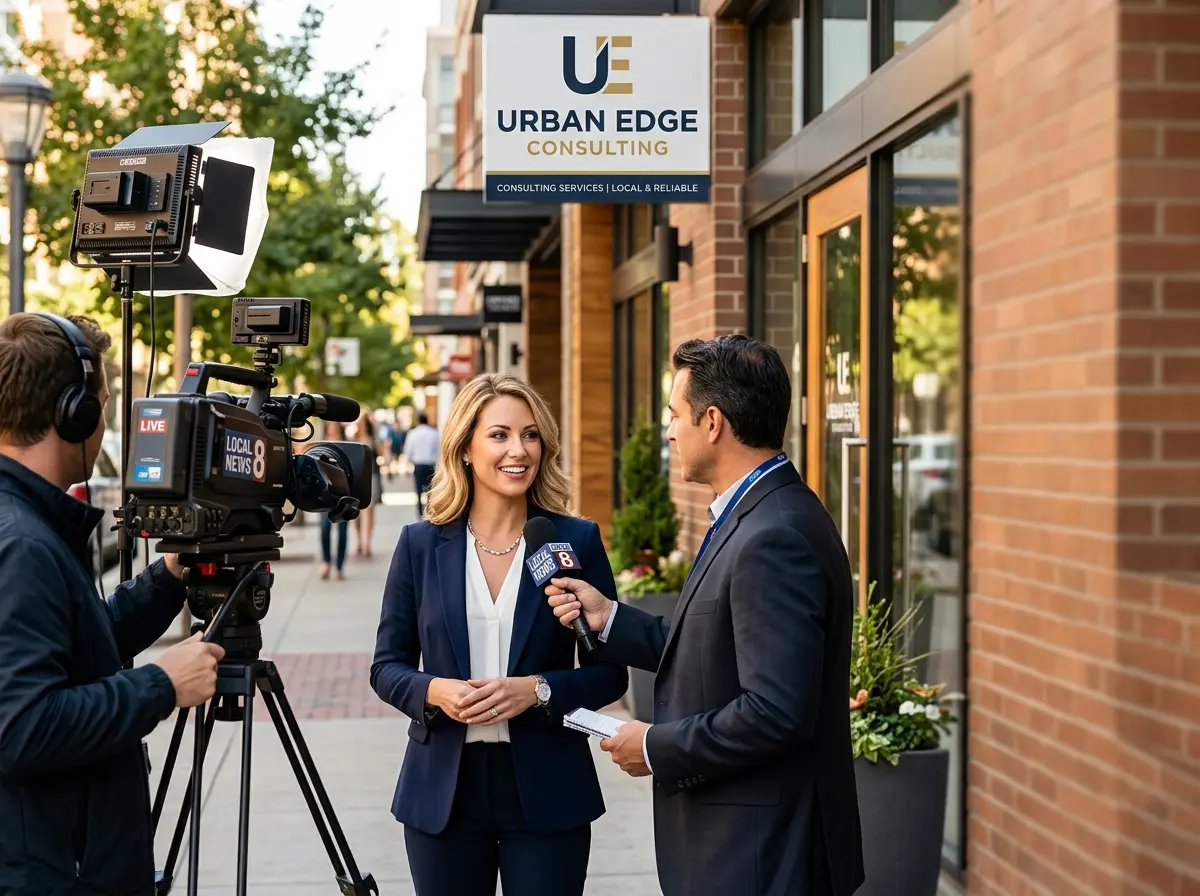
When you do appear, mention your business naturally, offer a free resource or special promotion for listeners, and direct people to a specific landing page so you can track conversions. Done well, a single podcast appearance can drive more qualified leads than weeks of paid advertising.
Cross-Promoting and Repurposing Your Content
Here's where most business owners leave serious value on the table. Every podcast episode — whether you host it or guest on it — is a content goldmine. A 25-minute episode can become a blog post, five social media clips, three email newsletter segments, and a series of short-form videos. You did the work once. Let it keep working for you.
Tools like Descript, Riverside.fm, and even free options like Audacity make it easy to clip highlights, add captions, and repurpose audio into video content. Share clips on Instagram Reels, TikTok, and YouTube Shorts. Pull a compelling quote and turn it into a graphic for LinkedIn. Transcript the episode and publish it as an SEO-friendly blog post on your website. Suddenly, one recording session has fueled two weeks of content.
Keeping the Business Running While You're Busy Being a Podcast Star
Here's the part nobody puts in the podcast marketing guides: while you're building your brand, recording episodes, and fielding the calls that come in from your growing audience — someone still needs to answer the phone and greet customers at the door. That's where Stella comes in.
Don't Let Your Marketing Efforts Go to Voicemail
Podcast marketing works — sometimes too well. A well-placed guest appearance or a viral episode clip can send a wave of new inquiries your way, and if those calls hit a voicemail box or go unanswered, you've just paid for leads you're not converting. Stella answers every call, 24/7, with the same knowledge about your services, pricing, promotions, and policies that your best employee has. She can collect intake information, answer questions, and forward calls to human staff when needed — so no lead falls through the cracks, even when you're mid-recording session or buried in appointments.
For businesses with a physical location, Stella also stands inside the store as a human-sized AI kiosk, greeting walk-in customers, promoting current deals, and handling questions so your staff can focus on delivering the service. Whether someone heard your podcast and called in, or walked by your shop out of curiosity, Stella makes sure they get a professional, helpful first impression every time.
Turning Podcast Listeners Into Loyal Local Customers
Building an audience is one thing. Turning that audience into paying, returning customers is another. This is where your podcast strategy needs to connect to your broader business operations — and where most local businesses stumble.
Create a Listener-Specific Offer
One of the most effective ways to convert podcast listeners into customers is to give them a reason to act that feels exclusive and personal. Mention a listener-only discount, a free consultation, or a bonus add-on service during your episode or appearance. Something like: "If you're listening to this and you want to book a free 15-minute consultation, mention the podcast when you call and we'll waive the booking fee."
This does two things: it gives listeners a tangible next step, and it gives you a tracking mechanism to measure the podcast's actual business impact. Over time, you'll start to see which episodes, which shows, and which offers convert best — and you can double down accordingly.
Build Community Around Your Content
The most successful local podcast marketers don't just broadcast — they build community. Consider creating a free Facebook Group or an email list specifically for podcast listeners in your area. Host occasional live Q&A sessions, invite past guests back for follow-ups, and feature customer stories with permission. When your podcast becomes a community hub rather than just a content channel, retention and referrals skyrocket.
Local businesses have a natural advantage here that national brands simply can't replicate: you're a neighbor. You sponsor the Little League team, you see your customers at the grocery store, you understand the specific quirks of your market. Lean into that. Your podcast should feel like a conversation between locals, not a corporate production.
Measure What Actually Matters
Vanity metrics are the enemy of good podcast marketing. Downloads are nice, but they don't pay the bills. Track what actually matters: how many calls or form submissions mentioned the podcast, how many new customers came in with a listener offer, and what your cost per acquisition looks like compared to other channels.
Set up UTM parameters on any URLs you mention on air, use unique promo codes per episode, and ask every new customer how they heard about you. It's not glamorous, but this data will tell you — within a few months — whether your podcast investment is delivering real returns. Spoiler: for most local service businesses that commit to it consistently, it does.
A Quick Reminder About Stella
Stella is an AI robot employee and phone receptionist built for businesses like yours — she greets customers in-store as a friendly kiosk presence and answers phone calls around the clock with real knowledge about your business. At just $99/month with no upfront hardware costs, she's the reliable, professional frontline your business deserves, without the turnover, the sick days, or the coffee breaks.
Your Next Steps Toward Podcast-Powered Growth
Podcast marketing isn't a magic bullet — nothing is — but it is one of the most underutilized, high-trust marketing channels available to local service business owners right now. The barrier to entry is low, the competition in local markets is practically nonexistent, and the long-term compounding value of becoming the trusted voice in your category is enormous.
Here's how to get started this week:
- Identify three local or industry podcasts where your ideal customers are already listening, and draft a simple guest pitch email to each host.
- Outline five episode topics based on the questions your customers ask most frequently — this is your initial content plan if you decide to start your own show.
- Set up a simple tracking system — even just a custom promo code or a dedicated phone extension — so you can measure podcast-driven inquiries from day one.
- Make sure your business can handle the inbound interest your content will eventually generate, whether that means training your staff, updating your website, or letting Stella handle the phones so no opportunity goes to voicemail.
The local businesses that will dominate their markets over the next five years are the ones building genuine relationships with their communities right now — and podcasting is one of the most powerful tools available to do exactly that. The microphone is ready. Your audience is waiting. Time to start talking.