Why Most Customers Never Come Back (And What You Can Do About It)
Here's a fun little reality check: according to research by Bain & Company, increasing customer retention rates by just 5% can increase profits by 25% to 95%. So naturally, the logical response from most retailers is to... spend their entire marketing budget chasing new customers while quietly ignoring the ones they already have. Brilliant strategy, truly.
The good news? Creating lifelong customers isn't some mystical art reserved for billion-dollar brands with armies of experience designers. It comes down to something far simpler — the wow factor. Those small, deliberate moments that make a customer stop, smile, and think, "I'm definitely coming back here." This post is about identifying exactly what those moments look like, how to build them into your everyday operations, and how to stop accidentally running a business that people forget the moment they walk out the door.
The Building Blocks of an Unforgettable Customer Experience
First Impressions Are Doing a Lot of Heavy Lifting
You've heard it a thousand times, but it's worth repeating because people keep getting it wrong: customers form an opinion about your business within seconds of arrival. Whether that's stepping through your front door, landing on your website, or calling your store — that initial touchpoint sets the tone for everything that follows.
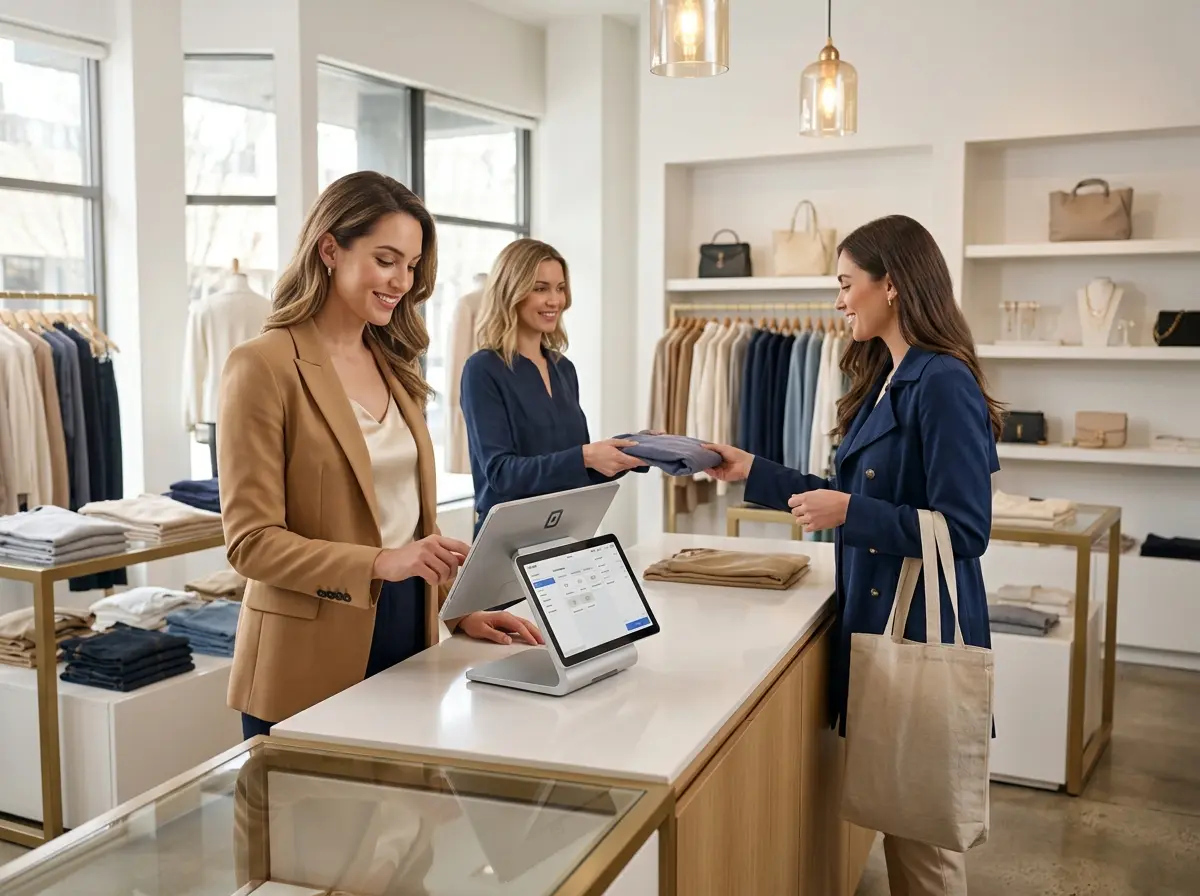
Think about the last time you walked into a store and nobody acknowledged you. You wandered around for a bit, felt vaguely invisible, and either left or made a purchase while already mentally writing your mildly passive-aggressive review. Contrast that with a business where someone greeted you warmly, pointed you in the right direction, and made you feel like a welcome guest rather than an inconvenient interruption. The difference is enormous — and it costs almost nothing to get right.
Practical steps here include training staff to greet every customer within 30 seconds of entry, making eye contact, using open body language, and offering help without being pushy. If your team is too busy handling transactions to consistently greet walk-ins, that's a workflow problem worth solving — not something to shrug off as "just how it is."
Personalization: The Secret Ingredient That Isn't Actually a Secret
Customers don't want to feel like a transaction. They want to feel like a person. Personalization — even in its simplest form — goes a long way toward building that emotional connection that keeps people coming back.
This doesn't mean you need a sophisticated AI system analyzing behavioral data (although that doesn't hurt). It can be as simple as a staff member remembering a regular customer's name, noting that someone bought a particular product last time and asking how they liked it, or tailoring your recommendations based on what someone is actually looking for rather than defaulting to whatever's on promotion this week.
For retail businesses specifically, consider implementing a basic loyalty program that gives you visibility into purchase history. Even a simple punch card creates a psychological reason to return — and if your POS system collects customer data, use it. Sitting on customer purchase history without acting on it is the business equivalent of having a treasure map and using it as a coaster.
The Little Extras That People Actually Talk About
Word-of-mouth marketing is alive and well, and it's almost always triggered by something unexpected. Not by a product being exactly as described — that's just meeting expectations. It's triggered by the moment that exceeded expectations.
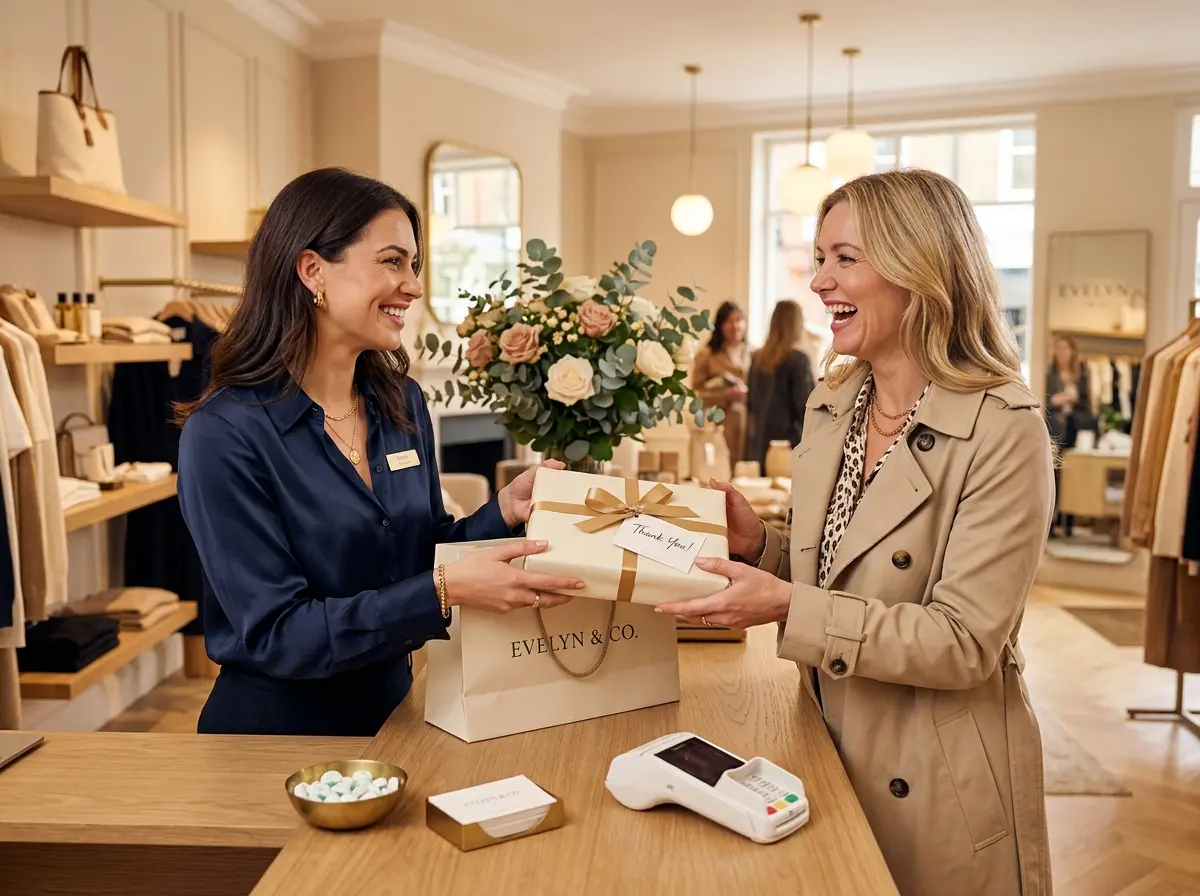
Some businesses do this beautifully. A boutique that wraps every purchase in tissue paper with a handwritten thank-you note. A local coffee shop that gives a free drink on your birthday without being asked. An auto shop that vacuums your car before returning it. None of these things are expensive. All of them create stories people tell their friends.
Look at your customer journey and ask honestly: where is the moment that could surprise someone in a good way? If you can't identify one, that's your assignment for this week.
How Technology Can Help You Deliver Consistency at Scale
The Consistency Problem (And Why It Keeps Undermining You)
Here's the thing about wow-factor moments — they only work when they're consistent. One great experience followed by two mediocre ones doesn't build a loyal customer; it builds a confused one. The challenge for small and mid-sized retail businesses is that consistency is hard when you're relying entirely on human staff who have varying energy levels, different personalities, and a regrettable tendency to occasionally call in sick.
This is where Stella comes in handy. Stella is a friendly AI robot employee and phone receptionist designed to give your business a reliable, professional presence without the drama of turnover or the hazards of an off day. In-store, she greets every customer who walks by, answers product questions, promotes current deals, and handles the kind of repetitive inquiries that eat up your staff's time — all without ever checking her phone or needing a break. On the phone, she answers calls 24/7 with the same knowledge and warmth she brings in person, ensuring that no customer gets a rushed, distracted, or completely unanswered experience. Stella's built-in CRM also lets you capture customer information, track interactions, and build detailed profiles — so the personalization work you're trying to do actually has the data infrastructure to support it.
At $99/month with no upfront hardware costs, it's a straightforward way to shore up one of the most common consistency gaps in retail without overhauling your entire operation.
Turning One-Time Buyers Into Loyal Advocates
The Follow-Up Is Where Most Businesses Drop the Ball
The sale is not the finish line. It is, in fact, just the beginning of the customer relationship — which is something a surprising number of businesses seem to forget the moment the receipt prints. Following up with customers after a purchase is one of the highest-leverage things you can do for retention, and it's almost comically underutilized.
A simple follow-up email asking how a product is working out, offering a relevant tip or tutorial, or letting a customer know about a complementary item demonstrates that you see them as more than a completed transaction. Timed correctly — not immediately, not three months later — it feels thoughtful rather than salesy. Studies consistently show that existing customers are 60–70% more likely to convert on a new purchase than a cold prospect. Use that to your advantage.
If you sell products that have a natural replenishment cycle — skincare, supplements, pet supplies, cleaning products — a gentle reminder when it's time to reorder isn't annoying. It's genuinely useful. Be the business that helps customers remember, rather than the one they forget.
Build Community, Not Just a Customer List
The brands that cultivate the deepest loyalty aren't just selling products — they're selling belonging. This sounds abstract, but the practical applications are surprisingly accessible for independent retailers. Host an in-store event. Create an email list that delivers actual value, not just promotional blasts. Feature real customers on your social media. Ask for feedback and visibly act on it.
When customers feel like they're part of something — like their voice matters and their presence is genuinely valued — they stop shopping around. They become your advocates. They bring their friends. They leave the reviews that new customers actually read. Building community takes time, but the compounding return on that investment makes almost every other marketing strategy look lazy by comparison.
Handle Complaints Like a Business That Actually Wants to Keep Customers
A handled complaint well is often worth more than a flawless experience. Research from the Harvard Business Review found that customers who have a problem resolved quickly and satisfactorily are often more loyal than customers who never had a problem at all. This is both encouraging and slightly terrifying, because it means how you respond to problems is a significant competitive differentiator.
Train your staff to listen fully before responding, apologize genuinely without defensiveness, and offer a resolution that errs on the side of generosity. Empower them to make it right without needing to escalate every complaint to a manager. Customers who feel heard and made whole don't just forgive — they often come back with more enthusiasm than before, and they tell people about it.
Quick Reminder About Stella
Stella is an AI robot employee and phone receptionist that works in your store and answers your phones — consistently, professionally, and without ever having a bad day. She greets customers, answers questions, promotes your offers, captures leads, and ensures no call goes unanswered, starting at just $99/month. If consistent customer experiences are the goal, she's a pretty compelling piece of the puzzle.
Start Small, Stay Consistent, and Watch What Happens
Creating lifelong retail customers isn't about grand gestures or massive budget overhauls. It's about doing the fundamentals well, consistently, and with genuine care for the person standing in front of you (or on the other end of the phone, or opening your email). The businesses that win long-term aren't always the ones with the best products or the lowest prices — they're the ones that make customers feel like coming back is simply the obvious choice.
Here's where to start this week:
- Audit your first impression. Walk into your own store as a customer would, or call your own business phone. What do you actually experience?
- Identify one "little extra" you can build into your process — something small, memorable, and repeatable that costs almost nothing.
- Set up a follow-up touchpoint for customers after their first purchase. An email, a message, anything that says "we still care now that we have your money."
- Review your complaint resolution process. Is it actually designed to retain the customer, or just to close the ticket?
- Plug consistency gaps in your greeting and phone experience — because a great in-store vibe means nothing if the phone rings out or gets answered with audible exasperation.
The wow factor isn't magic. It's intention, executed consistently. And that's something every business owner reading this is entirely capable of delivering — starting today.