Introduction: Because "Just Post More Content" Is Terrible Advice
Somewhere along the way, someone decided that the path to business success ran directly through a YouTube channel. And honestly? They weren't wrong. But between that nugget of wisdom and actually building a channel that makes people think, "Wow, this person really knows their stuff," there's a canyon-sized gap filled with abandoned channels, shaky camera footage, and videos that got exactly seven views — four of which were the business owner checking to see if anyone had watched.
Here's the reality: YouTube is the world's second-largest search engine, with over 2.7 billion logged-in users monthly. Your potential customers are already there, searching for answers to questions you answer every single day at work. The dentist who posts a video explaining what to expect during a root canal? Local legend. The auto shop owner who walks viewers through why that weird noise probably isn't catastrophic? Trusted expert. The attorney who demystifies estate planning in plain English? Booked solid.
You don't need to be a film student or a social media influencer. You need a strategy, a little consistency, and the willingness to press record. Let's build that strategy together.
Finding Your Niche and Building Your Content Strategy
Before you buy a ring light and start monologuing into a lens, you need to know exactly what your channel stands for and who it's for. A YouTube channel without a clear focus is like a restaurant with a 200-item menu — technically impressive, but ultimately overwhelming and forgettable.
Define Your Local Expert Positioning
The word "expert" gets thrown around so casually these days that it's nearly lost its meaning — but that actually works in your favor. In your local market, being the business owner who consistently shows up on camera, answers real questions, and demonstrates genuine knowledge puts you miles ahead of competitors who are still debating whether to make a Facebook page.
Start by identifying the top 10 questions your customers ask you every week. Every single one of those questions is a video. The gym owner whose members always ask about protein intake, workout splits, and how to not be intimidated by the free weights section has a content calendar sitting right there. The spa owner fielding questions about what treatments help with seasonal skin changes? Same thing. Your daily conversations are a goldmine, and you've been ignoring them.
Once you have your question list, layer in your local angle. A plumber in Austin, Texas doesn't just talk about pipes — they talk about hard water issues specific to Central Texas, freeze warnings, and which local building codes affect home renovations. That hyper-local relevance is exactly what separates a YouTube channel from a local YouTube channel.
Plan Your Content Calendar Like a Professional
Consistency is the unsexy secret to YouTube growth. The algorithm rewards channels that post regularly, and audiences reward creators they can rely on. You don't need to post daily — in fact, please don't, because burnout is real and nobody wants to watch a business owner slowly lose their mind over the course of six months.
A sustainable cadence for most local businesses is one to two videos per week. Batch your filming sessions so you're not constantly setting up and tearing down equipment. Spend one morning a month filming four to eight videos, then schedule them to release over time. Mix evergreen content (topics that stay relevant for years) with timely content (seasonal promotions, local events, trending questions in your industry). This balance keeps your channel useful long after each video is published.
Optimizing Your Videos So People Actually Find Them
Making great videos that nobody watches is a special kind of frustration. YouTube SEO isn't rocket science, but it does require intentionality — because a beautifully produced video with a vague title and zero keywords in the description might as well not exist.
Titles, Thumbnails, and the Art of the Click
Your title and thumbnail are a team. Together, they have roughly two seconds to convince a viewer to click instead of scrolling past. Your title should include what the viewer is searching for — literally. If someone in your city is typing "how much does HVAC replacement cost," your video titled "HVAC Replacement Cost: What Homeowners in [Your City] Need to Know" will find them. Be descriptive, include your location when relevant, and resist the urge to be clever at the expense of being clear.
Thumbnails should feature your face (familiarity builds trust), bold readable text, and high contrast. You don't need a graphic design degree — Canva has excellent YouTube thumbnail templates that take about five minutes to customize.
Using Descriptions and Tags to Maximize Reach
Your video description is prime SEO real estate and most business owners treat it like an afterthought. Write a proper first paragraph (the part visible before "show more") that includes your primary keyword naturally, describes what the viewer will learn, and mentions your location. Then expand with a longer description, timestamps for longer videos, links to your website or booking page, and your social profiles.
Tags matter less than they used to, but they still help YouTube understand your content's context. Use a mix of broad tags (your industry), medium tags (your specific topic), and local tags (your city and region). Don't keyword stuff — think of it as giving YouTube helpful context, not trying to trick a robot.
Turning Viewers Into Customers (That's the Whole Point)
A YouTube channel with thousands of subscribers is flattering. A YouTube channel that drives real business is the goal. These two things can coexist, but only if you deliberately build pathways from your content to your front door — physical or digital.
Strategic Calls to Action That Don't Feel Desperate
Every video needs a clear next step for the viewer. Not five next steps — one. Tell them to book a consultation, visit your website, call your office, or stop by your location. The most effective calls to action are specific and low-friction: "If you're dealing with this issue, give us a call this week and mention this video — we'll take 15 minutes to walk you through your options for free." That's actionable, time-bound, and gives the viewer a reason to reach out now rather than someday.
Use YouTube's end screens and cards to link to related videos, your website, or a subscription prompt. Viewers who watch multiple videos from your channel are exponentially more likely to become customers, so make it effortless to keep watching.
How Stella Keeps the Momentum Going When Viewers Call
Here's a scenario that plays out more often than business owners realize: someone watches your YouTube video at 9 PM, gets genuinely excited about your services, and calls your business — where they reach a voicemail and never call back. All that content you created, all that trust you built, evaporated because nobody answered.
Stella, the AI robot employee and phone receptionist, makes sure that doesn't happen. She answers every call 24/7, greets callers professionally, answers questions about your services, and can collect customer information through conversational intake forms — turning a late-night curious viewer into a captured lead with a full profile in your CRM before you've even had your morning coffee. For businesses with a physical location, Stella also works as an in-store kiosk, engaging walk-in customers proactively and promoting your current offers. The YouTube video gets them interested. Stella closes the loop.
Quick Reminder About Stella
Stella is a friendly AI robot employee and phone receptionist that works around the clock — greeting customers in person at your location and answering every call with the same professional, knowledgeable presence. At just $99/month with no upfront hardware costs, she's the team member who never calls in sick, never puts a customer on hold indefinitely, and never forgets to mention today's special. If your YouTube strategy is bringing in new attention, Stella makes sure that attention converts.
Conclusion: Press Record and Start Building Your Legacy
Building a YouTube channel that positions you as the local expert in your field isn't about going viral. It's about showing up consistently, answering the questions your community is already asking, and making it easy for interested viewers to become paying customers. The bar in most local markets is genuinely low — your competitors aren't doing this, which means the opportunity is wide open.
Here's your actionable next steps to get started:
- Write down the 10 most common questions your customers ask. That's your first 10 video topics.
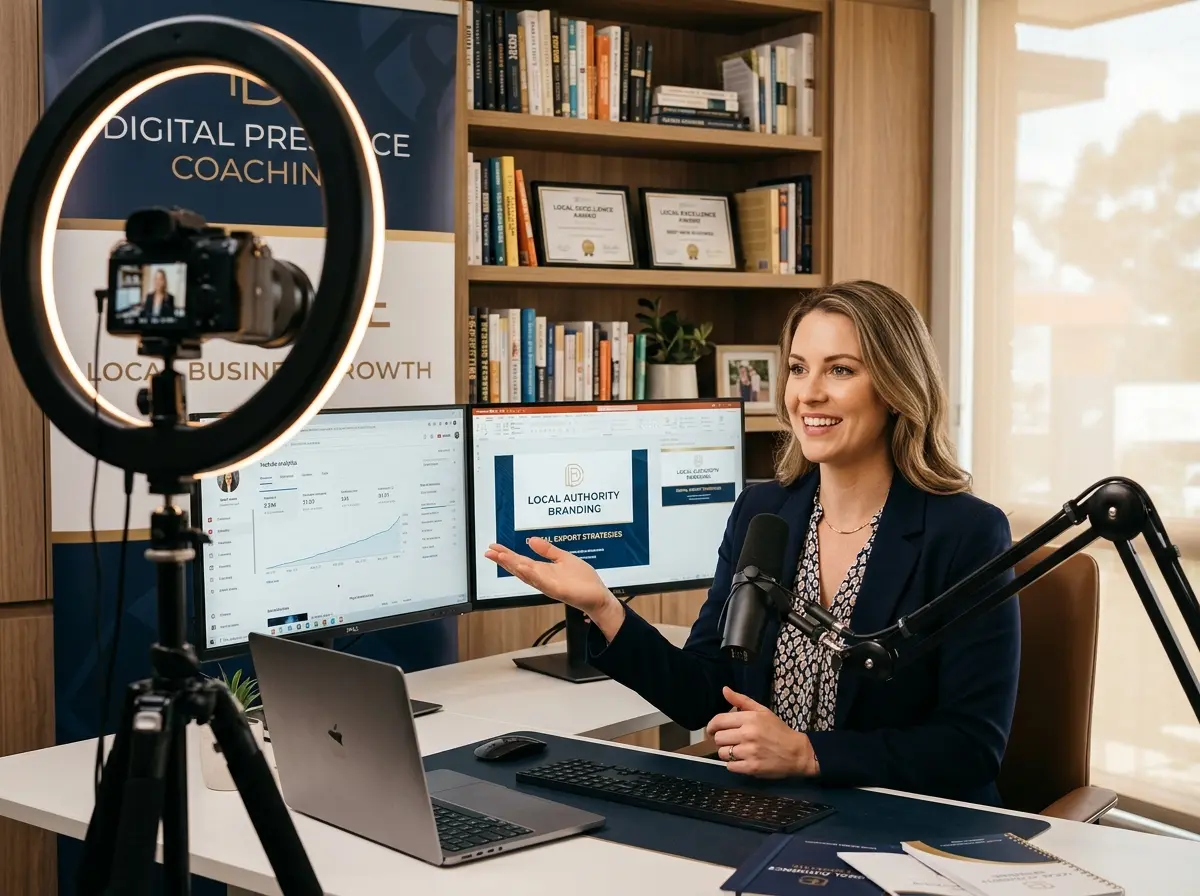
- Set up a simple filming space. Good lighting and clear audio matter far more than a professional camera setup.
- Commit to a realistic posting schedule — one video per week is excellent, one every two weeks is fine, zero is not fine.
- Optimize every video with a keyword-rich title, strong thumbnail, and a complete description before publishing.
- End every video with one clear call to action that directs viewers to contact you or visit your business.
- Make sure someone or something answers when those newly-inspired viewers pick up the phone.
Your expertise is already there. Your community is already searching. The only thing standing between you and a YouTube channel that genuinely grows your business is the decision to start. The camera is waiting, the algorithm is ready, and — with Stella handling your phones and front desk — so is your business.