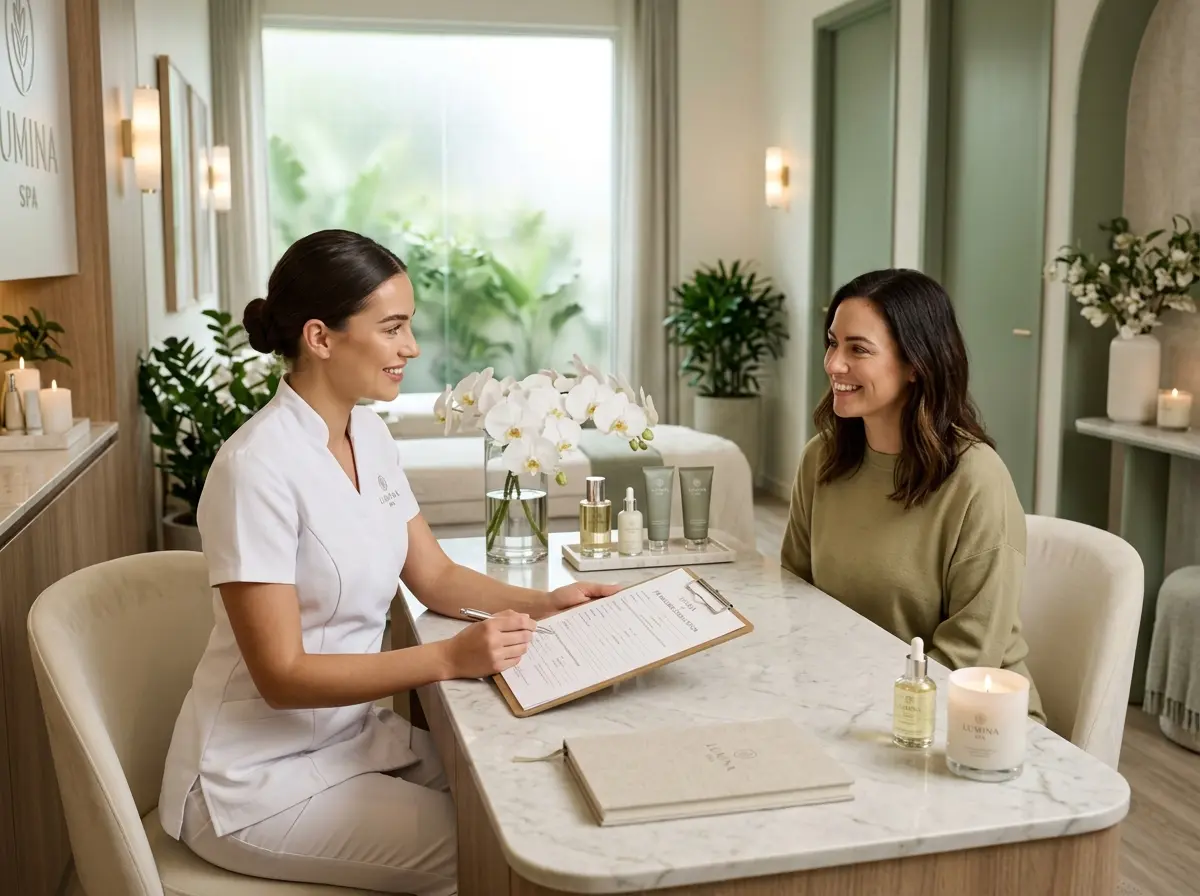
Because "So, What Brings You In Today?" Is Not a Consultation Strategy
Let's paint a picture. A new client walks into your spa, nervous and excited, ready to hand over their hard-earned money for a relaxing experience. They sit down, fill out a basic intake form asking for their name, phone number, and whether they're allergic to anything — and that's it. That's the whole "getting to know you" process. Fast forward six months, and your esthetician is still asking the same client if she prefers light or firm pressure. Every. Single. Time.
Sound familiar? If you're nodding, you're not alone — and the fix is simpler than you think. A well-designed first-visit consultation card isn't just a formality. It's the foundation of a personalized client relationship that keeps people coming back, spending more, and recommending your spa to literally everyone they know. The data backs this up: according to research by Accenture, 91% of consumers are more likely to shop with brands that recognize, remember, and provide relevant offers and recommendations. Spas are no exception.
This post breaks down what a great consultation card looks like, how to use that information to personalize every future visit, and how to stop letting valuable client data fall through the cracks of a sticky note and a prayer.
What a First-Visit Consultation Card Should Actually Capture
Too many spas treat their intake forms like legal liability paperwork — just enough to cover themselves if someone breaks out in hives. That's a wasted opportunity. A truly useful consultation card is part health form, part preference profile, and part relationship-starter. Here's what it should cover.
Health, Skin, and Service-Specific Information
The basics — allergies, skin sensitivities, medical conditions, current medications — are non-negotiable. But go deeper. Ask about recent cosmetic procedures, sun exposure habits, and how their skin or body typically responds to certain treatments. If you offer massages, ask about areas of chronic tension, injury history, and pressure preferences. If you offer facials, ask about their current skincare routine and biggest skin concerns. This isn't just good practice; it's what separates a skilled technician from a truly attentive one. Clients notice when a therapist remembers that their lower back is always tight, or that they prefer unscented products. It feels like magic. It's actually just good data collection.
Lifestyle and Goal-Oriented Questions
Understanding why a client is visiting — and what they're hoping to achieve long-term — is gold for personalization and upselling. Are they managing stress? Preparing for a special event? Working through chronic muscle tension from sitting at a desk all day? These answers tell you which services to recommend next, which retail products align with their goals, and how to frame your suggestions without sounding like a pushy salesperson. Asking "What would make you feel like today was a success?" costs nothing and gives you everything.
Communication Preferences and Personal Touches
Ask how they prefer to be contacted — text, email, or phone. Ask if they prefer a quiet, meditative experience or if they enjoy conversation during their service. Ask if they have a preferred therapist or esthetician, or if they're open to trying different team members. You might even ask about a favorite scent, beverage preference for their post-treatment wind-down, or whether they'd like soft music or silence. These small details transform a good spa visit into a personalized ritual — and that's exactly the kind of experience clients rave about online and to their friends at brunch.
How Technology Can Help You Capture and Use This Information
Here's where a lot of spas stumble: the consultation card gets filled out beautifully, then it lives in a manila folder in a filing cabinet that no one opens until there's a problem. The information is collected, never truly used. That's not a consultation system — that's a filing hobby.
Centralizing Client Data With a Smart CRM
To actually personalize future appointments, your team needs instant access to client information — not a scavenger hunt through paper files. This is where a tool like Stella, the AI robot employee and phone receptionist, can genuinely make your life easier. Stella includes a built-in CRM with custom fields, tags, notes, and AI-generated client profiles, so the information gathered during a first-visit consultation — whether collected at your kiosk in person, over the phone, or through a web intake form — gets stored, organized, and accessible for every future interaction. When a client calls to rebook, Stella already knows who they are, what they prefer, and what services they've inquired about. That's personalization without the manual effort, and it means your front desk staff (or lack thereof) is never starting from scratch.
Turning Consultation Data Into a Repeatable Personalization System
Collecting information is step one. Building a repeatable system that uses that information at every touchpoint is where the real revenue lives. Here's how to make it work.
Pre-Appointment Preparation and Technician Briefings
Before any returning client walks through the door, their service provider should have a 60-second briefing. What did they love last time? What concerns did they mention? Are there any health updates to be aware of? This doesn't require an elaborate system — it requires a habit. Build a simple pre-appointment checklist that prompts staff to review client notes before each session. When a therapist greets a client by saying, "I saw you mentioned your shoulders have been bothering you — I'll make sure we spend extra time there today," you've just turned a transaction into a relationship. Retention rates go up. Tips go up. Five-star reviews go up. It's a beautiful cycle.
Using Consultation Insights to Drive Smart Upsells and Retail Recommendations
A client who mentioned on their consultation card that they struggle with dry skin in winter is not a random candidate for your hydrating facial add-on — they're your ideal candidate. Consultation data tells you exactly which service upgrades and retail products are genuinely relevant to each person. This removes the awkwardness from upselling because you're not pushing something generic — you're offering something that actually makes sense for them. Train your team to connect their recommendations directly to what clients have shared: "Based on what you mentioned about your skin feeling tight after cleansing, this barrier repair serum might be exactly what you're looking for." That's not a sales pitch. That's expertise. Clients feel cared for, not sold to.
Scheduling Follow-Ups That Feel Thoughtful, Not Automated
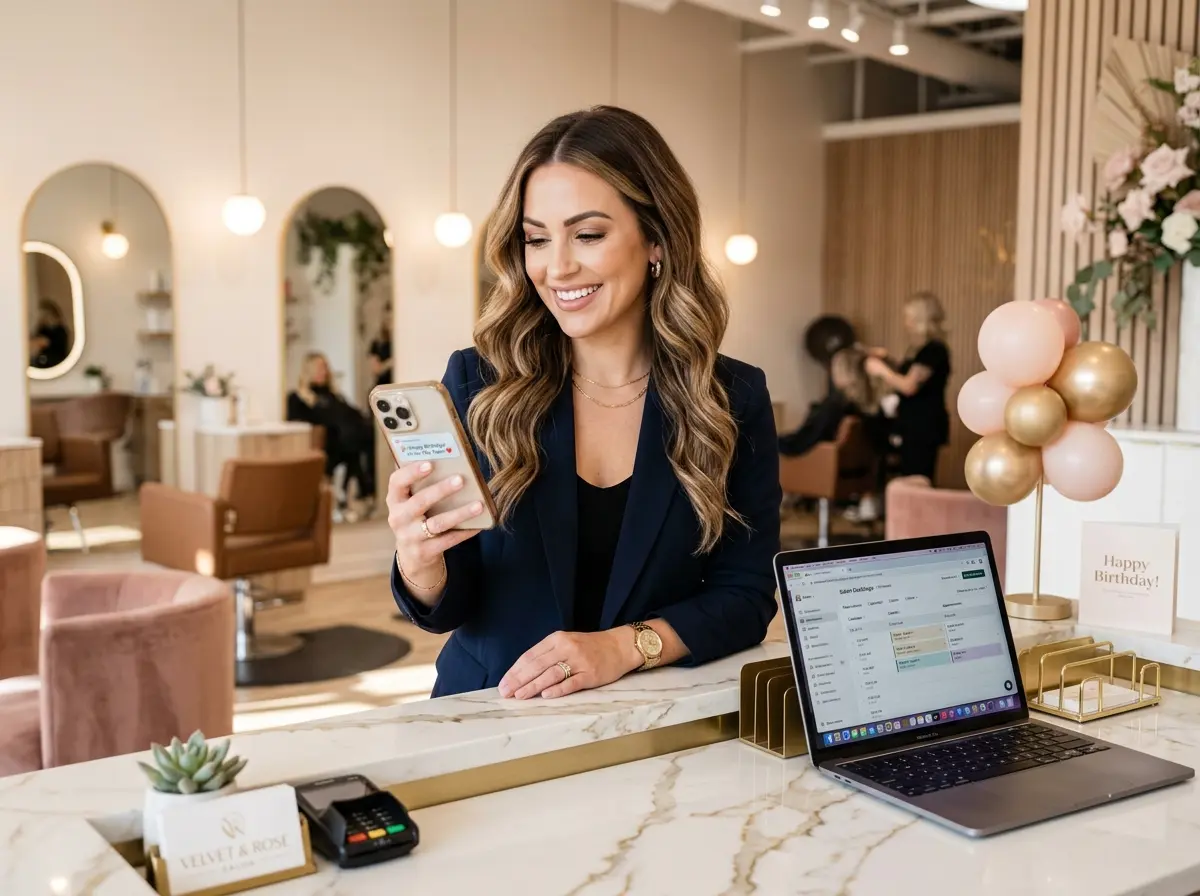
Your consultation card can also inform your rebooking strategy. A client who mentioned an upcoming wedding should get a gentle outreach about bridal packages four to six weeks before their event. A client who books facials for stress relief should be on a cadence that aligns with their schedule and goals. Even a simple birthday acknowledgment — captured on that first-visit form — can be the difference between a client who feels like a number and one who feels like a VIP. These touches don't have to be labor-intensive. They just have to be intentional, and the data has to actually live somewhere accessible and actionable.
A Quick Reminder About Stella
Stella is an AI robot employee and phone receptionist designed for businesses like yours — standing inside your spa to greet and engage walk-in clients, and answering calls 24/7 so no lead or booking request ever goes unanswered. At just $99/month with no upfront hardware costs, she's the kind of team member who never calls in sick, never forgets a client's preferences, and never puts a potential booking on hold while she finishes her lunch. For a spa looking to personalize every client experience, she's a surprisingly practical place to start.
Start Small, But Start Today
You don't need to overhaul your entire client management system overnight. Start by auditing your current intake form — if it fits on a single index card and takes less than two minutes to fill out, it probably isn't capturing enough. Draft a new consultation card that covers health essentials, personal preferences, communication style, and treatment goals. Then decide how that information will be stored, who will access it before each appointment, and how it will inform your rebooking and upsell conversations.
Here's a simple action plan to get moving:
- Redesign your intake form to include preference, lifestyle, and goal-oriented questions alongside standard health information.
- Digitize your client records so consultation data is searchable, updatable, and accessible to your team before each appointment.
- Create a pre-appointment briefing habit — even two minutes of client record review before a session makes a measurable difference.
- Train your team to connect recommendations to client-stated goals, not just general promotions.
- Build follow-up touchpoints around milestones and preferences captured at intake — events, birthdays, seasonal concerns, and rebooking windows.
The spa industry is built on trust, touch, and transformation. A first-visit consultation card is your first opportunity to signal to every new client that you're paying attention — that they're not just an appointment slot, but a person with specific needs and goals you genuinely care about meeting. That signal, reinforced at every subsequent visit, is what turns first-timers into regulars and regulars into your most passionate advocates.
So yes — go update that intake form. Your clients (and your revenue) will thank you.