Your Phone Is Sabotaging You (And You Don't Even Know It)
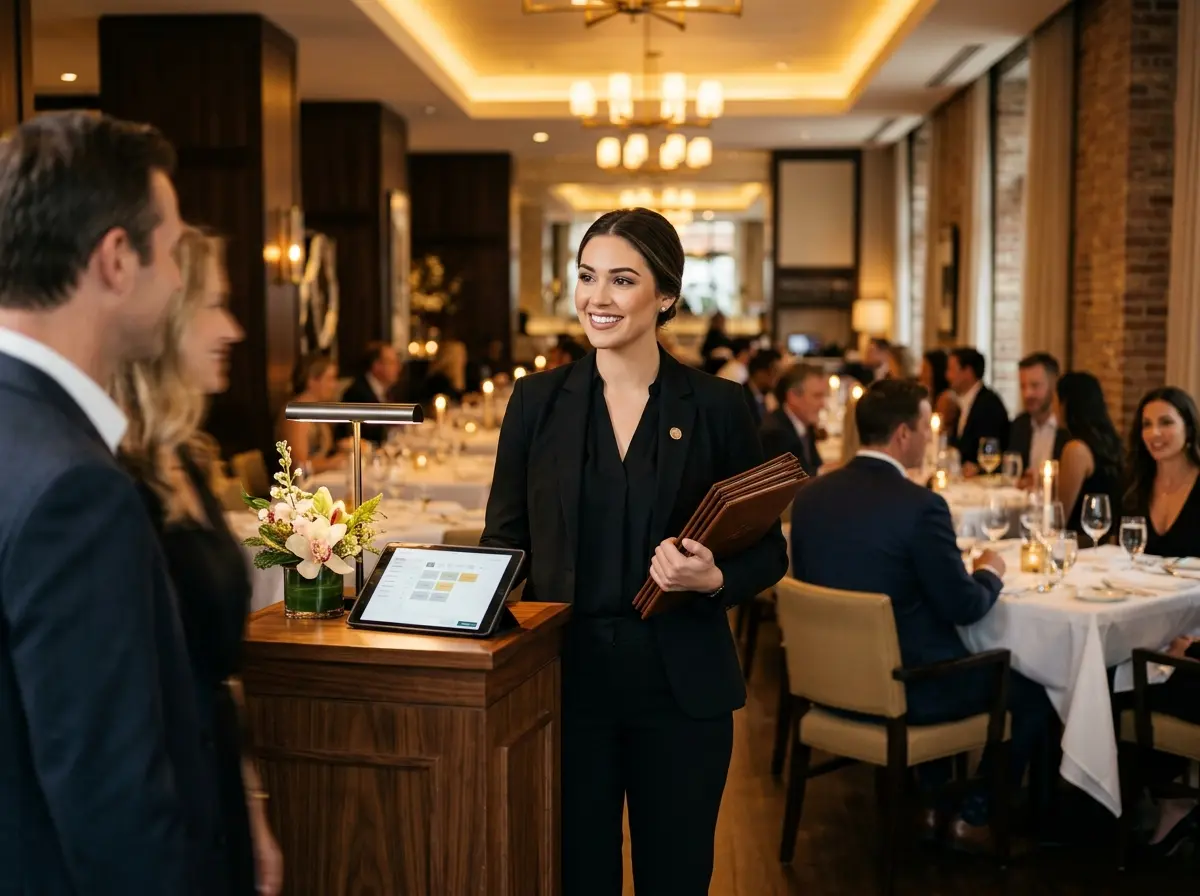
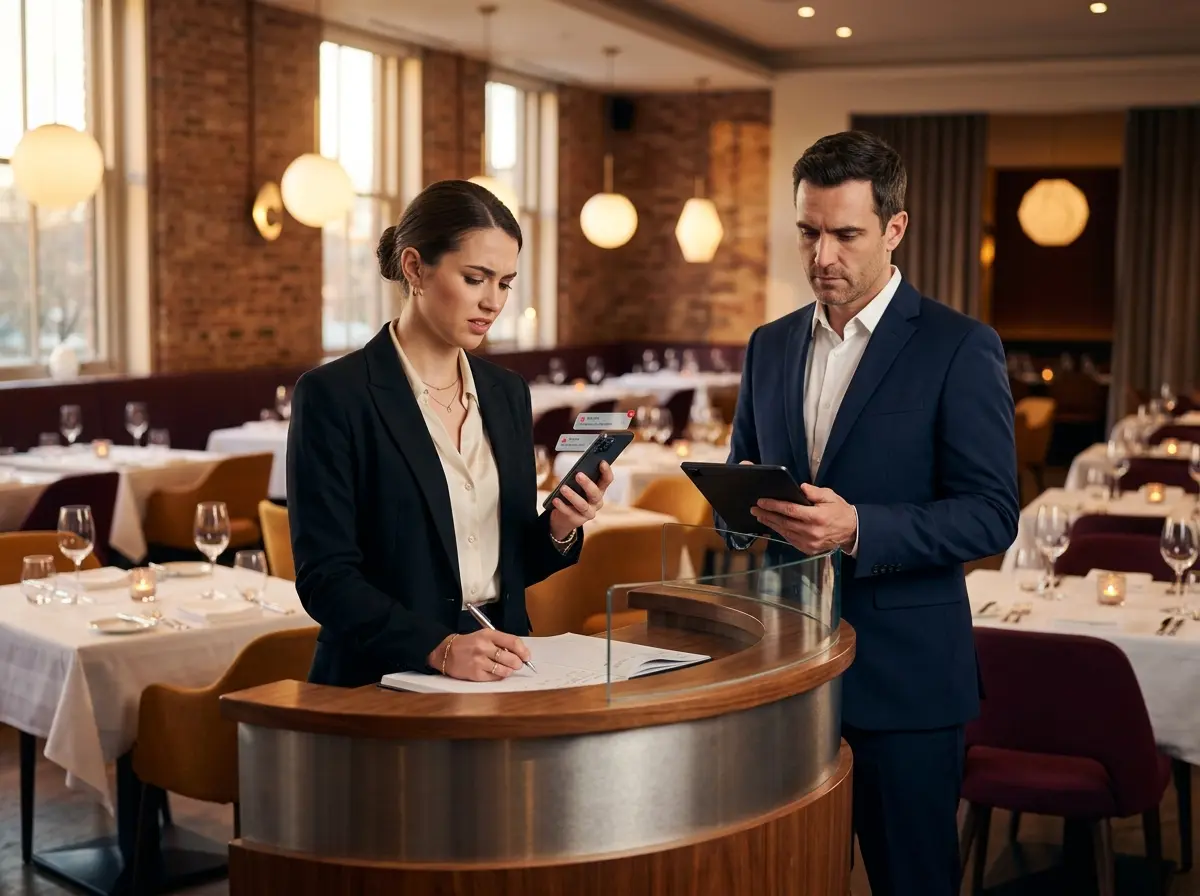
Picture this: It's a Friday evening. Your restaurant is buzzing, your staff is slammed, and somewhere across town, a hungry family of four is trying to call and book a table for Saturday night. The phone rings. And rings. And rings. Eventually, they hang up and book a table at the place down the street — a place that, frankly, has worse pasta than yours.
This is happening more than you think. According to research by Zipwhip, 60% of customers say they've switched to a competitor after a poor communication experience. And for restaurants, where reservations are the lifeblood of a predictable, profitable night, a missed call isn't just an annoyance — it's a missed cover, a missed check, and a missed chance to build a loyal regular.
So let's talk about the seven very real, very fixable reasons your phone system is quietly costing you reservations every single night. No fluff. Just the uncomfortable truth — served with a side of practical solutions.
The Hidden Costs of a Broken Phone Experience
1. Nobody Is Actually Answering
This one sounds obvious, but it bears saying out loud: if no one picks up the phone, no one makes a reservation. During peak hours — which, coincidentally, are also the hours when most people are trying to call and book — your staff is doing approximately seventeen things at once. Seating guests, running food, managing a kitchen that's one spilled sauce away from chaos. The phone? It's background noise.
Studies show that 85% of people whose calls go unanswered will not call back. They're gone. Off to find somewhere that picks up. You can't exactly blame them — nobody enjoys leaving a voicemail for a restaurant reservation like it's 2003.
2. Hold Times Are Silently Killing Your Reputation
Slightly better than not answering at all is answering and then immediately putting someone on hold for four minutes while your host tries to locate the reservation book, confirm availability, and simultaneously explain to a walk-in that yes, there is a wait. The caller on hold? They're already reconsidering their dinner plans.
Long hold times feel dismissive — even when they're not intentional. Customers don't know that you're slammed; they just know they've been sitting there listening to a tinny version of a pop song from 2011. First impressions matter, and "please hold" is not a great one.
3. Inconsistent Information Drives Guests Away
Ask three different staff members what time the restaurant closes on Sundays and you may get three different answers. It's not malicious — it's just the natural chaos of a busy operation with staff turnover, seasonal hours, and specials that change weekly. But when a customer calls to confirm details and gets the wrong information, and then shows up to find you've been closed for thirty minutes? That's a one-star review waiting to happen.
Consistency in how your business information is communicated isn't a nice-to-have — it's a trust issue. And trust is what turns a first-time diner into a regular.
How Smarter Phone Handling Can Turn Things Around
4. AI Receptionists Can Recover What You're Losing
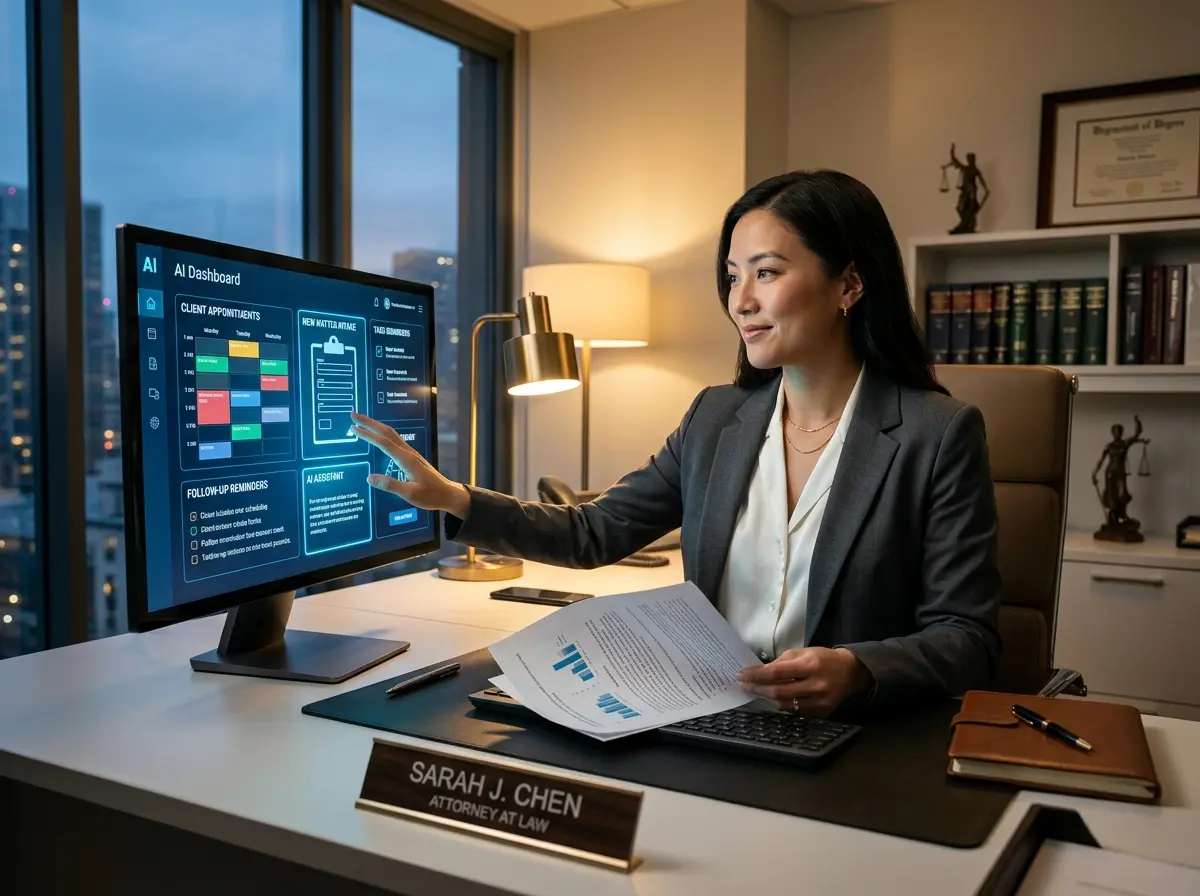
Here's the part where we introduce a solution that doesn't require you to hire a full-time receptionist, pay benefits, or worry about someone calling in sick on a Saturday night. Stella is an AI-powered phone receptionist — and restaurant kiosk — that answers calls around the clock, handles reservation inquiries, communicates accurate hours and specials, and manages customer intake, all without putting anyone on hold or getting flustered during a dinner rush.
Stella doesn't just answer calls — she handles them the way a well-trained, highly consistent team member would. She can collect customer details through conversational intake forms, log everything in a built-in CRM with AI-generated contact profiles, and even send push notifications with voicemail summaries to managers when something needs a human touch. For restaurants with a physical location, she also stands in-store as a friendly kiosk, greeting guests and answering questions so your floor staff can focus on, you know, the floor. At $99/month with no upfront hardware costs, she's considerably cheaper than the alternative of missed reservations piling up night after night.
The Operational Habits That Make It Worse
5. No After-Hours Coverage Means Lost Weekend Reservations
Here's a pattern that plays out constantly: a couple decides on a Wednesday evening that they want to celebrate an anniversary at your restaurant on Saturday. They call. It's 9:30 PM. You're closed, or at minimum, no one is staffed to answer calls. They leave a voicemail. You forget to check it Thursday morning. By Thursday afternoon, they've booked somewhere else.
Weekend reservations are often made mid-week, in the evenings, after people have had time to think about their weekend plans. If your phone coverage ends when your kitchen closes, you're essentially locking the front door on a significant chunk of your potential reservation volume. After-hours coverage isn't optional anymore — it's expected.
6. Voicemails That Go Nowhere
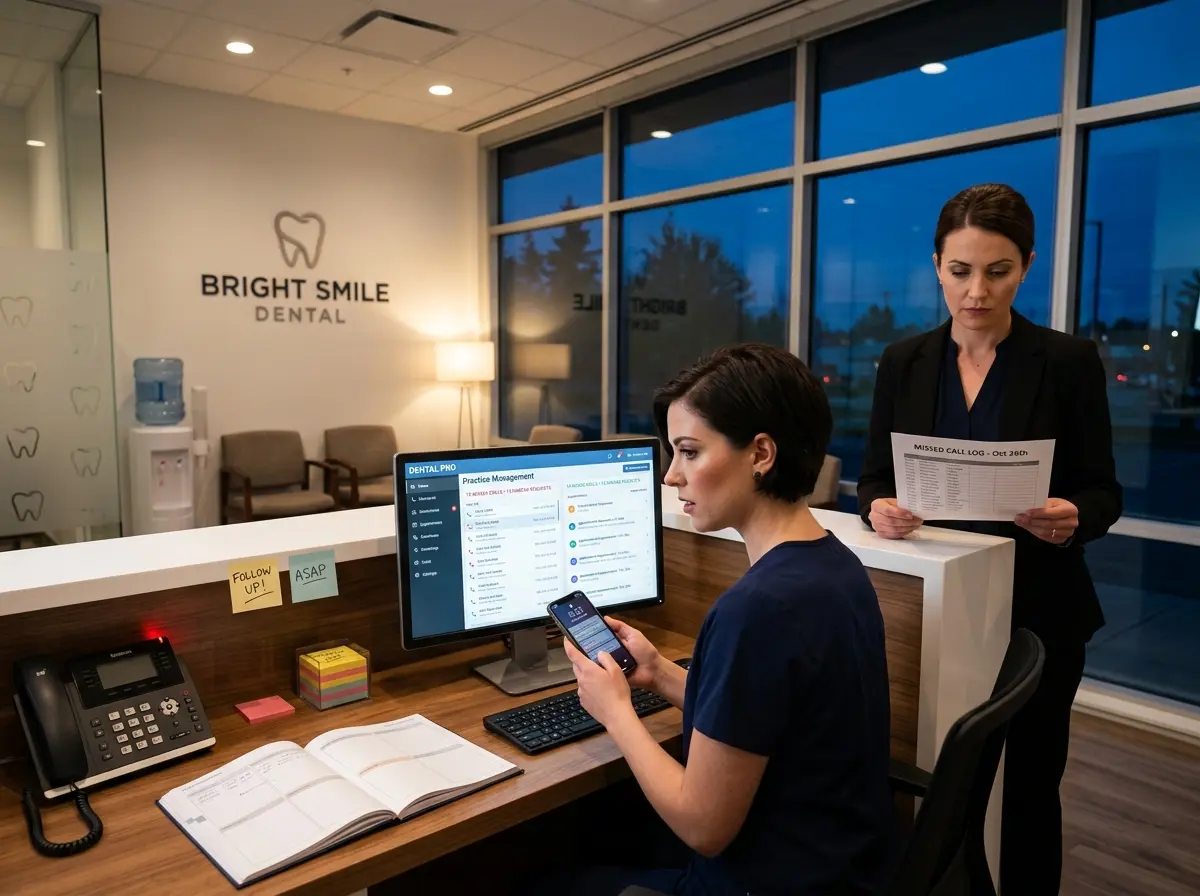
Voicemail is a graveyard for reservation requests. Most restaurant staff — rightfully focused on in-person service — don't check voicemail with any kind of urgency or regularity. The result is a growing backlog of customer messages that represent real revenue sitting unclaimed. Even when voicemails do get checked, the response time is often slow enough that the customer has already moved on.
If voicemail is part of your phone strategy, it needs to be treated as urgently as a ticket from the kitchen. That means designated responsibility, a clear response window (ideally under an hour during business hours), and a system that flags missed messages immediately rather than letting them collect dust.
7. You're Not Capturing Data From Phone Interactions
Every phone call is a data point — a customer telling you something about their preferences, their party size, their dietary needs, whether they're celebrating something special. Most restaurants capture approximately none of this. The host scribbles a name and a number on a notepad, and whatever context existed in that conversation evaporates.
Capturing customer data from phone interactions — even something as simple as "called to ask about gluten-free options" — lets you personalize experiences, follow up more meaningfully, and understand what your guests actually care about. It also helps you identify patterns: which promotions are driving calls, which questions come up repeatedly, and where your staff might need better talking points. The phone isn't just a communication tool; it's an intelligence-gathering opportunity that most restaurants completely ignore.
A Quick Reminder About Stella
Stella is an AI robot employee designed to work as both an in-store kiosk and a 24/7 phone receptionist for businesses of all kinds — including restaurants. She answers calls, captures customer information, promotes your current specials, and keeps your team informed without adding to their workload. Setup is straightforward, the subscription is affordable, and she never has an off night.
What to Do Starting Tomorrow
The good news is that none of these problems are permanent, and most of them are fixable without a massive operational overhaul. Here's where to start:
- Audit your missed calls. Most phone systems or carriers can show you how many calls went unanswered last week. The number will probably surprise you — and not in a good way.
- Define a voicemail response protocol. If voicemail is your backup, treat it like one. Assign ownership and set a response time standard that your team actually follows.
- Standardize your information. Hours, holiday schedules, current specials, reservation policies — make sure every person (or system) that answers your phone is saying the same thing.
- Consider after-hours coverage. Whether that's an AI solution, a dedicated reservations line, or a staff member assigned to monitor calls during peak decision-making windows, do something intentional here.
- Start capturing caller data. Even a simple intake question — "Have you dined with us before?" — gives you something to work with over time.
Your restaurant's food, atmosphere, and service are what keep people coming back. But they have to get through the door first — and increasingly, that journey starts with a phone call. Make sure yours is working for you, not against you. The reservations you're losing tonight aren't gone forever; they're just going to whoever answers the phone.