Introduction: Because One Purchase Should Never Be the Last
Congratulations — a customer just bought something from you. Champagne all around. But here's the uncomfortable truth most business owners quietly ignore: acquiring that customer cost you somewhere between 5 and 25 times more than it would cost to keep them. Yet the moment the transaction wraps up, many businesses essentially ghost their customers like a bad first date and then act surprised when those customers don't come back.
The post-purchase period is one of the most underutilized windows in all of retail and service-based business. Your customer just made a decision to trust you with their money. They're engaged, they're hopeful, and — if you play your cards right — they're primed to become a repeat buyer, a loyal advocate, and the kind of person who actually leaves five-star reviews without being begged.
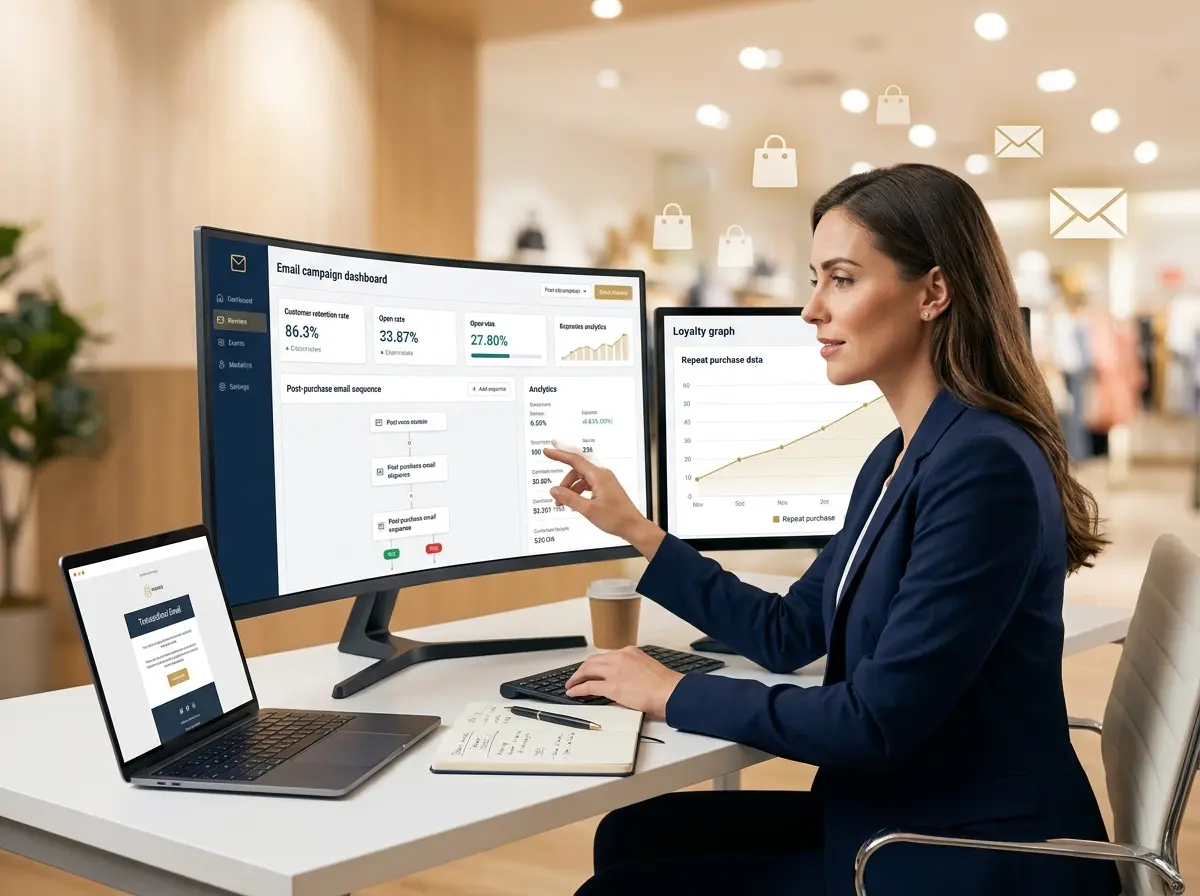
The secret weapon? A well-crafted post-purchase email sequence. Not a single "thanks for your order" email fired into the void, but a deliberate, thoughtful series of touchpoints designed to nurture the relationship, deliver genuine value, and make coming back feel like the obvious next step. Let's break down exactly how to build one.
The Anatomy of a Winning Post-Purchase Email Sequence
Email 1: The Immediate Confirmation (Send Within Minutes)
This one seems obvious, but it's worth saying clearly: your order confirmation email should do more than confirm an order. Yes, include the receipt details — customers expect that. But this is also your first opportunity to set the tone for the entire relationship. Thank them warmly and specifically. If they bought a skincare product, say something like, "You just made your morning routine a whole lot better." If they booked a service appointment, tell them what to expect when they arrive. Make the email feel human, not like it was generated by the same software that sends parking ticket notices.
Use this email to also introduce any relevant next steps — a short how-to guide, a video, a tip about getting the most out of their purchase. According to Klaviyo's data, post-purchase emails see open rates nearly double that of standard promotional emails. People are paying attention right now. Don't waste it on a glorified invoice.
Email 2: The Check-In (Send 3–5 Days Later)
A few days after the purchase, reach back out to ask how things are going. This email has one job: make the customer feel remembered. Something as simple as "Hey, we hope your new [product/service] is already doing its thing — any questions?" goes a long way. For service-based businesses, this is especially powerful. A gym, spa, or auto shop that follows up after a visit communicates that they actually care about outcomes, not just transactions.
This email is also a natural, low-pressure moment to ask for a review. Don't demand it. Don't offer a discount in exchange (that can actually violate some platform policies). Just invite it. Something like: "If you've got thirty seconds and a good experience to share, we'd love to hear from you." Keep it genuine.
Email 3: The Value Add (Send 7–10 Days Later)
By now, the customer has had real time with their purchase or service experience. This email should deliver something useful — a tip, a complementary product recommendation, a relevant piece of content, or an exclusive offer for existing customers. This is where smart cross-selling lives. If someone bought a coffee grinder from your specialty shop, recommend a brewing guide or a bag of beans that pairs well with their grind setting. If they visited your salon for a cut, remind them about your conditioning treatment packages.
This email should feel like advice from a knowledgeable friend, not a catalog. Personalization here doesn't have to mean complex automation — even simple segmentation based on purchase category can make your recommendations feel relevant and thoughtful.
How a Smarter Front-Line Experience Feeds Your Email List
Better Data In Means Better Emails Out
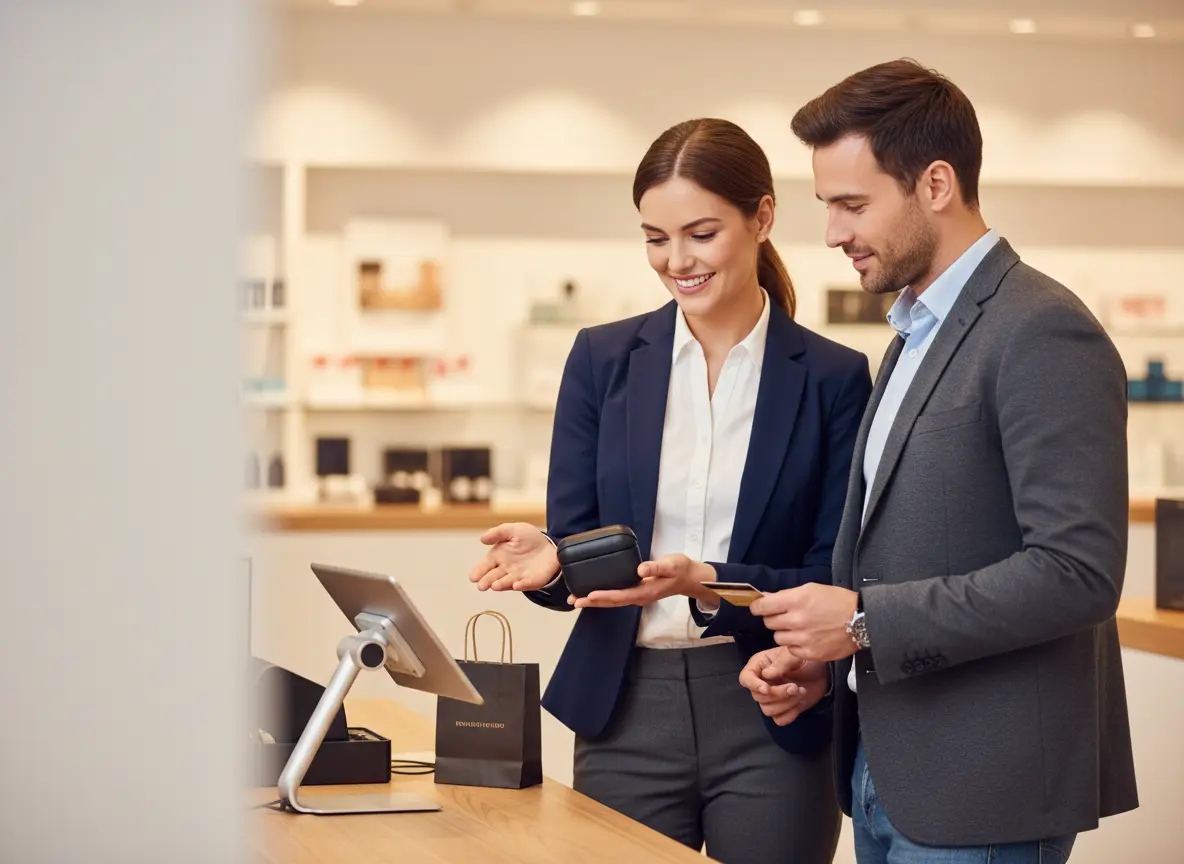
Your email sequence is only as good as the information you have. And here's where a lot of businesses quietly fall apart — they have no consistent, reliable way to capture customer contact information and purchase context at the point of interaction. Staff forget to ask. Things get busy. Customers get rushed through checkout without ever being invited into your ecosystem.
Stella, the AI robot employee and phone receptionist, can help close that gap. For businesses with a physical location, Stella stands inside your store as a full-sized AI kiosk, proactively engaging customers in natural conversation — answering questions, promoting current deals, and collecting customer information through conversational intake forms. For any business, she also answers phone calls 24/7 with the same product and service knowledge she uses in person, and can gather intake information during those calls as well. All of that customer data feeds directly into Stella's built-in CRM, complete with custom fields, tags, notes, and AI-generated profiles — giving you exactly what you need to fuel a personalized, well-timed post-purchase email sequence.
Turning Email Openers Into Repeat Customers
The Re-Engagement Offer (Send at the 30-Day Mark)
If a customer hasn't returned or re-engaged within 30 days, it's time to give them a reason to. This doesn't necessarily mean a discount — though a well-timed incentive certainly doesn't hurt. It might be a "we miss you" message highlighting something new you've added since their last visit, a seasonal promotion tied to their previous purchase category, or a simple reminder that you exist and are still great at what you do.
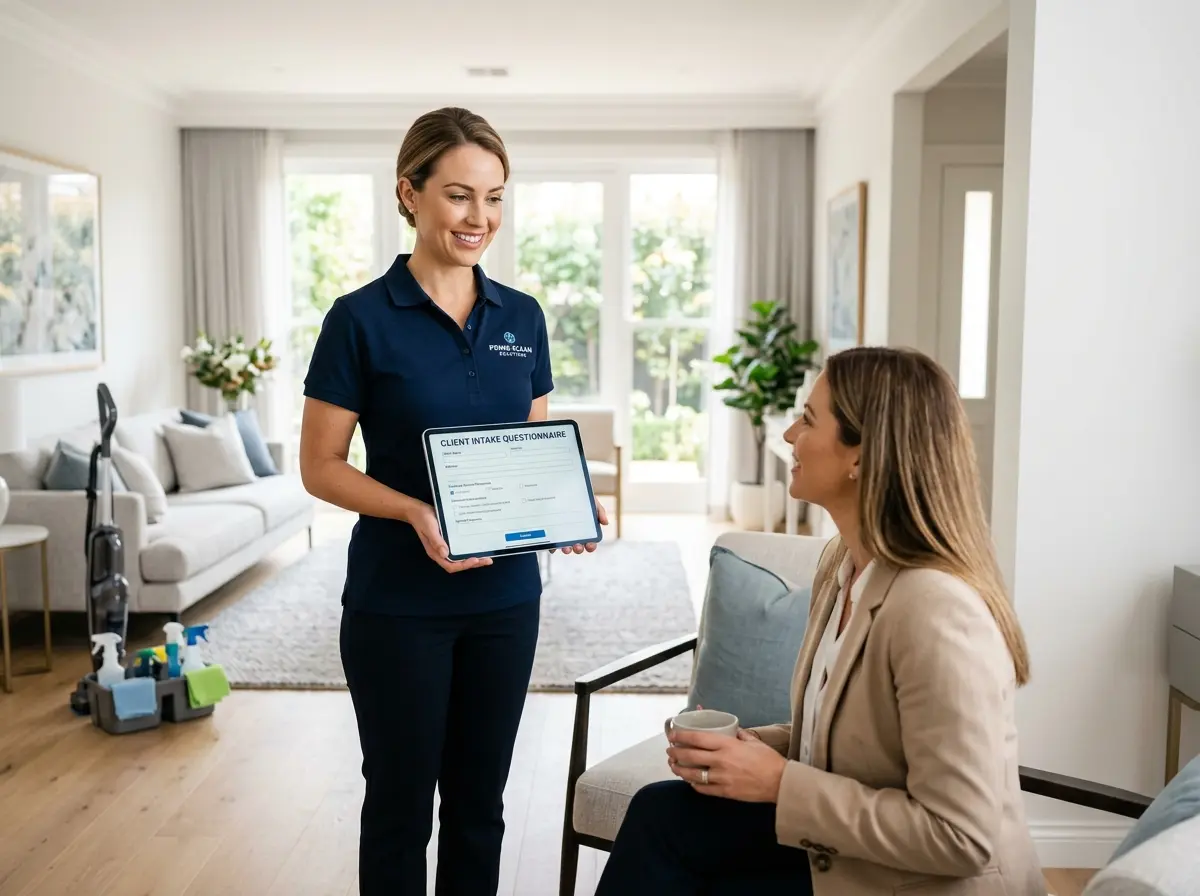
For service-based businesses — salons, spas, gyms, medical offices, auto shops — this email can be framed as a maintenance reminder. "It's been about a month since your last visit. Ready to schedule your next appointment?" That kind of messaging makes rebooking feel practical and logical rather than salesy. According to Bain & Company, increasing customer retention rates by just 5% increases profits between 25% and 95%. Your 30-day email might be the simplest profit lever you're not pulling.
The Loyalty Invitation (Send at 45–60 Days)
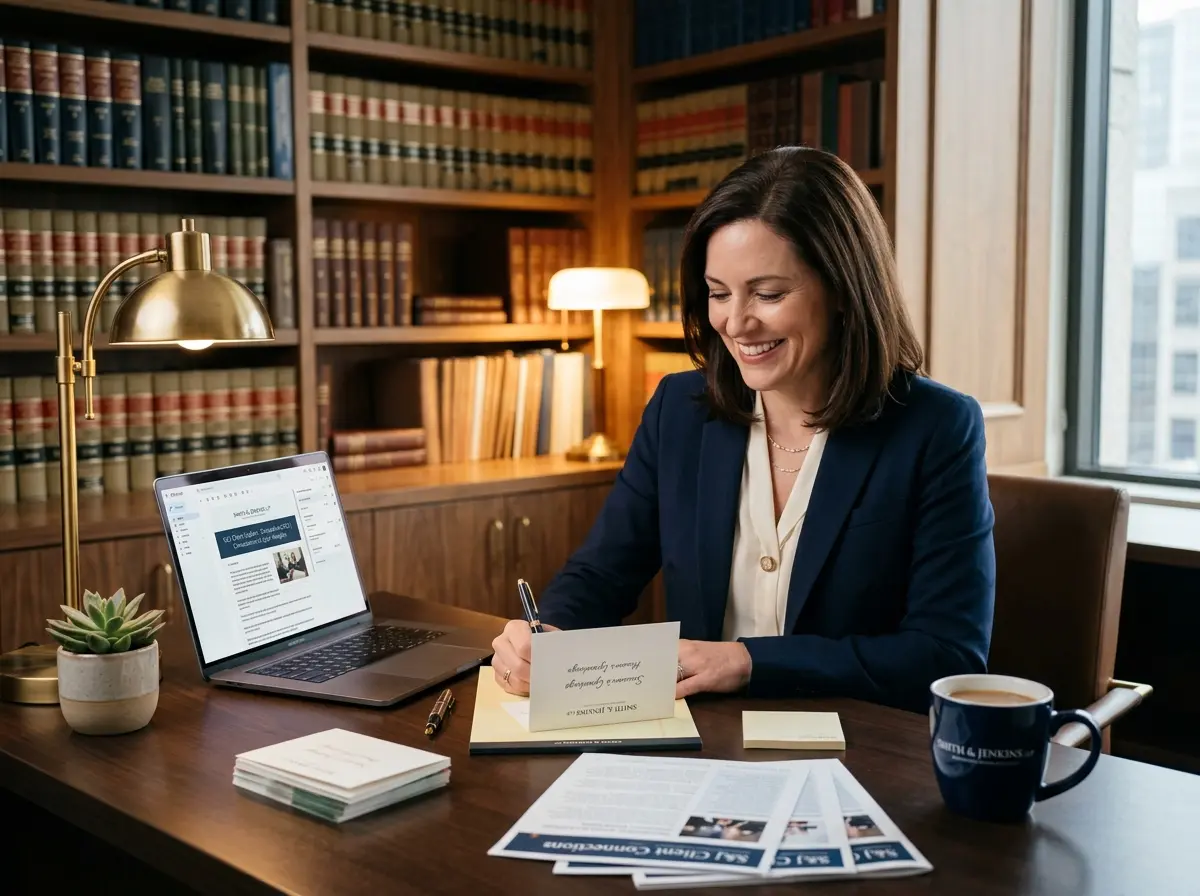
If someone has opened your emails and engaged with your content but hasn't returned yet, this is the moment to extend a more formal invitation into your loyalty ecosystem — whether that's a points program, a VIP list, a referral program, or simply a friendly "Hey, here's what it looks like to be a regular here." Paint a picture of the long-term relationship. What do frequent customers get that one-time buyers don't? Make it feel exclusive without being exclusionary.
This email can also double as a referral ask. Happy customers who haven't quite made it back yet are often still warm enough to refer a friend — especially if there's a mutual benefit involved. A simple "Share us with a friend and you both get 15% off your next visit" email has driven meaningful foot traffic for countless small businesses with almost no budget attached.
The Re-Purchase Nudge (Timed to Natural Replenishment Cycles)
For product-based businesses especially, understanding your replenishment cycle is email marketing gold. If you sell a 30-day supply of vitamins, send an email around day 25. If you sell a seasonal item, reach out when the season rolls around again. This kind of timing feels less like marketing and more like a helpful reminder — because it actually is. Customers appreciate businesses that understand their habits and make it easy to reorder without having to think about it.
Quick Reminder About Stella
Stella is an AI robot employee and phone receptionist that works inside your store as a full-sized kiosk and answers your phone calls 24/7 — all for just $99/month with no upfront hardware costs. She greets customers, promotes your offerings, answers questions, collects contact information, and keeps your CRM organized so your team can focus on what they do best. Whether you're a solopreneur, a brick-and-mortar retailer, or a service provider of any kind, Stella shows up every day ready to work — no coffee required.
Conclusion: Start the Sequence, Keep the Customer
Building a post-purchase email sequence isn't complicated, but it does require intentionality. The businesses that win at customer retention aren't necessarily the ones with the best product or the lowest price — they're the ones that stay in the conversation after the sale. Here's a practical path to get started:
- Map your customer journey from first purchase to ideal repeat visit, and identify the natural moments to reach out.
- Write your six core emails — confirmation, check-in, value add, 30-day re-engagement, loyalty invitation, and replenishment nudge.
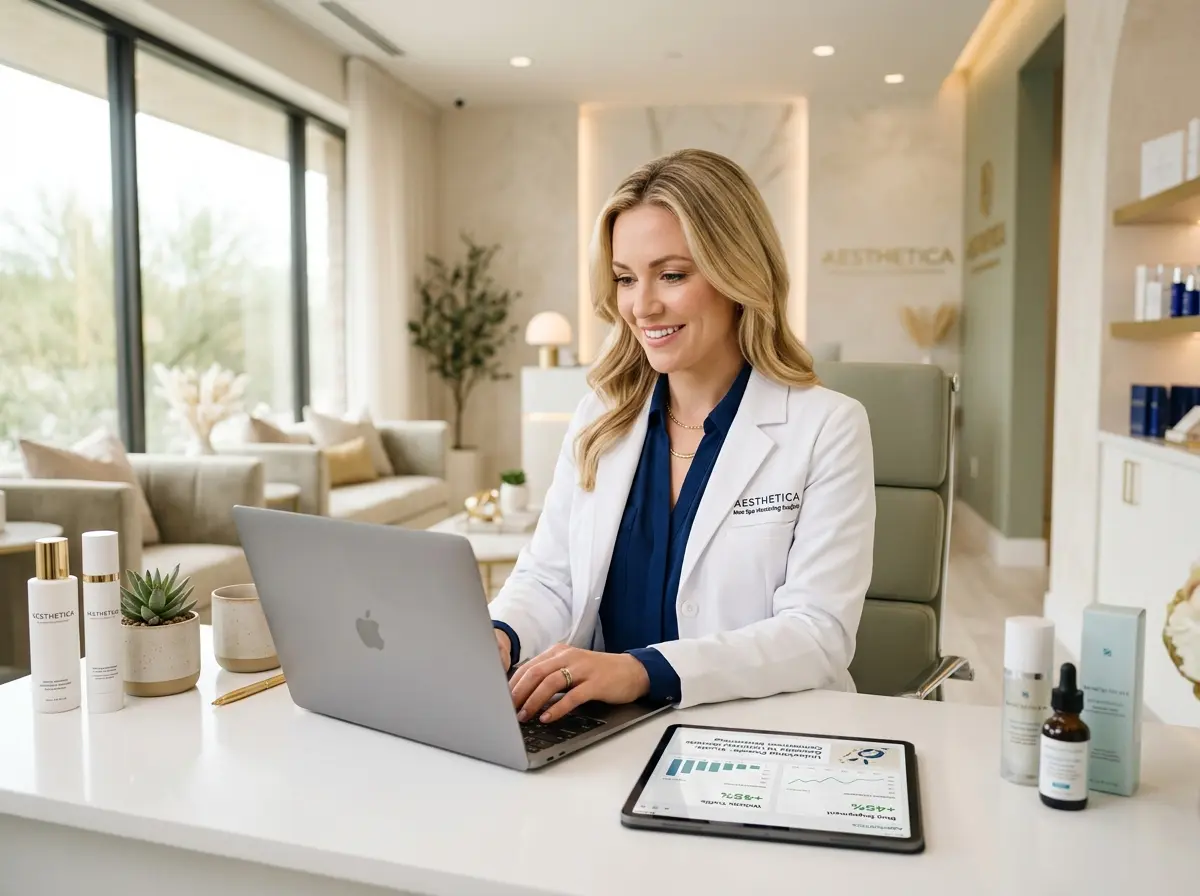
- Automate the sequence using a platform like Klaviyo, Mailchimp, or ActiveCampaign so it runs without you lifting a finger.
- Audit your data collection process to make sure you're consistently capturing the contact information and purchase context you need to personalize your emails effectively.
- Measure, tweak, repeat. Open rates, click-through rates, and return visit frequency will tell you everything you need to know about what's working.
Your customers chose you once. With the right follow-up, you can make choosing you again feel like the easiest, most natural decision they make all week. Now stop reading and go write those emails.