Your Hands Fix Spines — But Can They Fix Your Revenue Streams Too?
Let's be honest: you didn't spend years mastering the art of spinal alignment just to stare at a half-empty appointment calendar. And yet, here we are. The good news is that your expertise — the kind that makes desk workers weep with gratitude after a single adjustment — is worth far more than a per-visit copay. Ergonomic workplace assessments are a legitimate, scalable, and frankly underutilized B2B revenue stream that chiropractors are uniquely positioned to offer. You already understand how the human body rebels against a poorly positioned monitor. Why not get paid to tell companies about it before their employees end up on your table?
The numbers back this up. The Bureau of Labor Statistics consistently reports that musculoskeletal disorders account for roughly 30% of all worker injury and illness cases requiring days away from work. Businesses are increasingly aware that prevention is cheaper than workers' compensation claims, lost productivity, and the HR nightmare of chronic absenteeism. That awareness is your opening. This guide walks you through how to build, package, price, and sell ergonomic workplace assessments as a profitable B2B service — no extra certifications required (though they certainly help).
Building Your Ergonomic Assessment Service From the Ground Up
Before you start cold-emailing HR departments, you need a service that's actually worth buying. That means defining what you offer, what deliverables clients receive, and how you differentiate yourself from a generic corporate wellness vendor who learned everything from a YouTube playlist.
What a Chiropractor-Led Assessment Actually Looks Like
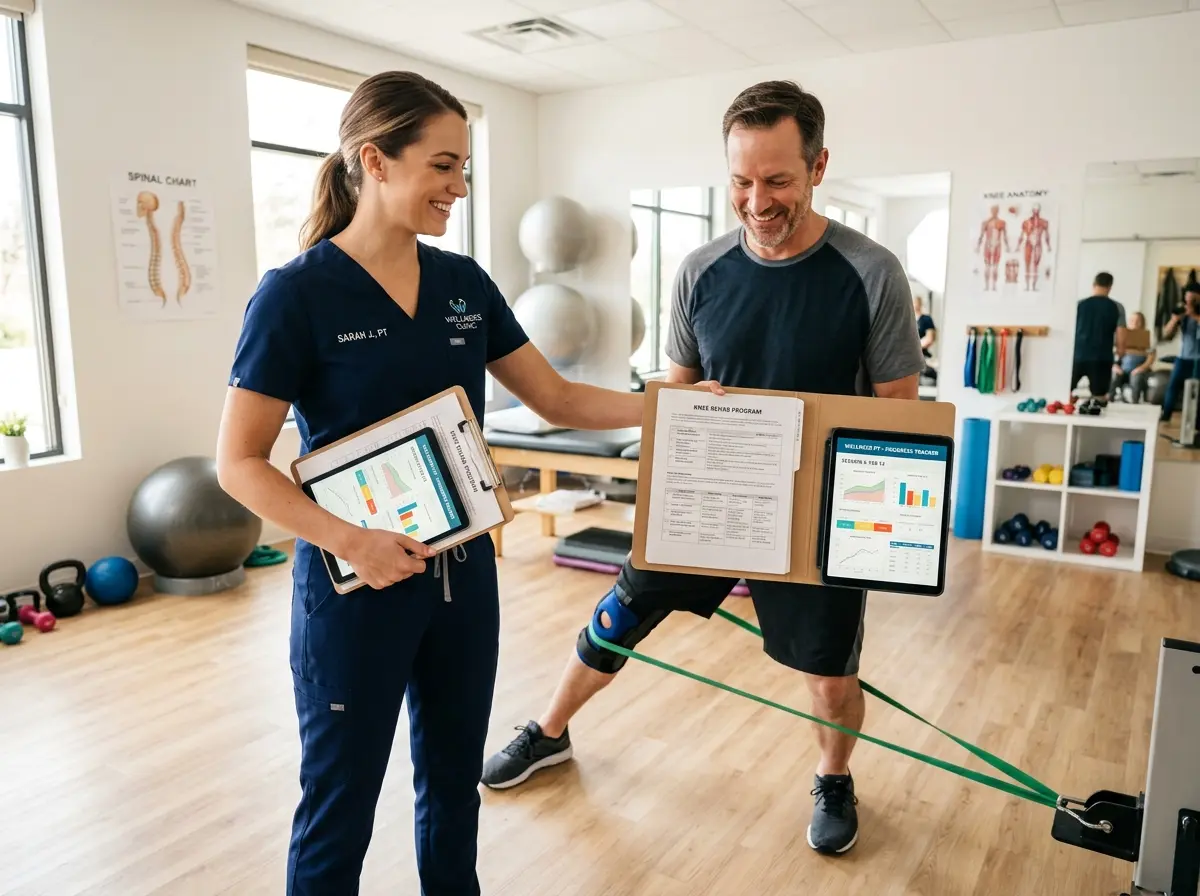
A chiropractor-led ergonomic assessment goes well beyond "your chair is too low." You bring clinical knowledge of posture, spinal mechanics, and repetitive strain injury patterns that a general HR consultant simply doesn't have. A comprehensive assessment typically includes a walkthrough of workstations, observation of employee posture during actual tasks, an analysis of equipment setup (monitors, keyboards, chairs, standing desks), and documentation of risk factors. You can tier your service — a basic assessment for a small office of 10 people looks very different from a full-day engagement at a 200-person facility. Build those tiers deliberately and price them accordingly.
Your deliverable should be a written report with specific, actionable recommendations — not a vague pamphlet. Companies are paying for expertise, and they want something they can hand to their facilities manager and say, "Fix this." Include photographs, risk ratings per workstation, and a prioritized list of changes. Bonus points if you offer a follow-up assessment at a discounted rate, which also locks in a recurring revenue relationship.
Certifications and Credibility Boosters Worth Considering
While your chiropractic license already lends significant credibility, a few targeted credentials can open corporate doors faster. The CEAS (Certified Ergonomics Assessment Specialist) designation is well-recognized and attainable through a relatively short training program. Similarly, a working knowledge of OSHA ergonomics guidelines isn't just useful — it's the language HR and safety officers speak. When you can reference OSHA's General Duty Clause in a proposal meeting, you stop sounding like a healthcare provider pitching a side hustle and start sounding like a compliance partner. That reframe is worth more than any brochure.
Packaging Your Service for Business Buyers
Business buyers think differently than individual patients. They want to know ROI, liability reduction, and scalability — not just that their employees will feel better. Package your service with that language in mind. Create a one-page service summary that speaks to reduced workers' comp claims, improved productivity, and employee retention (companies with strong wellness programs report up to 28% lower sick-leave costs, according to Harvard Business Review research). Offer tiered packages: a single-day assessment, a monthly retainer for ongoing compliance checks, and a group workshop add-on where you educate employees directly. The workshop model is particularly powerful — it turns a one-time engagement into a relationship.
Streamlining Your Practice While You Scale B2B
Here's the part nobody warns you about: adding a B2B revenue stream means adding administrative complexity. You're now juggling patient appointments, corporate scheduling, proposal follow-ups, and intake coordination — all while trying to, you know, run a chiropractic practice. This is exactly the kind of operational strain that causes promising revenue streams to quietly die after three months.
Let Technology Handle the Front Door
This is where smart automation pays for itself. Stella, an AI robot employee and phone receptionist, can handle inbound calls and front-desk interactions for your practice around the clock — so your human staff isn't drowning in scheduling calls while you're out doing a corporate site visit. Stella answers phones 24/7 with full knowledge of your services, handles intake through conversational forms, and can collect corporate inquiry information before a human ever needs to get involved. For a chiropractic practice actively pursuing B2B clients, that kind of always-on professionalism matters — because corporate HR contacts don't always call during business hours, and a missed call is a missed contract. Her in-office kiosk presence also ensures that walk-in patients are greeted and assisted even when your front desk is occupied with more complex tasks.
Finding, Pitching, and Closing Corporate Clients
The best ergonomic assessment program in the world generates zero revenue if no one knows it exists. B2B sales require a fundamentally different approach than patient acquisition — you're not waiting for someone's back to give out. You're proactively making a case to people who may not yet realize they have a problem worth solving.
Identifying the Right Target Companies
Start local and start specific. Small-to-medium businesses with office-based workforces — accounting firms, law offices, tech companies, insurance agencies, marketing agencies — are ideal first targets. They have enough employees to make an assessment worthwhile but aren't so large that they have an in-house ergonomics department. Industries with known repetitive strain exposure — manufacturing, dental offices, call centers — are also excellent targets because the risk is already visible to their HR teams. LinkedIn is your friend here. Search for HR managers, Office Managers, or EHS (Environmental Health and Safety) coordinators at companies within a 30-mile radius and start building a targeted outreach list.
The Pitch That Actually Works
Lead with their problem, not your service. A cold email that opens with "I'm a chiropractor offering ergonomic assessments" gets deleted. An email that opens with "Companies in your industry file an average of X musculoskeletal injury claims per year — here's how one assessment reduced that by 40% at a similar firm" gets read. If you don't yet have a corporate case study, create a before-and-after scenario from a detailed hypothetical, or offer a deeply discounted pilot assessment to a local business in exchange for a testimonial. That first case study is worth its weight in signed contracts.
Once you're in the door, frame everything around their business outcomes. Workers' comp premiums, absenteeism rates, employee satisfaction scores, and OSHA compliance are the metrics that matter to decision-makers. Show up to that first meeting with a one-page summary, a clear pricing menu, and a process they can explain to their CFO in two sentences. Keep it simple — complexity kills deals.
Turning One Client Into a Recurring Revenue Relationship
The smartest thing you can do after delivering an excellent assessment is build in a reason to return. Offer a 6-month follow-up assessment at a reduced rate. Propose a quarterly "ergonomics hour" where you do a mini-workshop for new hires. Suggest an annual retainer that includes priority scheduling and unlimited email Q&A for their safety coordinator. Companies that have already said yes to you once are dramatically easier to upsell than new prospects — and a $500 one-time assessment can easily evolve into a $3,000/year relationship with the right follow-through.
Quick Reminder About Stella
Stella is an AI robot employee and phone receptionist that works 24/7 — greeting patients at your in-office kiosk, answering calls, collecting intake information, and promoting your services without ever needing a lunch break or a sick day. For a chiropractor juggling clinical work and B2B business development, she's the kind of reliable front-line presence that keeps your practice running smoothly while you focus on growth. At $99/month with no upfront hardware costs, she's one of the more sensible investments on your operational checklist.
Your Spine — and Your Business — Will Thank You
Ergonomic workplace assessments aren't a gimmick or a distraction from your core practice — they're a natural extension of everything you already know, packaged for a market that desperately needs what you offer. Businesses are spending real money on workplace injury prevention, and they'd much rather work with a credentialed clinician who can explain why bad posture causes the specific injuries they're seeing than with a generic wellness consultant reading from a checklist.
Here's your action plan to get started. First, define your service tiers and pricing — even rough numbers are better than nothing when you're starting outreach. Second, create a one-page service summary written in business language, not clinical language. Third, build a list of 20-30 local target companies and identify the right contact at each. Fourth, send 10 personalized outreach emails this week — not next week, this week. Fifth, deliver a pilot assessment (even a discounted one) to get your first case study in hand. The rest is iteration.
You've already built a career helping people move better and hurt less. Now it's time to bring that expertise to the workplace — and get paid like the specialist you are.