The Eternal Receptionist Dilemma: Humans, Robots, or Both?
The Real Cost of a Human Receptionist
Salary, Benefits, and the Hidden Price Tag
Let's start with the obvious: human receptionists cost money. According to the U.S. Bureau of Labor Statistics, the median annual wage for a receptionist is around $33,000–$38,000, which sounds manageable until you factor in payroll taxes (roughly 7.65% in FICA alone), health insurance contributions, paid time off, sick days, and the occasional birthday cake. A realistic fully-loaded cost for a single full-time receptionist is often closer to $45,000–$55,000 per year for a small business — before you've bought a single desk plant or invested in a decent headset.
Turnover, Training, and the "Learning Curve Tax"
Here's the part nobody puts in a job posting: receptionists leave. The average annual turnover rate in customer-facing roles hovers around 30–45% in many industries. Every time someone walks out the door, you're absorbing recruiting costs, onboarding time, and the inevitable awkward period where your new hire accidentally tells a customer you close at 5 PM when you actually close at 6 PM on Thursdays. Training a new receptionist to know your products, services, policies, promotions, and your preferred tone of voice takes weeks — sometimes months. And during that window, your customer experience suffers.
Availability: The 40-Hour Week Problem
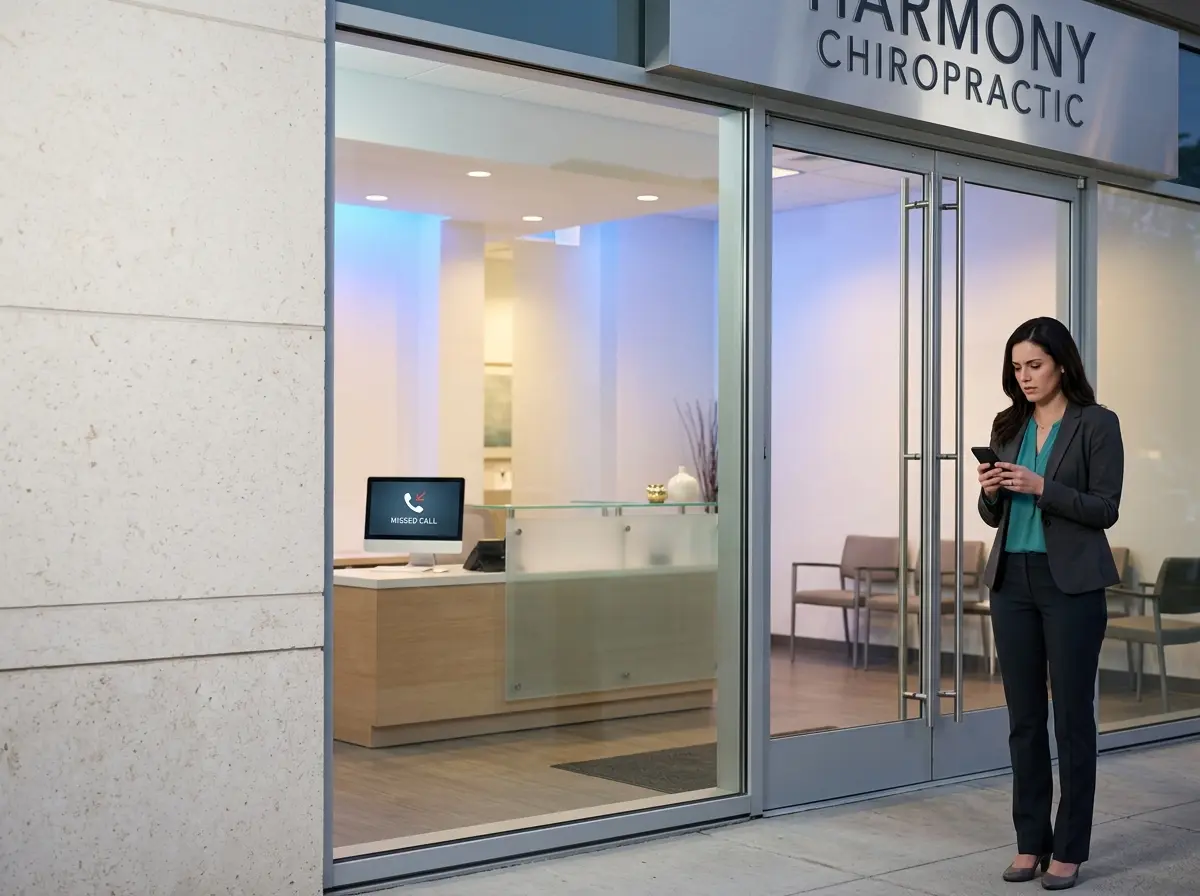
Even the best human receptionist can't work 24 hours a day, seven days a week — nor should they. But your customers don't particularly care about shift schedules. They call when they call, walk in when they walk in, and expect answers on their timeline. After-hours calls go to voicemail (if you're lucky), and weekend inquiries pile up until Monday. Every unanswered call is a potential lost customer, and research from Lead Response Management suggests that the odds of converting a lead drop by over 80% if you don't respond within five minutes. Your receptionist's lunch break is costing you more than a sandwich.
Where AI Receptionists Fit In — and Where Stella Comes In
The Case for AI: Consistency, Cost, and Coverage
Stella takes this a step further by offering both an in-store kiosk presence and full phone answering capabilities — meaning she can greet customers at your physical location and field incoming calls, all with the same consistent knowledge about your business. She can collect customer information through conversational intake forms, manage those contacts in a built-in CRM with custom fields and AI-generated profiles, and even provide insights about which promotions are resonating with customers. For $99/month with no hardware costs to get started, the cost-benefit math is almost embarrassingly favorable compared to a full-time hire.
What Human Receptionists Still Do Better
Emotional Intelligence and Complex Situations
Judgment Calls and Improvisation
The Hybrid Approach: Playing to Each Strength
Making the Business Case: A Side-by-Side Look
The Numbers That Actually Matter
When you strip away the sentimentality and look at pure return on investment, the comparison is stark for most small businesses. A human receptionist working 40 hours a week, 50 weeks a year, provides roughly 2,000 hours of coverage annually — at a loaded cost of $45,000–$55,000. An AI receptionist provides 8,760 hours of coverage annually (that's every hour of every day, yes) at a fraction of the cost. Even if you only value the extended coverage at half the rate of business hours, the cost-per-available-hour difference is substantial.
When to Hire Human, When to Deploy AI, and When to Do Both
A Quick Reminder About Stella
Stella is a friendly, human-sized AI robot kiosk and phone receptionist built specifically for businesses like yours. She greets customers in your store, answers calls 24/7, promotes your deals, handles intake forms, and manages customer contacts — all for $99/month with no upfront hardware costs. Whether you're a retailer, a gym owner, a restaurant, a medical office, or a solo service provider, she's ready to work the moment you set her up.
So, What Should You Actually Do?
- Audit your current gaps. How many calls go unanswered after hours? How often are walk-in customers ignored because staff is busy? How long does it take to respond to a new inquiry? These gaps are costing you money right now.
- Calculate your true receptionist cost. Don't just look at salary — factor in taxes, benefits, turnover, and training time. The real number is almost always higher than business owners expect.
- Identify which interactions genuinely need a human. Most businesses will find that a large majority of incoming contacts are routine questions, appointment inquiries, or basic information requests — all of which AI handles well.
- Start with AI for coverage, not replacement. Position AI reception as an extension of your team, not a substitution for it. Your human staff will thank you for fielding the repetitive stuff so they can focus on work that actually requires them.