Introduction: Because "Just Work Out More" Isn't a Business Strategy
Let's be honest — most fitness studio members join with big dreams, show up consistently for about three weeks, and then gradually ghost you like a bad first date. The treadmills get lonely. The kettlebells collect dust. And your monthly churn rate quietly climbs while you wonder what went wrong.
Here's the thing: people don't quit fitness studios because they stop caring about their health. They quit because they stop seeing progress — or more accurately, because nobody ever showed them how to measure it. When members can't connect the dots between their effort and their results, motivation evaporates faster than a post-workout protein shake.
That's where a structured body composition tracking program becomes one of the most powerful retention tools in your arsenal. We're not talking about slapping a scale in the corner and calling it a day. We're talking about a real, engaging, data-driven program that makes members feel seen, supported, and genuinely excited to come back. This guide will walk you through building one from the ground up — with practical steps, a few laughs, and zero fluff.
Building the Foundation of Your Tracking Program
Choosing the Right Metrics (Hint: Weight Is Not the Whole Story)
The first mistake most studios make is treating the bathroom scale as the gospel truth. Weight fluctuates daily based on hydration, sleep, stress, and what you had for dinner — which means a member who's been crushing it all month might step on the scale on a bad day and feel like a complete failure. That's a churn event waiting to happen.
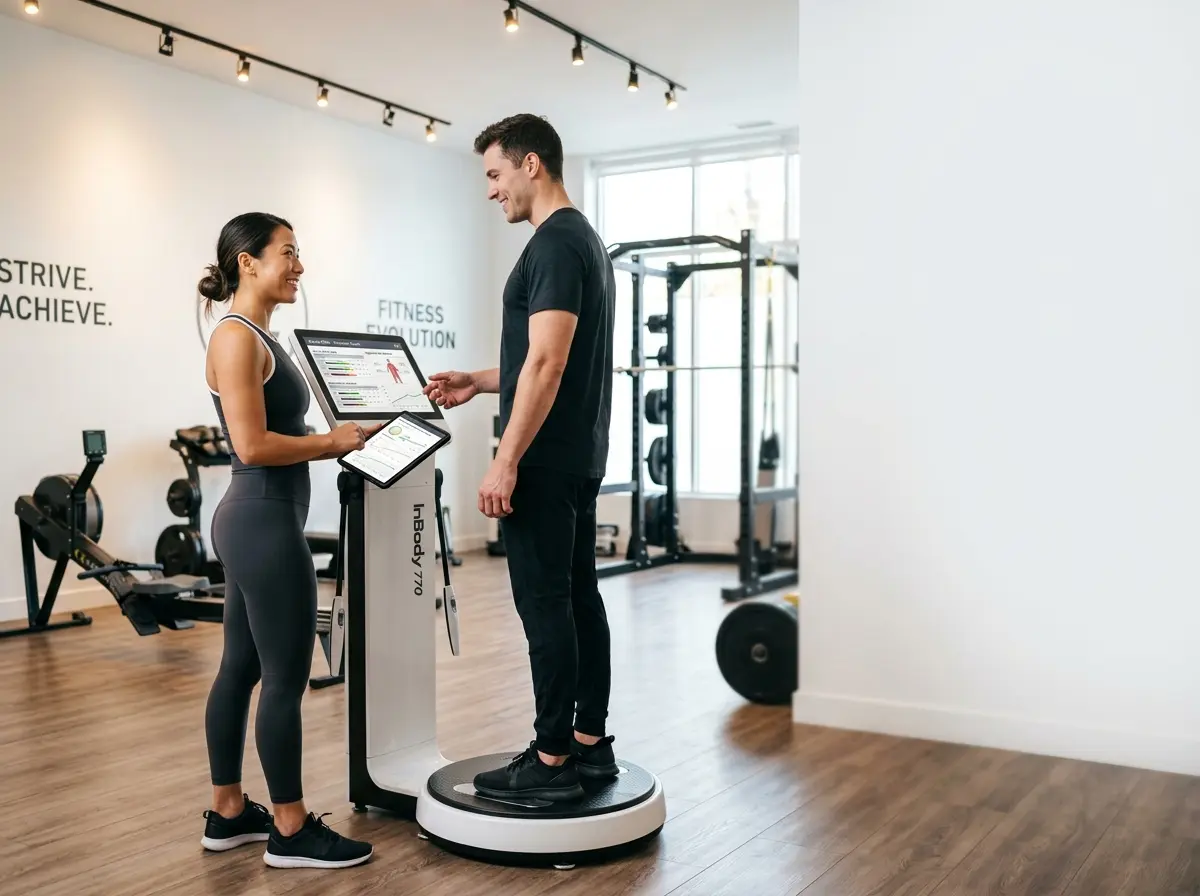
A well-rounded body composition tracking program should include metrics that actually tell the whole story. Consider incorporating body fat percentage, lean muscle mass, visceral fat levels, resting metabolic rate, and basic circumference measurements (waist, hips, arms, and thighs). Tools like InBody scanners or DEXA scans offer clinical-grade accuracy, but even a quality bioelectrical impedance scale paired with tape measurements can give members meaningful data to work with.
The goal is to reframe progress. A member might gain two pounds on the scale but lose two inches off their waist — and that is a win worth celebrating loudly. When you help members understand what the numbers actually mean, they stop dreading check-ins and start looking forward to them.
Establishing a Check-In Schedule That Members Will Actually Follow
Frequency matters — but so does consistency. Industry data suggests that members who participate in regular progress tracking are up to 40% more likely to renew their memberships compared to those who have no structured accountability system. That's not a small number.
A good rule of thumb is to schedule formal body composition assessments every four to eight weeks. Any more frequent than that and you're measuring noise, not signal. Any less frequent and members lose the thread of their journey. Many studios find success with a 6-week check-in cycle, which aligns neatly with most short-term fitness challenges and goal-setting windows.
Make the process feel like an event, not a chore. Consider offering dedicated assessment slots with a certified trainer, light refreshments, and a quick one-on-one review of results. Frame it as a "Progress Party" if you want to be fun about it — because members who feel celebrated stick around.
Designing a Simple but Meaningful Progress Report
Raw numbers mean nothing without context. If you hand a member a printout that says their body fat is 28.4% without explaining what that means or how it's changed, you've wasted both of your time. Your progress reports need to translate data into a narrative that members can emotionally connect with.
Great progress reports include a side-by-side comparison of previous and current metrics, a plain-language summary of what changed and why it matters, a clear next goal to work toward, and a recommended adjustment to their current program. Keep it visual — charts, arrows, and color coding go a long way. And always end with something positive. Even marginal progress is progress, and framing it as such builds the kind of psychological momentum that keeps members motivated between sessions.
Streamlining Member Intake and Communication
Making First Impressions Count — Before and During the Assessment
A body composition program lives or dies on its onboarding experience. If a prospective member calls to ask about your tracking program and gets voicemail, or walks in and gets ignored because your front desk is overwhelmed — you've already lost them. This is where smart front-of-house systems make a real difference.
Stella, the AI robot employee and phone receptionist, is genuinely useful here. As a physical kiosk presence inside your studio, Stella can greet walk-in prospects, answer questions about your body composition program, and even collect intake information conversationally before they ever meet with a trainer. On the phone side, she handles calls 24/7 so no inquiry goes unanswered — including questions about assessment scheduling, pricing, and what to expect during a check-in session. For studios using intake forms to capture member health history and goals before their first assessment, Stella's built-in CRM and intake form capabilities make that process seamless and organized, without adding work to your staff's plate.
Keeping Members Engaged Long After the First Scan
Building a Culture of Accountability Without the Guilt
The biggest enemy of long-term engagement isn't laziness — it's the absence of community. Members who feel like they're going it alone are far more likely to quietly cancel when life gets busy. Your tracking program should be deliberately social.
Consider creating a dedicated progress tracking cohort that starts together and checks in together. Running monthly leaderboards (focused on improvement percentages rather than raw numbers, to keep it inclusive), celebrating milestone achievements publicly on social media with member consent, and hosting quarterly "Transformation Showcases" can all build the kind of peer accountability that keeps attendance high. When a member knows their training partners are going to ask how their check-in went, skipping the gym feels a lot less appealing.
Leveraging Technology to Automate the Follow-Through
Even the most well-intentioned studio owner can't personally follow up with every member after every check-in. That's what automation is for. Use your studio management software to trigger personalized emails or SMS messages after each assessment that include a summary of results, an encouraging message, and a direct link to book their next session with a trainer.
Apps like Trainerize, Mindbody, or PT Distinction allow you to build out custom progress tracking dashboards that members can access from their phones, keeping their data visible and top of mind between check-ins. Push notifications reminding members that their next assessment is coming up — or that they're halfway to a specific milestone — are small touches that create outsized loyalty. The studios that win long-term retention are almost always the ones that communicate proactively rather than reactively.
Tying Body Composition Data to Real-Life Goals
Numbers on a screen only matter when they connect to something a member actually cares about. A 45-year-old dad doesn't lie awake thinking about his visceral fat score — but he absolutely thinks about keeping up with his kids at the park, fitting into his old jeans, or having energy past 8pm. Your job is to bridge that gap.
During every assessment review, ask members to articulate what their goal feels like — not just what it looks like on paper. Then tie their metrics directly to that feeling. "Your resting metabolic rate increased by 80 calories, which means your body is burning more fuel at rest — you're literally closer to having that energy you mentioned." That kind of personalized translation is what separates a forgettable gym from a studio people actively rave about to their friends. Word-of-mouth referrals from satisfied, results-oriented members are worth more than any paid ad campaign you'll ever run.
Quick Reminder About Stella
Stella is an AI robot employee and phone receptionist built to help businesses like fitness studios run more smoothly — without adding headcount. She stands inside your studio as a friendly kiosk, greets members and prospects, answers questions, and collects information, while also answering phone calls 24/7 with the same knowledge she uses in person. At just $99/month with no upfront hardware costs, she's one of the easiest front-of-house upgrades a growing studio can make.
Conclusion: Stop Hoping Members Stay — Give Them a Reason To
Building a body composition tracking program isn't just a nice-to-have — it's one of the most strategic investments you can make in member retention. When people can see their progress, understand what it means, and feel celebrated for it, they stop thinking of your studio as an expense and start thinking of it as an essential part of their identity. That's when churn stops being a problem.
Here's your action plan to get started:
- Select your tracking tools — Choose body composition measurement equipment that fits your budget and delivers reliable, consistent results.
- Build your check-in schedule — Set up a 4-6 week recurring assessment cycle and make the experience feel like an event worth showing up for.
- Design a progress report template — Create a visual, plain-language report that translates data into a narrative members can connect with emotionally.
- Automate your follow-up communication — Use your studio management software to send personalized check-in summaries and next-step recommendations automatically.
- Build community around progress — Use cohorts, leaderboards, and public celebrations to make accountability feel like belonging.
- Streamline your intake and front-of-house experience — Ensure every inquiry, walk-in, and phone call is handled professionally so no potential member slips through the cracks.
Your members showed up because they want to change their lives. A great body composition tracking program is how you prove to them — month after month — that showing up with you was absolutely the right call.