Introduction: Because "One-Size-Fits-All" Doesn't Work When Someone's Getting a Laser Treatment
Let's be honest — no two med spa clients are the same. One person walks in wanting a subtle refresh; another arrives with a printed Pinterest board, three pages of questions, and a very specific vision for their jawline. If you're greeting both of them with the exact same intake process and consultation experience, you're leaving money on the table — and probably leaving clients feeling like just another appointment slot.
The good news? Consultation forms are one of the most underutilized tools in a med spa's arsenal. When designed thoughtfully, they do far more than collect emergency contacts and allergy information. They reveal client goals, set expectations, flag contraindications, and — perhaps most importantly — give your team the intelligence they need to deliver a genuinely personalized experience before the client even sits down in the treatment chair.
According to a report by Salesforce, 66% of consumers expect companies to understand their unique needs and expectations. In the med spa world, where treatments are intimate, results-driven, and often emotionally charged, that expectation isn't just a nice-to-have — it's a baseline. This guide walks you through exactly how to use consultation forms to elevate the client experience, improve outcomes, and build the kind of loyalty that turns first-timers into regulars.
Building Consultation Forms That Actually Tell You Something
Most consultation forms are designed by someone who was told "we need a form." The result is a clipboard of generic questions that clients fill out in the waiting room while half-watching the TV in the corner. If your intake process feels like filling out paperwork at the DMV, it's time for a redesign.
Ask About Goals, Not Just Medical History
Medical history questions are non-negotiable — yes, you absolutely need to know about blood thinners and autoimmune conditions. But stopping there is a missed opportunity. Your consultation form should also capture the client's why. Are they preparing for a milestone event? Trying to address a specific concern they've been self-conscious about for years? Just curious after seeing an ad? Understanding motivation shapes everything from the services you recommend to how you frame results and timelines.
Consider including open-ended prompts like: "What would you love to feel differently about your appearance six months from now?" or "Have you had any aesthetic treatments before? If so, what did you love or wish had been different?" These questions invite clients to tell their story, and that story gives your providers the context to have a real conversation — not just a clinical assessment.
Segment Clients with Smart, Targeted Questions
Not every question belongs on every form. A client coming in for their first-ever Botox consultation has very different needs than a longtime member booking their quarterly filler touch-up. Consider building tiered or service-specific forms that branch based on what the client is interested in. New clients might get a more comprehensive lifestyle and goals section, while returning clients get a streamlined update form that just captures what's changed since their last visit.
You can also use forms to identify upsell opportunities — not in a pushy way, but in a genuinely helpful one. A simple question like "Are there any other areas you've been curious about treating?" opens the door to a conversation your staff might not have thought to initiate. That's not a sales tactic; that's good care.
Use Language That Feels Human, Not Clinical
The tone of your forms sets the tone of the relationship. Dense medical jargon and impersonal phrasing can make clients feel like they're being processed rather than welcomed. Write your questions in plain, warm language that reflects your brand voice. If your med spa is known for being approachable and modern, your forms should feel the same way. A question like "Tell us a little about what brings you in today" feels very different from "State the reason for your appointment." Same information, completely different energy.
How Stella Can Help You Capture and Manage Client Information
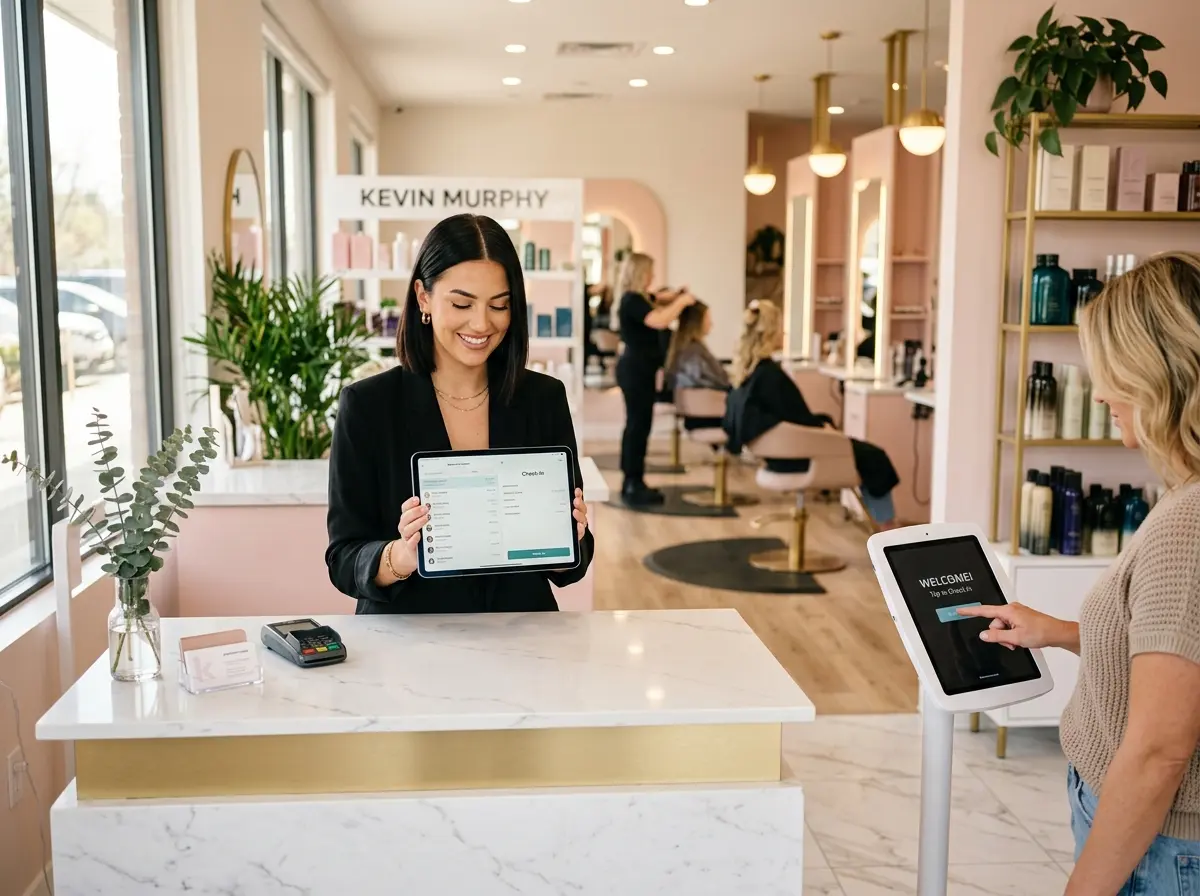
Here's where technology earns its keep. Collecting great consultation data is only useful if it's organized, accessible, and actually reviewed before the client walks in. Stella, the AI robot employee and phone receptionist, can collect client intake information conversationally — whether through a phone call, a web-based form, or her in-store kiosk presence in your lobby. Instead of handing someone a clipboard, Stella guides clients through intake questions in a natural, friendly dialogue that feels less like paperwork and more like a pre-visit conversation.
All of that information flows directly into Stella's built-in CRM, where you can create custom fields, add tags, write notes, and review AI-generated client profiles. Your team walks into every consultation already knowing who they're about to meet. That kind of preparation doesn't just improve the client experience — it makes your providers look exceptionally good at their jobs, which, frankly, they are. Stella just makes sure everyone in the room knows it.
Translating Form Data Into a Personalized Client Experience
Collecting detailed consultation information is step one. Actually using it is where most med spas drop the ball. The data sitting in your forms is only as valuable as what you do with it before, during, and after the appointment.
Brief Your Team Before Every Appointment
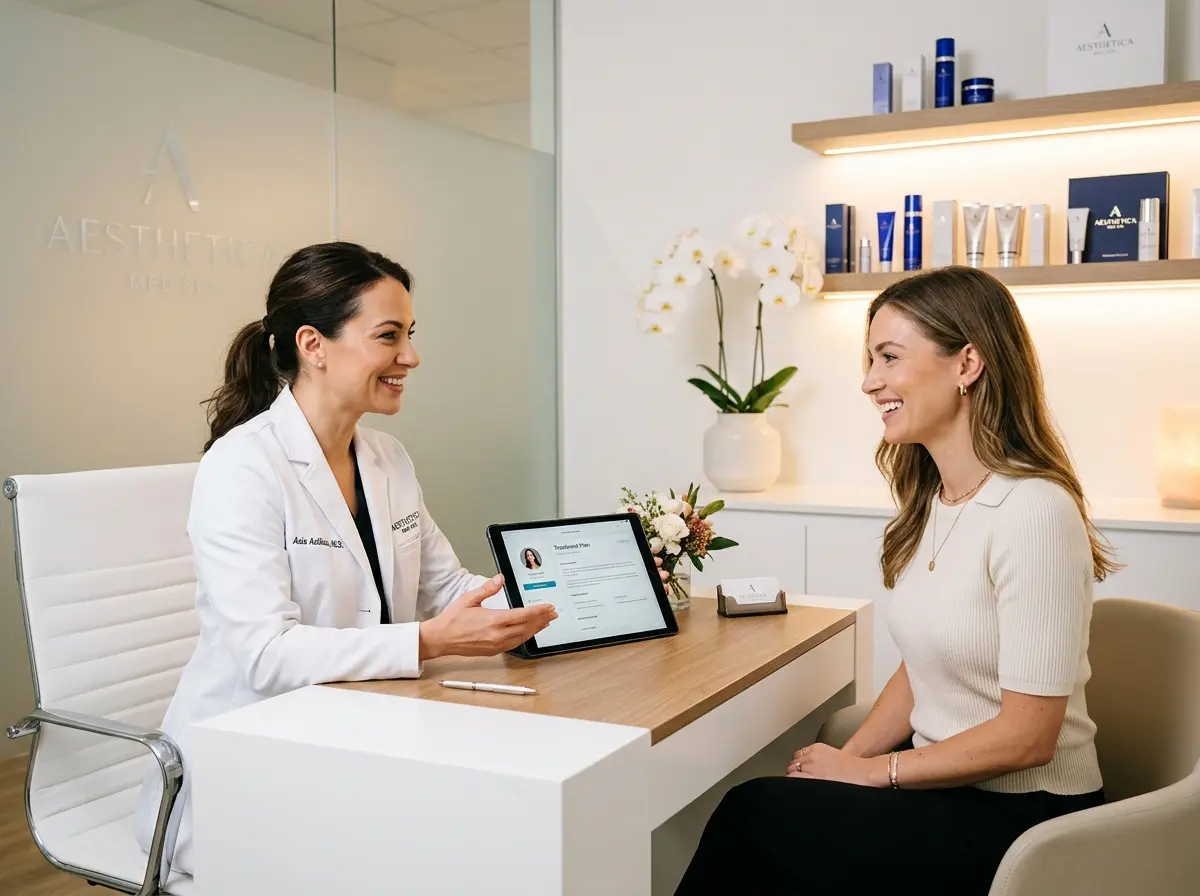
Make it a non-negotiable part of your workflow: every provider reviews the client's consultation form and CRM profile before the appointment begins. Even a two-minute review can reveal that a client mentioned feeling nervous about needles, or that they specifically said they want a natural look and not a dramatic change. That kind of context transforms a good consultation into a great one. It signals to the client — immediately — that they're being heard, not just treated.
Build this into your scheduling system as a reminder, or create a pre-appointment checklist for your providers. The goal is to eliminate the awkward moment where a client has to repeat everything they already wrote down, which is somehow both tedious and oddly deflating.
Use Intake Data to Personalize Follow-Up Communications
Your consultation form data shouldn't just live in your system collecting digital dust after the appointment. It should inform how you communicate with clients going forward. If a client mentioned they were interested in body contouring but wasn't ready to commit, that's your cue to send a thoughtful follow-up email a few weeks later with information about the treatment — not a generic promotional blast, but a targeted message that shows you remembered what they said.
Similarly, clients who indicate they're preparing for a specific event (a wedding, a reunion, a milestone birthday) can be tagged and followed up with at the right time. Personalized outreach based on real client data consistently outperforms generic marketing, and in the med spa space, it reinforces the kind of trust that drives long-term retention.
Continuously Refine Your Forms Based on What You Learn
Your consultation forms aren't a "set it and forget it" document. They should evolve as your service menu grows, as you learn more about your client base, and as you identify gaps in the information you're collecting. Review your forms quarterly and ask: Are there questions that nobody fills out meaningfully? Are there topics that keep coming up in consultations that you're not capturing upfront? Are new service offerings reflected in your intake process?
Treating your forms as a living document is a sign of a well-run business — one that's paying attention and continuously improving. Your clients may never notice the form changes, but they'll feel the difference in how understood and cared for they are during every visit.
Quick Reminder About Stella
Stella is an AI robot employee and phone receptionist designed to support businesses like yours — greeting clients at the kiosk in your lobby, answering calls 24/7, and collecting intake information so your human team can focus on delivering exceptional care. She runs on a simple $99/month subscription with no upfront hardware costs, and she's always ready to represent your brand professionally. For a med spa looking to elevate the client experience from the very first touchpoint, she's worth a serious look.
Conclusion: Start With the Form, End With a Loyal Client
The client experience at your med spa doesn't begin when someone sits down for their consultation — it begins the moment they first interact with your brand. Consultation forms are one of the earliest and most powerful opportunities to signal that your practice is different: attentive, personalized, and genuinely invested in each client's goals.
Here's what to do next:
- Audit your current consultation forms. Are they capturing goals and motivations, or just medical history? Are they service-specific where they should be?
- Rewrite your questions with a human tone that reflects your brand and invites clients to share their story.
- Establish a pre-appointment review workflow so your team actually uses the data they collect.
- Connect your intake process to your follow-up strategy so personalized communication becomes the norm, not the exception.
- Revisit your forms every quarter and refine based on what you're learning.
The med spas that are winning right now aren't necessarily the ones with the fanciest equipment or the most Instagram-worthy waiting rooms. They're the ones that make every client feel like the only client — and that starts with a well-designed consultation form and a team that actually reads it. Simple? Yes. Easy to execute consistently? That's where the work is. But the payoff — in retention, referrals, and revenue — is absolutely worth it.