Stop Shouting Into the Void: How Personalized In-Store Marketing Actually Works
Picture this: A customer walks into your store, glances at your generic "SALE! BIG SAVINGS!" banner, and immediately starts scrolling their phone. Sound familiar? If you've been running the same one-size-fits-all promotional signage since 2019, congratulations — you've mastered the art of being invisible. The good news is that AI has made personalized in-store marketing not only possible but surprisingly accessible, even if you're not a tech wizard with a Fortune 500 budget.
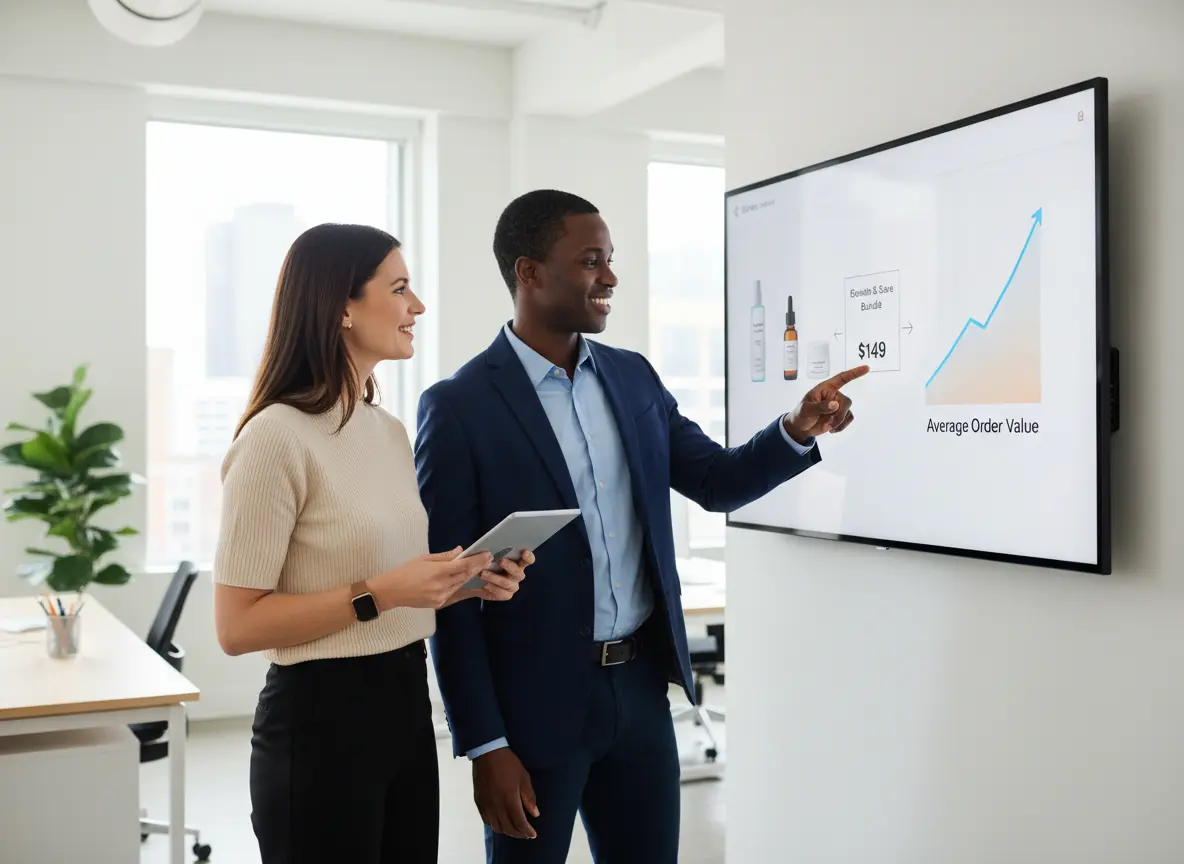
Personalization isn't just a buzzword anymore. According to McKinsey, companies that excel at personalization generate 40% more revenue from those activities than average players. And while most business owners assume personalization is something that only happens online — think Amazon's eerily accurate recommendations — the truth is that your physical store is one of the best places to deploy it. You have a captive audience, real-time context, and the opportunity for genuine human (or human-like AI) connection.
This guide walks you through how to use AI tools to make your in-store marketing campaigns feel less like a billboard and more like a helpful conversation.
Understanding What Personalized In-Store Marketing Actually Means
Before you can personalize anything, you need to understand what personalization actually looks like in a brick-and-mortar context. It's not about putting someone's name on a coupon (though that doesn't hurt). It's about delivering the right message, to the right person, at the right moment — and doing so in a way that feels natural rather than intrusive.
Knowing Your Customer Segments
Effective personalization starts with data, and data starts with paying attention. Who walks through your door at 10 AM on a Tuesday versus a Saturday afternoon? What do first-time visitors typically ask about compared to your regulars? Are there distinct customer types — say, the "quick errand" shopper versus the "I want to browse everything" customer — who need completely different experiences?
AI tools can help you identify these segments automatically by analyzing purchase history, interaction patterns, and even the questions customers ask most frequently. Once you know your segments, you can begin crafting messaging and promotional strategies tailored to each group. A loyalty customer who's been coming in for three years doesn't need a "Welcome, here's what we do" pitch — they need to hear about the new arrivals and the exclusive member discount you're running this week.
Mapping the Customer Journey Inside Your Store
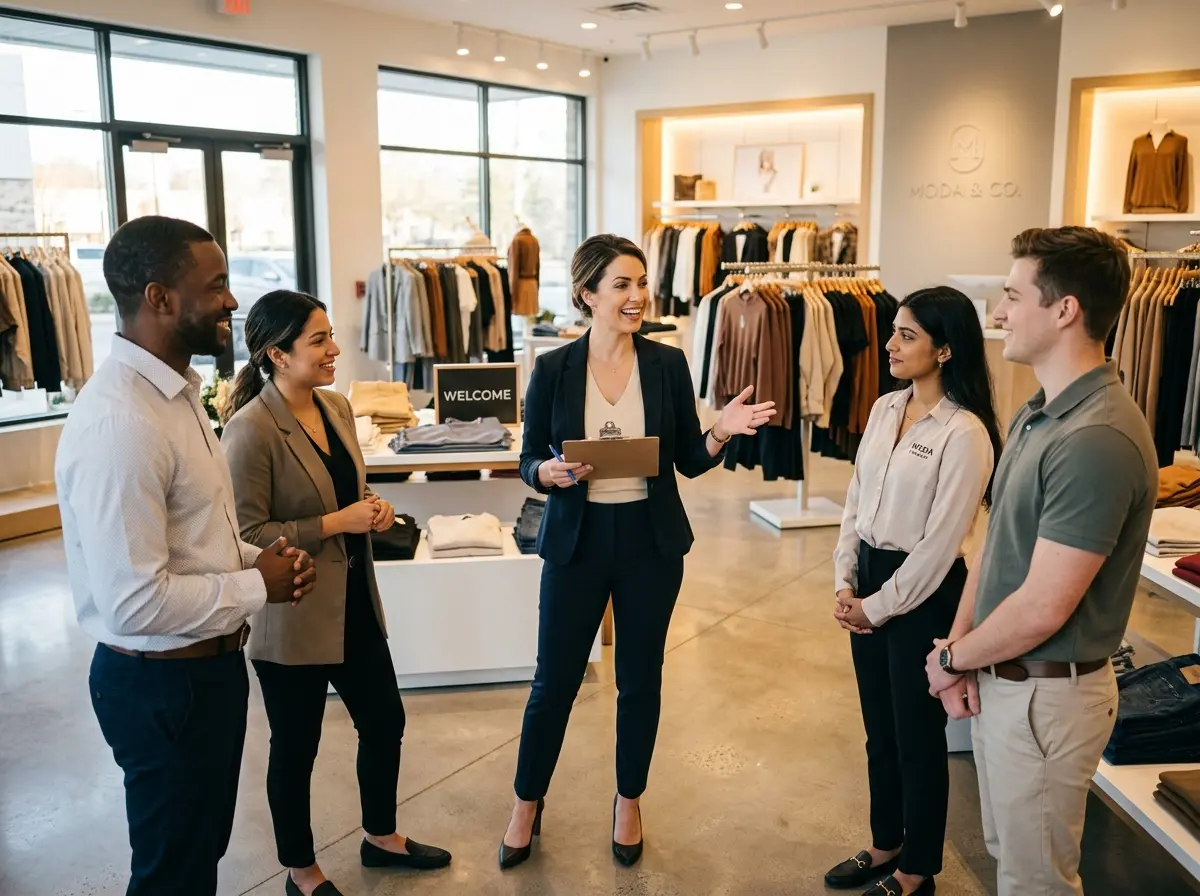
Think about your store layout the way a good storyteller thinks about pacing. Your customer's journey from the entrance to the checkout counter is a narrative, and every touchpoint is an opportunity to deliver a relevant message. Which areas do most customers visit first? Where do they tend to slow down or hesitate? Where do sales conversations typically begin?
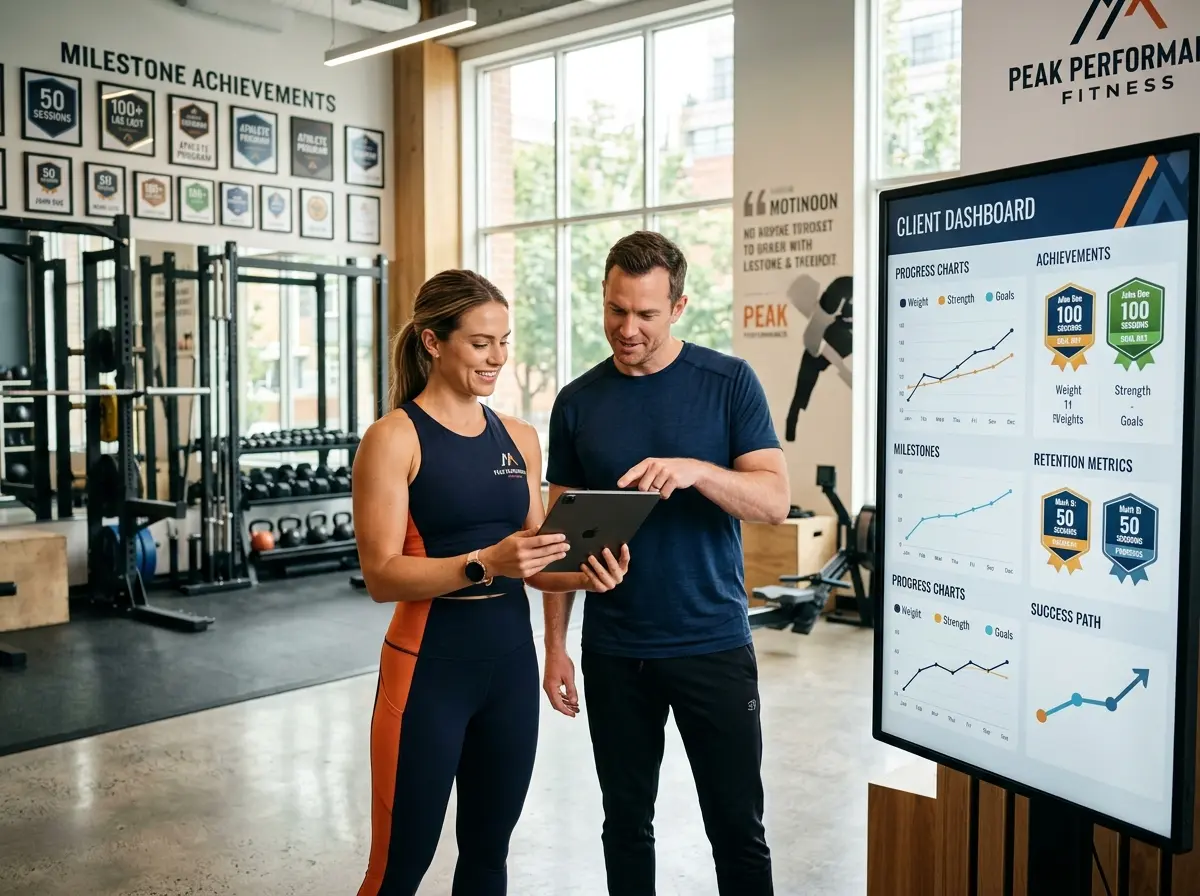
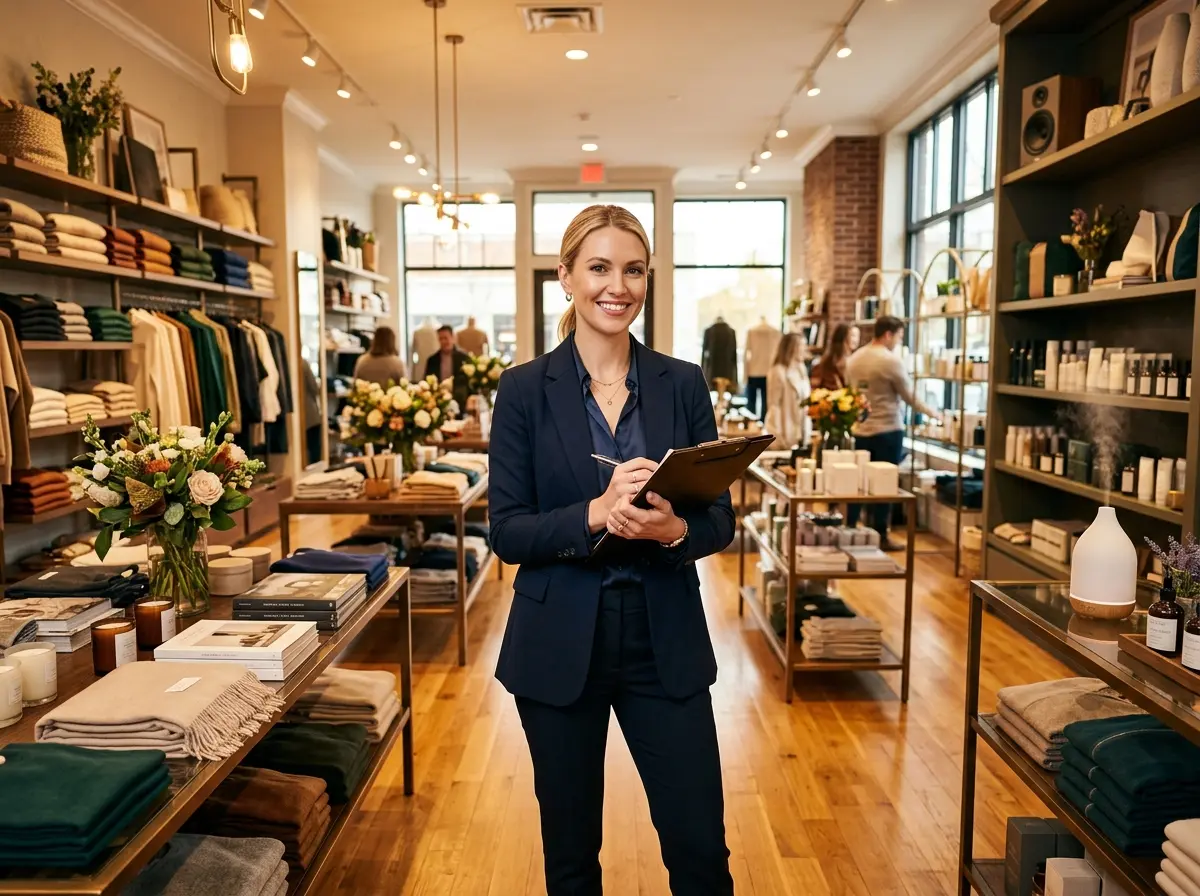
AI-powered tools can help you map these patterns over time, giving you insight into where personalized messaging will have the most impact. A gym, for example, might find that most members linger near the smoothie bar — making that a prime location for a personalized upsell on nutrition packages or class bundles. A boutique retail shop might discover that customers who stop at the accessories wall spend significantly more per visit. Knowing this changes everything about how you design your campaigns.
Using AI to Deliver Personalization at Scale — Without Losing Your Mind
Here's the part where most business owners check out, assuming that "AI-powered personalization" means hiring a data science team and spending six figures on custom software. Fortunately, that assumption is about five years out of date.
How Stella Fits Into Your In-Store Marketing Strategy
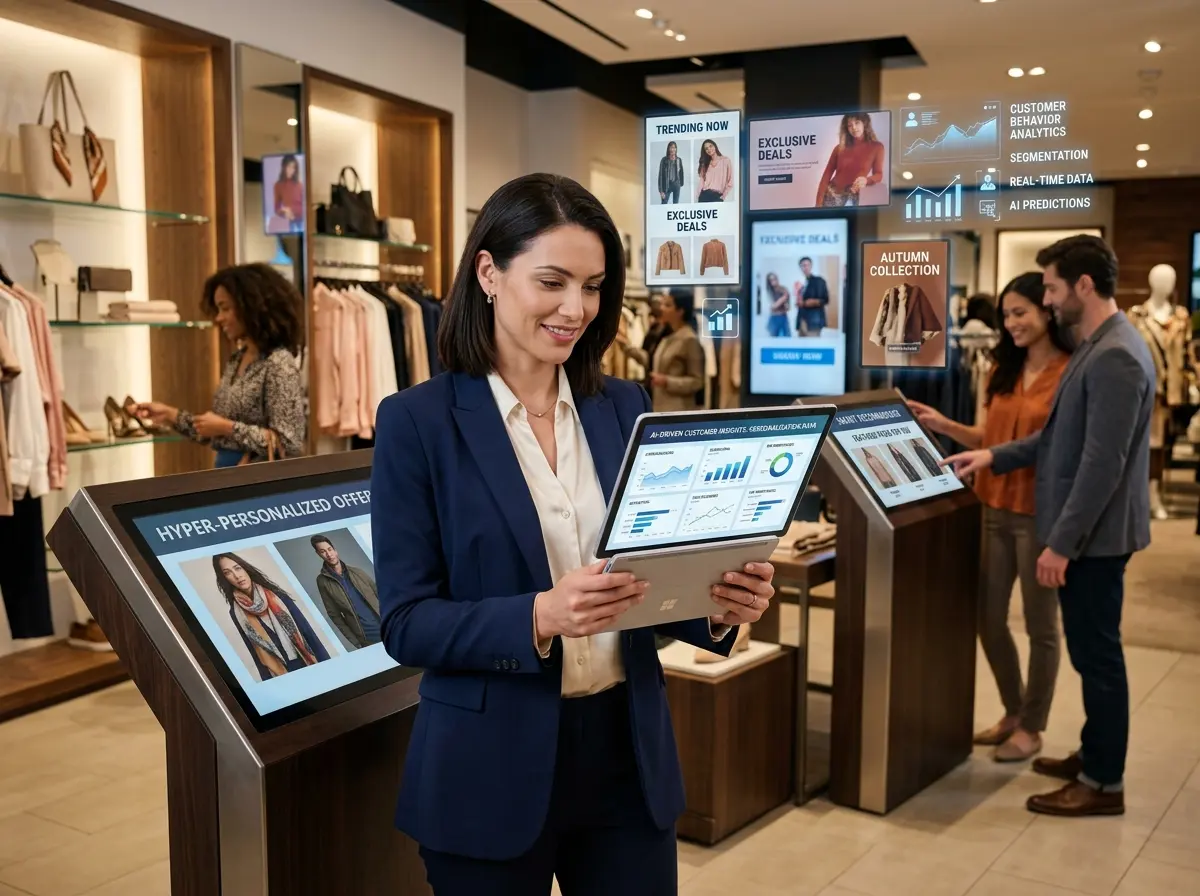
Stella, the AI robot employee and phone receptionist, is one of the most practical ways to bring personalized marketing into your physical location without overhauling your entire operation. Standing inside your store as a human-sized AI kiosk, Stella proactively greets customers, promotes current deals, answers product and service questions, and even upsells or cross-sells based on what a customer is interested in — all through natural, conversational interaction.
What makes this genuinely useful for personalization is that Stella isn't just reciting a script. She engages customers based on what they're asking, what they've expressed interest in, and what's currently being promoted. If a customer mentions they're looking for a gift, she can highlight relevant products. If someone asks about a specific service, she can naturally mention a related add-on. And because she collects insights about customer interactions and promotional effectiveness, you get real data on what's resonating and what's falling flat — information that feeds directly back into your marketing strategy. Beyond the kiosk, she also answers phone calls 24/7 with the same business knowledge she uses in person, so your personalized brand experience extends well past your store's front door.
Building Campaigns That Actually Convert
Data and tools are only as good as the campaigns you build with them. Personalized in-store marketing doesn't mean you need a different promotion for every single customer — it means creating smart, targeted campaigns that speak meaningfully to distinct groups and are delivered at the right moment.
Tiered Promotions Based on Customer Behavior
One of the most effective personalization strategies is building tiered promotions based on where a customer is in their relationship with your business. New visitors might respond best to an introductory offer or a low-stakes way to try your core product or service. Returning customers might need a loyalty incentive to nudge them toward a larger purchase. Lapsed customers — those who haven't visited in a while — often respond well to a "we miss you" campaign with a meaningful discount or exclusive access to something new.
AI tools make it easy to identify which tier a given customer falls into and trigger the appropriate messaging automatically. This is a significant upgrade from the traditional approach of plastering the same 20%-off sign in the window and hoping it speaks to everyone equally. It doesn't, and deep down, you already knew that.
Real-Time Contextual Promotions
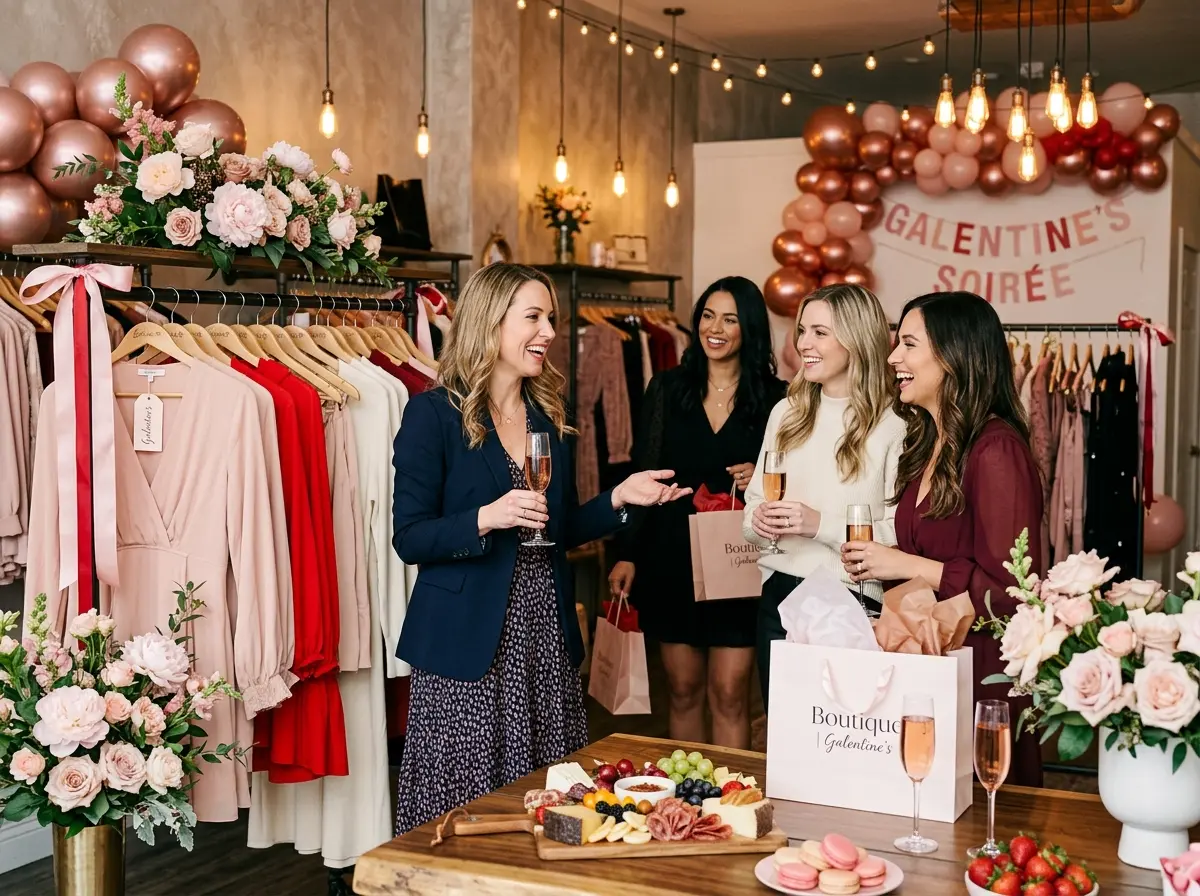
Context matters enormously in in-store marketing. A promotion for a hot beverage lands differently on a cold, rainy morning than on a 90-degree afternoon. A "last chance" message is more effective when inventory is genuinely low. AI allows you to move beyond static, scheduled campaigns and into dynamic promotions that respond to real-world conditions — time of day, current inventory levels, seasonal factors, or even what's trending in your store on a given day.
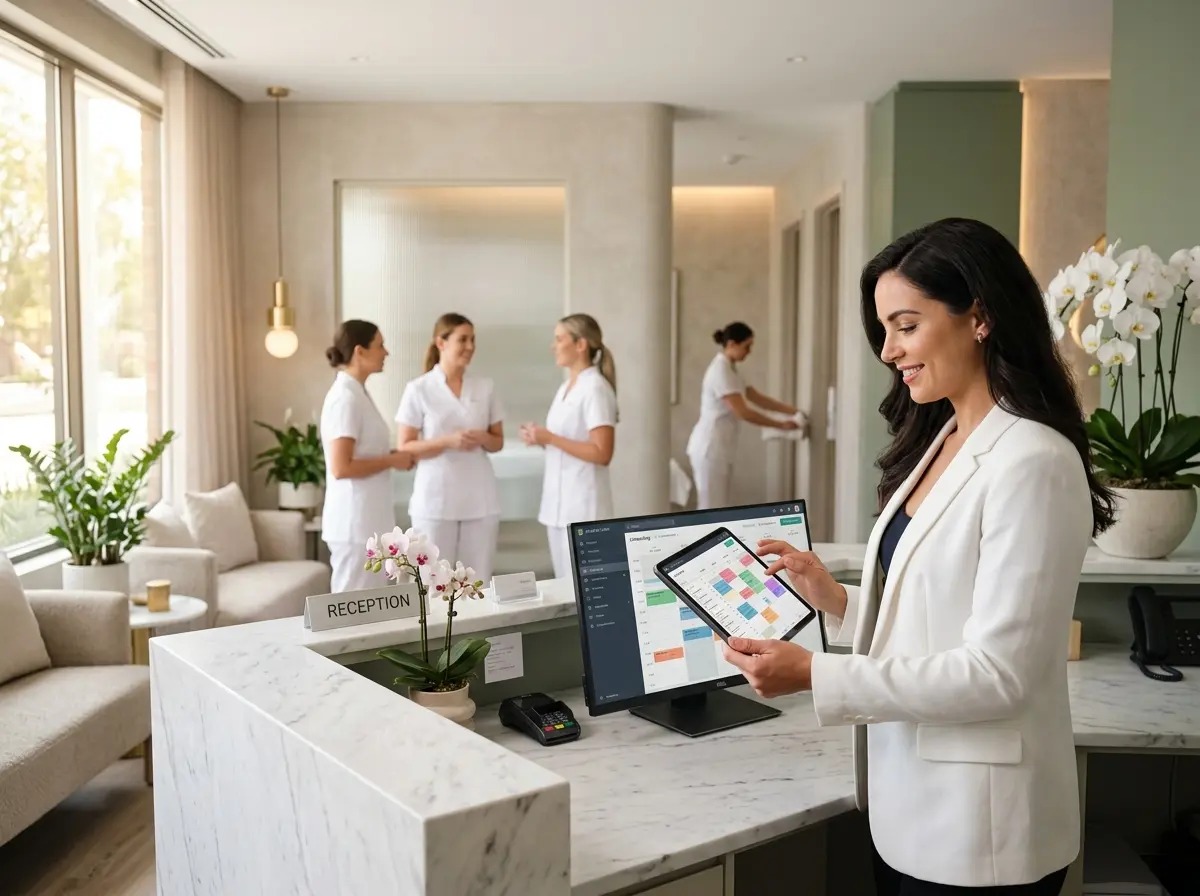
For example, a spa might use AI-driven insights to discover that customers who book a massage on weekday mornings are significantly more likely to add on a facial than afternoon visitors. That's actionable intelligence. Armed with that data, they can train their front desk — or their AI kiosk — to proactively mention the facial add-on during morning check-ins, rather than waiting for the customer to ask.
Closing the Loop with Post-Visit Follow-Up
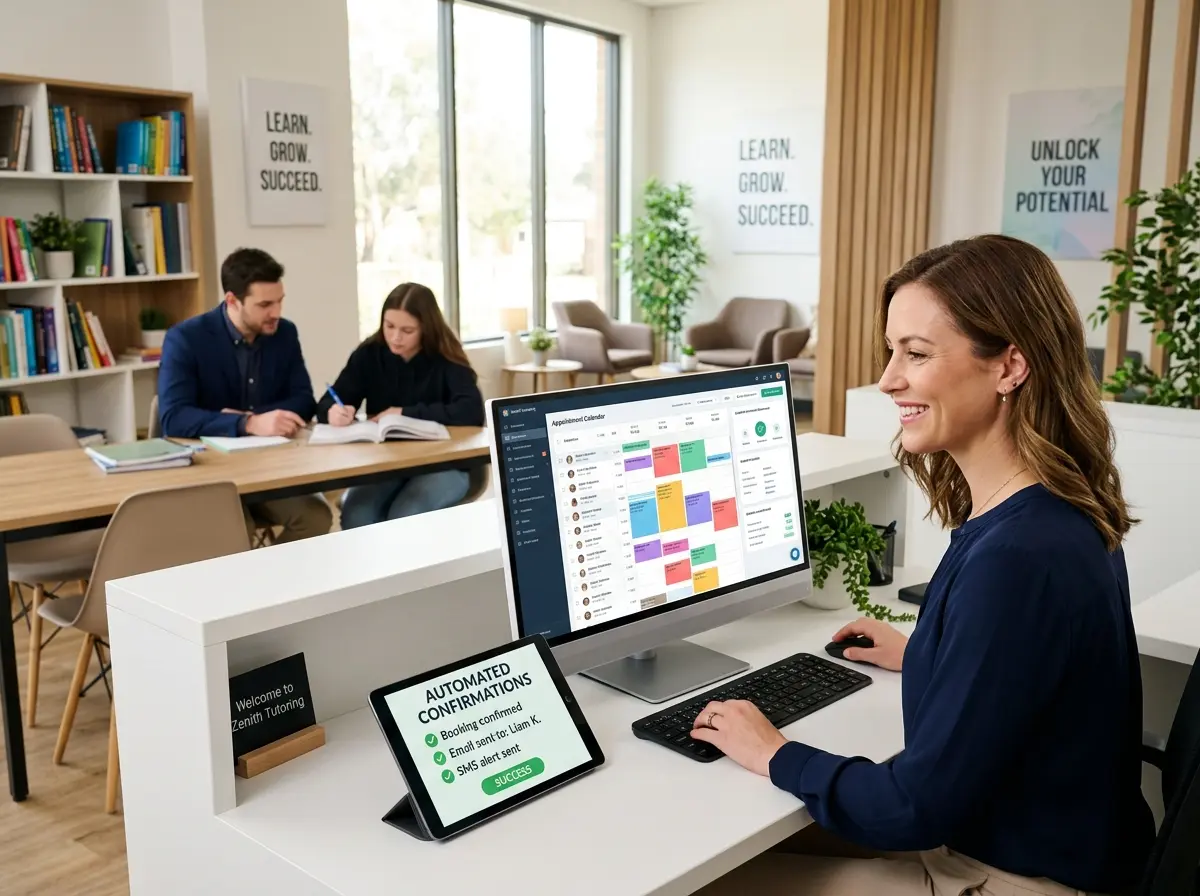
Personalization doesn't end when a customer walks out the door. The most successful in-store marketing campaigns treat the visit as the beginning of a relationship, not the end of a transaction. AI tools that capture customer contact information and interaction data during their visit enable you to follow up with personalized messages — a thank-you note, a recommendation based on what they browsed, or a time-sensitive offer that picks up right where the in-store conversation left off.
This kind of continuity is what separates businesses that customers remember from businesses they forget the moment they hit the parking lot. The bar isn't that high, honestly — most stores do nothing after a visit. Doing something thoughtful already puts you ahead.
Quick Reminder About Stella
Stella is an AI robot employee and phone receptionist designed for businesses of all types — retail, restaurants, gyms, medical offices, salons, and more. She stands inside your store to engage customers and promote your campaigns in real time, and she answers phone calls 24/7 with the same knowledge and professionalism she brings to your physical location. At $99/month with no upfront hardware costs, she's one of the most cost-effective ways to bring consistent, personalized marketing into your business without adding to your staffing headaches.
Your Next Steps Toward Smarter In-Store Personalization
Personalized in-store marketing isn't a luxury reserved for big brands with massive budgets. It's a practical, achievable strategy for any business owner who's willing to pay attention to their customers, use the tools available to them, and stop treating every visitor like an undifferentiated blob of potential revenue.
Here's where to start:
- Audit your current in-store messaging. Walk through your store like a first-time customer. Is anything you see actually speaking to a specific person, or is it all generic noise?
- Identify your top two or three customer segments. You probably already know who they are intuitively — now find a way to formally define them and market to them distinctly.
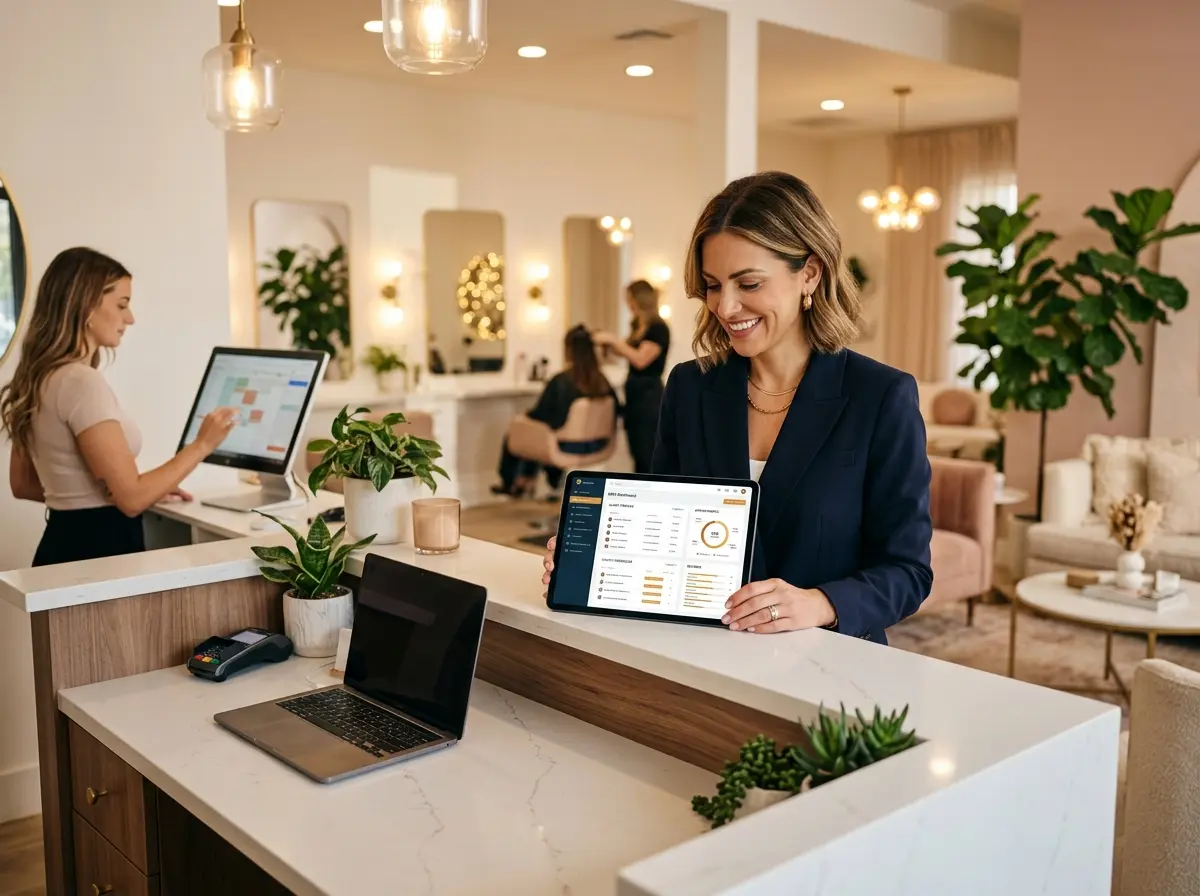
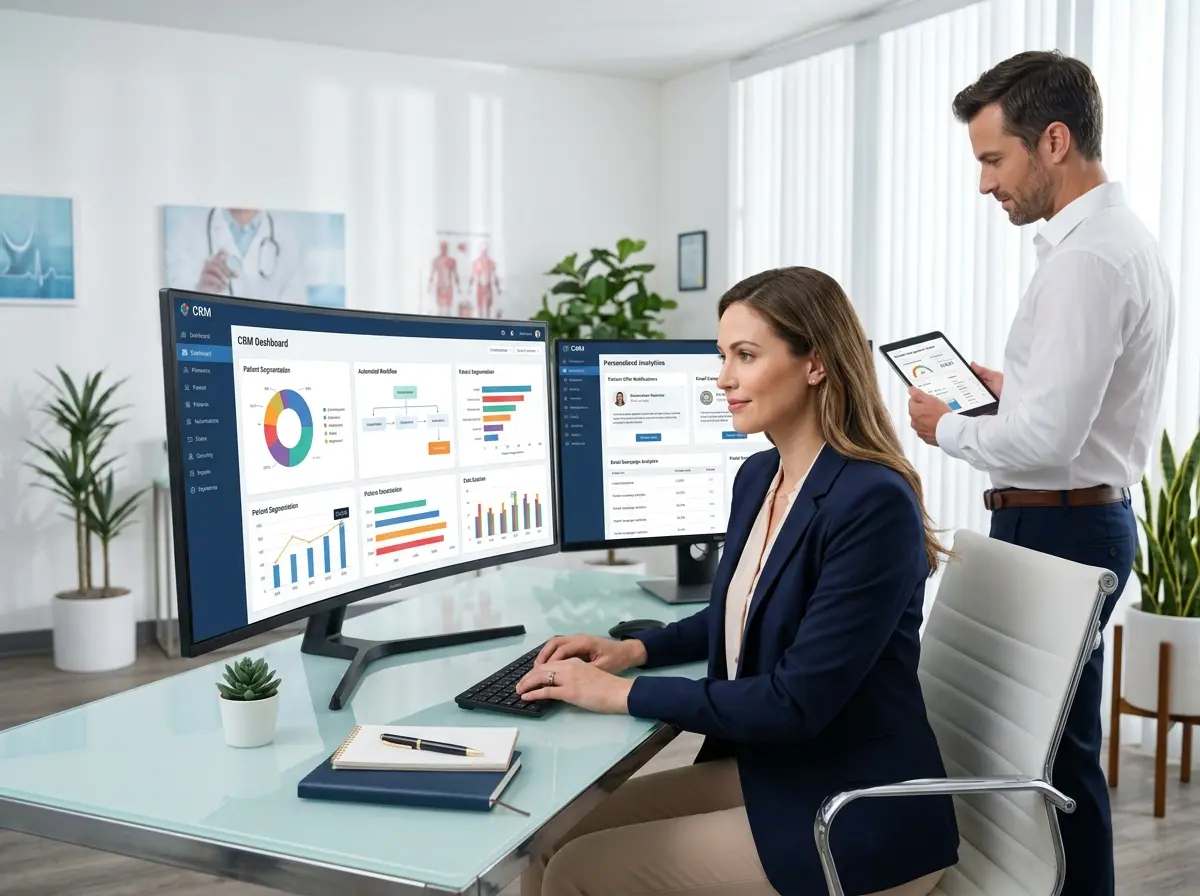
- Start collecting better data. Whether through an AI kiosk, your POS system, or a CRM, make sure you have a way to capture and analyze customer interactions over time.
- Build one personalized campaign and test it. Don't try to overhaul everything at once. Pick one segment, craft a targeted promotion, deliver it through the right channel, and measure the results.
- Iterate based on what you learn. Personalization gets better the more data you have. Every interaction is an opportunity to refine your approach.
The customers who walk into your store are already telling you what they want — through their questions, their browsing habits, their hesitations, and their purchases. AI gives you the ability to actually listen at scale and respond in ways that feel relevant and personal. That's not just good marketing. That's good business.