Introduction: The Beautiful Chaos of Running a Nail Salon
If you own a nail salon, you already know the drill (pun absolutely intended): Monday morning is a ghost town, Saturday afternoon looks like a Black Friday stampede, and somehow you're supposed to keep both your booked clients and your walk-ins happy — all while making sure nobody chips a nail waiting too long. Running a hybrid walk-in and appointment model is one of the most common, yet consistently underestimated, operational challenges in the beauty industry.
The good news? Done right, a hybrid model is a goldmine. You capture the loyal, predictable revenue from appointment clients while keeping your chairs filled during slower windows with walk-in traffic. The bad news? Done wrong, it's a customer service nightmare that ends in one-star reviews, overworked technicians, and a waiting area full of people who are definitely not feeling pampered.
This guide is here to help you do it right. We'll walk through smart scheduling strategies, how to manage customer expectations, how to use technology to make the whole system run smoother, and how to build a workflow that doesn't rely entirely on your memory and a paper sign-in sheet from 2012.
Building a Scheduling System That Actually Works
Designating Time Blocks for Appointments vs. Walk-Ins
The biggest mistake salon owners make is treating their schedule like a free-for-all and hoping things even out. They rarely do. The smarter move is to intentionally designate portions of your day for appointments and protect other windows specifically for walk-in traffic.
For example, consider reserving your peak weekend hours — say, 10 AM to 2 PM on Saturdays — primarily for appointments, while keeping early weekday mornings open for walk-ins. This creates structure without cutting off either revenue stream. You're not turning walk-ins away; you're directing traffic. Think of it less like a bouncer at a club and more like a very polite air traffic controller.
A good rule of thumb: aim to pre-book 60–70% of your available chair time through appointments, leaving the remaining 30–40% as flexible capacity. This gives you a revenue floor while maintaining the spontaneity that walk-ins love. Adjust these ratios based on your salon's unique traffic patterns — what works for a downtown location near offices will look very different from a suburban strip mall next to a grocery store.
Using Booking Software to Your Advantage
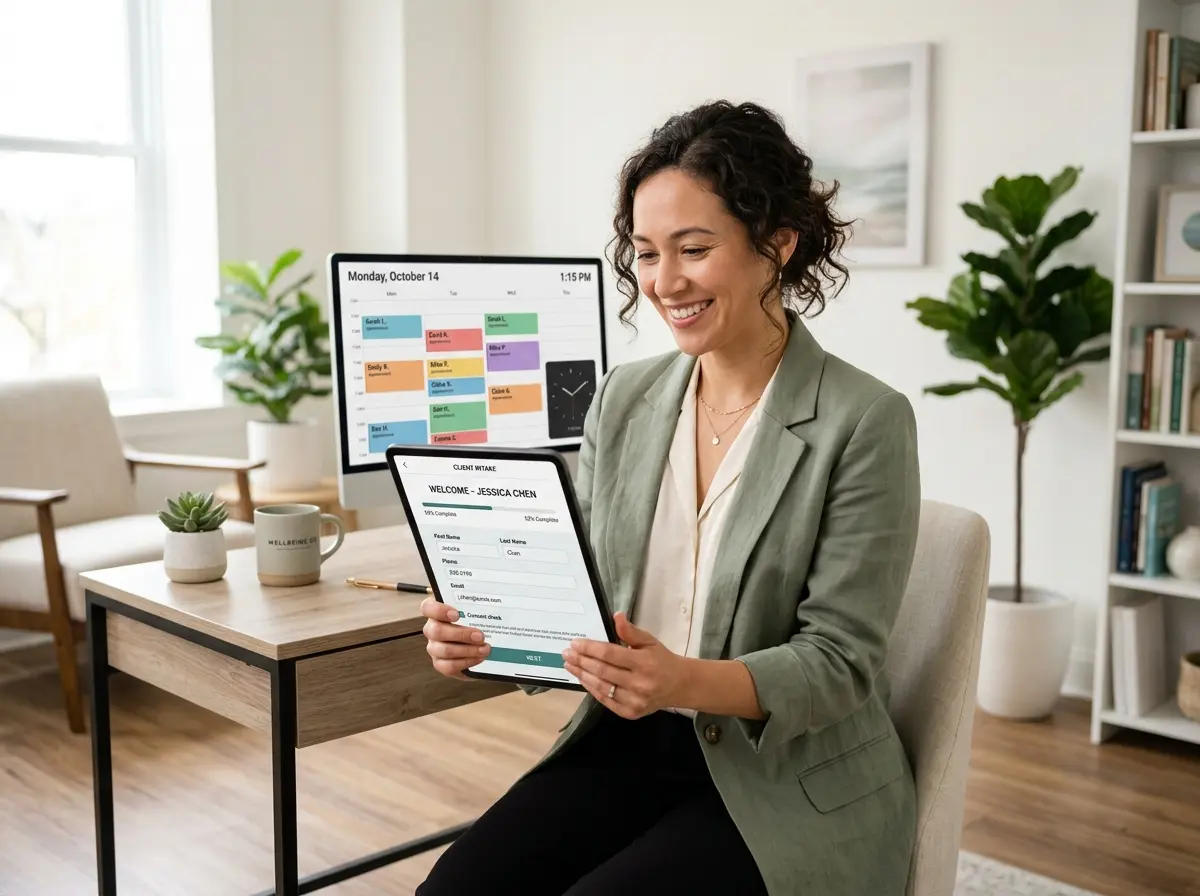
If you're still managing appointments through a DM inbox and a shared Google Calendar, no judgment — but it's time to upgrade. Modern booking platforms like Vagaro, Fresha, or Boulevard are built specifically for salons and allow clients to book 24/7, receive automated reminders, and even prepay to reduce no-shows.
No-shows are a silent killer for hybrid models. When an appointment client doesn't show up, you've lost that chair time and potentially turned away a walk-in who would have filled it. Requiring deposits or credit card holds for appointments is becoming industry standard, and clients who've been doing business with you for years will understand. Those who push back loudly are probably your most frequent no-shows — coincidence? Rarely.
Online booking also reduces the burden on your front desk staff. When clients can self-serve their scheduling needs online, your team can focus on the clients actually sitting in the chairs rather than playing phone tag with someone who "just wants a quick gel fill."
Creating a Fair and Transparent Walk-In Queue
Walk-in management lives and dies by transparency. Customers will wait surprisingly long for a service they want — as long as they know how long they're waiting. The moment someone feels ignored or uncertain about their place in line, patience evaporates faster than a quick-dry top coat.
Consider a digital waitlist or even a simple text-based check-in system that lets walk-ins know their estimated wait time and notifies them when a technician is available. Some salons allow walk-ins to "hold their spot" remotely, so they can grab a coffee next door rather than sitting stiffly in a waiting chair flipping through magazines from 2019. It's a small touch that makes a big difference in customer satisfaction.
Leveraging Technology to Smooth Out the Chaos
Automating the Front-of-House Experience
Your front desk is the nerve center of your hybrid model — and also the spot most prone to bottlenecks. When your receptionist is juggling incoming calls, checking in walk-ins, confirming appointments, and answering questions about pricing all at the same time, something always slips. Usually it's the phone call, which means a potential customer just called your competitor instead.
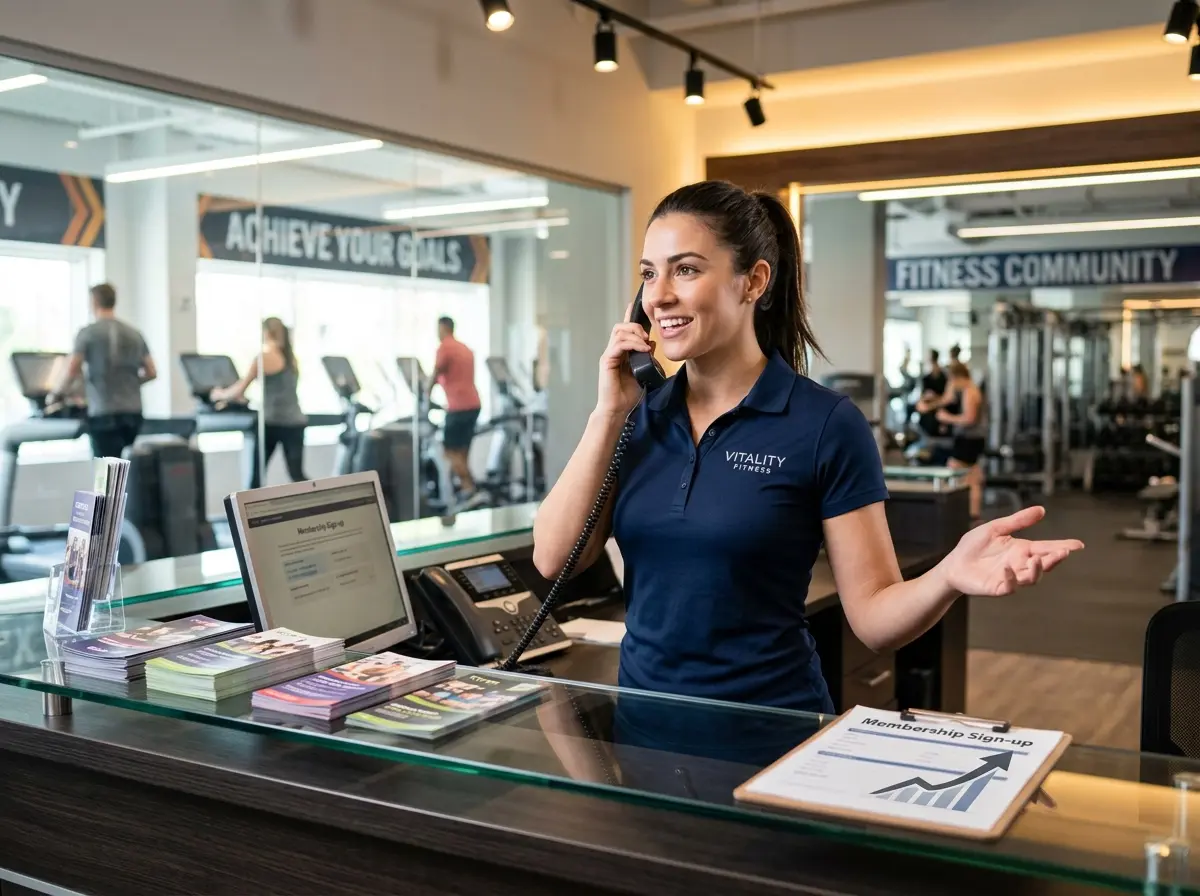
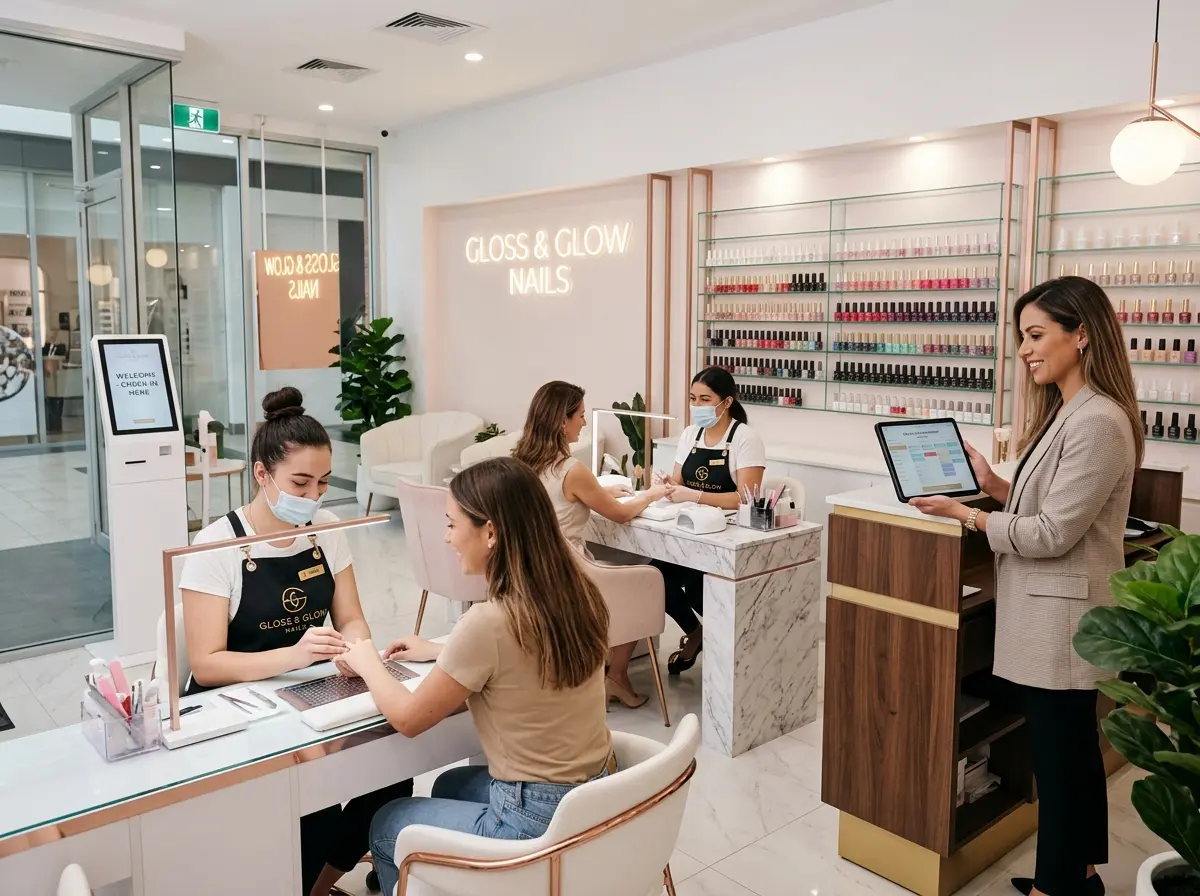
This is where Stella becomes genuinely useful. Stella is an AI robot employee and phone receptionist designed for exactly this kind of high-traffic, multi-tasking environment. As a human-sized kiosk inside your salon, she can greet walk-in customers, answer their questions about services and pricing, promote current specials, and even collect intake information — all without pulling your actual staff away from clients. Meanwhile, she's simultaneously available to answer phone calls 24/7, so no inquiry goes to voicemail during your Saturday rush. For salons managing customer contacts and tracking preferences over time, Stella's built-in CRM with custom tags and AI-generated profiles means you can actually remember that your regular client always books a gel manicure and hates the color red — without relying on anyone's memory.
Managing Customer Expectations (Before They Even Walk In)
Setting Clear Policies and Communicating Them Everywhere
The fastest way to turn a manageable hybrid model into a PR headache is to have policies that exist only in your head. If walk-ins are welcome but appointments are prioritized during peak hours, say that — on your website, on your Google Business profile, on a sign near your entrance, and in your social media bio. Customers aren't mind readers, and they don't become forgiving just because your neon "OPEN" sign is cheerful.
Be explicit about wait times, deposit requirements, cancellation policies, and any service restrictions for walk-ins (for instance, complex nail art may be appointment-only). When expectations are set upfront, the number of awkward conversations your staff has to have drops dramatically — and so does your stress level.
Training Your Team to Handle the Hybrid Dynamic
Your technicians are artists, not logistics coordinators — but in a hybrid salon, everyone needs to understand the operational flow. Make sure your whole team knows how to check the appointment schedule, estimate walk-in wait times, and communicate delays gracefully. Role-play it if you have to. Yes, it feels a little silly. Yes, it works.
Empower your team to make small judgment calls without needing manager approval for every situation. If a walk-in has been waiting 45 minutes and a technician just finished early, they should feel confident offering that chair without running it by you first. Building a culture of proactive problem-solving saves you from being the bottleneck in your own business.
Handling Conflicts Between Walk-Ins and Appointment Clients
It will happen: a booked client shows up late, a walk-in has already been seated, and now there's tension in the air thick enough to cut with a nail file. How you handle this moment defines your salon's reputation more than almost anything else.
Have a protocol. If a booked client is more than 15 minutes late without notice, that chair becomes fair game — and communicate this policy at booking time so it's never a surprise. If the appointment client arrives and their technician isn't available yet, offer a complimentary beverage, a hand massage, or a sincere apology and a realistic timeline. Small gestures of goodwill de-escalate almost everything. And if they're unreasonable despite your best efforts? That's what your five-star responses on Google are for.
Quick Reminder About Stella
Stella is an AI robot employee and phone receptionist available for just $99/month with no upfront hardware costs — she greets customers in-store, answers phones around the clock, promotes your services, and manages client information through a built-in CRM. She's easy to set up, never calls in sick, and absolutely will not accidentally double-book a client on a holiday weekend. For a busy nail salon running a hybrid model, she's the kind of support that makes the whole operation feel a lot more manageable.
Conclusion: Stop Surviving the Weekend Rush and Start Owning It
Running a successful walk-in and appointment hybrid model isn't about perfection — it's about having smart systems in place so that when things get hectic (and they will), the chaos is controlled chaos. You've built a salon that serves two types of customers, and that's genuinely impressive. Now it's time to build the operational infrastructure that makes it sustainable.
Here's your action plan to get started:
- Audit your current schedule and identify the ratio of appointment to walk-in traffic by day of week and time of day. Use that data to create intentional time blocks.
- Implement or upgrade your booking software and turn on automated reminders and deposit requirements to reduce no-shows.
- Create a digital or text-based walk-in queue so customers always know their wait status.
- Write out your hybrid model policies and publish them everywhere a potential client might look before visiting.
- Train your team on the flow, the conflict protocols, and the small gestures that turn frustrated clients into loyal regulars.
- Explore front-of-house automation — including tools like Stella — to reduce the pressure on your staff during peak hours without sacrificing the customer experience.
Your hybrid model is a competitive advantage. Treat it like one, build the systems to support it, and your salon won't just survive the Saturday rush — it'll thrive through it.