Introduction: The Race to the Inbox (and Why You're Probably Losing It)
Let's be honest — in today's real estate market, the agent who responds first usually wins the client. Buyers aren't sitting around patiently waiting for a callback while they browse listings. They're clicking, watching, scrolling, and making snap judgments faster than you can say "motivated seller." By the time a prospect finally dials your number, there's a good chance they've already mentally shortlisted three other agents who caught their attention first.
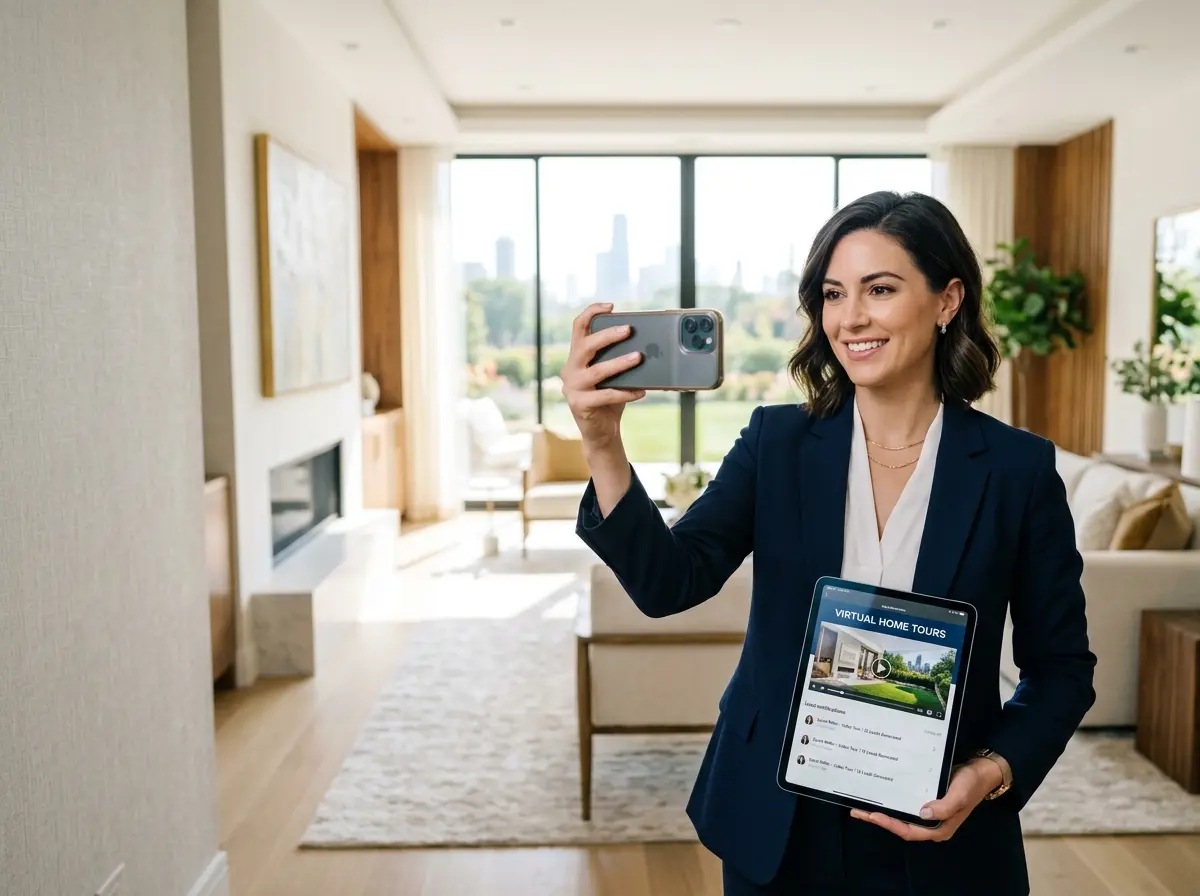
So how do you jump to the top of that list before the phone even rings? Video tours. Not the shaky, vertigo-inducing walkthroughs filmed on a Tuesday afternoon with a forgotten coffee mug in the background — but strategic, well-crafted video content designed specifically to capture buyer leads and keep those leads warm until they're ready to commit. Done right, video tours don't just showcase a property. They showcase you — your expertise, your personality, and your ability to make someone feel at home before they've ever stepped through the front door.
This guide will walk you through exactly how to use video tours as a lead generation engine, not just a marketing afterthought. Because in a competitive market, "pretty pictures" alone aren't going to cut it anymore.
Building Video Tours That Actually Convert
Stop Showing Houses — Start Telling Stories
There's a meaningful difference between a video tour that pans slowly across a kitchen island and one that makes a buyer think, "I could absolutely host Thanksgiving here." The first is a visual inventory. The second is a story. Buyers don't fall in love with square footage — they fall in love with lifestyle, possibility, and the feeling of belonging somewhere.
When you film a property, narrate it like you're describing it to a friend who's never seen the neighborhood. Mention that the coffee shop around the corner has a two-hour wait on Sunday mornings because it's that good. Point out that the backyard gets afternoon shade — perfect for anyone who works from home and wants to take calls outside. These details are what transform a video from a digital open house into a compelling piece of content that buyers share with their partners, bookmark, and return to.
According to the National Association of Realtors, over 73% of homeowners say they're more likely to list with an agent who uses video — and buyers are equally influenced. If your video doesn't make someone feel something in the first 30 seconds, you've already lost them to the next listing in their feed.
Strategic Placement: Where Your Videos Need to Live
Creating a great video is only half the battle. Placement determines whether it generates leads or just collects dust on your YouTube channel (which, to be fair, could use a few more subscribers anyway). Here's where your video tours need to be working for you:
- Your listing pages and website: Embed video directly on property pages — it increases time-on-page significantly and signals to search engines that your content is worth ranking.
- Social media: Short-form teasers on Instagram Reels and TikTok drive traffic back to the full tour. Think of them as trailers for the main feature.
- Email campaigns: Emails with "video" in the subject line see click-through rates up to 300% higher than standard text emails. Drop your tour into a nurture sequence and watch re-engagement climb.
- YouTube with SEO optimization: Properly tagged and described videos rank in both YouTube and Google searches, quietly pulling in organic leads around the clock.
- Paid retargeting ads: Use video view audiences to retarget people who watched 50% or more of your tour. These are warm leads — treat them accordingly.
The Lead Capture Gate: Don't Give It All Away for Free
Here's where a lot of agents leave money on the table. They produce a beautiful, engaging video tour and then... just post it. No email capture, no registration, no follow-up mechanism. If you're going to invest in quality video production, give yourself a fighting chance to actually collect contact information from interested buyers.
Consider gating the full walkthrough behind a simple opt-in form — name, email, and optionally a phone number. Tools like BombBomb, Wistia, or even a basic landing page builder can handle this elegantly. You're not being pushy; you're being smart. A buyer who submits their contact info to watch your tour is a buyer who's already told you they're interested. That's a warm lead, not a cold call.
How Stella Can Help You Stay on Top of Incoming Leads
Never Miss a Lead, Even at 11 PM
Here's an uncomfortable truth: your video tour might go viral at 9:30 on a Friday night, right when you're finally catching up on your favorite show. Buyers don't consult your schedule before getting excited about a property, and they will absolutely call — or expect a response — outside of business hours. That's where Stella, the AI robot employee and phone receptionist, quietly saves the day.
Stella answers calls 24/7, handles inquiries about listings, services, hours, and availability, and can collect buyer information through conversational intake forms — all without you lifting a finger. Her built-in CRM automatically organizes lead data with AI-generated profiles, custom tags, and notes, so when you do follow up Monday morning, you already know exactly who you're calling and what they were interested in. No lead falls through the cracks, no inquiry goes unanswered, and you get to finish your show in peace.
Turning Video Views Into Booked Appointments
The Follow-Up Sequence That Doesn't Feel Like Spam
Getting a lead is step one. Converting that lead into a booked showing is where the real work happens — and where most agents either overcommunicate (hello, five emails in 48 hours) or go completely silent and wonder why no one calls back. The sweet spot is a follow-up sequence that feels like a helpful conversation, not a sales assault.
When someone opts in through your video tour gate, your first follow-up email should arrive within minutes and deliver exactly what they signed up for — access to the full video, with a warm, personalized note. The second touchpoint, sent 24-48 hours later, should offer additional value: neighborhood stats, a market update, or a behind-the-scenes video of another property in the area. By the third contact, you've earned enough trust to make a direct ask: "Would you like to schedule a private tour?" Keep it conversational. Keep it human. Buyers can smell a template from a mile away.
Personalization at Scale: Using Data From Your Videos
One of the underutilized advantages of video hosting platforms is the analytics they provide. You can see exactly how long someone watched, which parts they rewatched, and where they dropped off. Someone who replayed the master bedroom walkthrough three times? They care deeply about private space. Someone who paused every time the backyard came on screen? Lead with outdoor amenities when you follow up.
This kind of behavioral data transforms your outreach from generic to genuinely useful. Instead of sending the same follow-up to everyone, you're speaking directly to what each buyer actually cared about. That level of personalization doesn't just improve your conversion rate — it builds the kind of trust that earns referrals long after closing day.
Creating a Video Library That Works While You Sleep
Think beyond individual listings. The most effective real estate agents build a content library of video assets that continue generating leads passively — neighborhood tour series, "what $500K buys you in [City]" comparison videos, first-time buyer walkthroughs, and market update roundups. Each piece of content is a new entry point for a potential buyer to discover you, trust you, and reach out to you.
This approach is particularly powerful for agents building a long-term brand in a specific market. When someone searches "homes in [your neighborhood]" and finds three of your videos in the results, you don't just look active — you look like the authority. That perception is worth more than any single listing video could ever generate on its own.
Quick Reminder About Stella
Stella is an AI robot employee and phone receptionist built for businesses of all kinds — including real estate agents who need a reliable presence when they're out showing properties, closing deals, or simply off the clock. She answers calls around the clock, collects lead information through intelligent intake conversations, and keeps your CRM organized so no opportunity slips past you. At just $99/month with no upfront hardware costs, she's the kind of team member who never calls in sick and never puts a prospect on hold for too long.
Conclusion: Your Next Steps Start Today
Video tours aren't the future of real estate marketing — they're the present, and agents who treat them as optional are already behind. But producing great video is only valuable if it's backed by a system that captures leads, follows up intelligently, and converts interest into appointments. The good news is that none of this requires a massive budget or a film crew. It requires intentionality, consistency, and the willingness to show up on camera even when your hair isn't cooperating.
Here's your action plan to get moving:
- Film your next listing walkthrough with storytelling in mind — narrate the lifestyle, not just the features.
- Set up a lead capture gate on your full video tours to start collecting buyer contact information immediately.
- Create a three-step follow-up email sequence that delivers value before making an ask.
- Distribute your video across at least three platforms — your website, one social channel, and YouTube with proper SEO tags.
- Use video analytics to personalize your follow-up based on what each viewer actually engaged with.
- Make sure no inbound call goes unanswered — because a lead who can't reach you will simply call the next agent on the list.
The agents winning in today's market aren't necessarily the ones with the biggest advertising budgets. They're the ones who show up consistently, communicate value clearly, and never let a warm lead go cold. Your video tour strategy is how you start that conversation — make sure you have the systems in place to finish it.