When Your Clients Ghost You (And How One Salon Got Them Back)
Every salon owner knows the feeling. You scroll through your client list and notice a name you haven't seen in eight, ten, maybe fourteen months. Someone who used to come in religiously for their highlights, their blowouts, their "treat yourself" Sunday appointments — just... gone. No breakup text. No explanation. Just radio silence and a gap in your revenue that you've quietly been filling with new client acquisition costs instead.
Here's the uncomfortable truth: lapsed clients are not lost clients. Research consistently shows that reactivating a former customer costs significantly less than acquiring a brand new one — some estimates put it at five times cheaper. Yet most salons (and most businesses in general) pour their marketing budget into chasing strangers while their warm, already-converted, former regulars sit untouched in a dusty CRM.
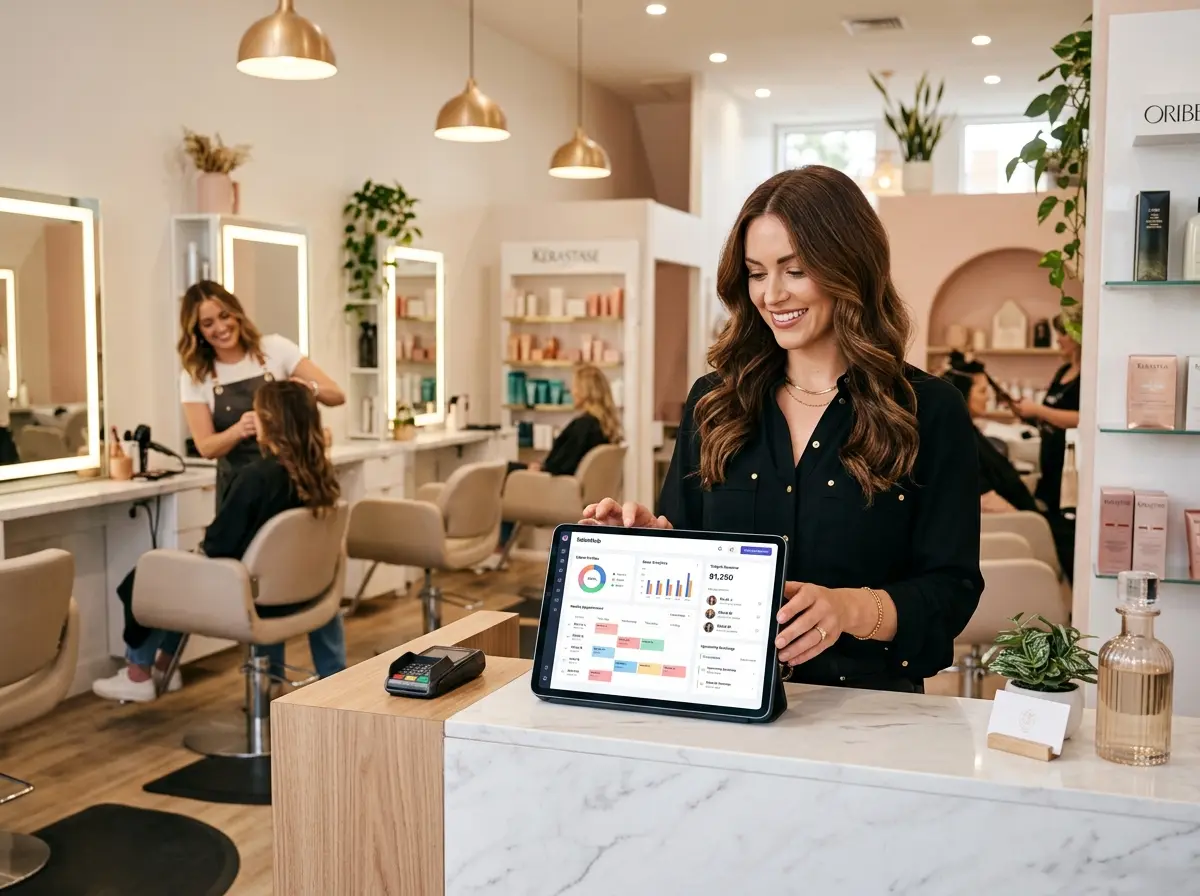
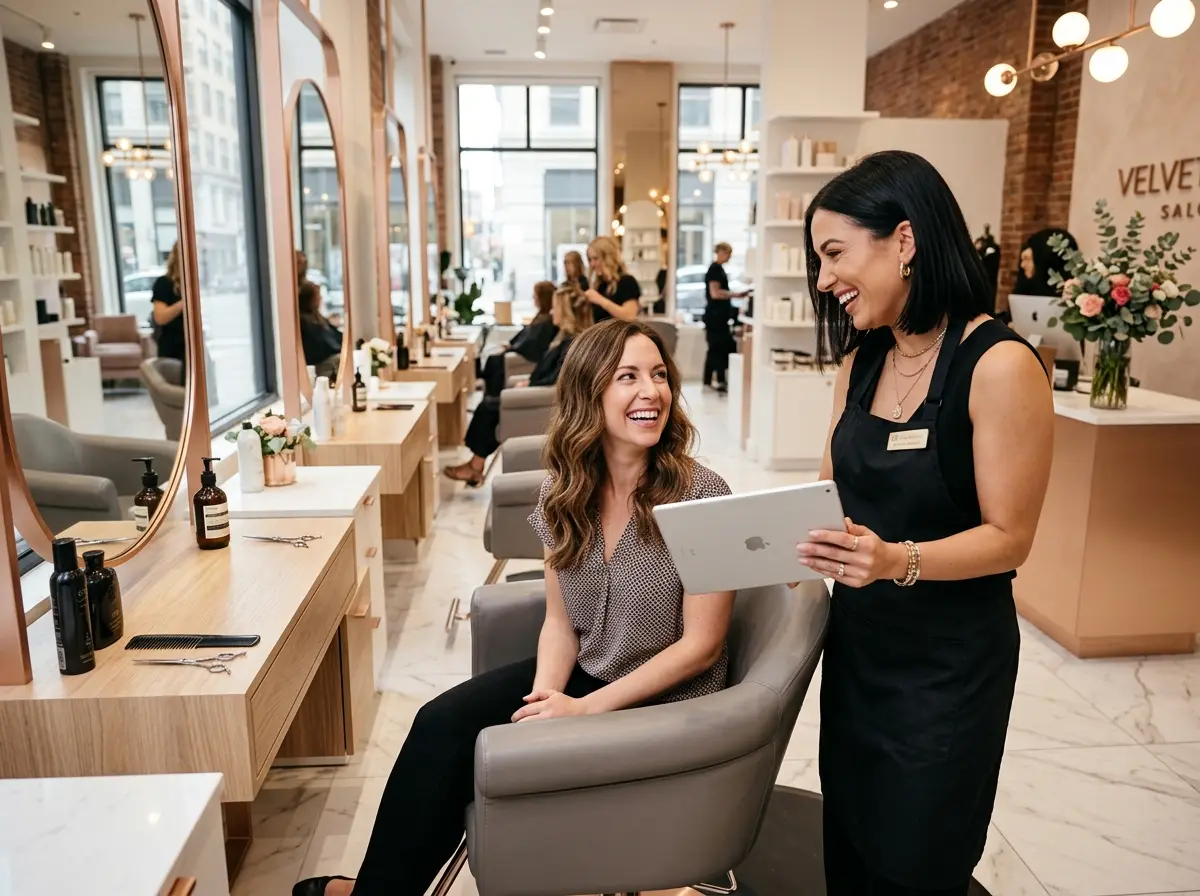
One salon decided to stop ignoring that goldmine. They ran a focused reactivation campaign, leaned into the right tools and messaging, and brought back 200 lapsed clients within a single quarter. Here's exactly how they did it — and how you can replicate it.
Building the Foundation: Segmenting and Understanding Your Lapsed Clients
Before you send a single message, you need to know who you're talking to. "Lapsed client" is a broad term that lumps together the person who moved away, the one who had a bad experience, and the one who simply got busy and forgot you existed. Your approach for each should be different, which means your first job is segmentation.
Define What "Lapsed" Actually Means for Your Business
For the salon in this case study, a lapsed client was defined as anyone who hadn't booked an appointment in six months or more. That's a reasonable benchmark for a salon where most regular clients come in every six to ten weeks. Your definition will vary by industry — a car wash might flag someone after 60 days, while a dental office might not worry until 18 months have passed.
Once you've set your threshold, pull that list and segment it further. Clients who lapsed in the last six to twelve months are your warmest leads. Those who haven't been in for over two years are still worth contacting, but they'll need a stronger incentive and probably a slightly different tone. Knowing these distinctions upfront saves you from sending a generic "We miss you!" email to someone who had a nightmare experience with a stylist and vowed never to return. (You'll want a different strategy for that group — or possibly a heartfelt phone call.)
Look at the Data Before You Assume
The salon reviewed their records and found that the majority of their lapsed clients fell into three buckets: clients who stopped coming after a price increase, clients whose regular stylist had left the business, and clients who simply drifted away with no obvious trigger. Each group needed different messaging. The price-sensitive group received a loyalty discount. The stylist-loyalty group received a personal introduction to their new go-to stylist. The "drifters" got a straightforward, friendly check-in with a time-sensitive offer.
This level of personalization is what separates a campaign that converts from one that gets mass-unsubscribed. The data was all there in their client records — they just had to actually use it.
How Stella Helped Keep the Pipeline Moving
Running a reactivation campaign creates a surge in inbound activity — calls, questions, booking requests — all arriving at once. That's a great problem to have, until your front desk is overwhelmed and hot leads are going to voicemail.
Capturing Every Inbound Response
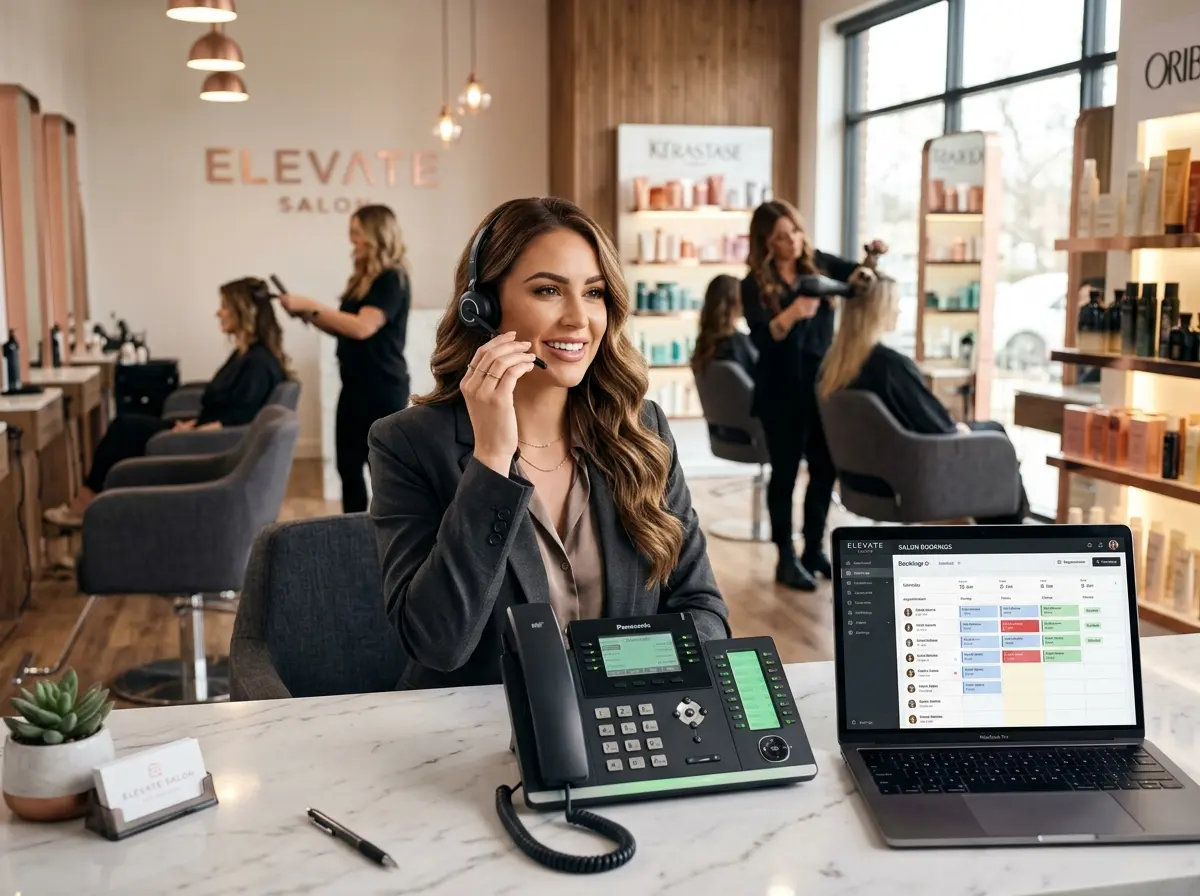
Stella, the AI robot employee and phone receptionist, helped the salon handle the spike in call volume that followed their outreach. When lapsed clients called in response to the campaign, Stella answered every call — even after hours — answered questions about the promotion, collected contact and booking preference details through her conversational intake forms, and logged everything directly into her built-in CRM. No call slipped through. No lead went cold because a staff member was mid-blowout and couldn't pick up the phone.
For salons managing both walk-in traffic and phone inquiries, Stella's dual presence — as an in-store kiosk that greets and engages customers, and as a 24/7 phone receptionist — means the front desk bottleneck essentially disappears. Staff can focus on delivering great services while Stella handles the administrative chaos that reactivation campaigns inevitably create.
Crafting the Campaign: Messaging, Timing, and Incentives That Actually Work
With the segmentation done and the infrastructure in place, it was time to actually reach out. This is where a lot of businesses either overthink it into paralysis or underthink it into irrelevance. The salon kept it strategic but simple.
The Message: Personal, Not Promotional
The biggest mistake in reactivation campaigns is leading with a discount. It trains clients to wait for offers instead of valuing your service. The salon's first touchpoint was a simple, personalized text message that read something like: "Hi [Name], it's been a while since we've seen you at [Salon Name]. We'd love to catch up — is there anything we can do to welcome you back?"
No offer. No urgency. Just a human (or human-sounding) check-in. A surprising number of clients responded to this alone. Some said they'd been meaning to book. Some asked about a new stylist. A few explained why they had left, which was genuinely useful feedback. The offer came in the second touchpoint, for those who hadn't responded — a modest but meaningful incentive delivered about a week later.
The Sequence: Three Touchpoints, Then Release
The campaign used a three-step sequence across text and email. First, the personal check-in. Second, an offer with a clear expiration date — not "sometime soon," but "valid through [specific date]." Third and finally, a last-chance reminder that was brief, friendly, and completely free of guilt-tripping. After three contacts with no response, they let it go. Clients who didn't engage after three attempts were moved to a "long-term nurture" list rather than being contacted repeatedly and becoming annoyed.
Of the clients who did re-engage, many went on to rebook multiple times. The lifetime value of those reactivated clients far outweighed the cost of the modest incentives offered.
Timing Matters More Than You Think
The salon launched the campaign in late January — a deliberately chosen time. Post-holiday budgets had recovered, people were making fresh-start resolutions, and the competitive noise from other promotions had died down. If you're planning a reactivation push, think about when your target clients are psychologically ready to spend, not just when it's convenient for your schedule. Early spring, post-summer, and the weeks just before the holidays are historically strong windows for service-based businesses.
Quick Reminder About Stella
Stella is an AI robot employee and phone receptionist designed for businesses exactly like yours. She stands in your store as a friendly, knowledgeable kiosk and answers your phones 24/7 — handling questions, promoting your services, collecting client information, and keeping your CRM up to date. All of this starts at just $99/month with no upfront hardware costs.
Putting It Into Practice: Your Reactivation Campaign Action Plan
The salon's success wasn't magic — it was a methodical process that any service-based business can replicate. Here's how to get started without needing a dedicated marketing team or an unreasonable budget.
Start by pulling your lapsed client list this week. Define your "lapsed" threshold, segment by recency and reason where possible, and identify your warmest 100 to 200 contacts as your pilot group. Write three short, honest messages — one personal check-in, one offer, one last chance. Keep them brief. Avoid corporate language. Sound like a human being who actually wants to see that client again.
Then make sure your infrastructure is ready before the campaign goes out. If your phone is going to ring more than usual, have a plan for answering it. If your booking system is clunky, fix it or simplify it before you drive traffic to it. A successful reactivation campaign that lands on a broken booking experience is just expensive disappointment.
Measure everything. Track open rates, response rates, bookings generated, and revenue per reactivated client. This data will tell you which segment responded best, which message performed, and how to make your next campaign even more effective. Over time, reactivation becomes less of a one-off campaign and more of a quarterly business habit — a reliable revenue lever you can pull whenever things slow down.
Two hundred clients came back to one salon because someone decided to ask them to. That's really all it took. Your list is sitting there right now. The only question is whether you're going to use it.