Why Most Treatment Plan Presentations Fall Flat (And What to Do About It)
Here's a scenario that probably feels familiar: a patient sits in your chair, you find a handful of things that genuinely need attention, you or your treatment coordinator walks them through a printed sheet with codes, fees, and insurance breakdowns — and then they smile politely, say they'll "think about it," and disappear into the void. Poof. Gone. Like a tooth fairy with trust issues.
The hard truth is that case acceptance rates at most dental offices hover around 30–40%, which means the majority of recommended treatment never gets completed. That's not just a revenue problem — it's a patient health problem. People are walking away from care they actually need, often because the presentation of that care didn't connect with them emotionally, visually, or financially.
The good news? A customized, well-structured treatment plan presentation isn't rocket science. It's part empathy, part visual storytelling, part smart follow-up — and all of it is learnable. Let's walk through how to do it right.
Building a Treatment Plan That Patients Actually Understand
The first step to better case acceptance isn't a sales tactic — it's communication. Most patients don't know what a "D2740" is and they shouldn't have to. When your treatment plan reads like a dental school billing exam, you've already lost them.
Ditch the Insurance-First Mentality
One of the biggest mistakes dental offices make is leading the conversation with insurance coverage. The moment you open with "your insurance covers 50% of this," you've framed the entire conversation around cost rather than health. Instead, lead with why the treatment matters — what happens if it's delayed, what the patient will feel, and what life looks like after treatment is complete. Let the financial details follow naturally, not dominate.
Think of it this way: your patient isn't buying a crown. They're buying the ability to eat steak again without wincing. Start there.
Use Visuals — Seriously, Use Them
Intraoral cameras and digital X-rays are some of the most powerful case acceptance tools in your practice, and many offices dramatically underutilize them. When a patient can see their own cracked tooth or bone loss on a screen, the conversation shifts entirely. You're no longer asking them to trust an invisible diagnosis — you're showing them the evidence in real time.
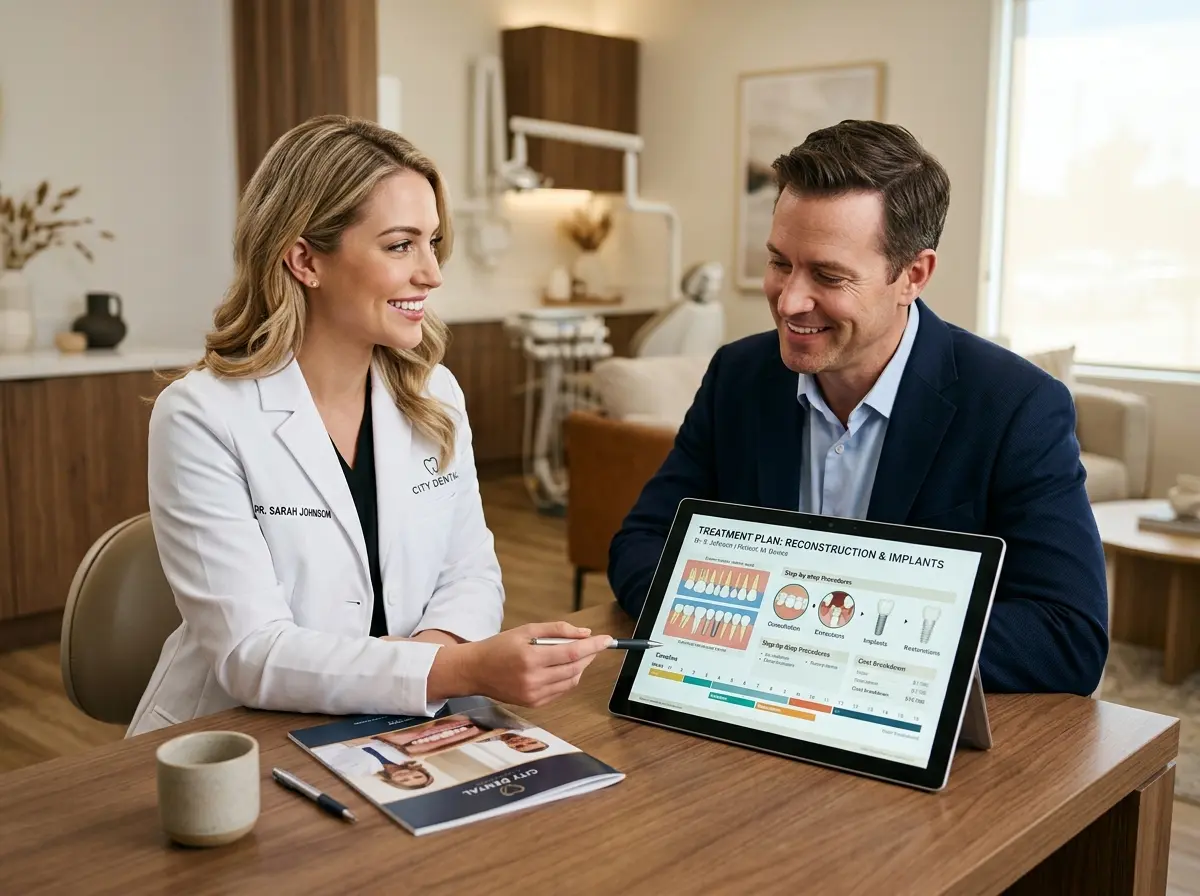
Software platforms like Dentrix Ascend, Eaglesoft, and Carestream offer built-in visual treatment plan tools. Pair these with patient-friendly language and before/after examples, and you've got a presentation that feels more like a health consultation than a billing conversation. Practices that consistently use intraoral cameras report case acceptance improvements of up to 30% — that's not a small number.
Customize by Patient, Not by Procedure
A 28-year-old athlete and a 65-year-old retiree might need the same crown, but they care about very different things. The athlete wants to know about recovery time and durability. The retiree wants to understand long-term value and whether their fixed income can absorb it. Effective treatment plan presentations account for what this specific patient values — and that means your team needs to actually listen during the initial conversation, not just chart and move on.
Build a brief intake habit: before presenting any treatment, note the patient's lifestyle, concerns, and communication style. Then tailor the language accordingly. It takes an extra two minutes and can make the difference between a "yes" and a "let me think about it."
Streamlining Patient Communication Before They Even Sit Down
Great case acceptance doesn't start in the treatment room — it starts the moment a patient first contacts your practice. If that first impression is a missed call, a clunky voicemail, or a rushed front desk interaction, you're already starting in the hole.
First Impressions Are Made on the Phone
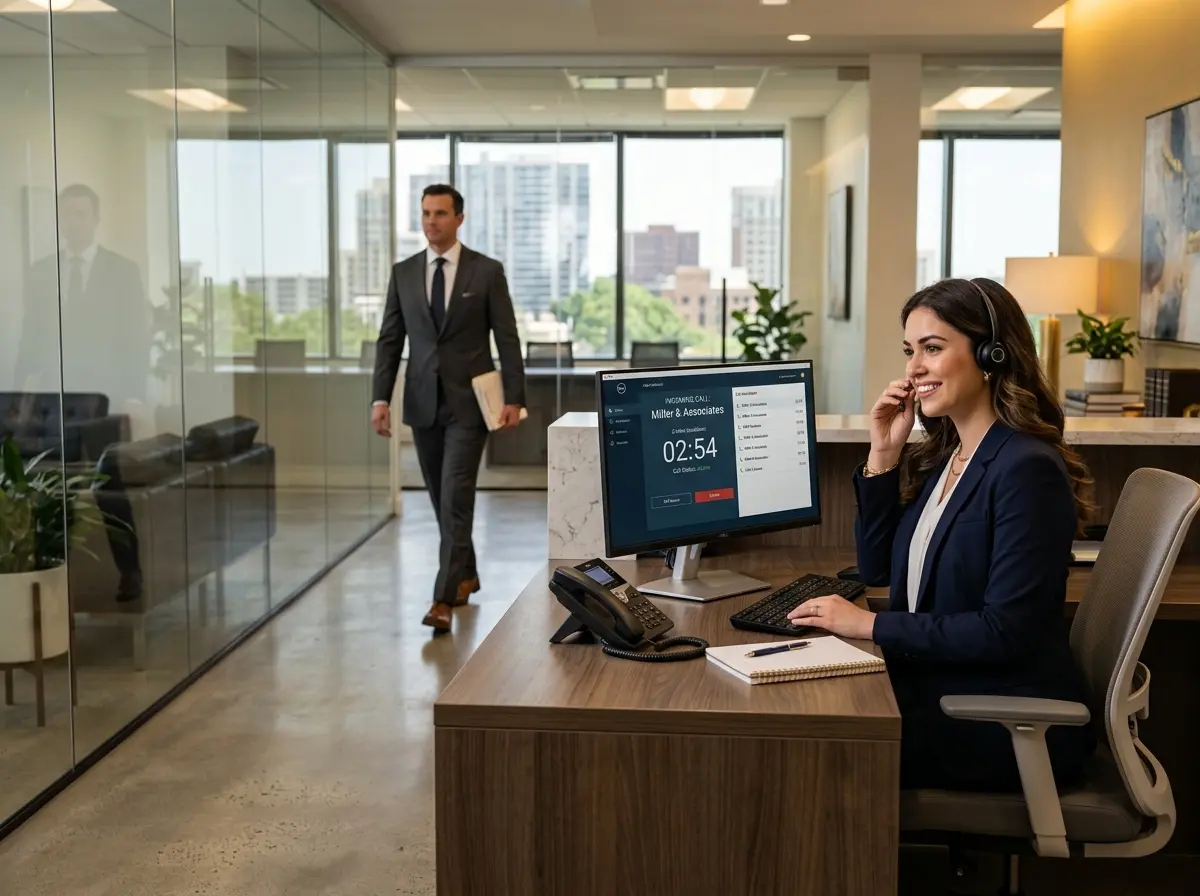
This is where Stella, the AI robot employee and phone receptionist, becomes genuinely useful for dental offices. Stella answers calls 24/7, collects new patient information through conversational intake forms, and ensures no inquiry goes unanswered — even after hours when most of your competitors' phones are ringing into the void. She also greets patients in-office via her kiosk presence, creating a consistent, professional welcome from the moment someone walks through your door. When patients feel attended to from the very first touchpoint, they arrive at their appointment already more trusting — and more open to accepting recommended care.
The Follow-Up System That Turns "Maybe" Into "Yes"
Here's a stat that should light a fire under your follow-up process: research suggests that it takes an average of five touchpoints to convert a hesitant patient into a scheduled one. Most dental offices make one follow-up call, get an answering machine, and quietly give up. That's leaving real money — and real patient health outcomes — on the table.
Create a Multi-Step Follow-Up Sequence
A structured follow-up doesn't mean being pushy. It means being persistent in a helpful, patient-centered way. A solid sequence might look like this: a same-day summary email with the treatment plan and educational links, a personal phone call two days later to answer questions, a text reminder at the one-week mark, and a final check-in call at thirty days for any outstanding treatment. Each touchpoint should feel like a caring nudge, not a collection call.
Assign ownership of this process clearly — whether it's your treatment coordinator, office manager, or a defined rotation among staff. Vague responsibility means the follow-up doesn't happen. Specific responsibility means it does.
Address Objections Before They Become Excuses
The three most common reasons patients decline or delay treatment are cost, fear, and not truly understanding why it's urgent. Your presentation and follow-up system should proactively address all three.
For cost, offer financing options like CareCredit or Sunbit and present them during the initial consultation, not as an afterthought. For fear, acknowledge it directly — patients who feel heard are far more likely to follow through. For urgency, use plain language to explain what happens if the problem is left untreated. "This small cavity will likely become a root canal within twelve to eighteen months" is far more motivating than "D0230 recommended."
Track Your Acceptance Data Like a Business Owner
You can't improve what you don't measure. Start tracking your case acceptance rate by treatment type, by provider, and by treatment coordinator — and review it monthly. You may discover that certain types of treatment (orthodontics, cosmetics, periodontal therapy) have dramatically lower acceptance rates than others, which tells you exactly where to focus your training and presentation improvements. Most practice management software can generate these reports with just a few clicks. Use them.
Quick Reminder About Stella
Stella is an AI robot employee and phone receptionist that helps businesses — including dental offices — handle patient calls 24/7, greet walk-ins at a friendly in-store kiosk, collect intake information, and maintain organized customer contacts through a built-in CRM. She runs on a simple $99/month subscription with no upfront hardware costs and no sick days. For a practice focused on improving first impressions and patient communication, she's worth a look.
Your Next Steps Toward Higher Case Acceptance
Improving case acceptance isn't a single fix — it's a system. But that system is entirely within your reach, and the practices that commit to it consistently see meaningful results in both revenue and patient outcomes.
Start here: audit your current treatment plan presentation. Print out what a patient actually receives today and read it through the eyes of someone with no dental background. Is it clear? Is it compelling? Does it explain the why? If the answer to any of those is "not really," that's your starting point.
From there, layer in the upgrades: better visuals, patient-centered language, proactive financial conversations, and a real follow-up sequence with assigned ownership and tracked results. None of this requires a massive budget — it requires intention and consistency.
Your patients want to say yes to the care you're recommending. They just need a presentation that makes it easy for them to do so. Build that presentation, train your team around it, and watch your case acceptance numbers tell a very different story.