When Your Best Clients Ghost You (And What One Salon Did About It)
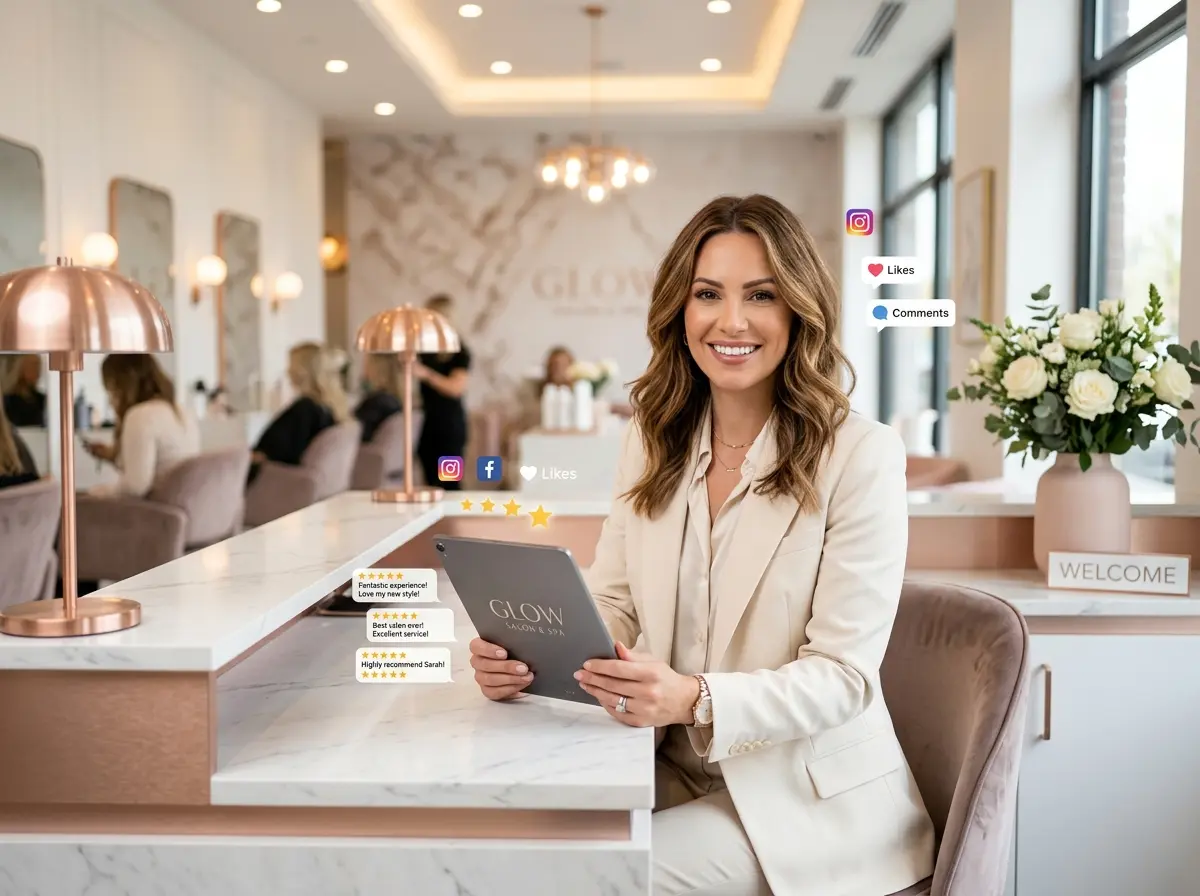
Every salon owner knows the feeling. You scroll through your client list and spot a name — someone who used to come in religiously every six weeks, who loved your team, who referred their coworkers — and you realize you haven't seen them in over a year. Life happened. They got busy. Maybe they tried someone closer to home. Maybe they just… forgot you existed. Ouch.
Lapsed clients are one of the most frustrating and underutilized assets in the beauty industry. You already did the hard work of earning their trust. You don't need to convince them you're good — they already know that. You just need to remind them you're still here, still great, and that coming back is worth their while.
That's exactly what one forward-thinking salon owner figured out when she launched a reactivation campaign that brought 200 lapsed clients back through her doors. No paid ads. No influencer partnerships. Just smart strategy, the right tools, and a little bit of well-timed outreach. Here's how she did it — and how you can too.
The Anatomy of a Winning Reactivation Campaign
Before you blast a generic "We miss you!" email to everyone who hasn't booked in a while, let's talk strategy. A reactivation campaign that actually works requires three things: the right audience, the right message, and the right offer. Skip any one of these and you're just adding to someone's spam folder.
Identifying Your Lapsed Client Segments
Not all lapsed clients are created equal. Someone who hasn't been in for four months is very different from someone who hasn't visited in two years. The salon in our case study segmented her list into three groups: recently lapsed (3–6 months), moderately lapsed (6–12 months), and long-gone (12+ months). Each group received a different message with a different level of incentive.
Recently lapsed clients got a gentle nudge — a "Hey, it's been a while" message with a modest discount. Moderately lapsed clients received a more compelling offer along with a reminder of what made the salon special. The long-gone group? They got the full red-carpet treatment: a personalized message, a meaningful discount, and a limited-time urgency push. This tiered approach meant she wasn't giving away margin to clients who were already on the verge of coming back.
Crafting a Message That Doesn't Feel Like a Form Letter
The difference between a reactivation message that works and one that gets ignored is personalization — or at least the feeling of personalization. The salon owner used client names, referenced their last service, and wrote in the warm, casual tone her brand was already known for. The subject lines weren't "Come Back!" or "Special Offer Inside." They were things like, "Sarah, your highlights are probably crying for attention right now."
Humor, when appropriate to your brand, goes a long way. People are far more likely to open and respond to a message that makes them smile than one that reads like it was generated by a committee. The goal is to make the client feel seen, not marketed to.
The Offer That Sealed the Deal
Here's where a lot of business owners get tripped up. A weak offer — say, 10% off — doesn't move the needle. But giving away the farm isn't sustainable either. The sweet spot is an offer that feels generous without destroying your margins. This salon offered a free deep conditioning treatment (a high-perceived-value add-on with relatively low cost) with any booked service for lapsed clients. It felt like a gift. It also got people back in the chair, where the real upsell opportunity lives.
The result? Over the course of a six-week campaign across email and SMS, 200 lapsed clients rebooked. Some hadn't been in for nearly two years. That's not just revenue recovered — that's relationships rebuilt.
How the Right Tools Make Reactivation Effortless
Running a reactivation campaign manually — digging through old appointment records, writing individual messages, tracking who responded — is the kind of task that sounds manageable at 9am on a Monday and feels completely impossible by Wednesday. The salon owner's secret weapon was having a solid system in place that made the whole process significantly less painful.
Why Your CRM Is the Engine Behind Everything
Stella, the AI robot employee and phone receptionist, comes with a built-in CRM that lets salon owners (and really, any business owner) manage client contacts with custom fields, tags, notes, and AI-generated profiles. That means you can tag clients by service type, visit frequency, last appointment date, and more — making it dead simple to pull a list of lapsed clients and segment them without spreadsheet acrobatics. Stella also handles phone calls 24/7 and collects client information through conversational intake forms, so new clients are automatically added to your CRM the moment they first interact with your business — whether they call in or walk up to her kiosk in your lobby.
When your client data is clean, organized, and actionable, a reactivation campaign goes from "overwhelming project" to "Tuesday afternoon task." That's the kind of operational leverage that makes a real difference.
Keeping Reactivated Clients From Going Quiet Again
Getting 200 clients back is a fantastic win. Losing them again in six months because nothing changed is a avoidable tragedy. The final piece of a great reactivation campaign is the retention strategy that follows it — because if the experience that greets returning clients isn't meaningfully better than what they remember (or what drove them away), you're just delaying the inevitable.
The Welcome-Back Experience Matters More Than You Think
When a lapsed client walks back in, they're quietly evaluating whether their return was worth it. This is your chance to over-deliver. The salon in our story trained her team to acknowledge returning clients warmly, reference their history, and make them feel like VIPs — not just another appointment slot. Small touches make a big impression: remembering a preferred stylist, noting a previous color formula, asking about the job they mentioned two years ago.
It doesn't have to be elaborate. It just has to feel intentional. And when your front-of-house experience — whether that's a staff member, a kiosk, or both — is primed to greet people warmly and make them feel known, retention improves naturally.
Building a Follow-Up Rhythm That Sticks
Once a lapsed client rebooks, the clock starts on keeping them active. A solid post-visit follow-up sequence — a thank-you message the next day, a rebooking reminder at the four-week mark, and a check-in at six weeks — dramatically increases the chances they become regular clients again rather than drifting back into the lapsed pile.
Research consistently shows that increasing client retention by just 5% can boost profits by 25–95%, depending on the industry. For salons, where repeat business is the lifeblood of the operation, the math is even more compelling. The point isn't to pester people — it's to stay top of mind just enough that booking with you remains the path of least resistance.
Turning Reactivated Clients Into Referral Sources
Here's a bonus opportunity that most salons overlook: a client who just had a great comeback experience is in a uniquely positive emotional state. They're relieved their old favorite place is still great. They're a little sheepish about having stayed away so long. And they're probably going to tell someone about it.
This is the perfect moment to introduce or remind them about a referral program. A simple "Bring a friend and you both save" offer, delivered at checkout or in the post-visit follow-up, can turn one reactivated client into two or three new ones. That's a compounding return on a campaign that already paid for itself several times over.
Quick Reminder About Stella
Stella is an AI robot employee and phone receptionist that works around the clock — greeting walk-in customers at her in-store kiosk, answering phone calls 24/7, managing client information through her built-in CRM, and promoting your current offers without ever needing a coffee break. She runs on a $99/month subscription with no upfront hardware costs, making her one of the more sensible investments a salon owner (or really, any business owner) can make in their day-to-day operations.
Your Next Steps: Time to Win Back What's Yours
The clients sitting dormant in your database aren't lost — they're just waiting for the right nudge. A well-executed reactivation campaign can recover revenue you didn't know you were leaving on the table, rebuild relationships that still have real value, and give your retention strategy the kind of momentum that compounds over time.
Here's where to start:
- Pull your lapsed client list and segment it by recency — 3–6 months, 6–12 months, and 12+ months.
- Craft a tiered outreach sequence with messaging and offers calibrated to each group. The longer they've been away, the more compelling the offer needs to be.
- Write like a human being. Use their name. Reference their history. Maybe make them laugh a little. Generic doesn't convert.
- Design a welcome-back experience worthy of the effort they made to return. Make them feel like the VIPs they are.
- Set up your follow-up rhythm before the campaign even launches, so retention is automatic — not an afterthought.
Two hundred clients didn't walk back into that salon by accident. They walked back because someone took the time to ask them to. Your lapsed clients are out there. Go get them.