You've Got Foot Traffic — Now What?
Getting customers through your door is a victory worth celebrating. Briefly. Then comes the harder part: turning that curious stranger browsing your shelves into someone who posts glowing reviews, tells their friends, and shows up again next Tuesday. The difference between a one-time visit and a lifelong fan isn't luck — it's the in-store customer journey, and most businesses are winging it.
Here's the uncomfortable truth: 70% of buying experiences are based on how the customer feels they are being treated, according to McKinsey. Not your product quality. Not your prices. How they feel. That means every touchpoint — from the moment someone walks through your door to the moment they leave — is either building loyalty or quietly destroying it.
The good news? A well-designed customer journey map is your secret weapon for making sure every interaction lands the way you intend. Think of it as choreography for your store, except instead of dancers, you have customers — and instead of applause, you get repeat business. Let's break it down.
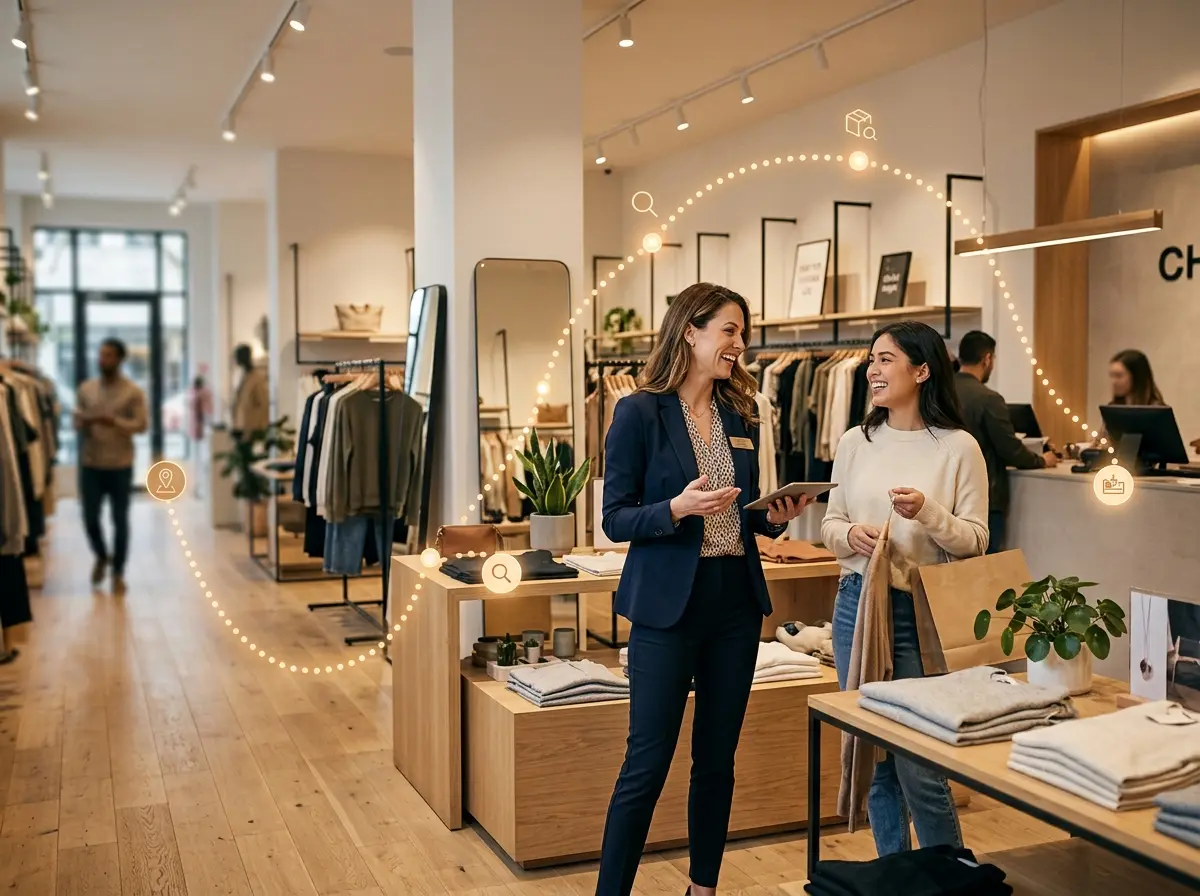
The Five Stages of the In-Store Customer Journey
The in-store experience doesn't begin when a customer grabs a product off your shelf. It starts before they even open your door — and it doesn't end when they leave. Understanding each stage helps you identify where you're delighting customers and, more importantly, where you're accidentally losing them.
Stage 1: Awareness and Arrival
First impressions are ruthless. A customer's brain starts forming opinions about your business before they've said a single word to your staff. Your storefront, signage, lighting, and even how easy it was to find parking all contribute to that initial emotional read. Is your space inviting or intimidating? Organized or overwhelming?
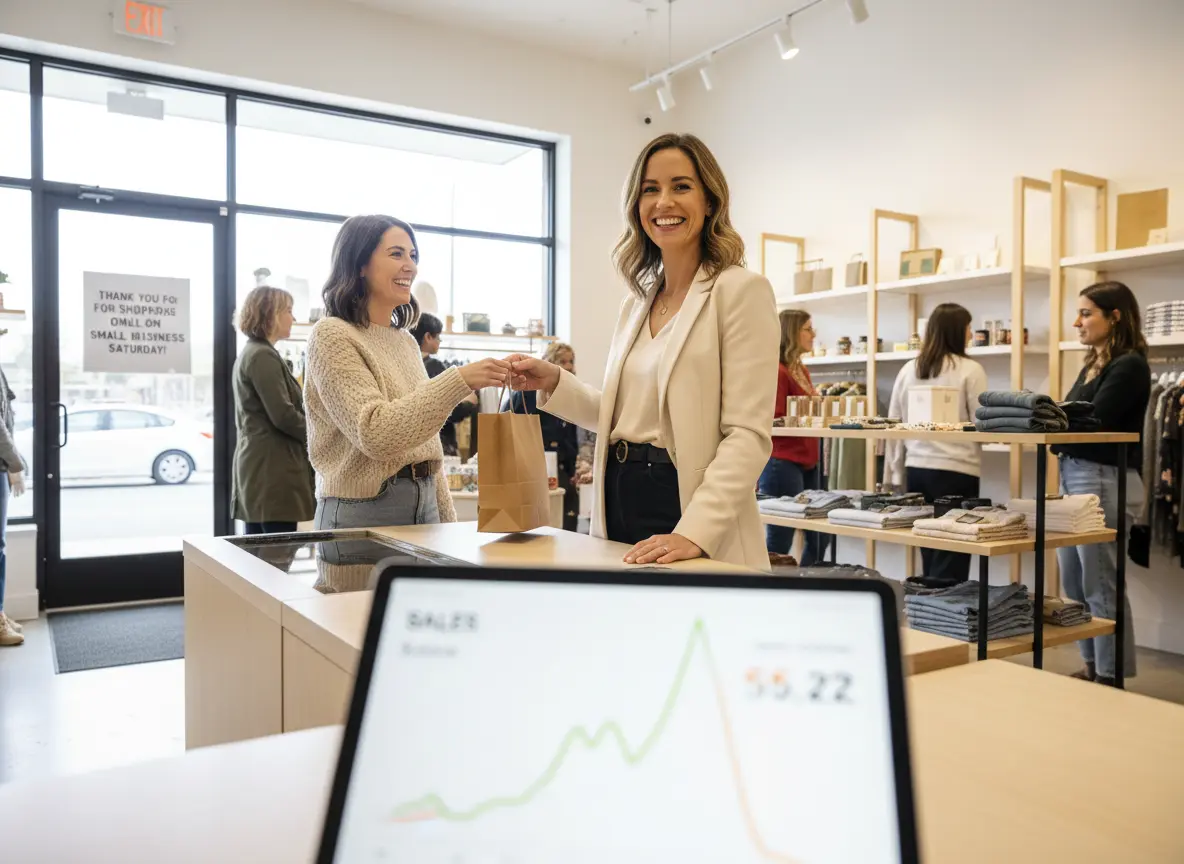
The arrival moment is critical. Research from the Retail Customer Experience shows that customers decide within the first 90 seconds whether they feel welcome. This is your opening act, and if no one greets them — or worse, someone looks up and immediately looks back down — you've already lost points you didn't know were on the board. Train your team to acknowledge every customer who walks in, even if it's just a genuine nod and a "Hey, welcome in!" The goal is to signal: you matter here.
Stage 2: Exploration and Engagement
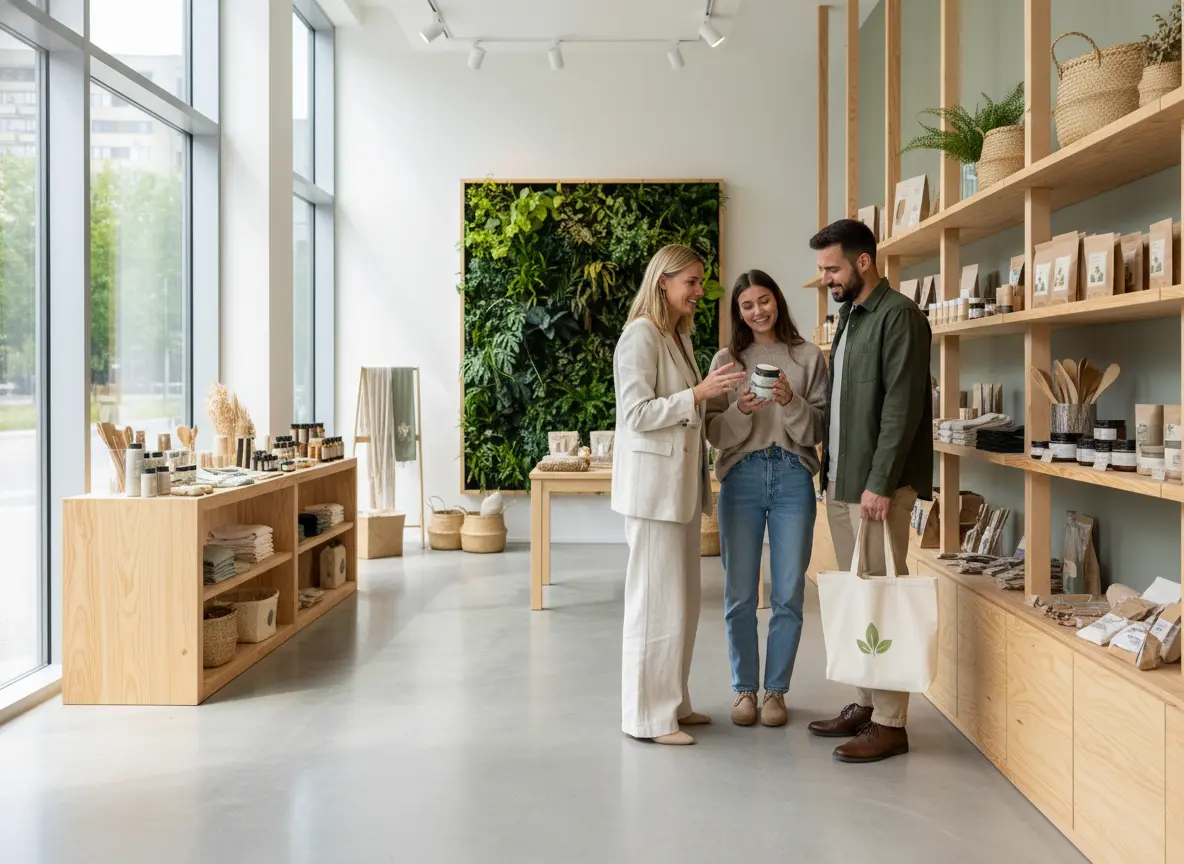
This is the browsing phase, and it's where most businesses either shine or fumble. Customers are exploring your products, comparing options, and silently asking questions they may or may not voice aloud. Your job — and your team's job — is to be helpful without being hovering. Nobody likes a salesperson who trails them like a shadow.
Effective engagement during this stage looks like proactive but low-pressure check-ins, clear product signage that answers common questions before they're asked, and staff who actually know what they're talking about. If your team is busy, distracted, or stuck behind the register, customers browse alone, get confused, and leave. Make sure your floor layout guides customers naturally toward your best offerings, and consider what information should be available at the point of decision — not just at the checkout counter.
Stage 3: The Decision Moment
This is where the magic either happens or evaporates. A customer is standing in front of a product — or several — and they're about to make a call. The factors that influence this moment include confidence in the product, perceived value, and whether they feel supported in the decision. A timely recommendation, a mention of a current promotion, or even a simple "That one's our most popular for a reason" can tip the scales significantly.
This is also your prime opportunity for upselling and cross-selling — not in the pushy, car-dealership sense, but in the genuinely helpful "Oh, if you're getting that, you'll probably want this too" sense. Customers appreciate feeling like someone is looking out for them. Map out which products pair naturally and make sure your team (or your in-store tools) are consistently surfacing those connections.
How Smart Tools Can Elevate Every Stage
Even the best-designed customer journey hits a wall when your team is stretched thin, inconsistently trained, or just having an off day — which, to be fair, is called being human. This is where technology can quietly carry a lot of weight.
Covering the Gaps Without Cloning Your Best Employee
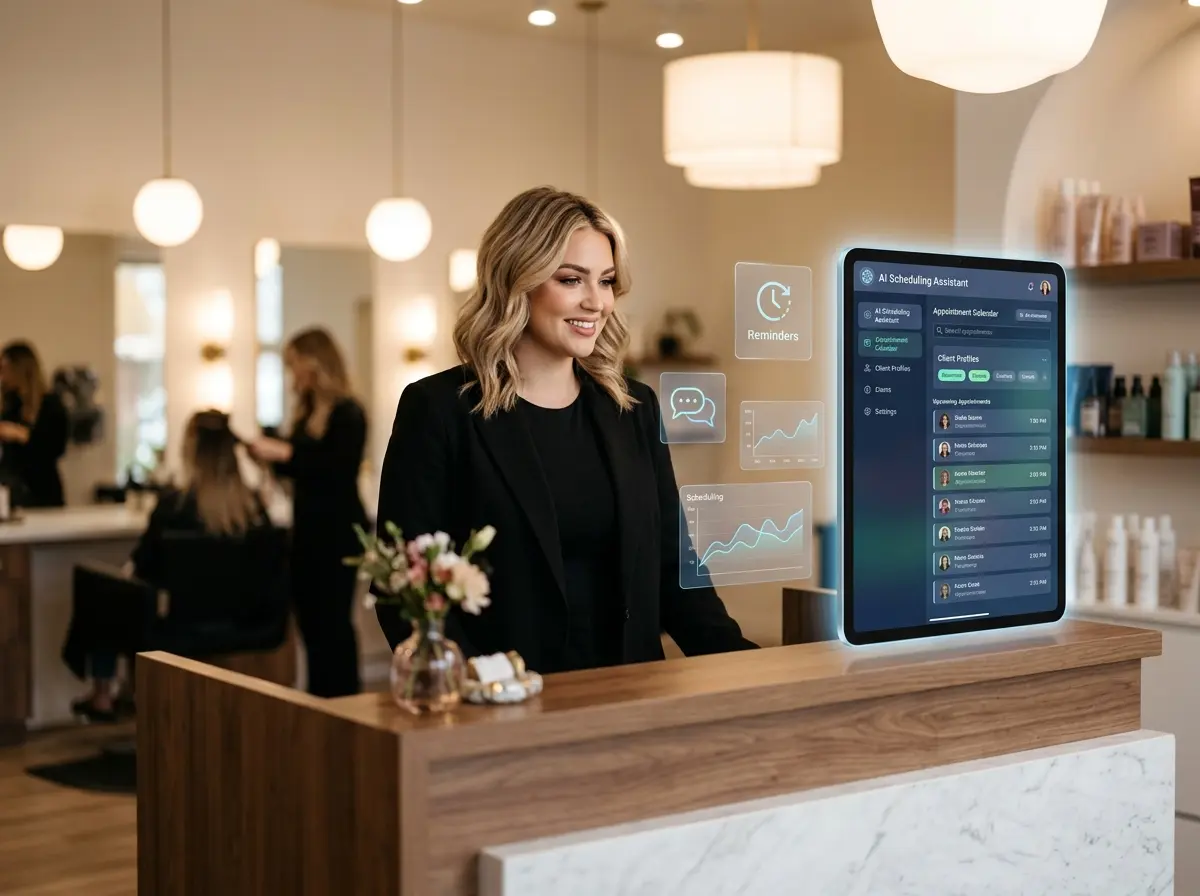
Stella, the AI robot employee and phone receptionist, is one tool that addresses multiple journey stages simultaneously. Inside your store, Stella greets every customer who walks by — proactively, cheerfully, and without ever checking her phone. She answers product questions, highlights current promotions, assists with decision-making, and even upsells related items through natural conversation. She's essentially your most consistent employee, except she doesn't call in sick and she never forgets the Tuesday special.
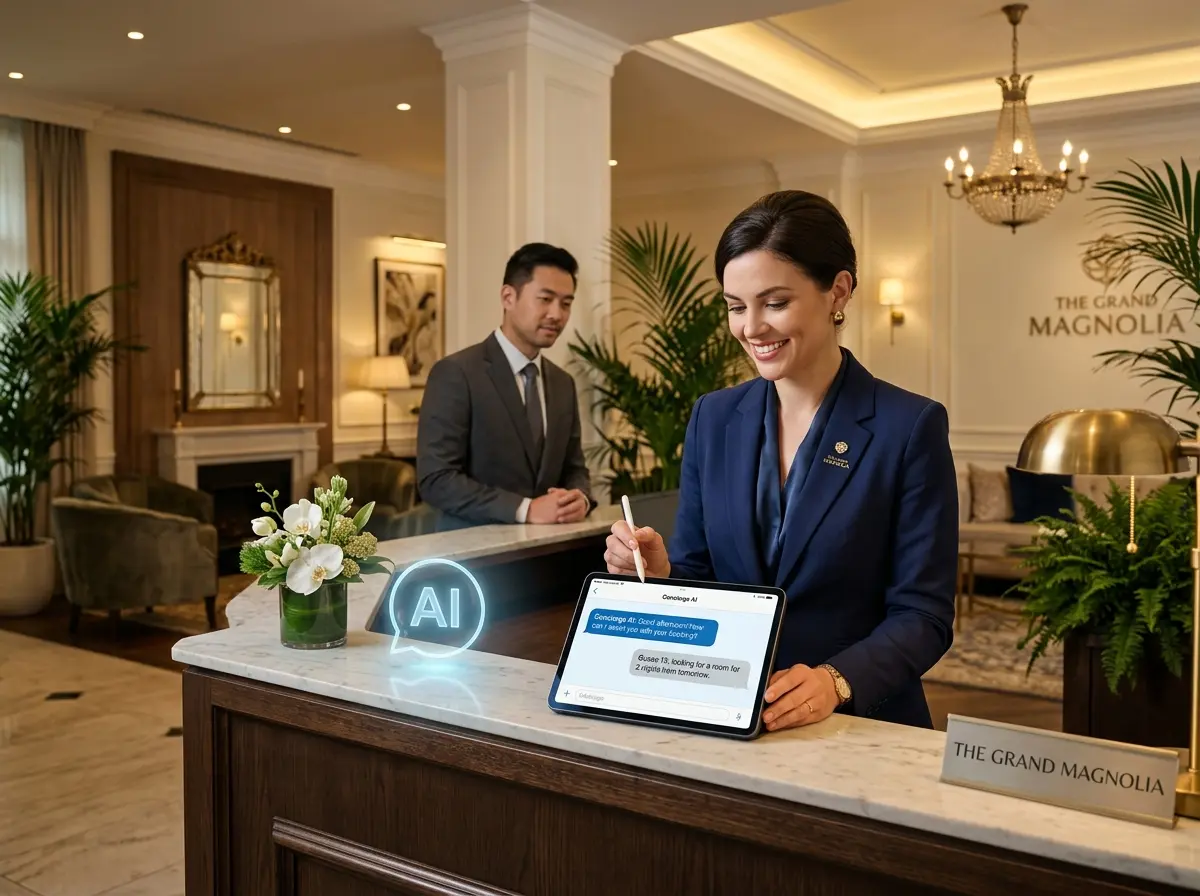
And because the customer journey doesn't stop when someone leaves your store, Stella also answers phone calls 24/7 with the same business knowledge she uses in person. Whether a customer is calling to check your hours before visiting, following up on a purchase, or calling at 10 PM when your staff is long gone, Stella handles it professionally and consistently. For businesses that want a seamless experience from the first in-store hello to the post-visit phone call, that kind of continuity is hard to replicate with staff alone.
Mapping the Post-Purchase Journey (Because It's Not Over Yet)
Most customer journey maps end at the sale. This is a mistake approximately the size of a missed monthly revenue target. The post-purchase experience is where loyalty is actually built — or silently abandoned. A customer who buys something and never hears from you again is just a transaction. A customer who feels followed up on, appreciated, and remembered is a fan.
The Follow-Up That Feels Personal, Not Creepy
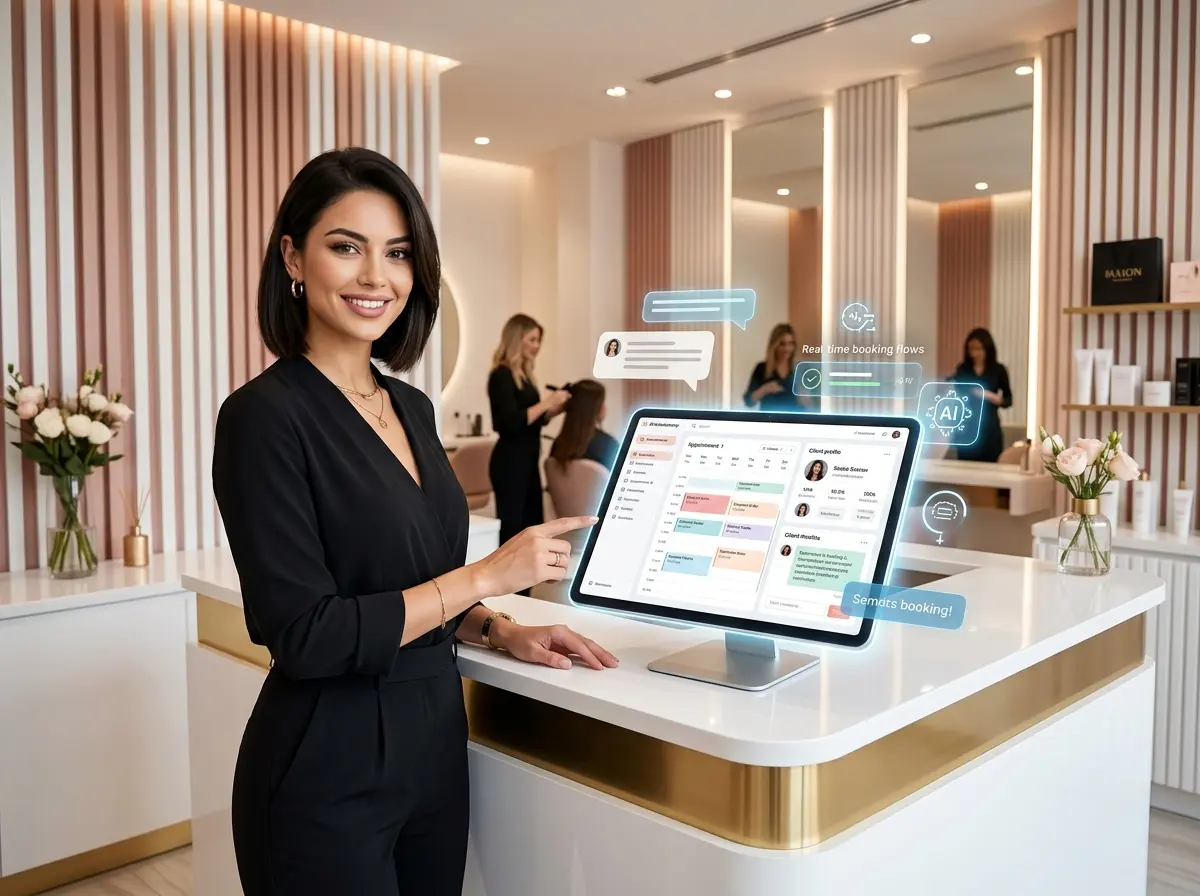
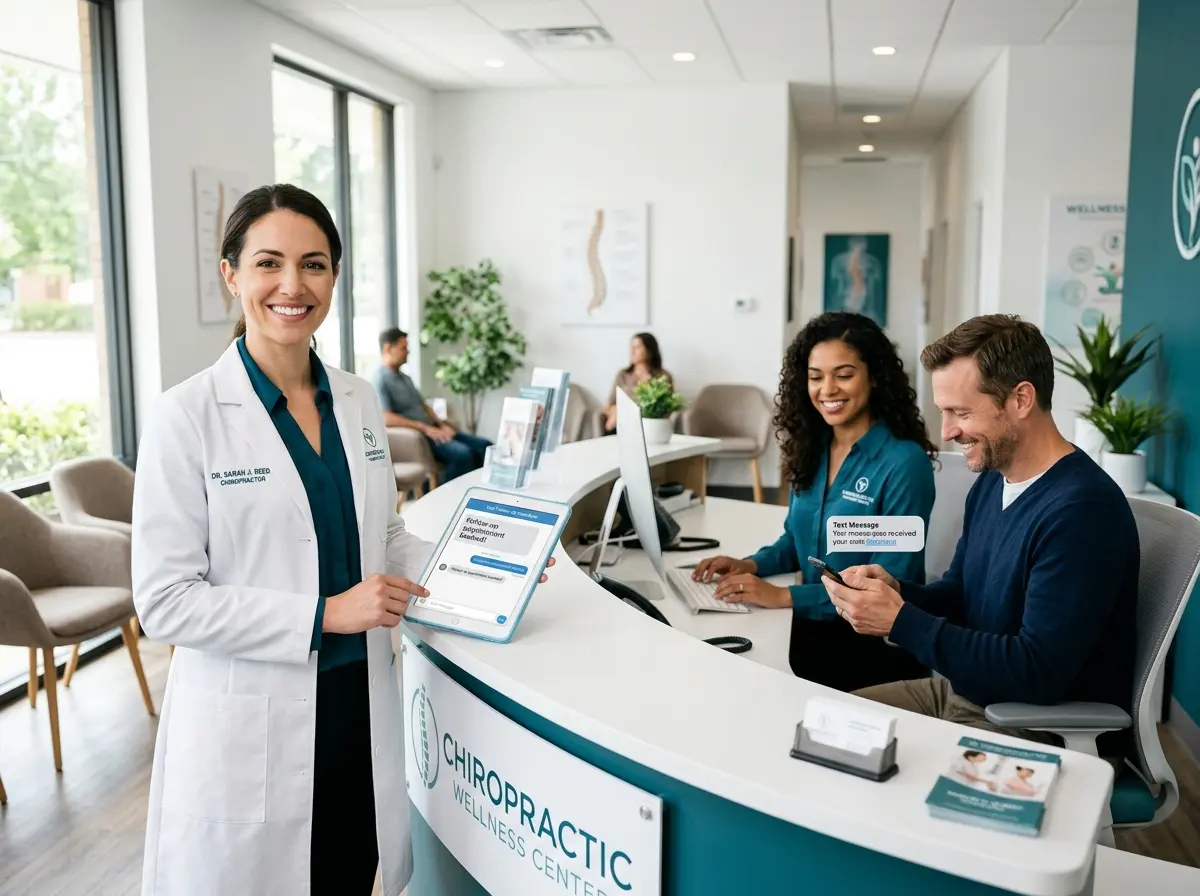
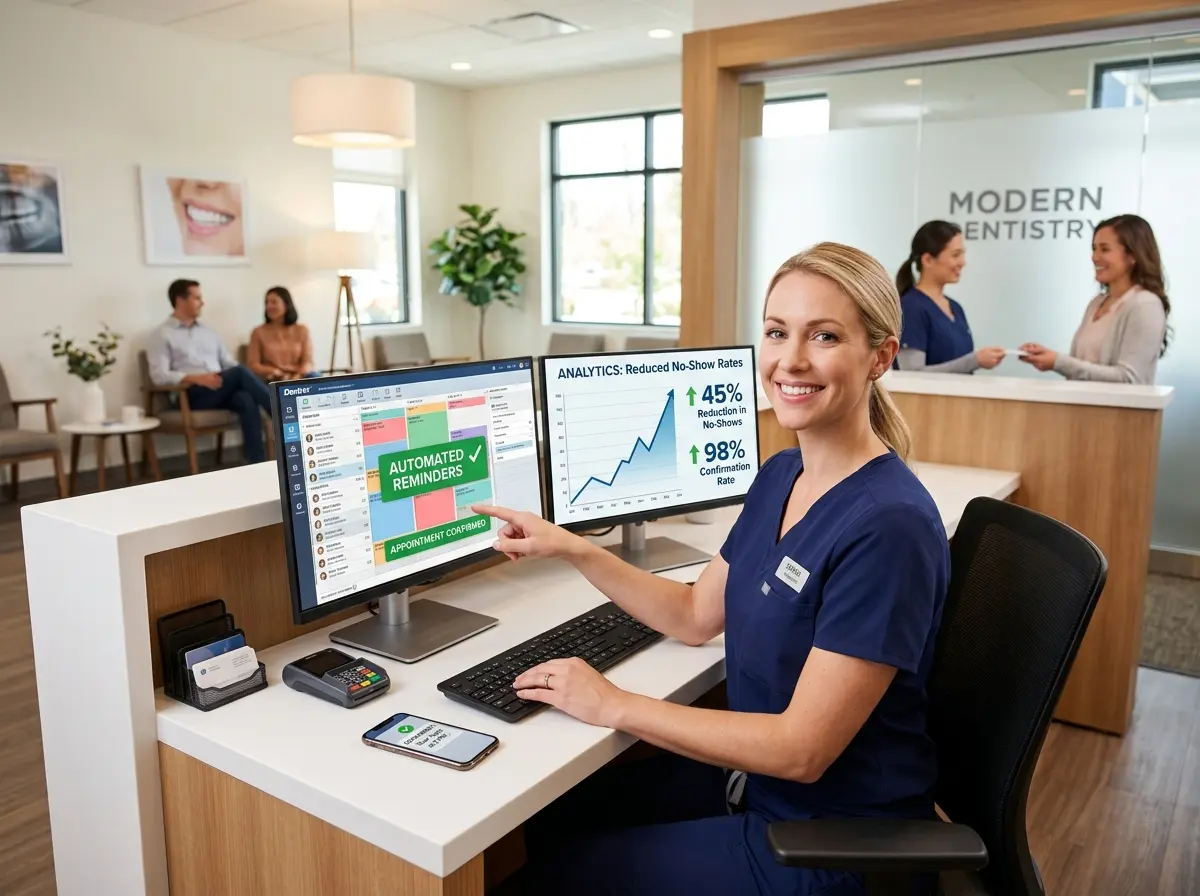
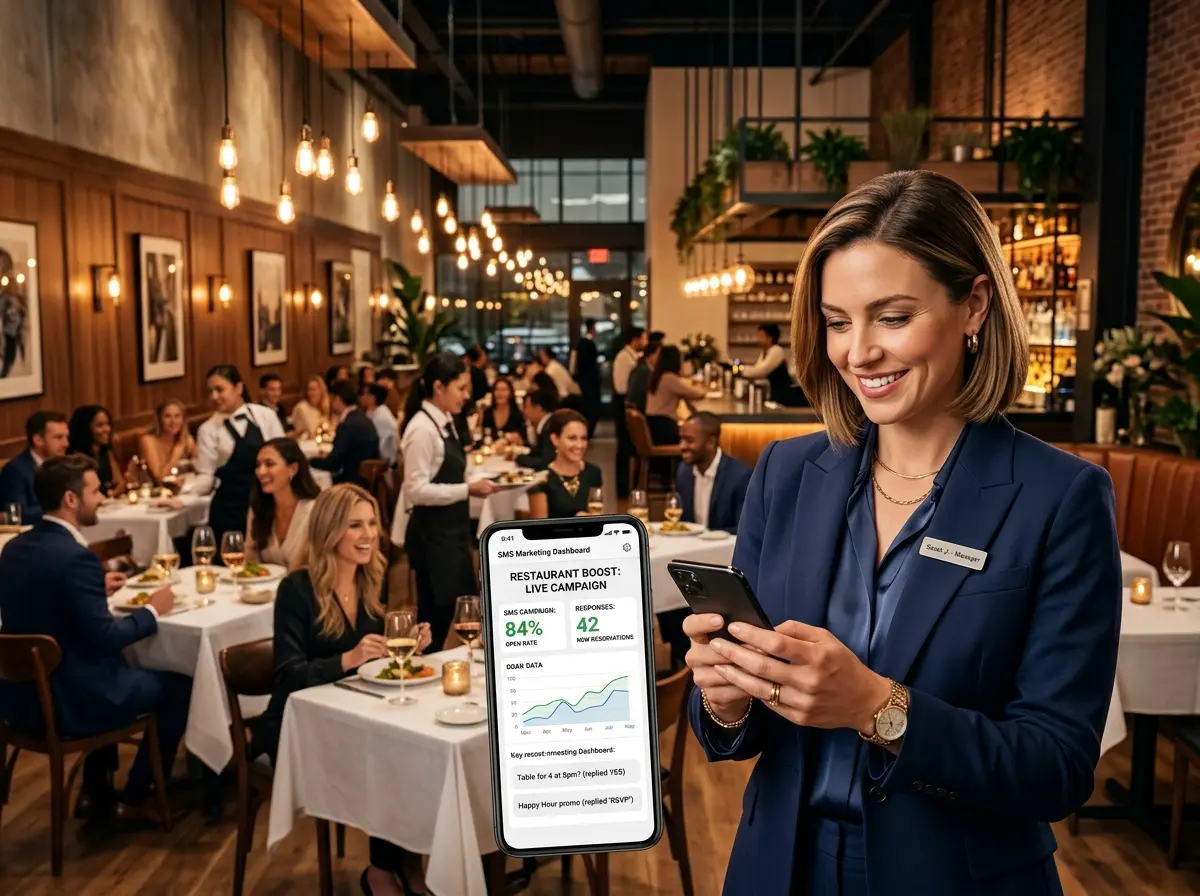
Post-purchase follow-up doesn't have to mean a barrage of promotional emails that get immediately archived. It can be as simple as a genuine thank-you message, a check-in to make sure they're happy with their purchase, or a heads-up about a related product or upcoming event. The key is relevance and timing. A spa texting a client three days after their massage to ask how they're feeling and mention a returning-client discount? That's memorable. A generic "Thanks for your purchase!" auto-email at 2 AM? Less so.
Good customer journey mapping includes defining exactly what happens after the sale: who follows up, when, through what channel, and with what message. If the answer is "nothing," that's your action item for the week.
Turning Feedback into Your Competitive Advantage
Customer feedback — solicited and unsolicited — is a goldmine that most businesses collect inconsistently and analyze almost never. Building feedback collection into your journey map closes this loop. Whether it's a quick survey at checkout, a follow-up text with a review link, or simply tracking what questions customers keep asking in-store, these insights tell you exactly where your journey is working and where it needs work.
Actionable tip: Review your Google reviews monthly and categorize the feedback. You'll start to see patterns — maybe customers love your product but consistently mention that it was hard to find someone to help them. That's a journey map edit waiting to happen. Use the data you're already receiving to make deliberate improvements rather than reactive ones.
Quick Reminder About Stella
Stella is an AI robot employee and phone receptionist that works inside your store as a human-sized kiosk and answers your phones around the clock — starting at just $99/month with no upfront hardware costs. She greets customers, promotes your offers, answers questions, and handles calls with the same business knowledge whether she's standing in your lobby or picking up at midnight. If you're looking for a reliable way to cover more of your customer journey without adding headcount, she's worth a look.
Start Mapping, Start Winning
A customer journey map doesn't have to be a 40-slide presentation with color-coded swim lanes — though if that's your thing, no judgment. At its core, it's simply the practice of walking through your store (and your phone experience, and your follow-up process) through your customer's eyes and asking: Is this good? Is this consistent? Does this make someone want to come back?
Here's where to start this week:
- Walk your own store as a customer. Time how long it takes someone to acknowledge you. Notice what's confusing. Look at your signage like you've never seen it before.
- Audit your greeting process. Is every customer welcomed? Is it warm and genuine, or obligatory and mumbled?
- Map your post-purchase touchpoints. Write down exactly what happens after a sale. If the answer is nothing, schedule time to fix that this week.
- Review your last 20 customer interactions. Where did they go well? Where did someone leave without buying, and why?
- Identify your biggest gap. Pick one stage of the journey — arrival, exploration, decision, post-purchase — and commit to improving just that one thing in the next 30 days.
The businesses that build loyal fans aren't necessarily the ones with the best products or the lowest prices. They're the ones that make customers feel seen, helped, and valued at every single touchpoint. Map the journey. Fix the gaps. Then watch what happens when someone who came in for one thing leaves telling everyone they know about you.
That's not luck. That's strategy — and now you have the blueprint.