Introduction: The Art of the Well-Timed "Have You Considered...?"
You already know that a basic manicure is rarely just a basic manicure. There's a whole universe of add-ons waiting to be discovered — gel topcoats, cuticle treatments, paraffin wax dips, nail art, hand massages — and yet, somehow, clients walk out the door with bare nails and a missed opportunity. Not because they didn't want those extras. Not because they couldn't afford them. But because nobody asked at the right moment.
Upselling in a nail salon isn't about being pushy or salesy. It's about being timely. Ask too early and you seem aggressive. Ask too late and the client's already mentally checked out, shoes on, ready to dash. Ask at exactly the right moment, though, and a $35 manicure becomes a $65 experience — and your client leaves feeling like royalty rather than a sales target. That's the sweet spot, and this guide is going to help you find it every single time.
According to industry data, upselling and cross-selling can increase salon revenue by 10–30% without adding a single new client to your books. The money is already walking through your door. You just need a better system for capturing it.
Understanding the Psychology of the Upsell Moment
Before we talk tactics, it helps to understand why timing matters so much in the first place. Your client's willingness to say "yes" isn't constant throughout their visit — it peaks and valleys depending on where they are in the experience. Nail technicians who understand this rhythm upsell effortlessly. Those who don't tend to either miss the window entirely or create awkward, pressure-filled moments that leave everyone uncomfortable.
The "Yes Mindset" Window
Clients are most receptive to add-ons right after they've made their initial decision but before the service has fully begun. Think of it like ordering at a restaurant — you're most open to appetizer suggestions right after you've placed your entrée order, not when the food is already in front of you. In a nail salon context, this is the sweet spot between "I'll take a gel manicure" and the moment the technician starts prepping the nails. The client has already committed to spending money. Their spending mindset is active. A well-placed suggestion here feels like helpful guidance, not a hard sell.
Emotional High Points Are Your Friends
There's another powerful upsell window: right after a client has seen or felt something they love. If she's admiring her freshly shaped nails in the light, that's not the time to stay quiet — that's the time to mention the gel topcoat that'll keep them looking exactly like that for two extra weeks. Emotion drives purchasing decisions far more reliably than logic does, and a delighted client in the middle of a service is primed to say yes to things that enhance what's already making her happy. Train your staff to read those moments and respond to them naturally.
Avoid the Checkout Ambush
Here's a hard truth: the worst time to suggest an add-on is at the register. At that point, the client has mentally closed the transaction. She knows what she's paying, she's got her card out, and introducing a new expense feels like a surprise fee rather than an opportunity. Upselling at checkout has the lowest conversion rate and the highest likelihood of leaving a sour taste. If it didn't happen during the service, let it go — and use the experience to inform better timing next visit.
How the Right Tools Make Upselling Effortless
Even the best upselling strategy falls apart if your team is too busy, too distracted, or simply forgets to follow through. This is where smart systems — including the technology you use to greet, engage, and communicate with clients — can quietly do a lot of the heavy lifting for you.
Let Technology Handle the Opening Act
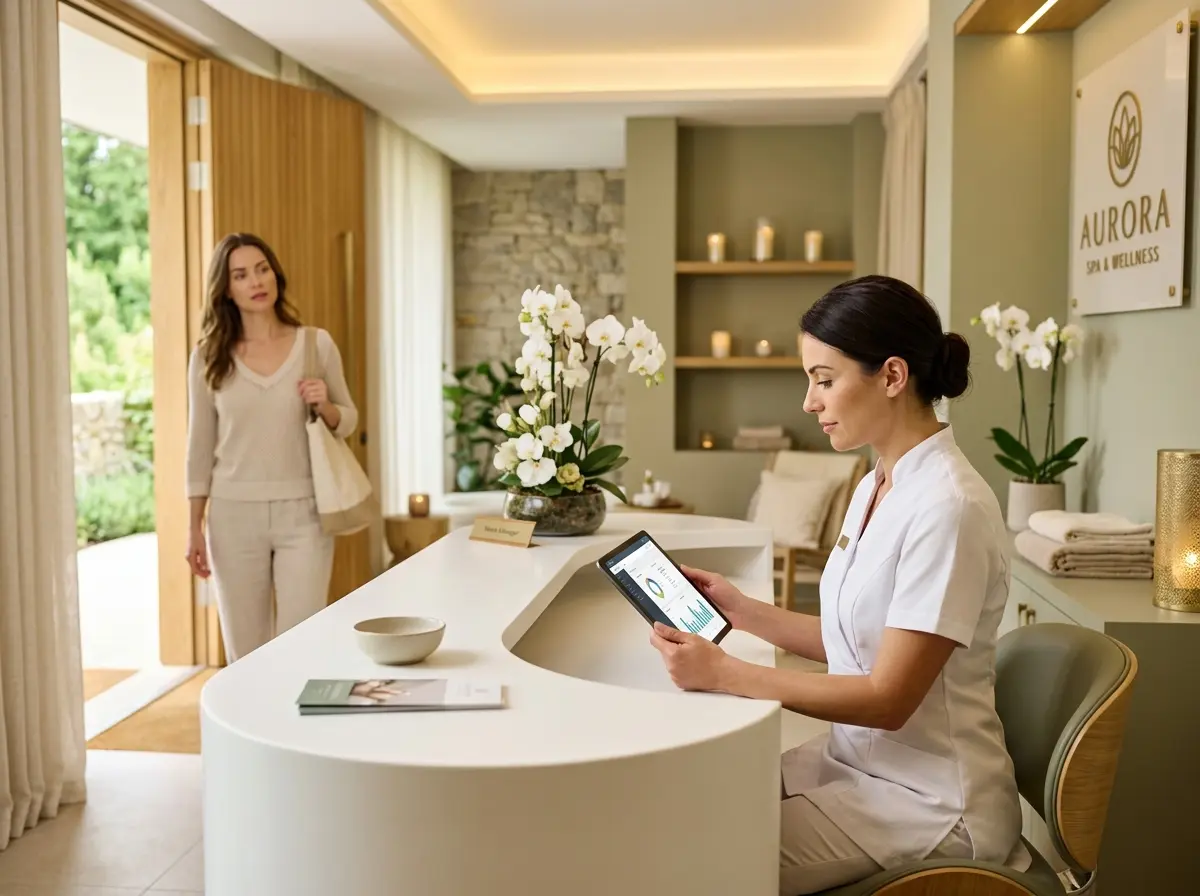
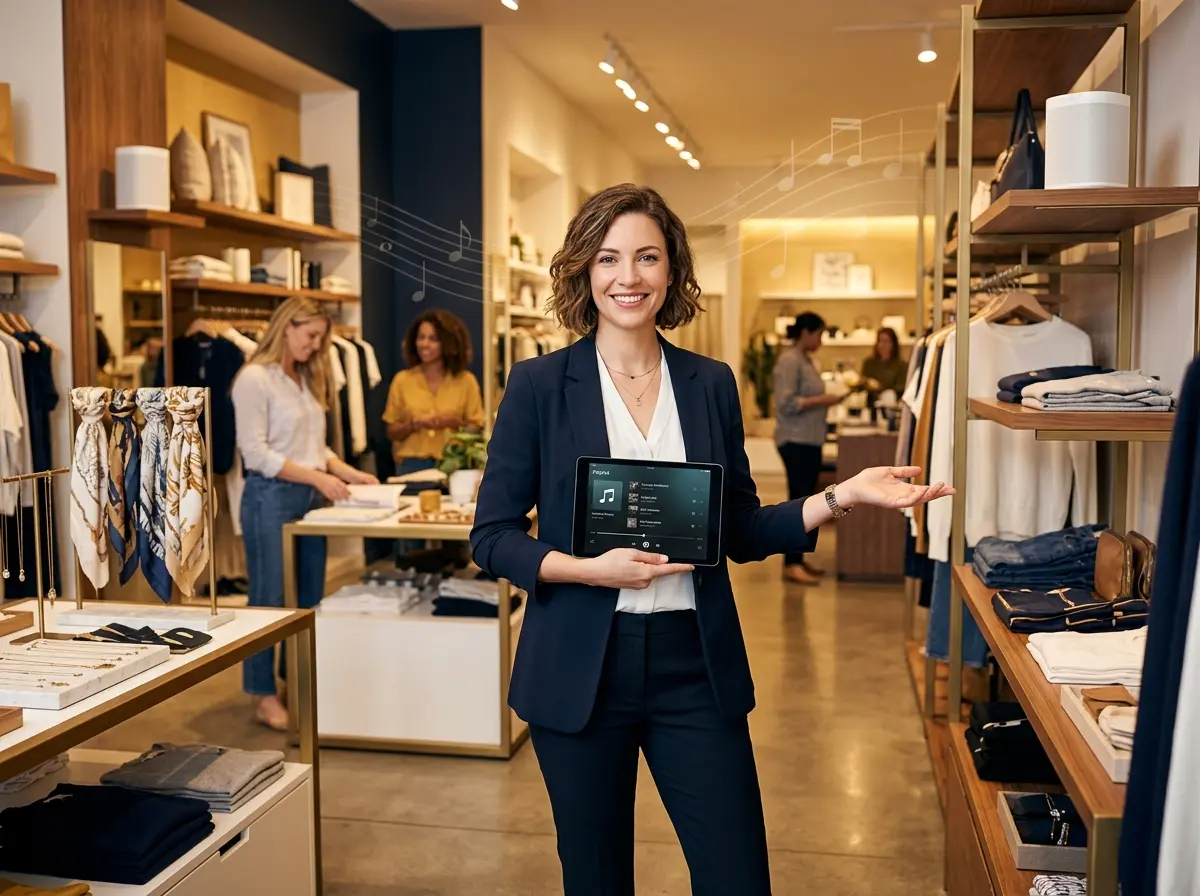
Stella, the AI robot employee and phone receptionist, is one tool worth knowing about here. As a physical kiosk inside your salon, Stella greets clients the moment they walk in, engages them in natural conversation, and can introduce current promotions or service bundles before they even sit down in the chair. That means your technicians don't have to handle the opening pitch — they can focus entirely on the service while Stella plants the seed about the paraffin wax add-on or the nail art special. And on the phone side, Stella answers calls 24/7, promoting services and answering questions so your front desk isn't buried when the salon is packed. It's upselling infrastructure, running quietly in the background.
Training Your Team to Recommend, Not Recite
No amount of strategy works if your technicians sound like they're reading from a script. Clients can smell a rehearsed pitch from a mile away, and it immediately breaks the warm, personal atmosphere that makes a salon experience enjoyable. The goal is to make upsell suggestions feel like advice from a knowledgeable friend — because that's exactly what your most talented technicians are already doing naturally.
Teach Observation-Based Recommendations
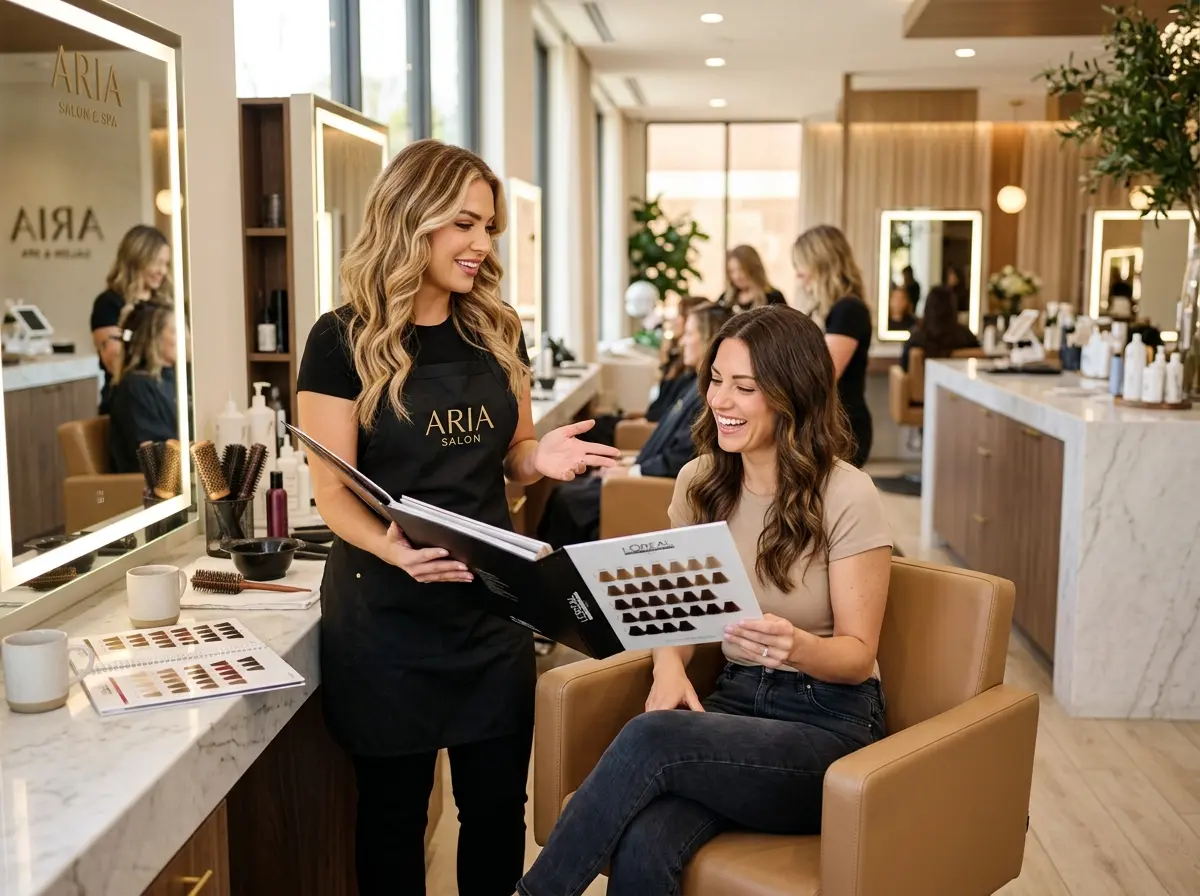
The most effective upsell language is specific and observational. Instead of "Would you like to add a paraffin wax treatment?" try "Your cuticles are looking a little dry — the paraffin dip would do wonders for that, and it feels amazing." The second version demonstrates expertise, personalizes the suggestion, and ties the product directly to something the client can see or feel right now. Train your team to use what's right in front of them — the condition of the nails, the client's chosen color, the occasion she mentioned — as the springboard for natural recommendations.
Build Add-Ons Into Service Packages and Menus
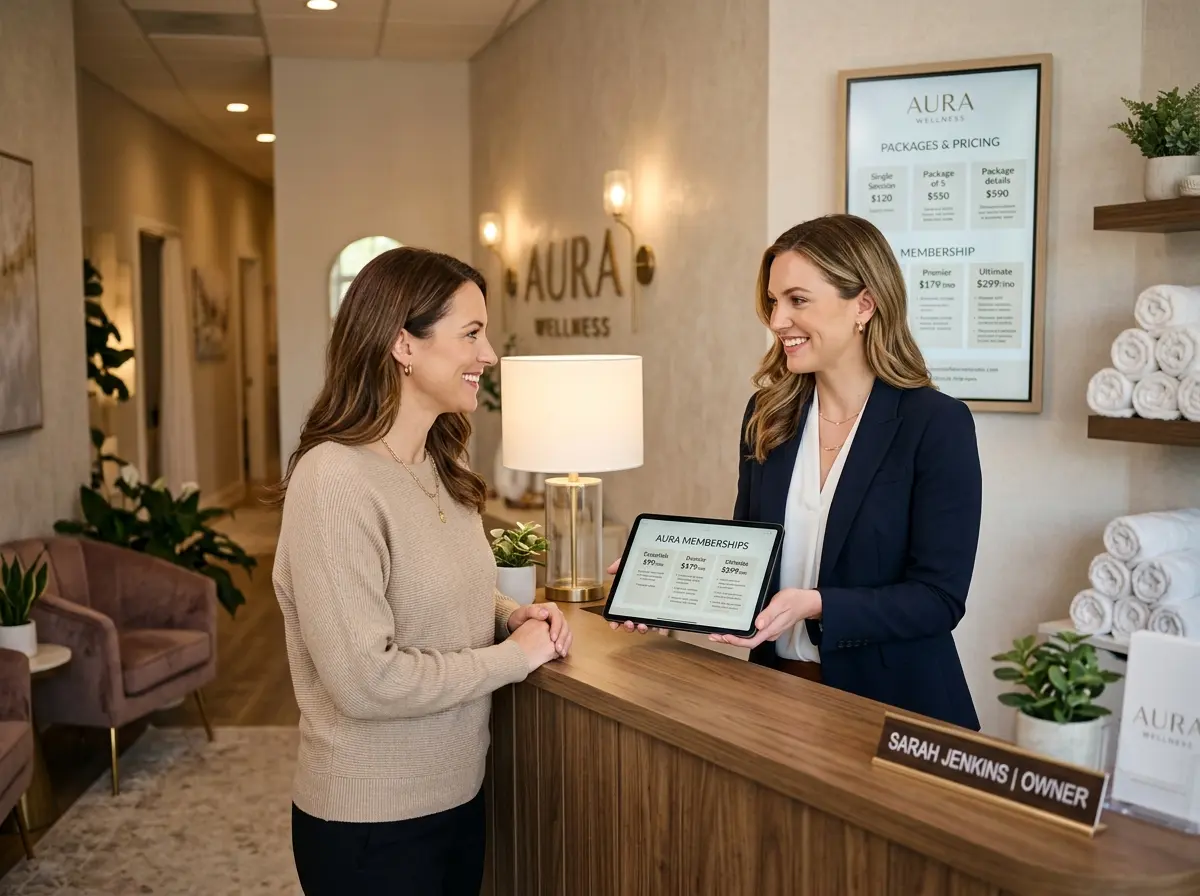
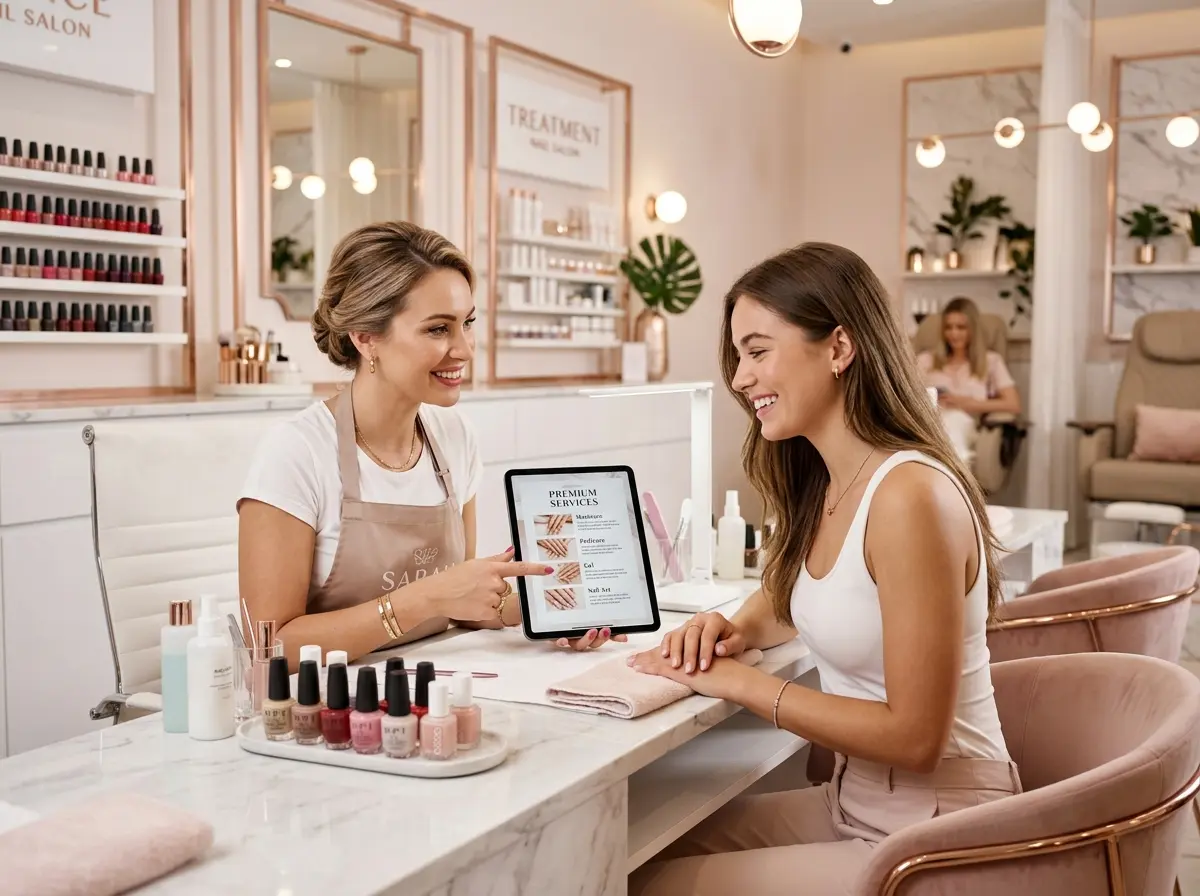
One of the simplest structural upsells you can make requires zero conversation: bundle your add-ons into tiered service packages. When a client chooses between "Classic Manicure," "Deluxe Manicure," and "Luxury Manicure," she's already considering the upgraded options — she's just deciding which level feels right for today. This approach also removes the awkwardness of the individual upsell entirely, because the choice architecture does the work. Clearly display these tiers at your kiosk, on your menu board, and on your booking page so clients arrive pre-considering their options.
Use the Follow-Up Appointment as an Upsell Runway
Upselling doesn't have to happen exclusively in the chair. When a client books her next appointment — whether in person or over the phone — that's a natural opportunity to mention a service she hasn't tried yet or a seasonal treatment that's currently popular. A simple "Last time you mentioned you were curious about nail art — want me to block a little extra time for that?" feels attentive rather than salesy. It also signals to the client that you remember her, which builds loyalty alongside revenue. Consider keeping notes in your client records about expressed interests, hesitations, or services they admired on other clients — it makes these moments feel effortless.
Quick Reminder About Stella
Stella is a friendly AI robot employee and phone receptionist designed for businesses exactly like yours. She greets clients in-store, promotes services and specials, and answers calls around the clock — all for a flat $99/month with no upfront hardware costs. If your team is too busy delivering great services to consistently handle the opening engagement and upsell conversation, Stella picks up the slack without ever calling in sick.
Conclusion: Small Moments, Big Revenue
The secret to upselling in a nail salon isn't a magic script or a high-pressure sales technique. It's a combination of good timing, genuine observation, and smart systems that make the whole process feel natural — for your clients and your team. Here's what to walk away with:
- Identify your highest-conversion windows — right after the initial booking decision and during emotional high points mid-service. Protect those moments.
- Train observation-based language into your team's daily habits. Specific, personalized recommendations outperform generic pitches every time.
- Structure your menu with tiered packages so the upsell conversation is already happening before anyone opens their mouth.
- Use client notes and follow-up touchpoints to revisit upsell opportunities across multiple visits — not just during the current appointment.
- Leverage technology like in-store engagement tools and AI receptionists to handle initial promotions so your technicians can focus on what they do best.
Your clients are already open to spending more — they just need the right invitation at the right moment. Start with one of these strategies this week, measure what happens, and build from there. Your revenue per visit will thank you, and your clients will leave feeling like they discovered something wonderful rather than being sold to. That, right there, is the whole game.