The Secret Weapon Hiding in Your Check-In Process
Let's be honest — most hotels treat the pre-arrival experience like a formality. Send a confirmation email, maybe a reminder, and call it a day. Meanwhile, guests arrive with zero idea that your rooftop bar exists, that you offer couples massages, or that the chef's tasting menu on Friday nights is worth clearing a calendar for. That's not just a missed opportunity. That's leaving money on the table with a little "please take me" sign attached.
One boutique hotel decided to do something different. Instead of treating the window between booking and arrival as dead air, they turned it into a conversation — and the results were striking. By implementing a thoughtful pre-arrival questionnaire, they were able to meaningfully increase guest spend per visit, improve satisfaction scores, and give their staff the kind of advance intel that made every interaction feel personal and polished.
So how did they do it? And more importantly, how can you replicate the strategy — whether you run a hotel, a spa, a restaurant, or any other hospitality-adjacent business? Let's dig in.
The Pre-Arrival Questionnaire: What It Is and Why It Works
More Than a Survey — It's a Sales Tool in Disguise
A pre-arrival questionnaire sounds deceptively simple: you ask guests a few questions before they show up. But when done right, it functions as something far more powerful. It's a personalization engine, a revenue driver, and a guest satisfaction booster rolled into one tidy form.
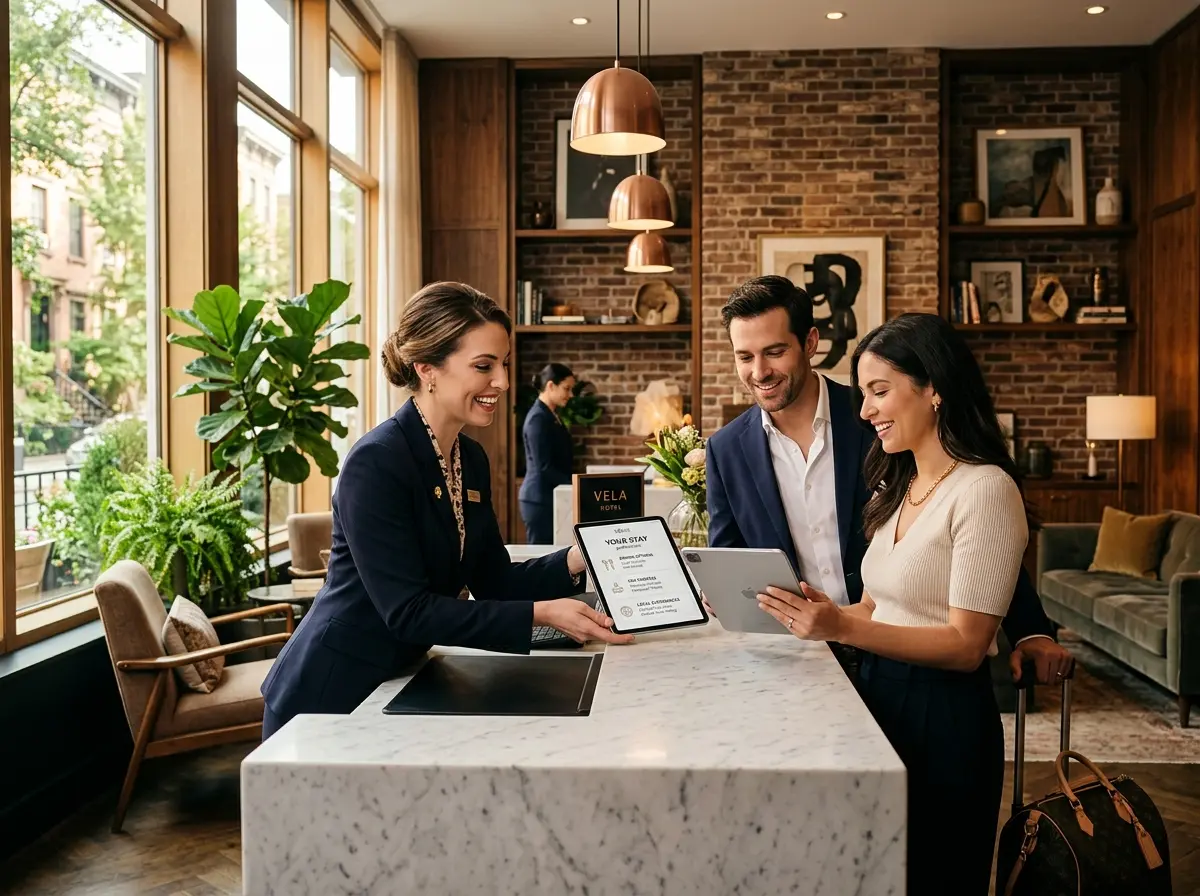
The boutique hotel in our case study — a 32-room property with a full-service spa and a farm-to-table restaurant — started by asking guests just five focused questions after their booking was confirmed:
- What's the occasion for your stay?
- Are you celebrating anything special?
- Would you like to pre-book any dining experiences or spa treatments?
- Do you have any dietary restrictions or preferences?
- Is there anything we can prepare in advance to make your stay exceptional?
Simple, right? But the impact was anything but. Within three months of implementing the questionnaire, their average guest spend increased by 23%, driven largely by pre-booked spa treatments and restaurant reservations. Guests who filled out the form were also significantly more likely to leave five-star reviews — because the hotel already knew what mattered to them before they walked through the door.
The Psychology Behind Why Guests Respond
Here's the thing about hospitality: people want to be taken care of. When a hotel reaches out before arrival and asks thoughtful questions, it signals attentiveness. Guests don't experience it as upselling — they experience it as service. That's the crucial distinction. A guest who pre-books a couples massage because the hotel asked about their anniversary doesn't feel sold to. They feel seen.
Research from the Cornell Center for Hospitality Research supports this: personalized pre-arrival communication is directly linked to higher guest satisfaction and increased ancillary revenue. When guests feel that a property understands their needs, they're not only more likely to spend more — they're more likely to return and refer others. The questionnaire isn't just a revenue tactic. It's the beginning of a relationship.
Designing a Questionnaire That Actually Gets Filled Out
The hotel didn't just wing it. They tested different formats, timing, and question styles before landing on what worked. A few principles that drove their success:
- Keep it short. Five to seven questions maximum. Nobody is filling out a doctoral thesis before a weekend getaway.
- Make it feel warm, not clinical. The tone matters enormously. "Tell us what would make your stay unforgettable" hits differently than "Please complete the following intake form."
- Send it at the right time. Three to five days before arrival tends to work best — close enough to feel relevant, far enough out to actually act on the responses.
- Make it mobile-friendly. Most guests will open the link on their phone. If it's clunky, they'll close it in two seconds.
How Technology Can Handle the Heavy Lifting
Automating the Intake Without Losing the Personal Touch
One of the biggest objections hotel owners raise when they hear about pre-arrival questionnaires is: "Who's going to manage all of this?" It's a fair concern. Collecting responses, organizing preferences, briefing staff, and following up on upsell opportunities takes coordination. If it all falls to a front desk team that's already managing check-ins, phone calls, and walk-in inquiries, the system breaks down fast.
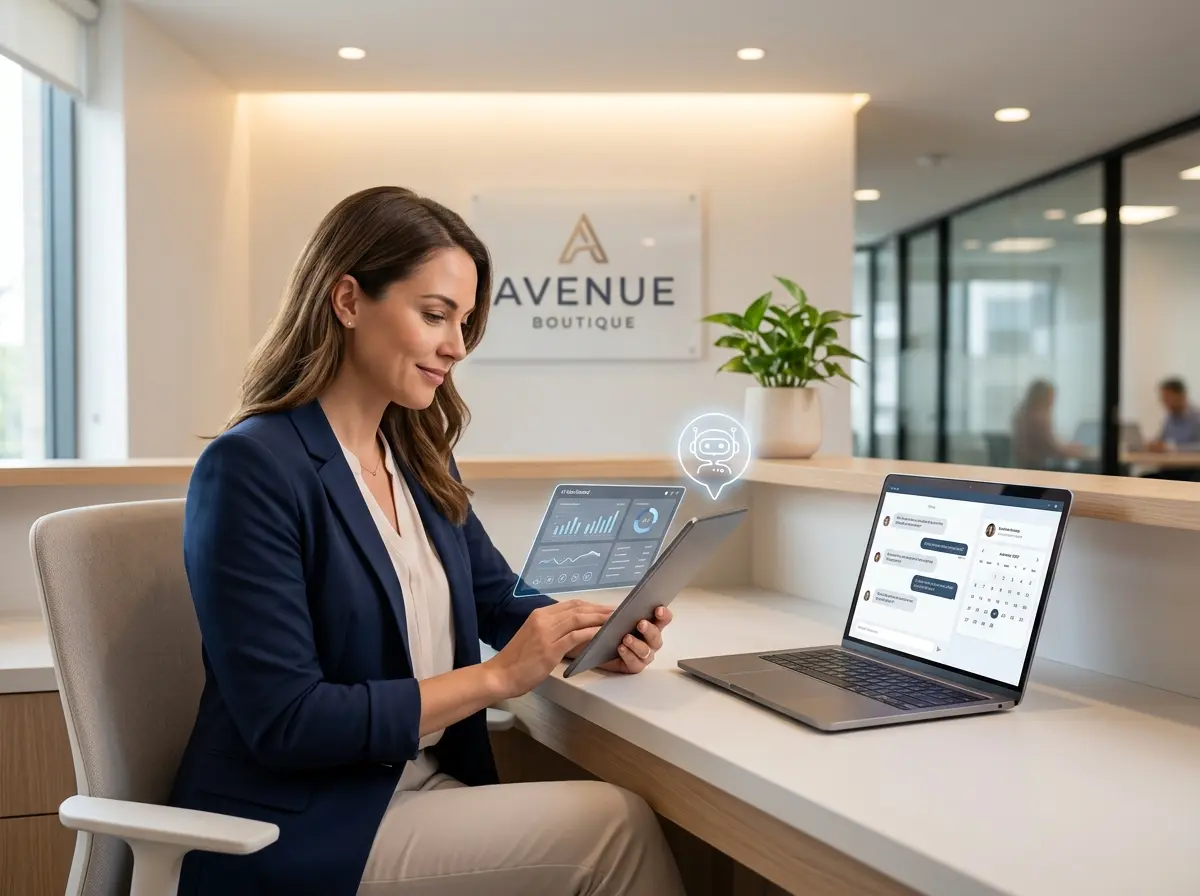
This is where tools like Stella become genuinely useful for hospitality businesses. Stella is an AI robot employee and phone receptionist that can handle conversational intake forms — not just on the web, but also over the phone and at a physical kiosk. For a boutique hotel, that means guests who call in can be guided through preference questions naturally during the conversation, with their responses automatically captured and organized in Stella's built-in CRM. No manual data entry, no dropped details, no sticky notes that mysteriously vanish. Stella can also greet walk-in guests, answer questions about amenities, and promote current offerings — so your front desk team can focus on the warm, human moments that actually define hospitality.
Turning Questionnaire Data Into Real Revenue
Briefing Your Team So They Actually Use the Information
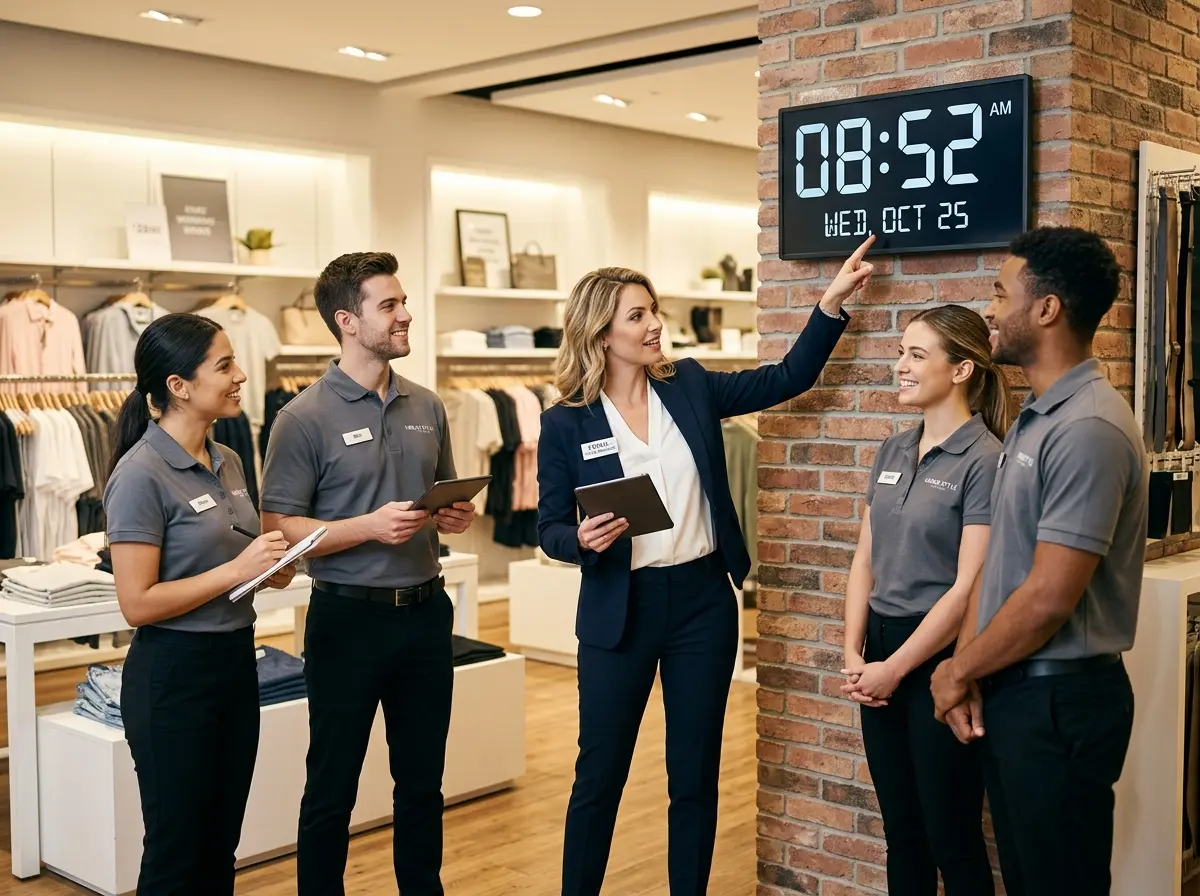
Collecting guest preferences is only half the job. The other half is making sure that information actually reaches the people who need it — and that they know what to do with it. The boutique hotel built a simple pre-arrival briefing into their daily team huddle. Every morning, the manager would review incoming arrivals alongside their questionnaire responses, and assignments would be made: a bottle of prosecco in the room for the anniversary couple, a gluten-free menu flagged for the dining team, a spa appointment confirmation sent to the guest who expressed interest but hadn't booked yet.
This last piece — the follow-up on expressed interest — turned out to be one of their highest-converting tactics. A guest who said "we'd love to try the spa if we have time" wasn't a dead lead. They were a warm one. A brief, personalized email saying "We saved you a slot on Saturday afternoon — want us to hold it?" converted at a surprisingly high rate, simply because the timing was right and the message felt tailored.
Expanding the Model Beyond Hotels
While this case study focuses on a boutique hotel, the core strategy is transferable to a wide range of businesses. A med spa can ask about treatment goals before the first appointment. A high-end restaurant can inquire about dietary restrictions and occasion details when a reservation is made. A luxury car dealership can ask about lifestyle preferences before a test drive. Anywhere there's a gap between initial booking and first contact, there's an opportunity to fill that gap with a conversation that's both helpful and revenue-generating.
The businesses that will win in the next decade aren't necessarily the ones with the biggest budgets. They're the ones that treat every customer touchpoint — including the ones before the customer even arrives — as an opportunity to be genuinely useful.
Measuring What's Actually Working
Like any strategy worth doing, this one requires measurement. The boutique hotel tracked three core metrics: questionnaire completion rate, pre-arrival upsell conversion rate, and average spend per guest (segmented by guests who completed the questionnaire versus those who didn't). The gap between those two groups became their most compelling internal argument for doubling down on the program.
If you're implementing something similar, set your baseline before you start. Know what your average spend per visit looks like today. Know what percentage of guests currently book ancillary services. Then give the program 60 to 90 days and compare. The data will tell you everything you need to know about whether — and how — to refine your approach.
A Quick Reminder About Stella
Stella is an AI robot employee and phone receptionist available to businesses for just $99/month — no hardware costs, no long setup process, and no days off. She stands inside your location as a friendly, knowledgeable kiosk that engages walk-in customers, answers questions, and promotes your offerings. She also answers phone calls 24/7, collects intake information, manages contacts through a built-in CRM, and gives your team the information they need to deliver a great experience — before the customer even walks through the door.
Your Next Steps Start Before Your Guest's Next Visit
The boutique hotel didn't overhaul their entire operation. They added one intentional touchpoint to a process that already existed, and they made it do more work. That's the real takeaway here. You don't need a massive technology investment or a complete rebrand to increase guest spend. You need a better question — asked at the right time, in the right way, and followed up on with care.
Here's what you can do this week:
- Draft your questionnaire. Five questions, warm tone, mobile-friendly format. Focus on occasion, preferences, and interest in ancillary services.
- Set up your delivery. Whether it's an automated email, a conversational AI tool, or a follow-up call from a team member — make sure the questionnaire reaches guests three to five days before arrival.
- Build a briefing process. Decide how and when your team will review responses, who's responsible for acting on them, and how follow-up upsells will be handled.
- Set your baseline and measure. Track average spend, conversion rates, and satisfaction scores from day one so you can see the impact clearly.
The guests are already telling you what they want. They're just waiting to be asked.