Why Your Pet Store Feels Like Just Another Store (And How to Fix That)
Let's be honest — pet owners are a special breed. They carry wallet photos of their dogs, celebrate their cat's birthday with a cake, and will absolutely drive across town to visit a store that makes them feel like family. The question is: is that store yours?
In an era where Amazon will deliver a 40-pound bag of kibble to someone's doorstep by Tuesday, competing on price or convenience alone is a losing battle. The pet stores that are thriving aren't just selling products — they're building communities. They're the places where regulars know the staff by name, where dogs get treats at the door, and where a quick trip for cat litter turns into a 45-minute visit because it's just that enjoyable.
If your pet store feels more like a transaction than an experience, this guide is for you. We're going to walk through exactly how to transform your store into the kind of community destination that pet owners brag about to their friends — and keep coming back to themselves.
Building the In-Store Experience Pet Owners Actually Love
Before you think about events, loyalty programs, or social media, you need to nail the fundamentals. The in-store experience is the foundation of everything. Get this wrong, and nothing else matters. Get it right, and you've got something competitors genuinely can't copy.
Make Every Visit Feel Personal
Personalization is the secret weapon of beloved local businesses. When a customer walks in and a staff member says, "Hey! How's Biscuit doing after that surgery?"— that customer is yours for life. This sounds simple, but it requires intentional effort. Train your staff to remember names — both the human and the pet. Keep notes on regulars. Know your top customers' pets, their dietary needs, their quirks, and their recent milestones.
Consider creating a "Pet Wall of Fame" featuring photos of customer pets submitted through social media or in-store. It costs almost nothing, but it turns your store into a place people feel emotionally connected to. When someone's dog is literally on the wall, they're not shopping at Petco next weekend.
Design Your Space for Lingering, Not Just Shopping
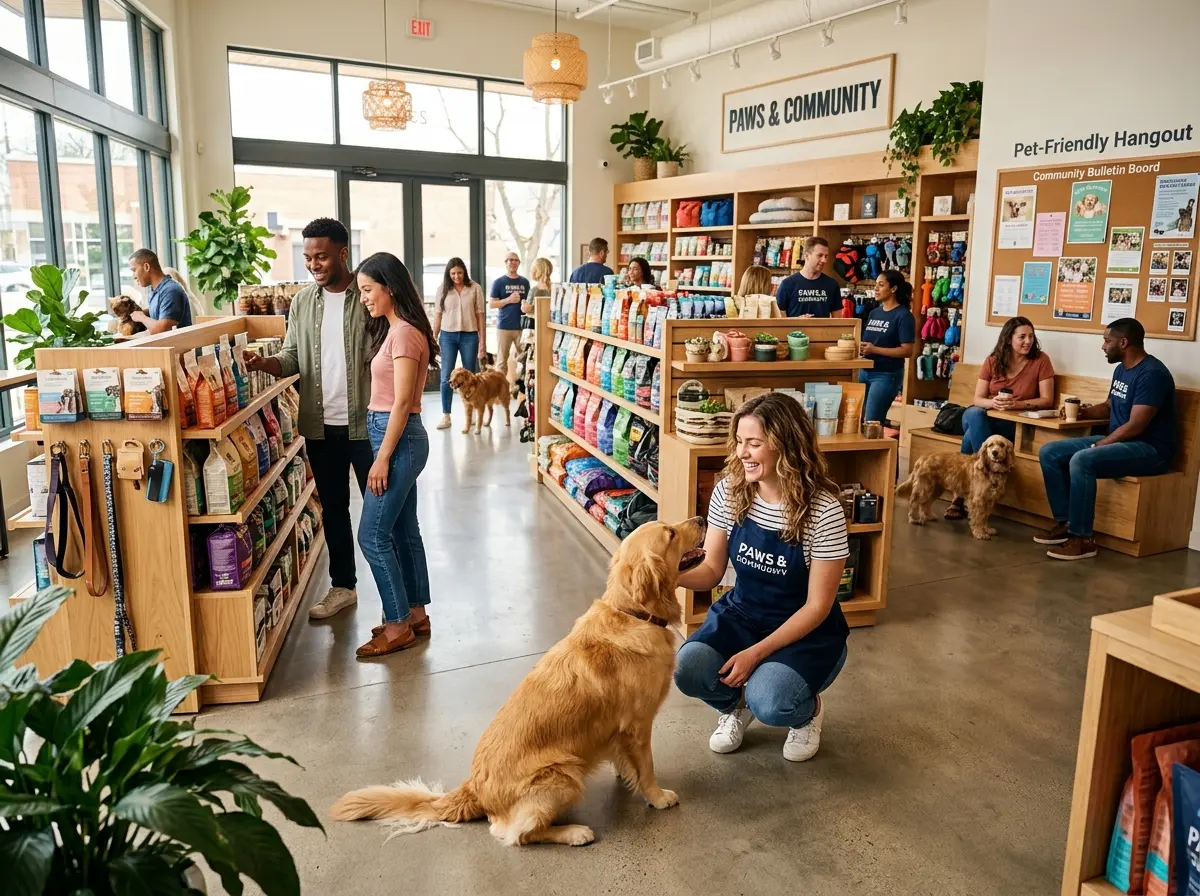
Community destinations are places people want to stay. Take a hard look at your store layout. Is there a comfortable area where pet owners can sit and chat? A spot where dogs can sniff around without knocking over merchandise? A little staging area near the entrance that changes seasonally and begs to be photographed?
According to the American Pet Products Association, U.S. pet industry spending topped $147 billion in 2023. Pet owners are not shy about spending money — but they're spending it where they feel good. Small touches like a water bowl by the entrance, a bulletin board for local pet-related announcements, or a "new arrivals" section that feels curated rather than chaotic can dramatically shift the energy of your store.
Let the Animals Do the Marketing
If your store carries live animals — fish, birds, small mammals, reptiles — lean into the spectacle. A well-maintained, beautifully designed habitat isn't just a product display; it's a destination in itself. Families with kids will make special trips just to see the animals. Position interactive elements near these displays, add informative signage that educates without overwhelming, and make sure staff are ready to talk enthusiastically about the animals when customers stop and stare. Enthusiasm is contagious, and a staff member who genuinely loves the axolotl tank will sell more axolotls than any signage ever could.
Technology That Works as Hard as You Do
Running a pet store means juggling a lot — managing inventory, handling customer questions, processing sales, coordinating grooming appointments, and somehow finding time to clean the fish tanks. Smart technology can take a surprising amount of that weight off your shoulders, especially when it comes to customer engagement.
Let an AI Employee Handle the Front Lines
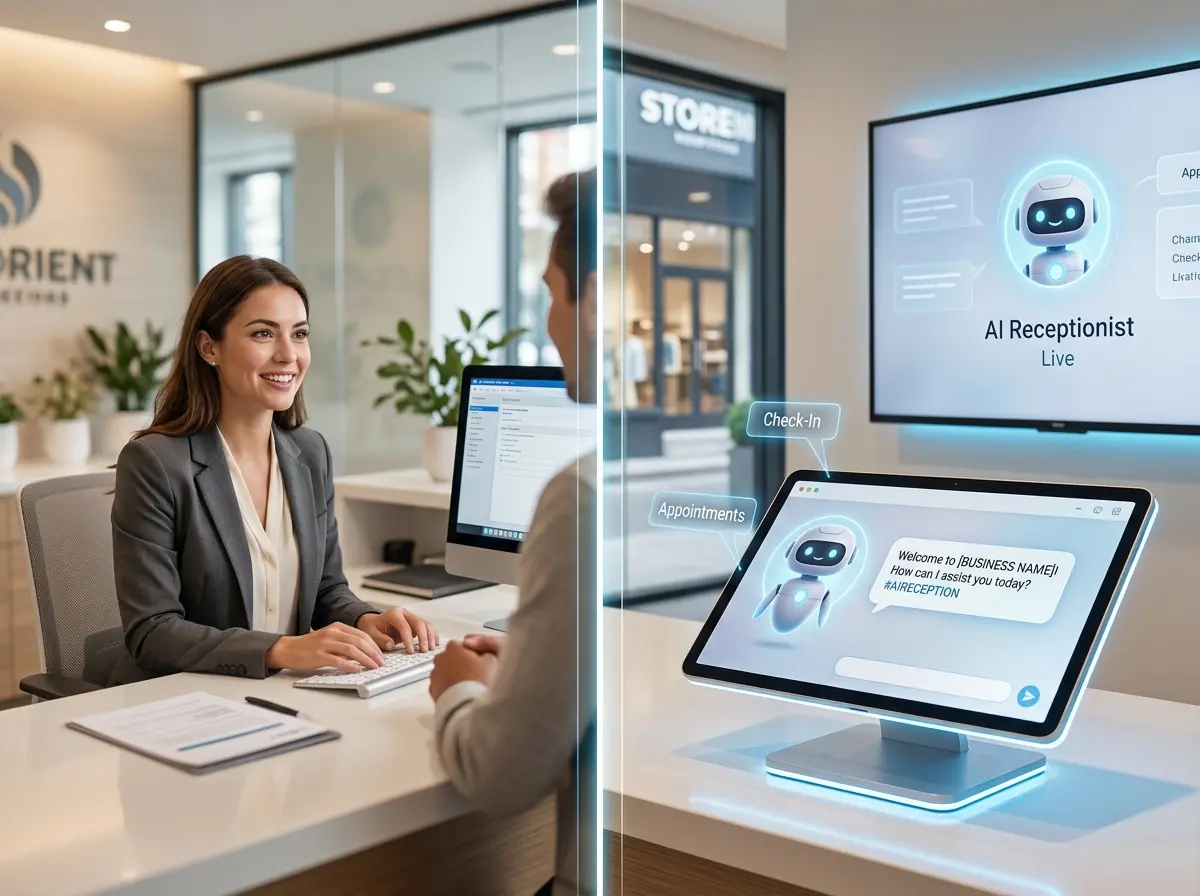
Here's where things get genuinely interesting. Stella is an AI robot employee and phone receptionist that can greet every customer who walks into your store, answer their questions about products, services, hours, and current promotions, and even upsell related items — all without pulling your human staff away from what they're doing. She stands as a friendly kiosk inside your store and engages customers proactively, making sure no one feels ignored during a busy Saturday rush.
Beyond the in-store experience, Stella also answers your phone calls 24/7 — which matters more than you might think. How many potential customers have called your store after hours, gotten no answer, and just... moved on? She handles those calls with the same knowledge she uses in person, collects customer information through conversational intake forms, and manages everything through a built-in CRM. At $99/month with no upfront hardware costs, it's one of the more surprisingly affordable ways to level up your customer experience.
Events and Programming That Create Real Community
If the in-store experience is the foundation, events are the superstructure. A well-run events program transforms your pet store from a place people visit into a place people belong. And belonging is extraordinarily powerful — it's what turns occasional shoppers into brand advocates who recruit their friends.
Host Events That Solve Real Problems
The best events aren't just fun — they're useful. Think about the questions your customers ask most often, and then build programming around those pain points. A "Puppy Basics" workshop for new dog owners. A seminar on raw feeding hosted by a local veterinarian. A "Senior Pet Care" night for owners of aging animals. A reptile handling session for curious kids (and their nervous parents). These events position your store as an educational resource, not just a retailer, and they give customers a reason to show up even when they don't need anything.
Partner with local vets, trainers, groomers, and animal rescues to co-host events. This expands your reach, adds credibility, and builds a web of local relationships that benefits everyone involved. A rescue organization holding an adoption event in your parking lot drives foot traffic you'd never generate on your own — and nothing makes a pet store feel like a community hub quite like a puppy adoption day.
Build a Loyalty Program Worth Bragging About
Not all loyalty programs are created equal. A punch card that takes six months to fill is not exciting. A points system that rewards purchases and engagement — attending an event, referring a friend, posting a photo with a branded hashtag — is a different animal entirely (pun very much intended).
Consider tiered memberships that offer real perks: early access to new products, a birthday treat for their pet, a monthly discount on grooming, or exclusive invitations to after-hours events. The goal is to make being a "member" feel like something worth talking about. When customers feel like insiders, they act like brand ambassadors — and word-of-mouth from a passionate pet owner is marketing money genuinely cannot buy.
Use Social Media as a Community Extension, Not Just a Broadcast Channel
Your social media presence should feel like an extension of the warm, welcoming environment you've built in-store. Share customer pet photos (with permission). Celebrate milestones. Highlight staff members and their own animals. Go live during events. Ask questions that invite genuine responses. The stores that build the strongest social followings aren't posting polished product photography — they're sharing the messy, joyful, heartwarming reality of life surrounded by animals every day.
Create a dedicated hashtag for your store and actively encourage customers to use it. Feature user-generated content regularly. Run monthly photo contests with small prizes. These tactics cost almost nothing and generate authentic content that resonates far more than anything produced in a studio.
Quick Reminder About Stella
Stella is an AI robot employee and phone receptionist built for businesses exactly like yours — she greets customers in-store, promotes your current deals, answers questions, and handles phone calls around the clock so you never miss a lead or leave a customer hanging. She's easy to set up, costs just $99/month, and doesn't call in sick on the day of your biggest adoption event.
Your Next Steps Toward Becoming the Go-To Pet Store in Town
Becoming a community destination doesn't happen overnight, but it also doesn't require a massive budget or a complete overhaul. It requires intentionality — a commitment to making every customer feel seen, every visit feel worthwhile, and every interaction feel like it came from a place that genuinely cares about pets and the people who love them.
Start here: walk through your store today as if you're a first-time customer. What's the first impression? Is someone greeted at the door? Are the animals healthy and engaging? Is there anything that invites a conversation or a second look? Fix the obvious gaps first, then layer in the events, the loyalty programs, and the technology.
Plan your first community event for next month. It doesn't have to be elaborate — a Saturday morning "meet the rescue" with a local shelter and a 10% discount for attendees is a perfectly good start. Build from there. Survey your customers. Listen to what they wish existed in their neighborhood. Then build it.
The pet owners in your community are looking for a store they can love. Give them one, and they'll bring their friends, their families, and their very photogenic animals — and they'll keep coming back for years.