When "Just a Room" Isn't Enough Anymore
Let's be honest — if your guests are checking out having spent exactly what they paid for their room and not a penny more, you've left money on the table. A very comfortable, well-decorated, beautifully reviewed table, but still. Left. On. The table.
Cross-selling in the hospitality industry isn't a new concept, but it is a wildly underutilized one. Most boutique hotels are so focused on delivering a great core experience — clean rooms, friendly staff, decent Wi-Fi (please, decent Wi-Fi) — that they forget guests are often eager to spend more. They just need to be asked the right way, at the right time, with the right offer.
One boutique hotel put this theory to the test and walked away with a 25% increase in average stay revenue — not by raising room rates, not by cutting costs, but by getting smarter about presenting what they already had to offer. Here's what they did, why it worked, and how you can apply the same playbook to your property.
The Cross-Selling Opportunity Hiding in Plain Sight
Understanding What Guests Actually Want (But Rarely Ask For)
The Harborview Inn, a 28-room boutique hotel on the New England coast, had a solid lineup of add-on services — a small spa, in-room dining, curated local experience packages, and a wine pairing program at their on-site restaurant. What they didn't have was a consistent way to tell guests about any of it.
Sound familiar? You've invested in creating these offerings, but the information lives on a folded card in the room that guests use as a coaster. Or it's buried on page four of a PDF nobody opens. Or it comes from whichever front desk staff member happens to remember to mention it — which, on a busy Friday evening, is approximately nobody.
Their first move was auditing the guest journey to identify every natural touchpoint where an add-on could be introduced. What they found was both encouraging and a little embarrassing: there were at least six moments per stay where a relevant upsell could happen, and they were consistently hitting maybe one of them.
Timing Is Everything: The Three Golden Windows
Not all cross-selling moments are created equal. Harborview identified three windows where guests were most receptive to add-on offers:
- Pre-arrival (48–72 hours before check-in): Guests are in planning mode. This is the ideal time to offer room upgrades, spa appointments, and experience packages. Harborview started sending personalized pre-arrival emails with two or three targeted offers based on booking type — couples packages for double occupancy, family activity bundles for larger rooms.
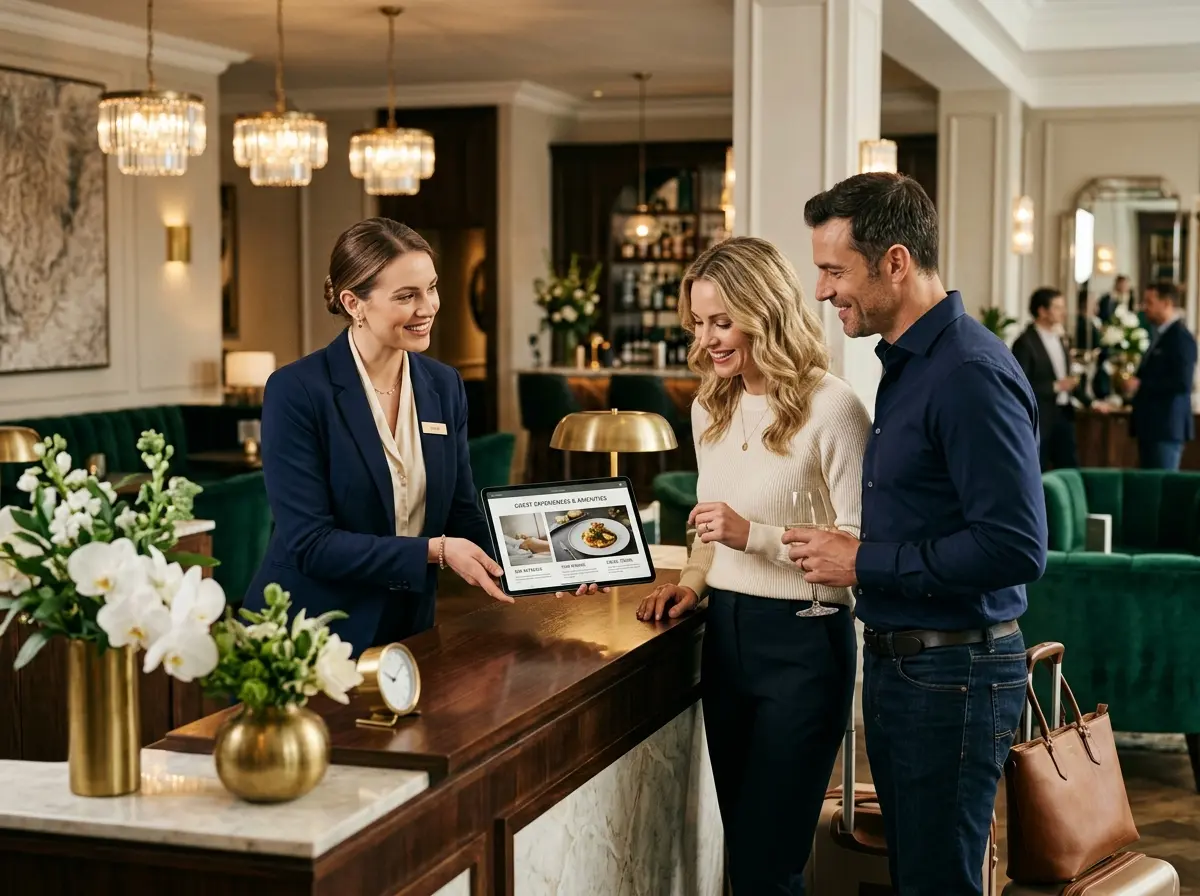
- Check-in: The moment of arrival is charged with anticipation. A warm, confident mention of the evening's wine tasting or next-morning's guided kayak tour lands very differently than a generic brochure rack.
- Mid-stay touchpoints: A friendly check-in call or message on day two asking how everything is going — with a casual mention of the spa availability for tomorrow — converts surprisingly well. Guests are settled, comfortable, and open.
By systematically working all three windows instead of just occasionally mentioning things at check-in, Harborview saw immediate improvement before they'd even changed what they were offering.
Bundling: The Art of Making "More" Feel Like "Smart"
One of the highest-impact changes Harborview made was shifting from à la carte upselling to curated bundles. Instead of saying "would you like to add a spa treatment for $85?" they offered a Romance Retreat Package — including a couples massage, in-room champagne, and late checkout — for $175. The individual items added up to $210 if purchased separately.
The psychology here is well-documented. According to Cornell's Center for Hospitality Research, bundled pricing reduces the perceived "pain" of each individual purchase and frames the value more favorably. Guests stop calculating cost and start seeing the experience. Harborview's bundle adoption rate hit 34% of eligible bookings within the first quarter of launching this approach — which, if you're keeping score at home, is what a 25% revenue lift looks like in practice.
How the Right Tools Make Cross-Selling Effortless
Putting Your Best Offer Forward, Every Single Time
Here's the dirty secret of hospitality cross-selling: it only works consistently when it doesn't depend entirely on humans remembering to do it. Staff have busy moments, off days, and a front desk that sometimes looks like an air traffic control tower at peak check-in time. That's not a criticism — it's just reality.
This is where technology earns its keep. Stella, an AI robot employee and phone receptionist, is built for exactly this kind of consistent, proactive engagement. In a hotel lobby setting, Stella stands as a friendly, always-on kiosk presence — greeting guests, sharing current promotions, and naturally weaving in information about available packages and add-ons. She doesn't forget to mention the spa. She doesn't skip the wine pairing because there's a line forming. She delivers the same warm, informed pitch every single time.
On the phone side, Stella handles incoming calls 24/7 — answering questions about availability, packages, and services with the same business knowledge she uses in person. Pre-arrival calls and inquiries don't go to voicemail or get rushed through by a distracted staff member; they get a knowledgeable, helpful conversation that naturally includes the right offers at the right moment. For properties managing guest intake, her built-in CRM and conversational intake forms mean every guest interaction is captured, tagged, and ready to inform your next cross-sell opportunity.
Implementing a Cross-Sell Strategy That Actually Sticks
Training Your Team to Sell Without Feeling Salesy
Even with great tools and timing, your staff are still your most powerful cross-selling asset — when they're confident. The biggest obstacle most hotel teams face isn't motivation; it's discomfort. Nobody wants to feel like they're pushing something on a guest who just wants to get to their room.
The reframe that works: cross-selling isn't selling. It's informing. When a front desk associate mentions that the spa has an opening tomorrow morning and guests who book during check-in get 15% off, they're not being pushy — they're being helpful. Train your team to think of every add-on mention as a concierge recommendation, not a sales pitch. Use specific, experiential language: "Our guests who do the sunset sail almost always say it's the highlight of their trip" hits differently than "we have a boat tour available."
Role-play matters here. Run short weekly sessions where staff practice the language around your top three add-ons until it feels natural. The goal is fluency, not a script.
Measuring What's Working and Doubling Down
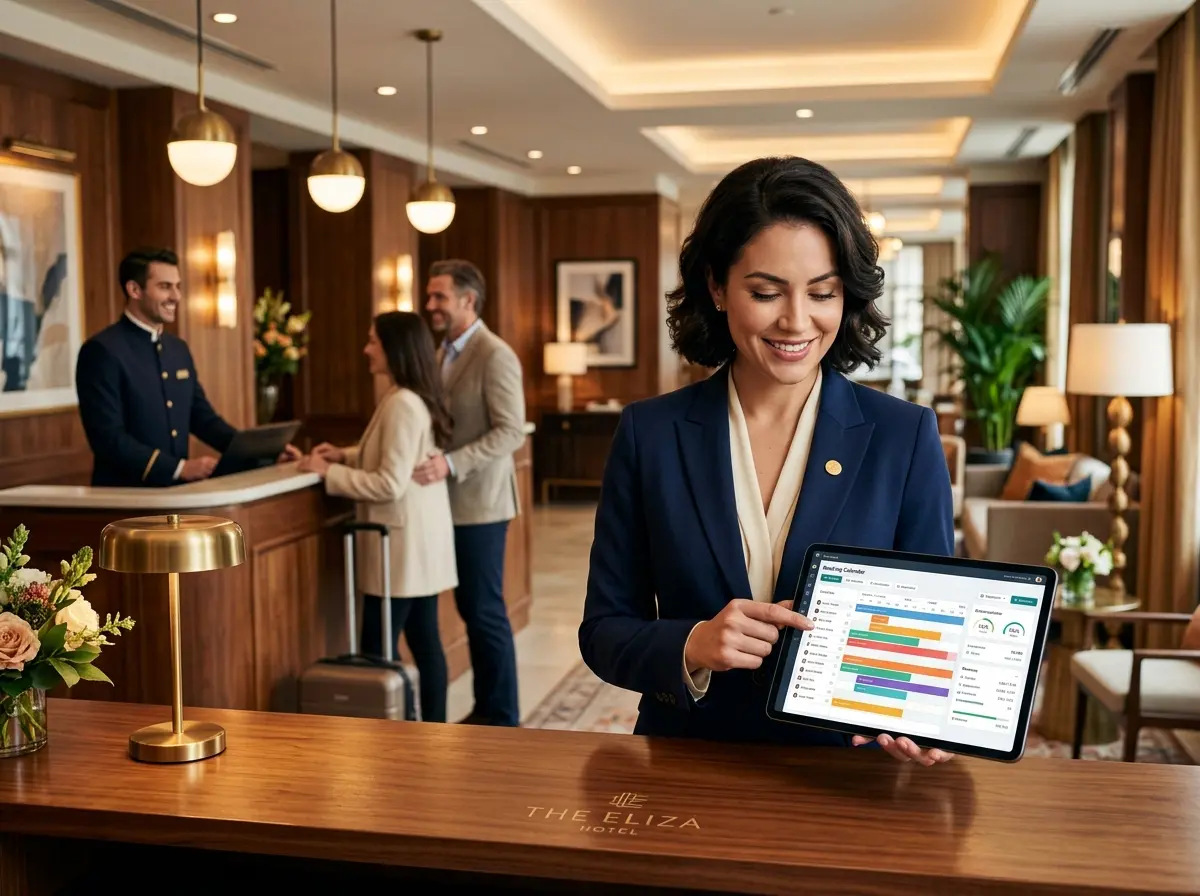
You can't optimize what you don't track. Harborview implemented a simple cross-sell dashboard that logged which offers were presented, which were accepted, and at which touchpoint. Within two months, patterns emerged fast: the spa bundle converted at nearly double the rate when mentioned during pre-arrival communication versus at check-in. The kayak package sold almost exclusively to guests who had already been at the property for one night.
These insights let them reallocate their team's energy toward the highest-converting moments and retire the offers that consistently underperformed. Start simple — a spreadsheet will do — and build toward something more automated as you learn. The data will tell you where to focus.
Keeping the Offer Fresh: Seasonality and Personalization
A cross-sell strategy that never changes is a strategy that slowly stops working. Guests who return — and in boutique hospitality, repeat guests are gold — will tune out offers they've already heard. Harborview refreshed their bundle offerings seasonally and created a simple guest profile system to flag returning visitors so staff could lead with something new.
Personalization doesn't need to be complicated. Even basic segmentation — couples vs. families, first-time visitors vs. returning guests, weekday business travelers vs. weekend leisure guests — allows you to tailor your default offer and dramatically improve relevance. A family of four doesn't want to hear about the couples massage (well, the parents might, but not the point). Speak to who's in front of you and the conversion rates follow.
Quick Reminder About Stella
Stella is an AI robot employee and phone receptionist that works in-store as a kiosk and answers calls around the clock — promoting offers, answering questions, and engaging customers without breaks or bad days. She runs on a straightforward $99/month subscription with no upfront hardware costs, making her one of the most practical tools a hospitality business can add to its front-of-house operation.
Your Next Steps Start at the Front Door
A 25% lift in average stay revenue is not the result of a single magic tactic. It's the compound effect of better timing, smarter bundling, consistent delivery, and thoughtful measurement — all working together. The good news is you don't have to overhaul everything at once.
Start here: identify your top three add-on offerings and write one sentence about each that focuses on the experience, not the price. Then map out your current guest journey and mark every point where those offers could naturally come up. You'll almost certainly find gaps — and those gaps are revenue waiting to happen.
From there, build your bundles, brief your team, set up even basic tracking, and introduce tools that remove the dependency on human memory for consistent delivery. Whether your property has 12 rooms or 120, the principles are the same: guests want a great experience, they're open to more of it, and it's your job to make sure they know what's available.
The room is already booked. Everything else is an opportunity.