When a Tooth Fairy Budget Meets Big Growth Goals
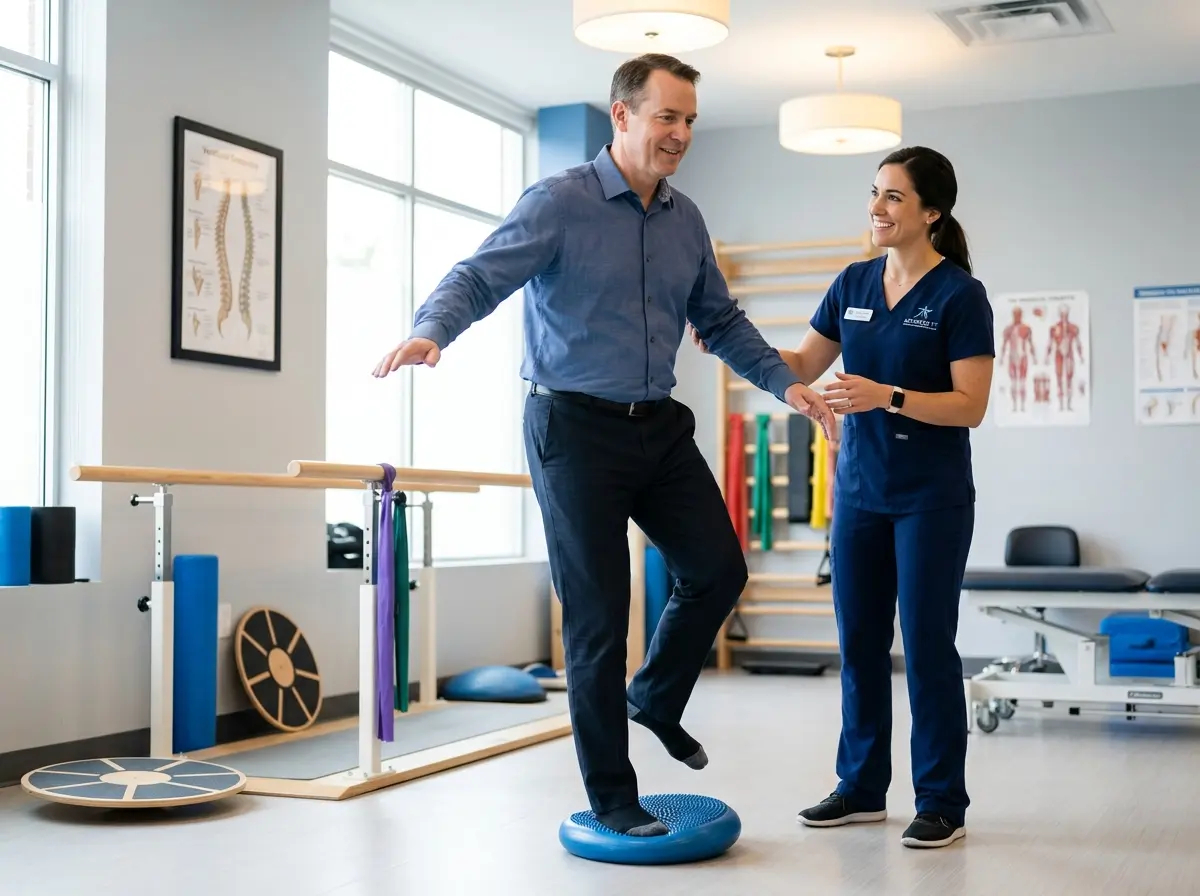
Let's be honest — when most people think "aggressive marketing strategy," pediatric dentistry isn't exactly the first industry that comes to mind. You picture tech startups burning venture capital, not a dental practice decorated with cartoon murals trying to convince six-year-olds that flossing is cool. And yet, here we are. Because Dr. Mia Torres, a pediatric dentist in suburban Phoenix, Arizona, quietly grew her practice by 30% in a single year — not with a viral social media campaign or an influencer partnership, but with a decidedly old-school tactic: the new mover mailer.
That's right. Paper. In envelopes. Sent through the mail. Revolutionary, we know.
But before you dismiss it as something your grandmother might suggest, hear this out. New mover marketing is one of the most underutilized, highest-ROI strategies available to local businesses — and when executed properly, it's practically a cheat code for growth. Whether you run a dental practice, a gym, a salon, or a restaurant, the principles behind Dr. Torres's success apply directly to you. Let's break down exactly what she did, why it worked, and how you can replicate it.
The New Mover Opportunity (And Why Most Businesses Sleep on It)
Why New Residents Are the Ultimate Warm Lead
New movers are, statistically speaking, the most valuable group of potential customers you'll ever encounter. Studies from the USPS and various direct mail research groups consistently show that new movers spend more in their first six months in a new area than established residents spend in two to three years combined. They're actively searching for a new dentist, a new dry cleaner, a new favorite pizza place — essentially, they have a blank slate of brand loyalty and a genuine need to fill it fast.
For a pediatric dental practice, this is especially powerful. Families with young children who relocate need to establish a new dental home quickly. They don't have years of loyalty to a competitor. They're Googling, asking neighbors, and — as Dr. Torres discovered — very receptive to a well-timed piece of mail that shows up right when they need it most.
What the Data Says About Direct Mail in the Digital Age
Yes, we live in the age of Instagram ads and email funnels. And yet, the Data & Marketing Association reports that direct mail achieves a response rate of 4.4% to 9%, compared to email's average of roughly 0.6%. When you narrow the audience down to new movers specifically — people who are already primed to make purchasing decisions — that response rate climbs even higher.
Dr. Torres sent mailers to families who had moved into ZIP codes within a 10-mile radius of her practice within the previous 30 days. Her list was sourced through a new mover data service that pulls from USPS change-of-address records. The targeting was tight, the timing was intentional, and the results were hard to argue with. She wasn't blasting everyone in Phoenix. She was whispering in the ear of exactly the right person at exactly the right moment.
How Dr. Torres Built Her Campaign (And What Made It Actually Work)
The Offer That Did the Heavy Lifting
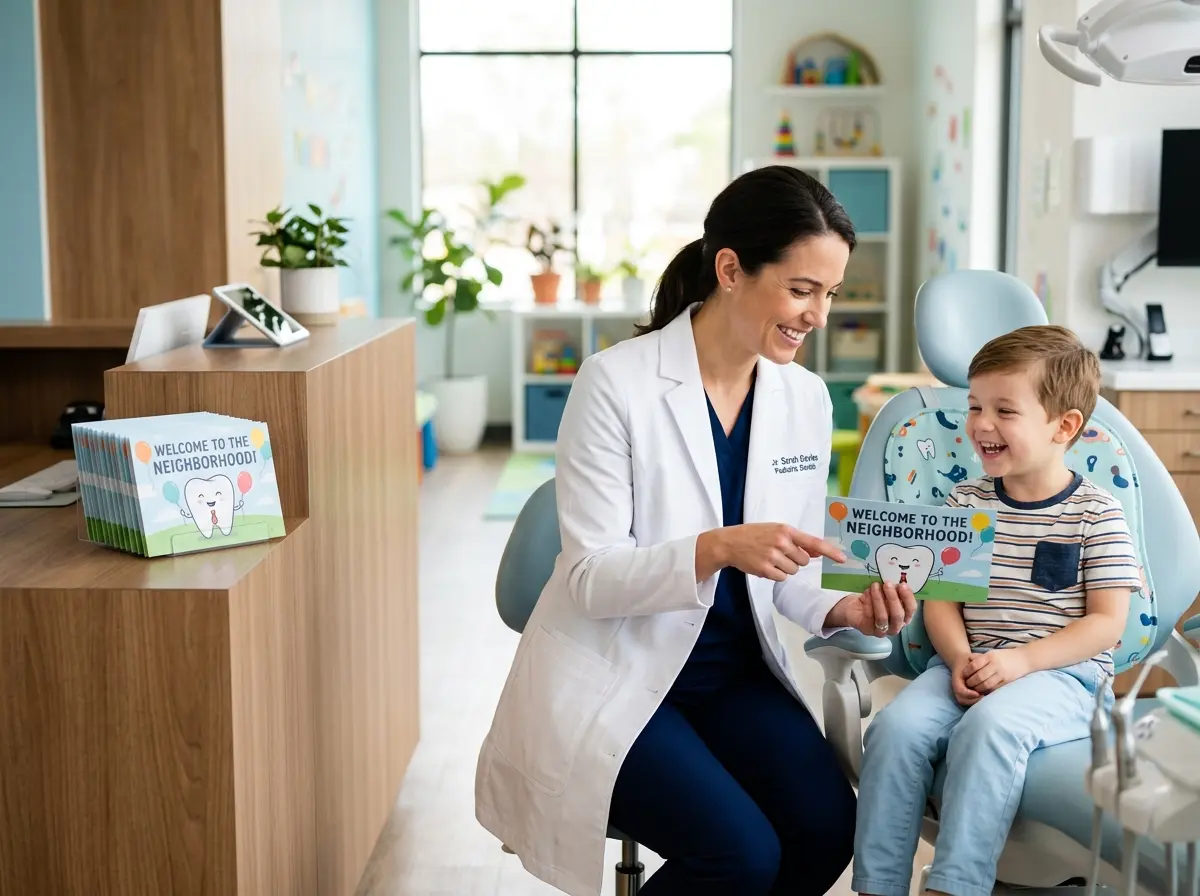
The mailer itself was warm, friendly, and visually consistent with her practice branding — think cheerful colors, a welcoming photo of her team, and a clear headline that said something to the effect of: "Welcome to the neighborhood! Your kids' smiles are in good hands." But what really drove conversions was the offer: a free new patient exam and X-rays for new movers, no insurance required. This removed every possible objection a new parent might have about trying an unfamiliar provider.
The mailer also included a simple QR code linking to a landing page where families could book directly, and a dedicated phone number so she could track exactly how many calls came from the campaign. That tracking piece is critical and often overlooked — if you don't know where your new patients are coming from, you can't replicate your wins or cut your losses.
Consistency Was the Secret Weapon
Here's where a lot of businesses stumble. They try direct mail once, get lukewarm results because their list was too broad or their offer was too vague, and declare the whole channel dead. Dr. Torres committed to a 12-month drip. Every month, she pulled a fresh list of new movers and sent them her mailer. Some families received it, called, and booked immediately. Others kept the magnet on their fridge (yes, she mailed a magnet version) and called three months later when their child finally needed a checkup.
The cumulative effect of showing up consistently — month after month, in a tangible, physical format — built a level of familiarity that digital ads rarely achieve. By month six, she was seeing referrals from new mover patients who had become loyal enough to recommend her to their new neighbors. The flywheel was spinning.
Turning Inquiries Into Appointments: Don't Drop the Ball at the Five-Yard Line
The Follow-Up Problem — and a Modern Solution
A brilliant mailer campaign means nothing if the phone rings and no one answers — or worse, if a harried front desk staffer puts a potential new patient on hold for four minutes and they hang up and call your competitor. This is where Stella, the AI robot employee and phone receptionist, becomes relevant to a conversation that started with paper mailers.
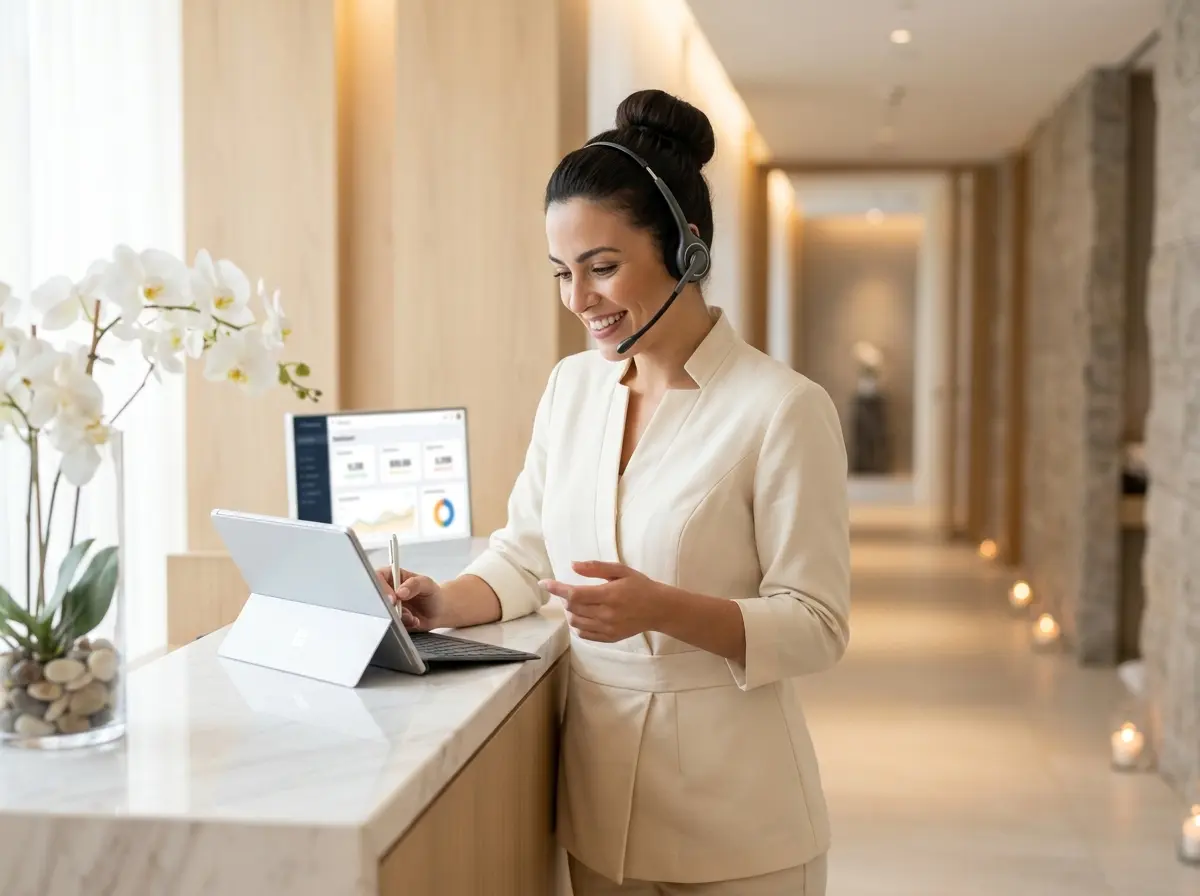
Stella answers every phone call, 24/7, with the same warm professionalism and complete knowledge of your practice's services, offers, and policies. For a pediatric dental office running a new mover campaign, this means that when a parent calls at 7:30 PM after finally getting the kids to bed, they don't hit voicemail — they have a helpful conversation, get their questions answered, and can be walked through booking an appointment. Stella can also collect patient intake information conversationally over the phone and store it directly in her built-in CRM, complete with AI-generated contact profiles and custom tags. For practices — or any business — juggling a busy front desk alongside an active marketing campaign, this kind of backup isn't a luxury. It's a competitive advantage.
Applying This Strategy to Your Business (Even If You're Not Drilling Teeth)
Industries Where New Mover Marketing Thrives
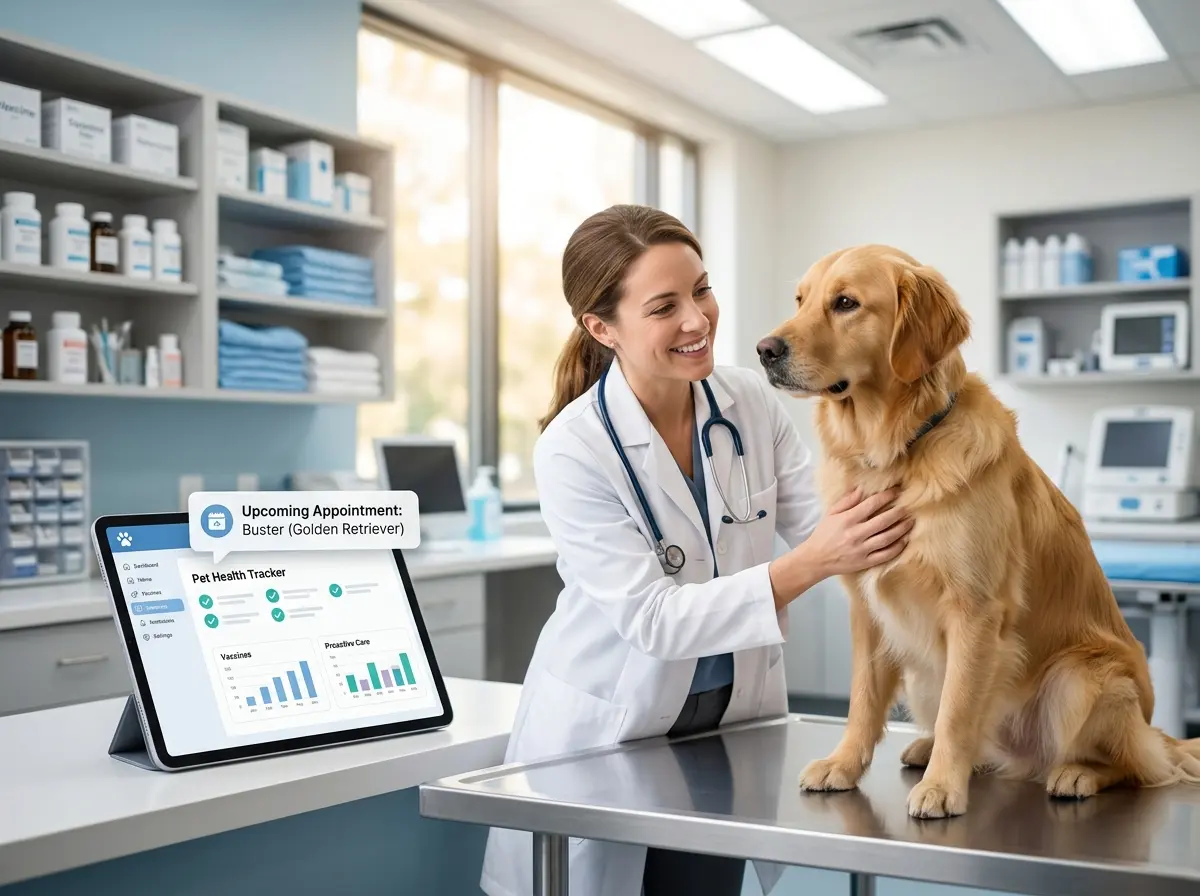
Pediatric dentistry is a particularly clean example because the audience is so well-defined — families with children in a geographic radius. But the new mover opportunity is just as potent for gyms, hair salons, restaurants, veterinary clinics, auto shops, tutoring centers, and boutique retail. Anyone who relocated to your area in the last 30 to 60 days is actively building their roster of local businesses. They need what you offer. They just don't know you exist yet.
The key is relevance and timing. A new mover mailer from a family restaurant with a "Welcome to the neighborhood — first dessert is on us" offer is charming and effective. The same mailer sent to someone who's lived in the neighborhood for a decade feels like junk mail. Targeting is everything.
Practical Steps to Launch Your Own Campaign
Getting started is more accessible than most business owners assume. Here's a simplified roadmap to follow:
- Source your list. Services like Porch, Vericast, or USPS's Every Door Direct Mail (EDDM) program provide access to new mover data. Many list providers allow you to filter by ZIP code, household income, presence of children, and other demographics.
- Craft an irresistible offer. A discount, a free first visit, a gift, or a bundle — make it specific, easy to redeem, and low-risk for the recipient. Vague offers ("Come see us!") underperform every time.
- Design for your brand, not for the mailer template. First impressions matter. If your mailer looks generic, it feels generic. Invest in good design that reflects your actual personality and professional quality.
- Track everything. Use a dedicated phone number, a unique promo code, or a custom landing page URL so you can directly attribute conversions to the campaign.
- Commit to a minimum of six months. Direct mail compounds over time. One send is an experiment. Six sends is a strategy.
What to Do With the Leads Once They Come In
This is the part of the playbook most guides forget to include. You've invested in a campaign, the phone is ringing and people are walking through your door — now what? The answer is to treat every new mover inquiry as a high-value relationship, not a transaction. Follow up within 24 hours if they filled out a form and didn't book. Send a welcome message after their first appointment. Check in after 60 days. New movers who become loyal customers in their first six months tend to stay loyal for years, and they refer people because they're actively helping their own new social circle build their lists of trusted local businesses too.
A Quick Reminder About Stella
Stella is an AI robot employee and phone receptionist designed for businesses exactly like yours. She greets customers in person at her kiosk, answers calls around the clock, promotes your current offers, and never calls in sick. At $99/month with no hardware costs and a setup that won't require an IT department, she's the kind of hire that pays for itself fast — especially when you're running a campaign designed to drive new inquiries.
Your 30% Growth Story Is Waiting to Be Written
Dr. Torres didn't stumble into a 30% growth year. She identified a specific, underserved audience — new families moving into her market — built a campaign designed to reach them at the right moment with the right message, executed it consistently for 12 months, and made sure her practice was ready to convert every inquiry into a relationship. Nothing about that strategy is complicated. All of it is repeatable.
Your action plan is simple. Start by researching new mover data providers for your area this week. Define the radius and demographic filters that make sense for your business. Draft a compelling welcome offer and get it designed properly. Set a monthly budget you can sustain for at least six months. Track every conversion. And make sure that when your campaign starts working — because it will — your phone is answered, your follow-up is fast, and your front-of-house experience is worth the effort you put into getting people through the door in the first place.
The new mover is out there right now, in a half-unpacked living room, Googling businesses in their new neighborhood. The only question is whether they're going to find you — or someone who got there first.