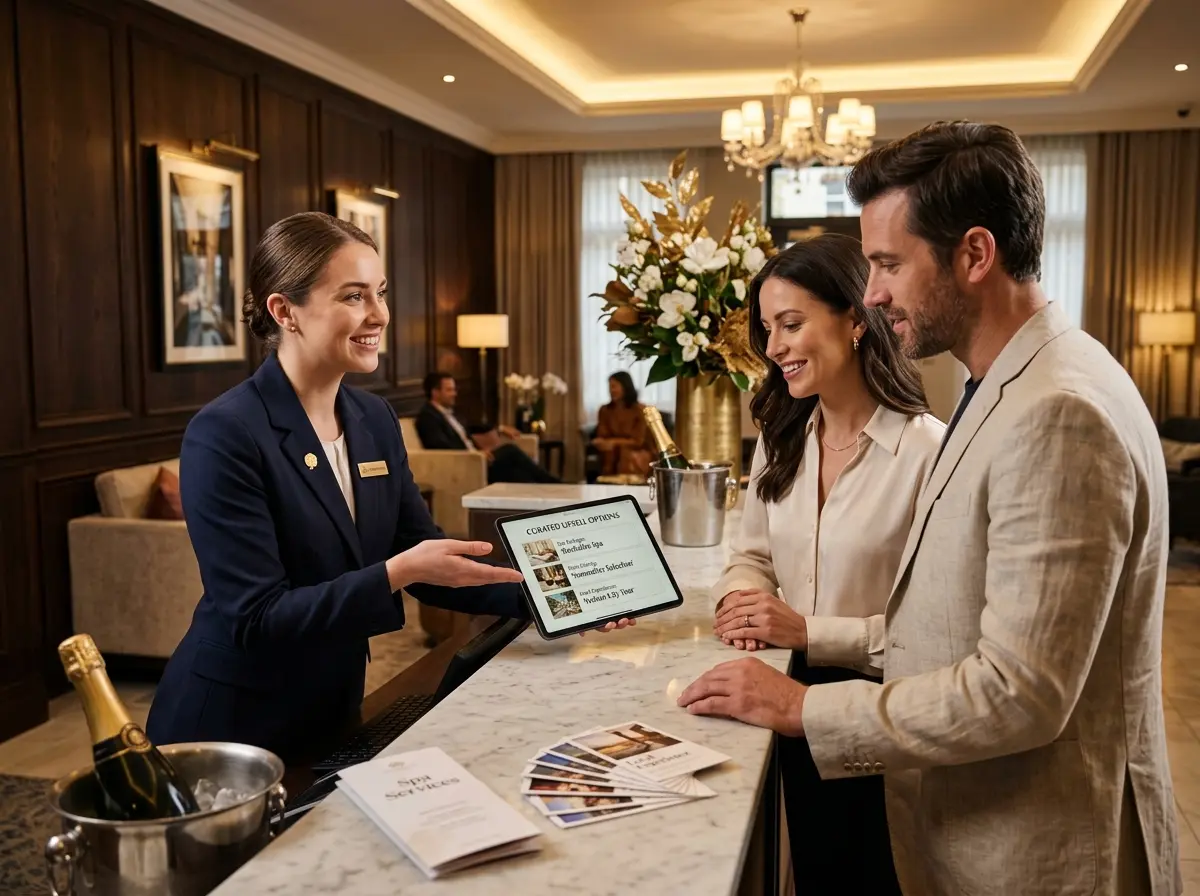
The Art of the Upsell: How One Boutique Hotel Turned a Room Booking Into a Full Experience
Let's be honest — most hotel guests don't walk through the door thinking, "I'd love to spend more money today." They booked a room, they want a bed, maybe a decent shower, and hopefully a continental breakfast that isn't just sad mini muffins. But here's the thing: those same guests are absolutely willing to spend more — on the right things, offered at the right time, in the right way. They just need someone to ask.
That's exactly what one boutique hotel discovered when they stopped leaving money on the table and started treating cross-selling as a hospitality strategy rather than a pushy sales tactic. The result? A 25% increase in average stay revenue — without adding a single new room, hiring a team of salespeople, or resorting to those awkward "Would you like to upgrade?" conversations that make everyone uncomfortable at check-in.
If you run a hotel — boutique, independent, or otherwise — this is the blueprint you didn't know you needed.
Understanding Cross-Selling in a Hotel Context
Before we dive into tactics, let's make sure we're speaking the same language. Cross-selling in hospitality isn't about convincing guests to buy things they don't want. It's about surfacing services, amenities, and experiences that genuinely enhance their stay — things they might not have even known you offered. Done right, it feels less like a sales pitch and more like a concierge doing their job exceptionally well.
The Difference Between Upselling and Cross-Selling
Upselling means getting a guest to trade up — a better room, a higher floor, a suite with a jacuzzi that they'll use once and photograph extensively. Cross-selling, on the other hand, means adding complementary services alongside their existing booking. Think: a couples massage for the guests in Room 12 who mentioned their anniversary at check-in, or a late checkout for the business traveler who has a 2pm flight and doesn't want to sit in the lobby for three hours.
Both strategies matter, but cross-selling tends to feel more natural and less transactional. You're not asking guests to spend more on the same thing — you're helping them discover more of what you already offer.
What the Numbers Actually Look Like
Research from the hospitality industry consistently shows that guests spend an average of 20–30% more when hotels actively promote ancillary services — spa treatments, dining packages, local experiences, room amenity bundles, and early check-in or late checkout options. Yet the majority of independent hotels still rely on static brochures, front-desk staff who are juggling seventeen other responsibilities, and a vague hope that guests will wander into the spa on their own.
The boutique hotel in our case study had a well-regarded spa, a charming in-house restaurant, and a curated list of local experience packages. Guests loved these things — once they found out about them. The problem wasn't the offerings. It was the communication.
The Strategy That Generated a 25% Revenue Lift
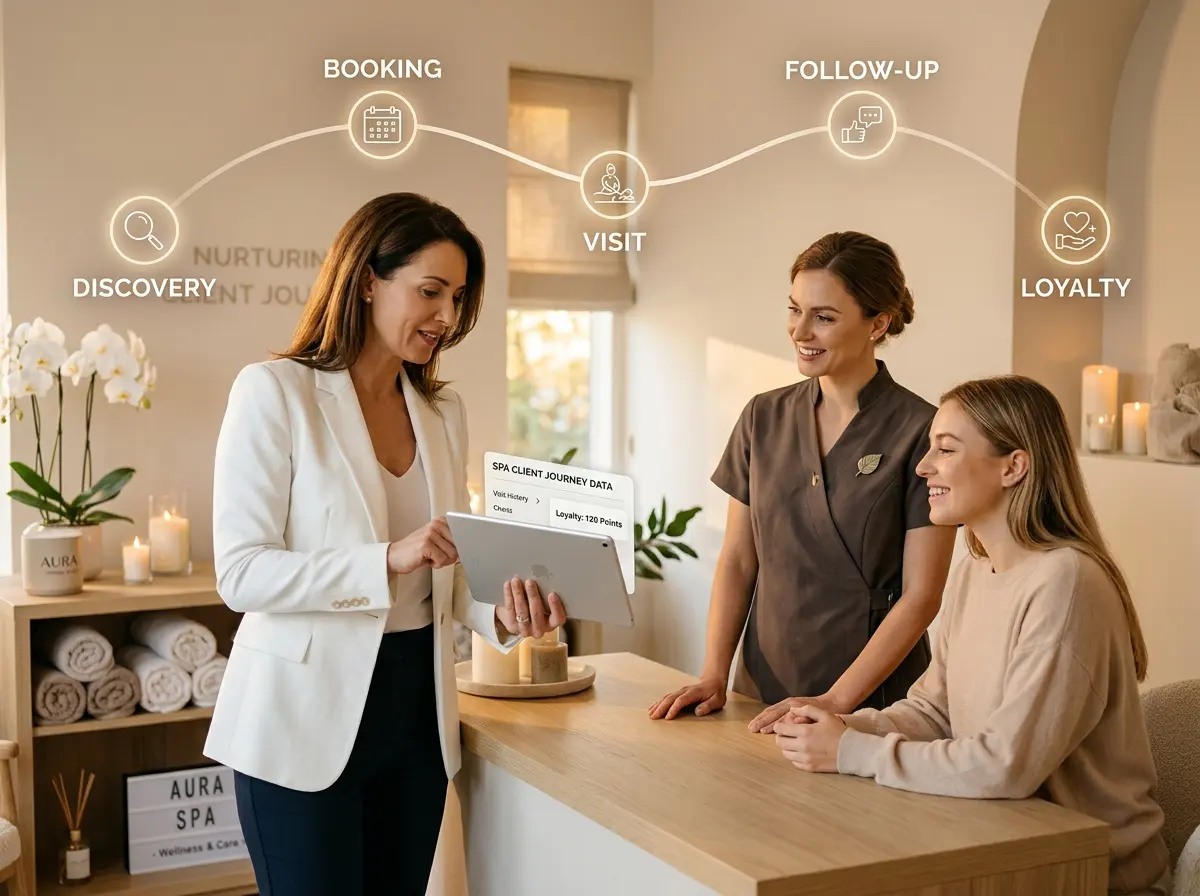
Step One: Mapping the Guest Journey for Cross-Sell Opportunities
The hotel's management team started by mapping every touchpoint in the guest journey — from the booking confirmation email to the moment guests walked through the front door to checkout. What they found was a surprisingly large number of missed opportunities: confirmation emails that mentioned the spa exactly once in small print, a check-in process so focused on efficiency that upsell conversations rarely happened, and a restaurant that guests only discovered on their second day (or not at all).
Once the gaps were identified, the team assigned intentional cross-sell prompts to each touchpoint. Pre-arrival emails began highlighting the spa and dining options with direct booking links. The check-in script was redesigned to include a brief, conversational mention of current packages. In-room materials were replaced with visually appealing cards that made the amenities feel like highlights rather than footnotes.
Step Two: Training Staff to Cross-Sell Naturally
Here's where a lot of hotel owners stumble. They invest in the strategy but forget that the people executing it need to feel comfortable doing so. Nobody wants to feel like a used car salesman — and front-desk staff, in particular, often resist sales conversations because they don't see themselves in a sales role.
The hotel solved this by reframing cross-selling entirely. Instead of "selling," staff were coached on asking good questions. "Is this your first time visiting the area?" opens the door to recommending a local experience package. "Are you celebrating anything special?" gives you permission to mention the in-room amenity bundles. It's not manipulation — it's attentiveness. Guests respond well to staff who seem genuinely interested in making their stay better.
How Technology Supports Smarter Cross-Selling
Even with the best staff and a solid strategy, there are gaps that humans simply can't fill. A front desk agent handling check-in for five guests at once isn't going to deliver a thoughtful cross-sell conversation. A phone ringing at 11pm isn't going to get answered by someone who knows about the spa's Sunday package. This is where intelligent automation earns its keep.
Always-On Promotion, Without the Awkward Pitch
Stella, the AI robot employee and phone receptionist, is purpose-built for exactly this kind of consistent, proactive engagement. For boutique hotels with a lobby or reception area, Stella greets guests as they arrive and naturally surfaces relevant services — spa availability, dining reservations, local experience packages — in a conversational, non-pushy way. She doesn't get distracted, doesn't forget to mention the Saturday brunch special, and doesn't have an awkward moment when a guest declines. She just keeps doing her job with the same warmth and professionalism every single time.
Stella also handles phone inquiries 24/7, which means a guest calling at midnight to ask about adding a spa treatment to their booking gets a real, helpful answer — not voicemail. She can even collect guest preferences through conversational intake forms, feeding information directly into her built-in CRM so your team has context before the guest even arrives.
Turning a One-Time Stay Into Repeat Revenue
The Power of Post-Stay Follow-Up
Cross-selling doesn't end at checkout. In fact, some of the most effective revenue-generating moves happen after a guest leaves. The boutique hotel in our case study implemented a structured post-stay communication sequence — a thank-you email within 24 hours, a follow-up at 30 days with a returning guest offer, and a seasonal promotion at 90 days. Guests who had added a spa treatment or dining package during their first stay were specifically targeted with related offers for their next visit.
The result was a measurable uptick in return bookings, and those returning guests spent significantly more on ancillary services than first-time visitors — because they already knew what was available and had a positive association with it.
Using Guest Data to Personalize Future Offers
Personalization is the difference between a cross-sell that feels relevant and one that feels like spam. When a guest who celebrated their anniversary at your property receives a "romantic getaway package" offer six months later, that's not creepy — that's good hospitality. The key is capturing the right information during the stay and using it intelligently afterward.
This means training staff (or technology) to note preferences, occasion information, and guest feedback in a structured way. Even simple data — "couple," "anniversary," "enjoyed spa," "preferred quiet room" — dramatically improves the relevance of future outreach. Guests notice when you remember them, and it builds the kind of loyalty that no discount can manufacture.
Bundling for Higher Perceived Value
One of the simplest and most effective cross-selling tactics is bundling. Instead of selling a spa treatment as a standalone add-on, package it with a bottle of wine and a late checkout for a "Sunday Unwind" experience. The individual components may not be compelling on their own, but together they create something that feels curated and worth the premium. Guests are also more likely to share bundled experiences on social media, which is a marketing benefit that doesn't show up on the revenue report but absolutely matters.
The boutique hotel created five themed bundles tied to guest segments — couples, solo travelers, business guests, weekend explorers, and celebration stays — and saw bundle attachment rates climb steadily over the first quarter of implementation.
A Quick Reminder About Stella
Stella is an AI robot employee and phone receptionist designed to help businesses like yours stay engaged with customers without burning out your staff. She greets guests in-person at your location, answers calls around the clock, promotes your services naturally, and captures guest information through conversational forms — all for just $99/month with no hardware costs. For a boutique hotel looking to cross-sell consistently without adding headcount, she's worth a conversation.
Putting It All Together: Your Next Steps
The 25% revenue increase this boutique hotel achieved didn't come from a single brilliant idea. It came from a series of deliberate, practical changes that collectively transformed how they communicated with guests. The good news is that none of these changes required a massive budget, a rebrand, or a management overhaul. They required intention.
Here's where to start:
- Audit your guest journey. Walk through every touchpoint from booking to checkout and identify where cross-sell opportunities exist but aren't being used.
- Redesign your communications. Pre-arrival emails, check-in conversations, in-room materials, and post-stay follow-ups should all include intentional, relevant service mentions.
- Train your team to ask questions, not make pitches. Curiosity and attentiveness are more effective — and more comfortable — than a scripted sales approach.
- Create compelling bundles tied to your most common guest segments and give them names that evoke the experience.
- Capture and use guest data to personalize future outreach and make returning guests feel remembered.
- Use technology to fill the gaps where human attention runs thin — especially after hours, during peak check-in times, and in the lobby when staff are occupied.
Cross-selling, done with care, isn't about extracting more money from your guests. It's about giving them more of what they came for — comfort, experience, and the feeling that someone thought about what they actually needed. When you frame it that way, the revenue increase starts to feel like a natural byproduct of simply doing hospitality well.
And really, isn't that the whole point?