Introduction: Because "Regular" Is So Last Season
Let's be honest — if your nail salon's idea of personalization is remembering that Karen "usually gets the pink one," you might be leaving a lot of loyalty (and revenue) on the table. Today's clients don't just want a good manicure. They want to feel like the entire experience was designed specifically for them, their preferences, their allergies, their love of glitter, and their strong opinions about nail shapes.
The good news? You don't need a team of mind-reading technicians or a suspiciously large chalkboard to pull this off. What you need is a smart system — and one surprisingly powerful tool called a client preference card. When used correctly, these little data goldmines can transform a one-time visitor into a lifelong regular who tells all her friends about your salon. And in the beauty industry, word of mouth is basically your marketing department.
In this post, we'll break down exactly how a forward-thinking nail salon used client preference cards to create hyper-personalized experiences, boost retention, and make every client feel like a VIP. Spoiler: it's not as complicated as it sounds, and yes, technology plays a starring role.
The Power of Client Preference Cards
What Are Client Preference Cards, Exactly?
Think of a client preference card as a polite way of asking, "So, tell me everything about yourself" — without it being weird. These are structured intake forms (digital or paper, though let's be real, paper is so 2009) that capture meaningful details about your clients before or during their visit. We're talking beyond the basics. Sure, you note their favorite polish color, but you also capture things like:
- Preferred nail shape and length
- Gel vs. regular polish preferences
- Skin sensitivities or allergies
- Preferred technician
- Beverage preferences (yes, this matters — more on that shortly)
- How they like to spend their appointment — chatting or in peaceful silence
- Upcoming occasions (weddings, vacations, events)
When you collect this data intentionally and actually use it, something magical happens: clients feel seen. And feeling seen is basically the holy grail of customer retention.
A Real-World Example: The Salon That Got It Right
Consider a mid-sized nail salon — let's call them Luxe Tips — that introduced digital preference cards after noticing a frustrating pattern: new clients rarely returned after their first visit. Sound familiar? After some digging, they realized their staff was delivering technically excellent services but completely generic experiences. Every client got the same greeting, the same upsell pitch, and the same parting "See you next time!" that meant absolutely nothing.
Luxe Tips rolled out a simple digital intake process — capturing preferences before the first appointment and updating the profile at each visit. Within six months, their client retention rate climbed from 38% to 61%. That's not a rounding error. That's the difference between a thriving business and one that's constantly burning marketing budget to replace churned clients. They also saw a measurable increase in average ticket size because technicians could make relevant upgrade suggestions — not random ones — based on what each client actually cared about.
The Psychology Behind Why This Works
Here's the slightly nerdy-but-totally-relevant part: personalization works because of something called the cocktail party effect. In a noisy room full of conversations, your brain will instantly tune in the moment someone says your name. The same principle applies in business. When a client walks in and her technician already knows she prefers oval-shaped nails, hates the smell of acetone, and has a bachelorette party coming up next weekend — she's not just impressed. She's hooked.
Research consistently backs this up. According to McKinsey, 71% of consumers expect personalized interactions, and 76% get frustrated when they don't receive them. In a service industry like nail care, where the experience is the product, personalization isn't a nice-to-have. It's a competitive necessity.
Collecting Preferences Without the Awkward Clipboard
Modern Intake Tools That Do the Heavy Lifting
The biggest barrier most salon owners face is the how — how do you collect this information without slowing down your front desk, scaring off new clients with a five-page questionnaire, or losing the data in a sticky note graveyard? This is where technology steps in, and where Stella — the AI robot employee and phone receptionist — fits naturally into a salon's workflow.
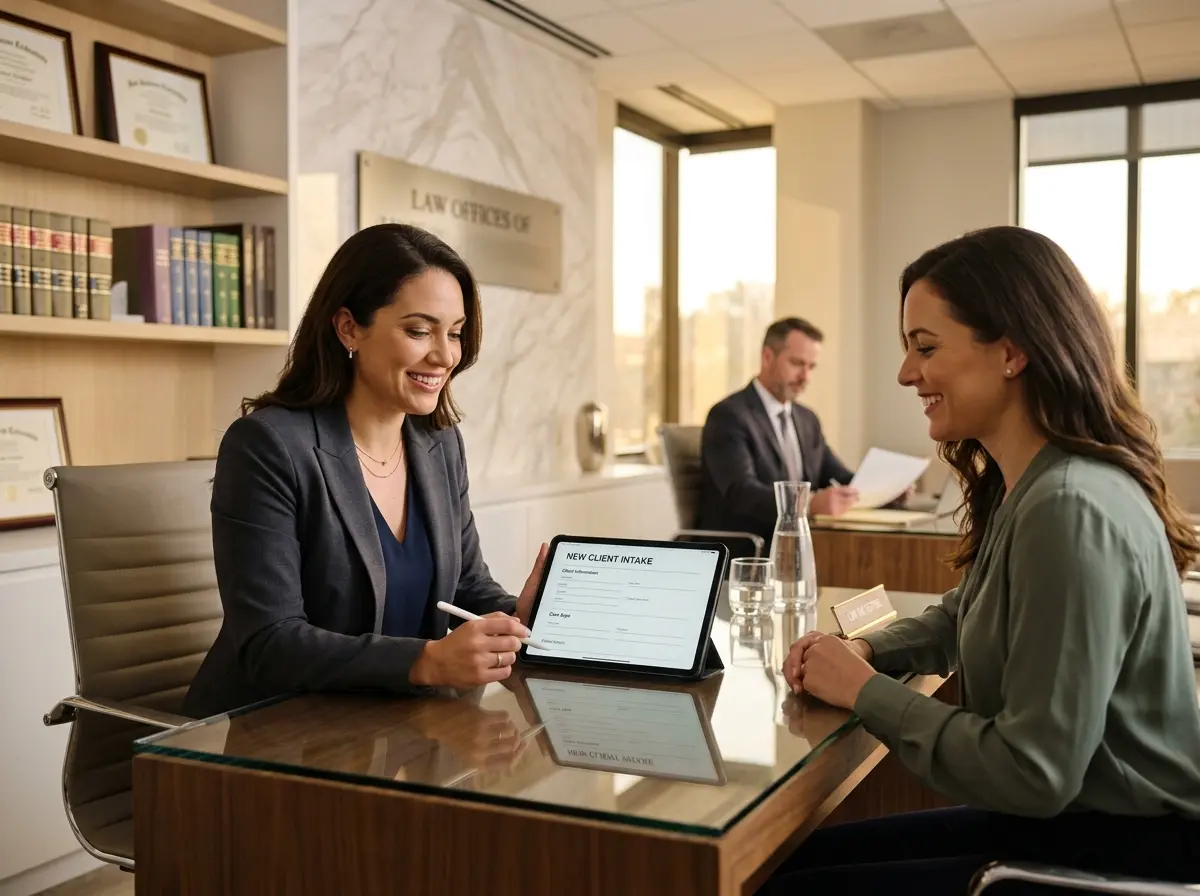
Stella can collect client information through conversational intake forms, whether that's during a phone call when a client books an appointment, at the in-store kiosk when they arrive, or even via a web-based form. Instead of a robotic checklist, it feels like a natural conversation — "Do you have any skin sensitivities we should know about?" flows a lot better than handing someone a clipboard and hoping for the best. All of that information feeds directly into Stella's built-in CRM, where client profiles are automatically generated and enriched over time with custom fields, tags, and notes. Your technicians can pull up a client's full preference history before the appointment even starts.
Turning Preference Data Into Memorable Moments
Small Touches That Create Outsized Loyalty
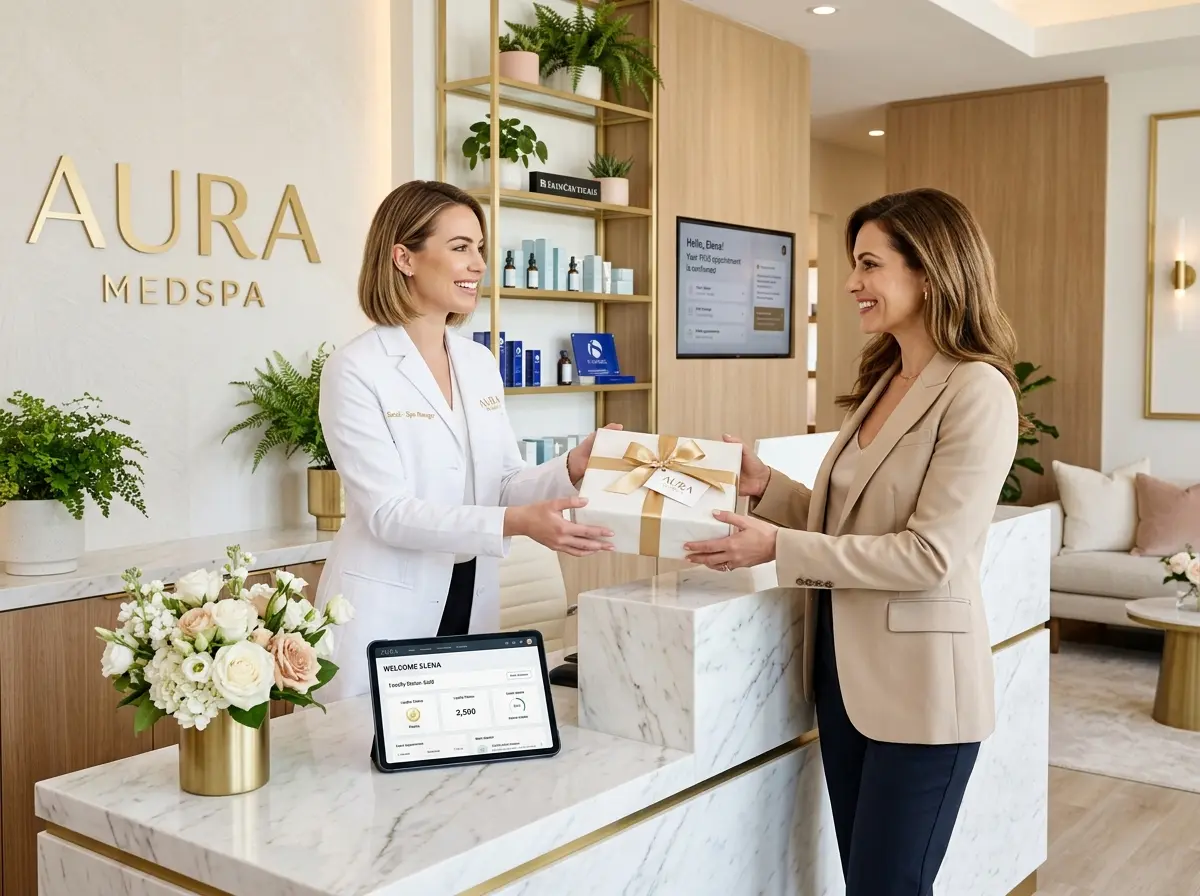
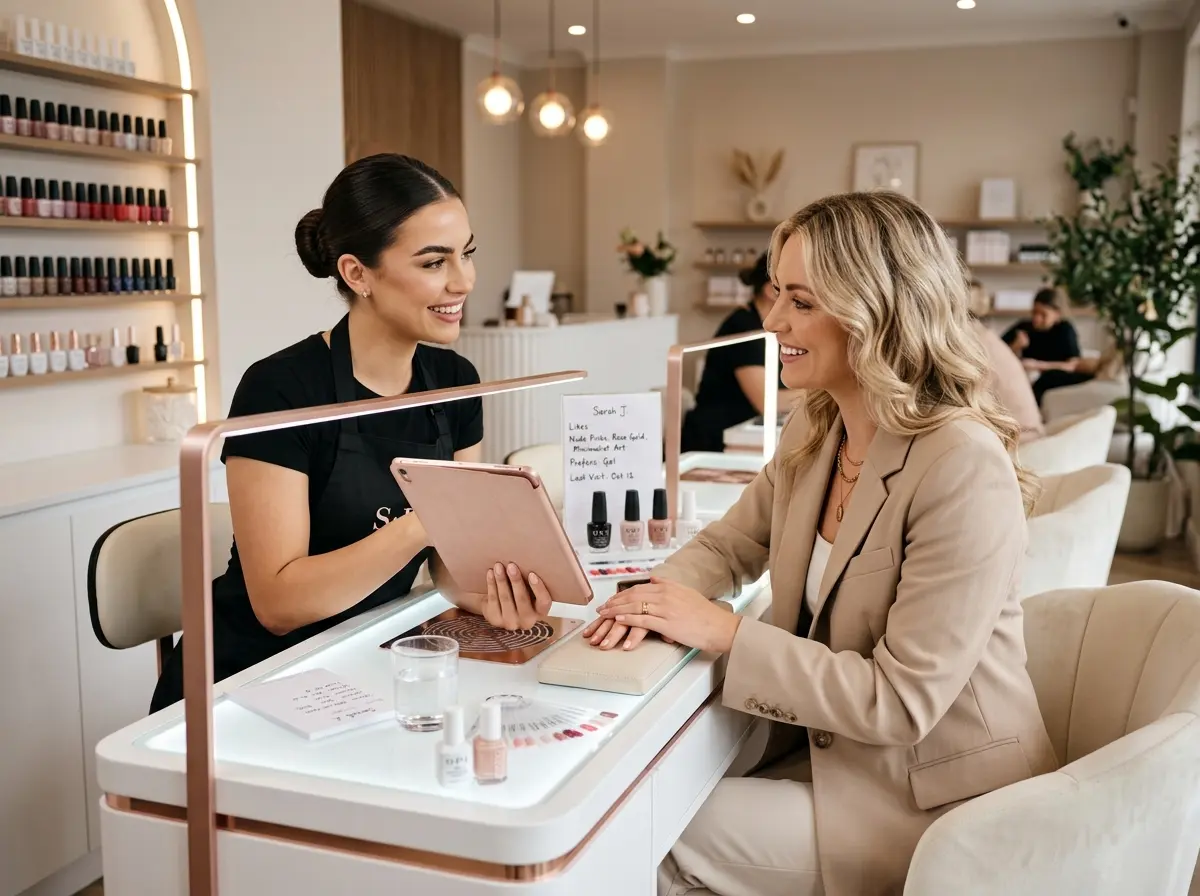
Collecting data is step one. The real magic happens when you actually deploy it. Luxe Tips trained their staff to review preference cards before each appointment — a 60-second habit that paid dividends. When a client who noted she loves herbal tea walked in and found her favorite brew waiting, she posted about it on Instagram before her nails were even dry. That's free marketing with a customer acquisition cost of approximately one tea bag.
But it goes beyond beverages. When you know a client has a wedding coming up, your technician can proactively suggest a nail art upgrade or a gel treatment that lasts longer through the event. When you know she prefers quiet appointments, no one's going to make awkward small talk about the weather for 45 minutes. These aren't big gestures — they're small, intentional ones. And they compound into something clients genuinely can't find at the discount salon down the street.
Building Preference Profiles Over Time
The first preference card is just the beginning. Every visit is an opportunity to enrich the profile. Did she try a new color today? Note it. Did she mention she's training for a marathon and needs shorter nails? Log it. Did she express that she loved the new lavender soak but wasn't wild about the cuticle oil? Record that too.
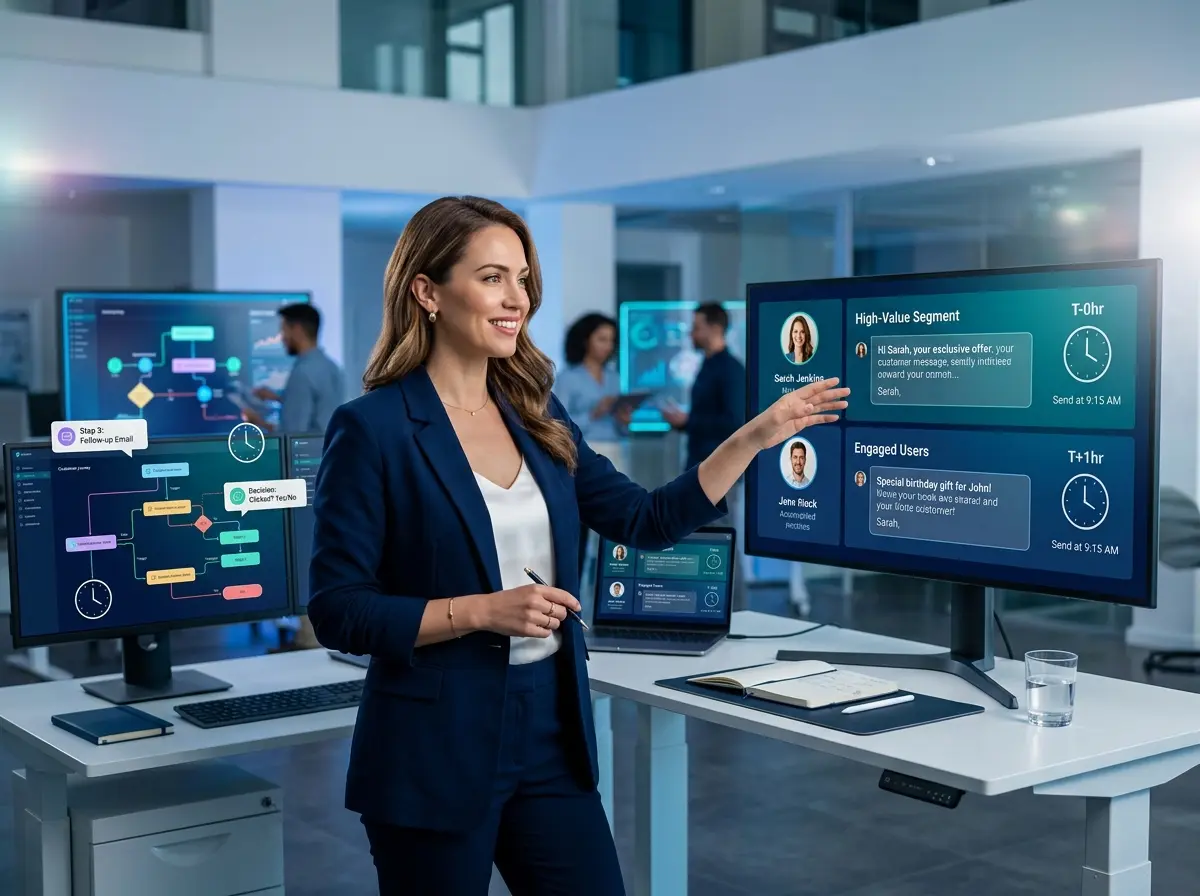
Over time, these profiles become remarkably detailed — and remarkably useful. You can use this data to send genuinely relevant communications. Instead of blasting your entire client list with a generic "Summer Special!" email, you send the client who loves bold colors a note about your new neon collection, and the client who always opts for neutral tones a heads-up about your new minimalist nail art menu. Segmented, preference-driven outreach consistently outperforms generic campaigns, often by a factor of two to three times in open and conversion rates.
Empowering Your Staff Without Overloading Them
One concern salon owners often raise is whether preference-based personalization creates more work for already-busy technicians. Done well, it actually does the opposite. When preferences are captured systematically and stored in a centralized CRM, staff don't have to rely on memory or paper notes. They simply review the profile, know exactly what the client expects, and can focus their energy on delivering a great service rather than trying to remember whether Jennifer prefers gel or regular — and mentally debating whether to ask again and risk seeming like they forgot (they did).
The system does the remembering. Your team does the delighting. That's a good division of labor.
Quick Reminder About Stella
Stella is an AI robot employee and phone receptionist built for businesses exactly like yours — available as an in-store kiosk that greets and engages clients in person, and as a 24/7 phone receptionist that handles calls, answers questions, and collects intake information even when your front desk is elbow-deep in a French manicure. At just $99/month with no upfront hardware costs, she's the employee who never calls in sick, never forgets a client preference, and never puts a caller on hold indefinitely while she "goes to check."
Conclusion: Your Next Steps Toward Hyper-Personalization
If you've made it this far, you already know that generic experiences are a slow leak in your retention bucket. The nail salons that win long-term aren't necessarily the ones with the fanciest decor or the lowest prices — they're the ones that make clients feel genuinely known and valued. Client preference cards are one of the most practical, scalable tools you have to make that happen.
Here's where to start:
- Design your preference card thoughtfully. Keep it concise but meaningful. Focus on preferences that your team can actually act on during the appointment.
- Go digital from day one. Paper cards get lost, are hard to search, and don't integrate with anything. Use a digital intake solution that feeds into a CRM.
- Train your team to use the data. A preference card that nobody reads is just a form. Make profile review part of your pre-appointment routine.
- Update profiles continuously. Treat every visit as a data enrichment opportunity, not just a transaction.
- Use the data proactively. Segment your outreach, personalize your upsells, and let clients know you remember them — because your system actually does.
Client loyalty isn't built in grand gestures. It's built in the quiet, consistent moments when a client realizes — without you ever saying it out loud — that you actually pay attention. That's worth far more than any discount, loyalty punch card, or cheerful generic email ever will be.
Start small, stay consistent, and let the data work for you. Your clients will notice. And more importantly, they'll come back.