So You Want a Waiting List? Let's Make It Work for You.
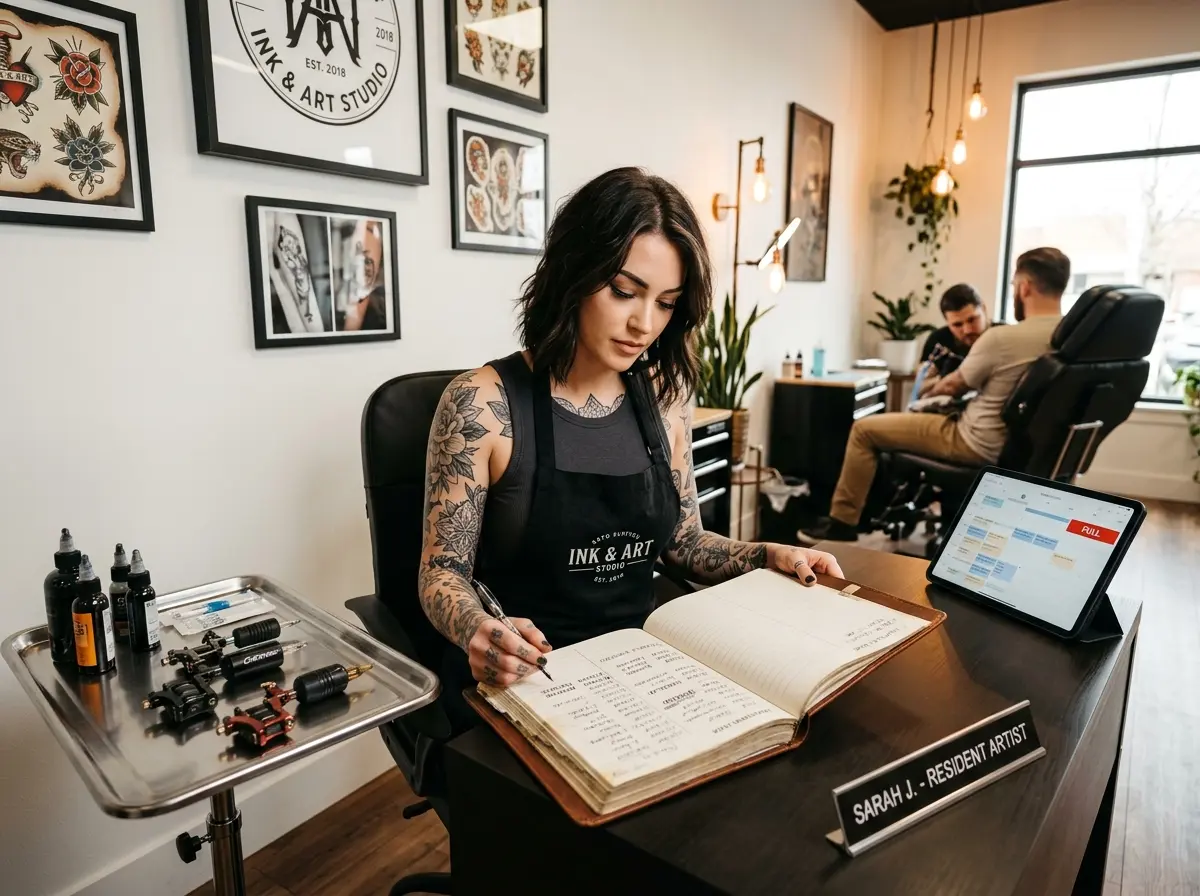
Here's a fun fact about tattoo artists: the best ones are almost never available immediately. And somehow, that unavailability makes people want them more. If you're a tattoo artist still answering every walk-in with "yeah, I can fit you in tomorrow," you might be leaving serious money — and prestige — on the table.
A well-managed waiting list isn't just a scheduling tool. It's a marketing engine. It signals demand. It filters out low-commitment clients. It gives you breathing room to do your best work instead of squeezing in flash pieces between panicked bookings. And when done right, it practically markets itself through word of mouth, social proof, and the very human psychology of wanting what you can't immediately have.
The tricky part? Building a waiting list that actually functions — one that doesn't become a chaotic spreadsheet graveyard or a source of ghosted consultations. This guide is here to help you get there.
Building the Foundation: What Makes a Waiting List Actually Work
Scarcity Is Only Valuable If It's Real (and Communicated)
There's a difference between being genuinely booked out and just seeming busy. Clients can usually tell the difference, and the ones worth keeping are savvy enough to know when an artist is manufacturing urgency. The goal isn't to fake scarcity — it's to create real demand through quality work, a strong portfolio, and consistent branding, and then communicate that demand clearly.
Start by being transparent on your website and social profiles: "Currently booking 8–10 weeks out." Update it regularly. When clients see that number shift from 6 weeks to 12 weeks over a few months, that's social proof you can't buy with ads.
Standardize Your Intake Process
One of the fastest ways to kill a waiting list's momentum is to run it like a group chat. Inconsistent intake — sometimes a DM, sometimes an email, sometimes a verbal conversation at the front desk — leads to lost information, forgotten follow-ups, and frustrated clients.
Create a standardized intake form for anyone who wants to get on your list. Ask for the essentials: placement, size, style preference, reference images, skin tone considerations, timeline flexibility, and budget range. This does two things simultaneously. First, it filters out clients who aren't serious enough to fill out a form. Second, it gives you the information you need to batch similar projects together and work more efficiently.
According to a study by Jobber, service businesses that use structured intake processes reduce no-show rates by up to 30%. That's not a small number when each appointment slot is worth hundreds of dollars.
Set Clear Expectations from Day One
The waiting list starts working as a marketing tool the moment someone joins it — but only if they have a great experience while waiting. Send a confirmation message that outlines your process, estimated timeline, deposit requirements, and what communication they can expect from you. Make it professional. Make it warm. Make it feel like they've joined something worth waiting for, not like they've been put on hold.
Clients who feel informed and respected become your most enthusiastic promoters. They'll tell people, "I'm on her list — she books out months in advance, but it's totally worth the wait." That sentence, repeated across enough conversations, is better than any Instagram ad you'll ever run.
Tools That Take the Admin Off Your Plate
Stop Answering the Same Five Questions All Day
Let's be honest: a significant portion of your day is probably eaten up by inquiries that all ask some version of the same things. "Are you taking new clients?" "How do I get on your waiting list?" "What's your deposit policy?" "Do you do walk-ins?" These are legitimate questions — but they don't need to come through you personally every single time.
This is where Stella, the AI robot employee and phone receptionist, becomes genuinely useful for tattoo studios. Stella can stand inside your studio and greet walk-ins proactively, answering common questions about your booking process, deposit requirements, and current availability — so your front desk staff (or you, if you're running a one-person shop) can stay focused on clients who are already in the chair. She also answers phone calls around the clock, which means the 11 PM "how do I get on your list?" inquiry doesn't go to voicemail and disappear forever. Stella handles the initial conversation, collects intake information through her built-in conversational forms, and logs everything into her integrated CRM so you wake up to organized leads instead of a missed call log. It's the kind of consistent, professional first impression that makes your waiting list feel like a real system — because it is one.
Turning Your Wait List Into Word-of-Mouth Fuel
Create Milestones That Give Clients Something to Share
The period between joining your waiting list and sitting in your chair is an opportunity most artists completely ignore. Don't. Build in touchpoints that keep clients engaged and give them reasons to talk about you.
Send a "you're officially on the list" message with a behind-the-scenes look at your process or a portfolio highlight from recent work in their requested style. When they move up the list, send an update. When you're ready to schedule their consultation, make it feel like an event. These small moments of delight get screenshotted, shared, and talked about. In a world where most service businesses communicate via a single automated text, genuine engagement stands out dramatically.
Encourage and Reward Referrals from Waiting Clients
Your waiting list clients are often your most motivated advocates. They've already committed to working with you — they just haven't had their appointment yet. That's a perfect moment to ask for referrals.
Consider a simple policy: clients who refer someone who successfully books and deposits move up in the queue by two weeks. This does several things at once. It rewards loyalty, it incentivizes referrals without requiring cash discounts, and it accelerates bookings organically. You're essentially building a referral engine inside the very mechanism that benefits from more bookings. Not bad for a policy you can implement today.
Document the Journey and Let Clients Do It for You
User-generated content is the tattoo industry's secret weapon. Clients want to share their tattoo experience — from the initial design approval all the way through the healed result. Make it easy and encourage it at every stage.
Share their posts. Tag them back. When someone posts a "finally got off the waiting list!" caption with your work, that's free advertising with authentic social proof attached. According to Nielsen, 92% of consumers trust recommendations from people they know over any other form of advertising. Every client who documents their experience with you is creating that kind of trust for a new potential customer scrolling their feed at midnight, wondering if you're worth the wait. (Spoiler: you are.)
Quick Reminder About Stella
Stella is an AI robot employee and phone receptionist built for businesses like yours. She greets clients in-studio, answers calls 24/7, collects intake information, and manages contacts — all for $99/month with no upfront hardware costs. If you're tired of inquiries falling through the cracks while you're busy actually tattooing people, she's worth a look.
Your Waiting List Is Ready to Work — Are You?
Building a waiting list that markets itself isn't about being exclusive for the sake of ego. It's about creating a system where demand exceeds supply, where clients feel valued during the wait, and where every touchpoint reinforces why you were worth booking in the first place.
Here's where to start this week:
- Audit your current intake process. Is it consistent? Is it professional? If someone emailed you right now asking to get on your list, what would they experience?
- Build or refine your intake form. Standardize the questions, make it easy to complete, and make sure responses go somewhere organized — not just an inbox you'll search through later.
- Update your public-facing availability messaging. Your website, Instagram bio, and Google Business profile should all reflect your current booking window.
- Create at least two client touchpoints during the wait. A confirmation message and a "you're coming up soon" check-in is the bare minimum. Add one more moment of delight if you can.
- Ask your most recent clients for a referral. Make it casual, make it easy, and give them a reason to say yes.
The artists with the longest waiting lists didn't get there by accident. They got there by treating the waiting experience as seriously as the tattooing itself. Start doing that, and your list won't just fill itself — it'll grow on its own.