When Your Patients Leave Happy, They Should Be Telling Everyone About It
Let's be honest — most physical therapy clinics rely heavily on physician referrals and hope that word-of-mouth does the rest. And while that strategy isn't wrong, it does leave a lot of business sitting on the table. What if you could systematically turn satisfied patients into enthusiastic advocates who send their friends, family, and coworkers straight to your door?
That's exactly what one forward-thinking physical therapy clinic discovered when they launched a simple, consistent patient newsletter. The results weren't just encouraging — they were genuinely business-changing. Referrals increased, reactivations climbed, and their patient community actually started feeling like, well, a community. No magic wand required. Just smart communication, a little consistency, and a willingness to show up in patients' inboxes with something worth reading.
If you run a physical therapy clinic and you're not nurturing your past and current patients with a newsletter, you're essentially doing all the hard work of getting them better and then waving goodbye forever. Let's fix that.
The Newsletter Strategy That Actually Worked
Starting With the Right Audience Mindset
The clinic in question — a mid-sized outpatient physical therapy practice with three therapists and a steady but plateauing patient load — made a critical mindset shift before they even wrote a single email. They stopped thinking of their newsletter as a marketing tool and started thinking of it as a patient care extension. This subtle reframe changed everything about what they wrote, how often they sent it, and how patients responded to it.
Rather than sending promotional blasts like "Book Now — Limited Appointments Available!" (which most people delete without reading), they focused on genuinely useful content: injury prevention tips, post-discharge home exercise reminders, seasonal wellness advice, and the occasional patient success story with permission, of course. The goal was to be the clinic patients thought of first when someone in their life said, "My shoulder has been killing me."
The Content Formula They Used
Their newsletter followed a simple monthly structure that kept production manageable without sacrificing quality. Each issue included a short educational article on a common condition or movement tip, a featured team member spotlight to keep the human connection alive, and a brief "refer a friend" reminder that never felt pushy because it was surrounded by genuinely helpful content. They also included a seasonal call-to-action — think fall sports injury prevention in September or posture tips for holiday travelers in November.
According to Campaign Monitor, healthcare emails have an average open rate of around 21%, but this clinic consistently hit 35–40% because their content was actually relevant to the lives of their readers. That's not a fluke — that's the result of respecting your audience's inbox.
Turning Readers Into Referral Sources
Here's where things got interesting. About three months into sending the newsletter, the clinic noticed something unexpected: patients who had been discharged six to twelve months earlier were calling to either schedule a tune-up appointment or refer a family member. When staff asked how they heard about the clinic again, the answer was almost always, "Oh, I got your newsletter and it reminded me to call."
They formalized this with a simple referral incentive — a $20 credit toward a future visit for any patient who referred someone who completed an initial evaluation. They mentioned it once per newsletter, briefly and without drama. Within six months, referrals from existing and past patients increased by 34%. That's not from buying ads. That's from staying in touch with people who already trusted them.
Keeping Your Patient List Organized and Your Front Desk Sane
How Stella Can Help Physical Therapy Clinics Run Smoother
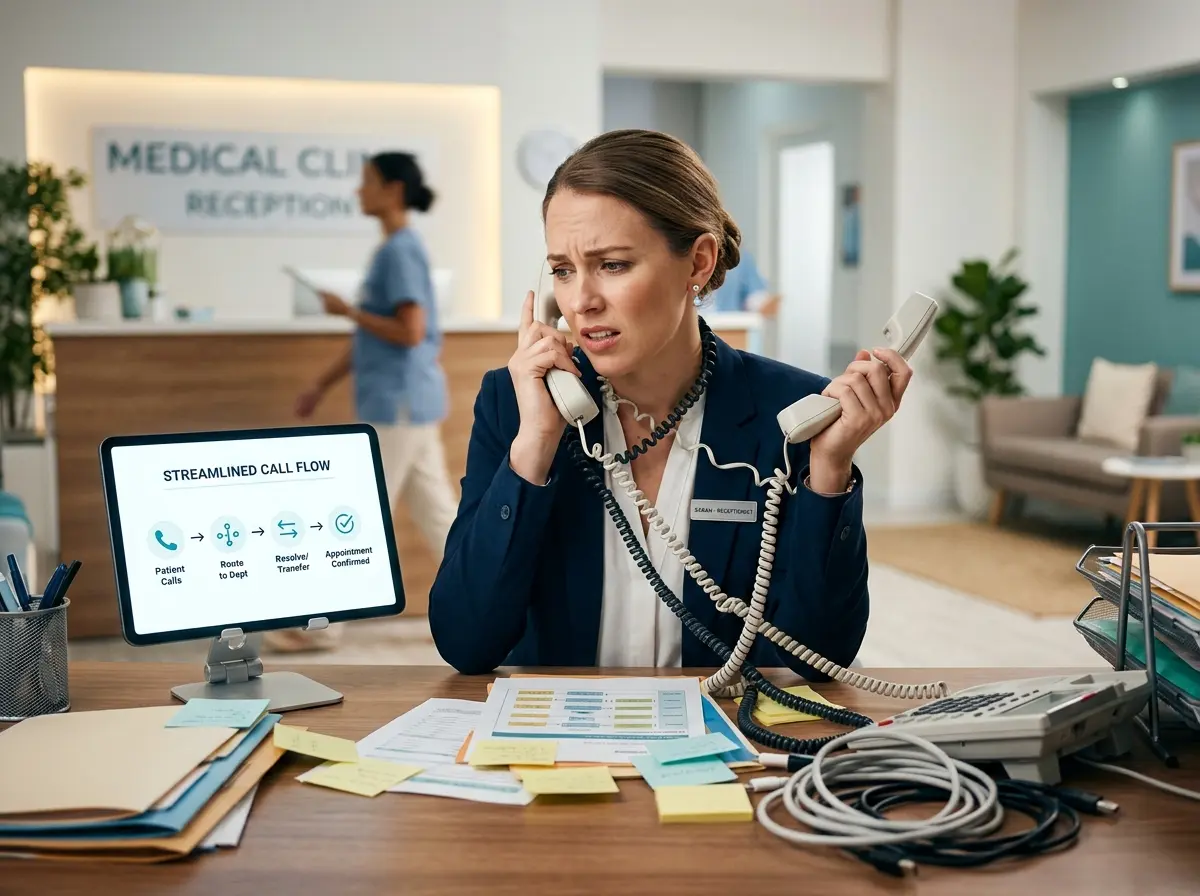
A newsletter strategy only works if your patient contact data is clean, current, and actually accessible. That's where a lot of clinics stumble — they have great intentions but a chaotic mix of spreadsheets, outdated intake forms, and a front desk team that's too busy answering the same five questions on repeat to do any meaningful outreach. Stella, the AI robot employee and phone receptionist, is built to help with exactly this kind of operational chaos.
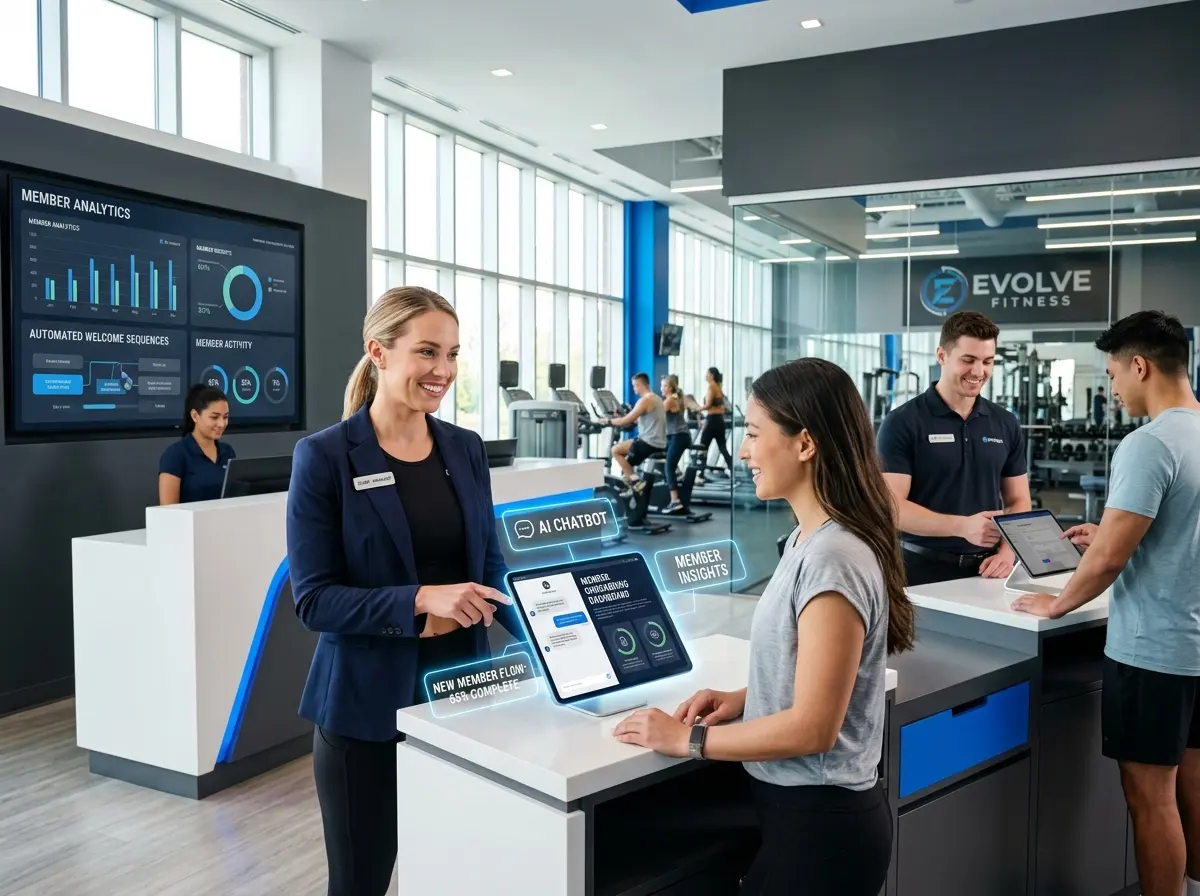
Stella can greet patients as they walk into the clinic, answer common questions about services, hours, and insurance policies, and collect patient information through conversational intake forms — all without pulling your staff away from patient care. Her built-in CRM stores contact details, tags, custom fields, and AI-generated patient profiles so your newsletter list stays organized and up to date automatically. On the phone side, she answers calls 24/7, handles intake for new patients, and forwards calls to human staff when appropriate, meaning fewer missed calls and fewer missed opportunities to add someone to your communication list.
Building a Newsletter Your Patients Will Actually Read
Choose a Platform and Keep It Consistent
The clinic used Mailchimp, but the platform matters far less than the consistency. Whether you choose Mailchimp, Constant Contact, Klaviyo, or even a basic tool like MailerLite, pick one and commit to a monthly send schedule. Irregular newsletters train your audience to ignore you. A predictable rhythm — say, the second Tuesday of every month — trains them to expect you. Expectation builds habit, and habit builds community.
Set up a simple email capture at your front desk, on your website, and ideally during the intake process. Ask patients directly: "Would you like to receive our monthly wellness newsletter with tips and updates?" Most people say yes, especially when they're in a clinical context where health information feels immediately relevant to their lives.
Write Like a Human, Not a Healthcare Institution
This one is critical and wildly underappreciated. The fastest way to get your newsletter ignored is to write it like a legal document. Use a conversational tone. Use contractions. Share a brief personal note from the clinic director. Make a small joke about how nobody stretches their hip flexors enough — because they don't, and everyone knows it.
Patients chose your clinic, at least in part, because they liked the people there. Your newsletter should sound like those people. If your emails could have been written by any generic healthcare organization in the country, they probably aren't doing much to differentiate you or build loyalty. Inject personality. It doesn't take long, and it makes an enormous difference in open and click rates.
Track What's Working and Adjust
The clinic reviewed their email analytics quarterly and made small adjustments based on what they found. Articles about back pain and running injuries consistently outperformed general wellness content, so they leaned harder into those topics. Their referral reminder got more clicks when it appeared at the top of the email rather than buried at the bottom. These aren't revolutionary discoveries — they're just the result of paying attention.
Most email platforms provide open rates, click rates, and unsubscribe data for free. Use them. If a particular type of content drives engagement, do more of it. If something consistently gets ignored, retire it without guilt. Your newsletter should evolve based on what your actual patients find valuable, not what you think they should care about.
Quick Reminder About Stella
Stella is an AI robot employee and phone receptionist designed to work inside your clinic and on your phone lines — simultaneously, without breaks, and for just $99 a month. She greets walk-ins, answers patient questions, manages call intake, keeps your CRM updated, and makes sure no new patient inquiry ever slips through the cracks while your team is busy doing the actual therapy work. Think of her as the front desk staff member who never calls in sick and never needs a coffee break.
Your Next Steps Start This Month
The physical therapy clinic in this story didn't reinvent the wheel. They committed to one communication channel, served their audience with genuinely useful content, made it easy for happy patients to refer others, and stayed consistent long enough to see results. That's a reproducible formula, and there is no good reason you can't apply it to your clinic starting today.
Here's a practical action plan to get started:
- Audit your existing patient contact list. How many email addresses do you actually have? Are they organized somewhere accessible?
- Choose an email platform and set up a simple template with your clinic's branding.
- Plan your first three newsletters. Having content planned in advance removes the biggest barrier — blank-page paralysis.
- Add an email capture step to your intake process so your list grows automatically with every new patient.
- Include a referral incentive in every issue — keep it simple, keep it low-pressure, and keep it consistent.
Your past patients already trust you. They already know how good your care is. The only thing standing between them becoming your best referral source and them quietly forgetting you exist is whether or not you stay in touch. A newsletter is one of the cheapest, most effective ways to make sure they remember your name when someone they know needs exactly what you offer.
Stop leaving referrals on the table. Your patients — and your bottom line — will thank you for it.