Let's Talk About the Review Problem Nobody Wants to Admit
Here's the uncomfortable truth: your happy customers say nothing, and your one unhappy customer writes a novel. It's practically a law of nature at this point. You deliver a flawless service experience, the client leaves smiling, and then... crickets. Meanwhile, the person whose expectations defied the laws of physics is already three paragraphs into their Yelp review.
Reviews matter enormously. According to BrightLocal's research, 98% of consumers read online reviews for local businesses, and nearly half say positive reviews make them more likely to use a business. Your online reputation is, for many potential customers, the first impression you'll ever make. And you're not even in the room when it happens.
The good news? Getting more 5-star reviews isn't about luck, begging, or sacrificing a goat under a full moon. It's about building a system — a repeatable, professional process that makes leaving a review feel natural and easy for your happy customers. This guide will walk you through exactly how to build that system, step by step.
The Foundation: Delivering an Experience Worth Reviewing
Before we talk about asking for reviews, let's address the elephant in the room. No review generation system in the world will save you if the underlying experience is mediocre. Reviews are a reflection of reality, and your first job is to make that reality worth talking about.
Define Your "Wow" Moments
Every service business has natural touchpoints in the customer journey — moments where the experience can either fade into forgettable or rise into memorable. Maybe it's the greeting when someone walks through the door. Maybe it's the follow-up call after a service is completed. Maybe it's the way your team handles a complaint. Identify two or three of these touchpoints and deliberately engineer them to exceed expectations.
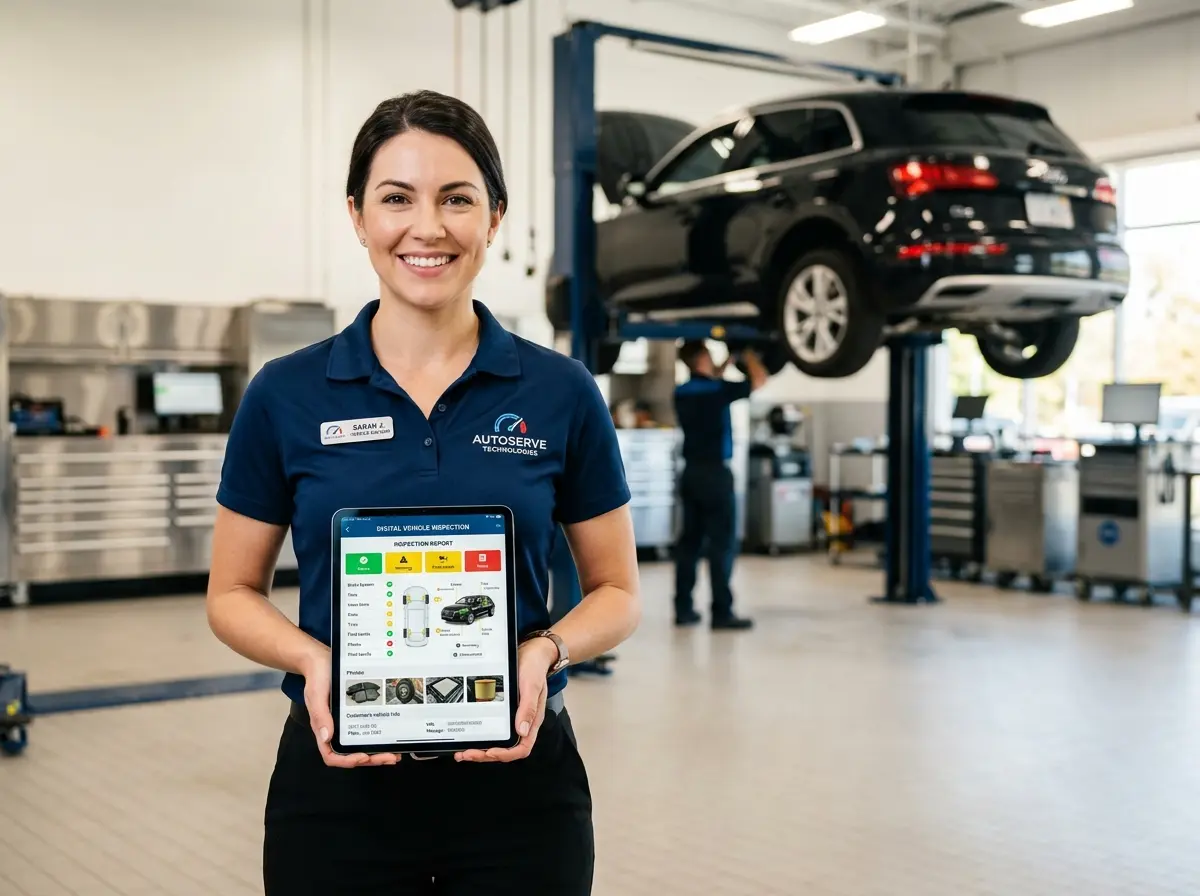
For example, an auto shop that texts customers a video walkthrough of their vehicle inspection doesn't just build trust — it creates something genuinely share-worthy. A spa that sends a personalized aftercare tip sheet based on the specific treatment received makes clients feel seen. Small gestures, compounding effect.
Train Your Team to Close the Loop
Your frontline staff are the final and most powerful touchpoint in the customer experience. How they wrap up an interaction — whether it's a phone call, an appointment, or a retail visit — directly influences how the customer feels as they walk away. Train them to close every interaction warmly and confidently, expressing genuine appreciation and inviting feedback.
A simple script goes a long way. Something like: "We really appreciate you choosing us today — if you have a moment, an honest review would mean the world to our team." That's it. No groveling, no desperation, just a human moment of connection. When people feel appreciated, they want to reciprocate.
The Ask: Timing, Channel, and Making It Ridiculously Easy
Here's where most businesses completely fumble the handoff. They either never ask, ask at the wrong time, or make the process so complicated that even motivated customers give up before they finish. Your review request strategy needs to be timely, frictionless, and multi-channel.
Strike While the Experience Is Fresh
The best time to ask for a review is within 24 hours of a positive interaction — ideally within a few hours. Customer sentiment has a surprisingly short shelf life. The delight they felt during their appointment starts competing with grocery lists, work emails, and whatever catastrophe their kids are currently orchestrating. A prompt, well-timed request catches them while the feeling is still warm.
Automated follow-up sequences using your CRM or email platform make this scalable. Set a trigger: service completed → automated message sent → review link included. It takes 30 minutes to set up and works indefinitely while you focus on running your business.
Remove Every Possible Obstacle
Every extra click between your customer and a submitted review is a dropout risk. Send a direct link to your Google Business review page — not your homepage, not a landing page, the actual review form. On SMS or email, this is a single tap. At your physical location, a QR code on receipts, countertops, or table cards can do the same work instantly.
If you serve an older demographic or less tech-savvy clientele, consider a simple verbal request paired with a printed card that includes the QR code and a short instruction like "Scan to share your experience." You're not assuming anything — you're just making it easy for everyone.
How Stella Fits Into Your Review Strategy
While Stella isn't a review platform itself, she plays a surprisingly natural role in the review generation ecosystem — particularly in the moments that matter most.
Capturing Sentiment and Customer Info at the Right Moment
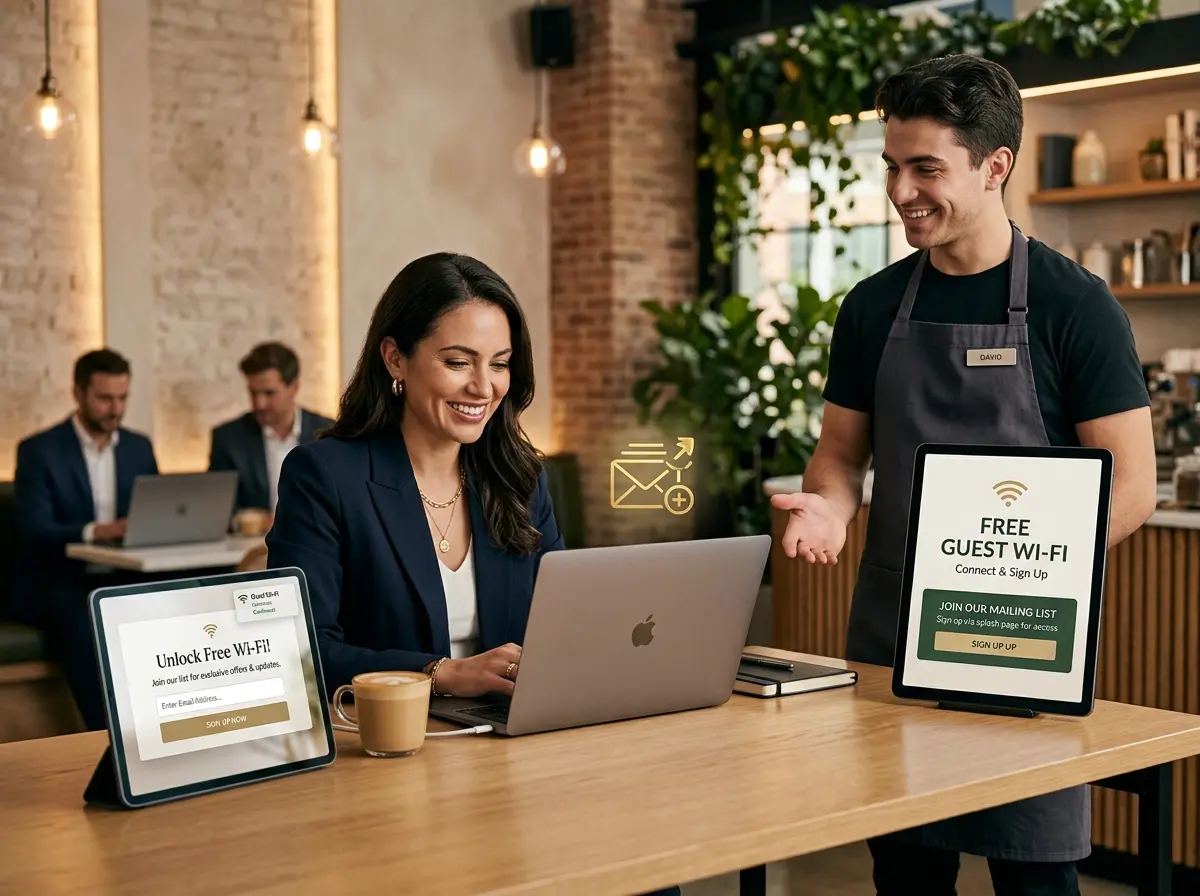
For businesses with a physical location, Stella — the AI robot kiosk and phone receptionist — can proactively engage customers before they leave, creating a warm, conversational experience that leaves a positive final impression. She can also collect customer contact information through conversational intake forms at the kiosk or over the phone, feeding data directly into her built-in CRM. That means when it's time to send your follow-up review request, you already have the customer's details, neatly organized and tagged, ready to trigger your outreach.
On the phone side, Stella answers calls 24/7 with the same warmth and professionalism as your best in-person experience — ensuring that even customers who only ever interact with your business by phone receive an experience worth reviewing. A great phone interaction, followed by a timely review request, is an underrated combination that most competitors completely overlook.
Building the System: Automation, Monitoring, and Improvement
A review generation strategy that depends on you remembering to do something manually every day is not a system — it's a good intention. Real systems run consistently with minimal ongoing effort, which means automation is non-negotiable.
Set Up Your Automated Review Request Workflow
Choose a tool that integrates with your existing operations — popular options include Google Business Profile's built-in request feature, or platforms like Birdeye, Podium, or NiceJob that specialize in review automation for service businesses. Connect it to your CRM or scheduling software so that a completed appointment or closed invoice automatically triggers a review request sequence.
A strong sequence typically looks like this: a friendly SMS or email within two hours of service completion, with a direct review link; a single polite follow-up 48 hours later if no review was left. That's it. Two touches, well-timed, professionally worded. Don't send five follow-ups — that's how you turn a happy customer into an annoyed one.
Monitor, Respond, and Learn
Getting reviews is only half the equation. Responding to them — all of them, positive and negative — signals to both future customers and to Google's algorithm that you're an engaged, accountable business. Thank your positive reviewers genuinely and specifically. Respond to negative reviews calmly, professionally, and with a clear path to resolution. A well-handled negative review often builds more trust than a glowing one.
Beyond individual responses, look at your review data over time. Are there recurring themes in what customers praise? Double down on those. Are there patterns in the complaints? Fix them. Your reviews are essentially free market research — a continuous feedback loop that tells you exactly what your customers value and where you're falling short.
Incentivize the Right Way (Without Getting Into Trouble)
It's worth clarifying what's allowed and what isn't. Offering incentives in exchange for positive reviews violates Google's policies and the FTC's guidelines — and it can get your reviews removed or your listing penalized. However, you can absolutely incentivize the act of leaving a review, regardless of sentiment. A small discount on a future service offered to all customers who leave any honest review is a legitimate, effective tactic when disclosed appropriately. When in doubt, check current platform guidelines — they do update over time.
Quick Reminder About Stella
Stella is an AI robot employee and phone receptionist that works inside your store as a customer-facing kiosk and answers your phone calls around the clock — no breaks, no turnover, no bad days. She greets customers, answers questions, promotes your offerings, collects contact information, and manages it all through a built-in CRM, starting at just $99/month. If you're looking for a way to make every single customer interaction more professional and consistent, she's worth a serious look.
Your Next Steps Start Today
Building a 5-star review generation system isn't a weekend project you forget about on Monday — it's a permanent, foundational piece of your business infrastructure. The businesses that dominate local search results and command instant trust from new customers didn't get there by accident. They built systems, stayed consistent, and made it easy for happy customers to speak up.
Here's your action plan to get started this week. First, audit your current experience and identify your two or three highest-impact customer touchpoints. Second, choose a review automation tool and connect it to your scheduling or invoicing workflow. Third, create your SMS and email review request templates — keep them short, warm, and direct. Fourth, set up your response routine so no review goes unanswered. And fifth, schedule a monthly 15-minute review audit to look for patterns and adjust accordingly.
You've already done the hard part — delivering a service worth talking about. Now build the system that makes sure people actually talk about it. Your future customers are reading reviews right now, trying to decide whether to call you or your competitor. Make sure the story they find is the one you've worked hard to earn.