Introduction: Because "Would You Like Fries With That?" Doesn't Quite Work in a Chiropractic Office
You've spent years mastering the art of spinal adjustments, building a practice patients trust, and somehow keeping up with the ever-evolving world of healthcare compliance. But here's a question worth sitting with (preferably in an ergonomically correct chair): are you leaving serious revenue on the table by not actively cross-selling your massage and physical therapy services?
The answer, statistically speaking, is probably yes. Studies suggest that existing patients are 60–70% more likely to purchase an additional service than a brand-new patient is to book their first appointment. Yet most chiropractic offices still operate like a one-hit wonder — patients come in for an adjustment, get cracked back into alignment, and walk out without ever hearing about the complementary services that could genuinely accelerate their recovery.
Cross-selling in healthcare isn't about being pushy. It's about being complete. When a patient walks in with chronic lower back pain, offering a targeted massage therapy session or a physical therapy evaluation isn't a sales tactic — it's good medicine. The challenge is building systems and communication strategies that make those recommendations feel natural, not transactional. That's exactly what this guide is for.
Building the Foundation: Know Your Services, Know Your Patients
Map Your Services to Common Patient Complaints
Before you can cross-sell effectively, your entire team needs to understand the clinical relationship between your services. This sounds obvious, but you'd be surprised how many front desk staff couldn't confidently explain why a patient recovering from a car accident might benefit from both chiropractic care and massage therapy. That knowledge gap is costing you.
Start by creating a simple internal reference guide that maps common patient complaints to relevant service combinations. For example, a patient presenting with tension headaches might benefit from cervical adjustments alongside soft tissue massage to address the muscular component. A post-surgical patient working through mobility limitations is a natural candidate for physical therapy in addition to chiropractic maintenance. When your team can articulate these connections clearly and confidently, recommendations start feeling like clinical guidance rather than an awkward upsell.
Segment Your Patient Base Thoughtfully
Not every patient is a candidate for every service — and treating them like they are is a fast track to eroding trust. Instead, use your patient data to identify meaningful segments. Long-term chiropractic patients who've never tried massage are a golden opportunity. Post-injury patients who've completed their acute care phase are ideal physical therapy candidates. Athletes managing recurring strain patterns might benefit from a rotating combination of all three.
Review your patient history data quarterly and flag accounts that haven't engaged with your full service menu. A simple tag system in your practice management software can make this process surprisingly painless. The goal isn't to blanket everyone with promotions — it's to make the right recommendation to the right person at the right time.
Train Your Team to Recommend, Not Sell
The language your staff uses matters enormously. There's a significant difference between a receptionist saying "We also offer massage — want to add one?" and a chiropractic assistant saying "Dr. Rivera mentioned that some soft tissue work on your hip flexors would really support what you're doing in your adjustments. We have availability with our massage therapist on Thursday — would that be helpful?" One feels like an impulse buy. The other feels like a care plan.
Role-play common scenarios with your team during monthly staff meetings. Scripted suggestions aren't manipulative — they're consistent. And consistency is what turns a one-time referral into a practice-wide culture of integrated care.
How Smart Automation Can Do Some of the Heavy Lifting
Let Technology Handle the Routine Touchpoints
Even the most enthusiastic front desk team can't personally remind every patient about available services, answer every after-hours call about pricing, or proactively mention your new physical therapy availability while simultaneously checking someone in and answering a phone. That's where smart tools come in — and Stella, the AI robot employee and phone receptionist, is worth knowing about.
For chiropractic offices with a physical waiting area, Stella operates as a friendly, human-sized kiosk that greets patients as they arrive, answers questions about your services, and naturally highlights complementary offerings like massage packages or physical therapy consultations. She doesn't get distracted, she doesn't forget to mention the monthly massage membership special, and she never has an off day. On the phone side, Stella handles incoming calls 24/7 — answering questions about services, booking inquiries, and even collecting patient intake information conversationally before a human staff member ever picks up. If you've ever lost a new patient lead because no one answered at 7 PM, you already understand the value.
Structuring Cross-Sell Offers That Actually Work
Package Services With a Clinical Narrative
One of the most effective cross-selling strategies in integrated healthcare is the service package — but only when it's framed around a patient outcome, not a discount. A "Recovery Accelerator Package" that combines six chiropractic adjustments, two massage therapy sessions, and an initial physical therapy evaluation tells a story. It says: we've thought about your recovery as a whole, and here's a structured path forward.
Packages also solve a real psychological barrier for patients: the perceived complexity of managing multiple appointment types. When you bundle and simplify, you reduce the friction that keeps people from saying yes. Price the package at a modest discount compared to à la carte rates — enough to feel like a win for the patient, not enough to cannibalize your margins. And make sure every patient who's been with you longer than three months hears about it.
Use the Post-Adjustment Conversation Strategically
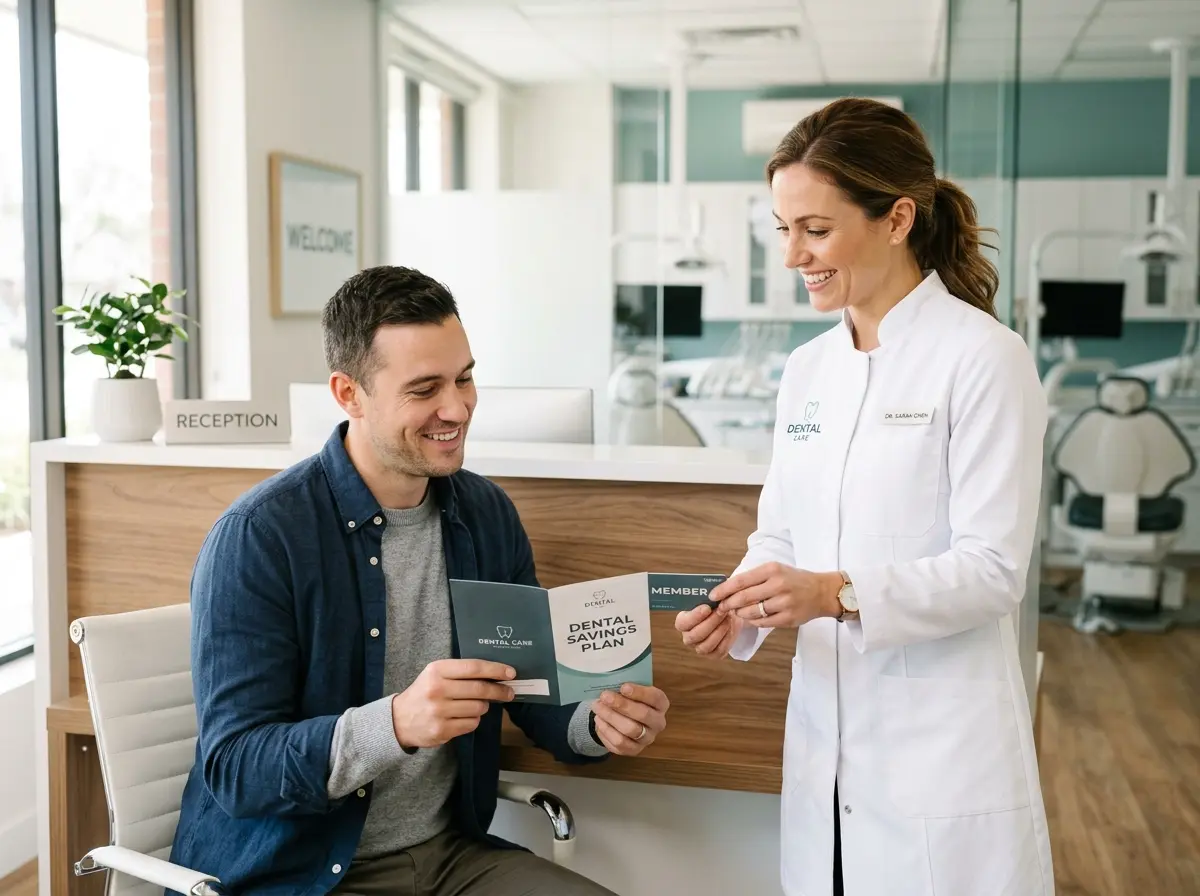
The moment right after an adjustment is genuinely one of the most powerful opportunities for a cross-sell conversation — and most practices completely waste it. The patient is relaxed, they feel better than they did twenty minutes ago, and they're emotionally receptive. This is exactly when a doctor or chiropractic assistant should briefly mention that the tight piriformis they were working around today is something a targeted massage session could address more directly.
Keep these conversations brief and patient-centered. A simple, confident statement followed by an easy action step is all you need: "I'd love to get you in with our massage therapist for one session to focus on that area — I think you'd feel a real difference in how your adjustments hold. Want me to have the front desk check availability before you leave?" That's it. No pressure, no pitch deck, just a logical next step delivered at exactly the right moment.
Follow Up Without Being Annoying About It
A patient who didn't book additional services today isn't a lost cause — they're a future opportunity. A well-timed follow-up email three to five days after an appointment, personalized to the services discussed, can be remarkably effective. Even better, a short text message reminder about a physical therapy assessment they expressed interest in converts at a higher rate than most practice owners expect.
The key is relevance and timing. Generic "we miss you!" messages get ignored. Specific, thoughtful follow-ups — "Hi Sarah, Dr. Chen mentioned you were dealing with some recurring tightness in your shoulders. We wanted to let you know our massage therapist has availability this week if you'd like to address that directly" — feel personal, because they are. Use your patient notes. Make the automation feel human.
Quick Reminder About Stella
Stella is an AI robot employee and phone receptionist designed to help businesses like chiropractic offices deliver a consistent, professional patient experience without adding to the administrative load. She greets patients in your waiting area, promotes your services, and answers calls around the clock — all for $99 a month with no upfront hardware costs. If your front desk is stretched thin and cross-sell conversations are falling through the cracks, she's worth a look.
Conclusion: The Integrated Practice Is the Profitable Practice
Cross-selling massage and physical therapy in your chiropractic office isn't a departure from your clinical mission — it is your clinical mission. Patients who engage with multiple complementary services get better outcomes, stay in your practice longer, and refer more friends. That's not a sales strategy. That's just what good integrated care looks like in practice.
Here's where to start this week:
- Audit your service menu and create a simple clinical mapping document that connects common complaints to relevant service combinations.
- Brief your team on language that positions cross-sells as care recommendations, not add-ons, and practice those conversations out loud.
- Design one bundled package with a clear patient outcome in mind and introduce it to your most engaged long-term patients first.
- Review your follow-up process and make sure patients who express interest in additional services are actually hearing back from you within a week.
- Explore tools like Stella to handle the routine touchpoints — greeting patients, answering service questions, and capturing interest — so your human team can focus on the conversations that require real clinical judgment.
The chiropractic practices that thrive in the next decade won't be the ones with the best adjusting techniques alone. They'll be the ones that successfully communicate the full value of everything they offer. You've already built a practice worth expanding — now build the systems that let patients actually discover all of it.