Why Your OT Practice Needs a Home Safety Modification Assessment Service (And How to Actually Build One)
Let's be honest — occupational therapists are some of the most underutilized professionals in the healthcare ecosystem. You have the clinical expertise to quite literally keep people safe in their own homes, yet many OT practices are still anchored to traditional rehab settings while a massive, aging population is out there tripping over loose rugs and negotiating with bathtubs they can no longer safely enter. According to the CDC, one in four adults aged 65 and older falls each year, and the majority of those falls happen at home. That's not just a public health statistic — that's a business opportunity with a mission attached to it.
Building a home safety modification assessment service within your occupational therapy practice is one of the smartest expansions you can make. It diversifies your revenue, deepens your community impact, and positions you as the go-to expert for aging-in-place solutions. The good news is that you don't need to reinvent the wheel. You need a structured framework, the right partnerships, and a system that keeps your practice running smoothly while you're out in the field measuring doorways and recommending grab bars. Let's build that together.
Laying the Groundwork: Structure, Credentials, and Service Design
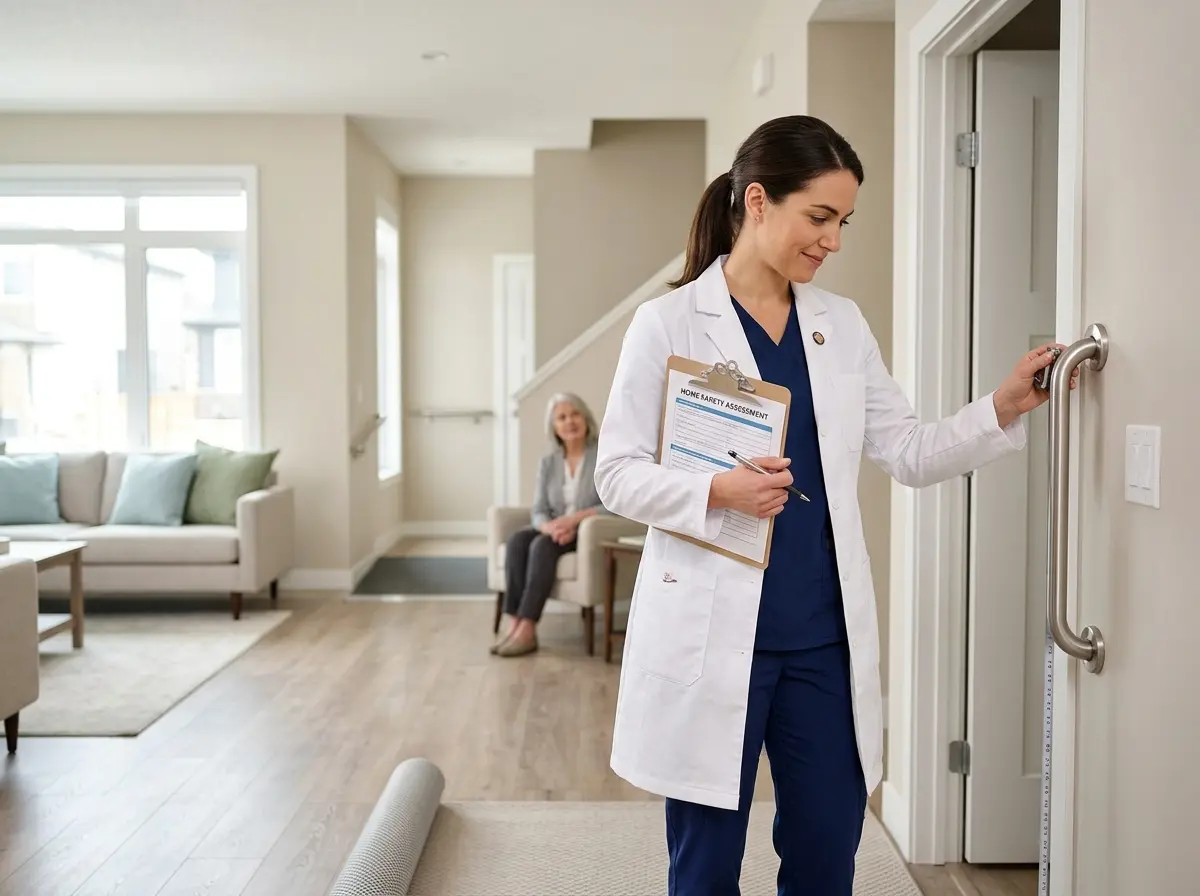
Before you show up at anyone's doorstep with a clipboard and a tape measure, you need to get your foundation right. A home safety modification assessment service is a distinct clinical and business offering, and treating it as an afterthought will produce afterthought-quality results — and liability exposure you definitely don't want.
Define Your Service Scope and Clinical Framework
Start by clearly defining what your service includes. A home safety modification assessment typically covers a comprehensive evaluation of the home environment across multiple domains: fall risk, bathroom safety, kitchen accessibility, lighting, flooring, egress, and assistive technology needs. You should also decide whether your service ends at the assessment report or extends into modification coordination, contractor referrals, or follow-up visits.
Clinically, ground your service in a validated assessment tool. The Home Fast (Home Falls and Accidents Screening Tool), the Safety Assessment of Function and the Environment for Rehabilitation (SAFER-HOME), and the Cougar Home Safety Assessment are all evidence-based options worth reviewing. Your documentation, reporting, and recommendations should tie directly back to whichever framework you use, giving your assessments credibility with referral sources, insurers, and family members making decisions for loved ones.
Get the Right Credentials and Training
If you don't already hold a Certified Aging in Place Specialist (CAPS) credential from the National Association of Home Builders, consider pursuing it. It's not a requirement to offer home safety assessments, but it signals expertise to clients and gives you a shared language with the contractors and builders you'll be working alongside. Similarly, familiarize yourself with the Americans with Disabilities Act (ADA) standards and local building codes — not because you'll be acting as a contractor, but because informed recommendations are better recommendations.
Malpractice coverage is another non-negotiable to revisit. Confirm that your current professional liability policy covers community-based assessments conducted outside a clinical setting. If it doesn't, update it before you take your first home assessment client. This is the kind of thing that feels like administrative tedium right up until you need it.
Price Your Service Strategically
Home safety modification assessments can be offered as private-pay services, billed through Medicare (when medically necessary and ordered by a physician), or structured as a package with follow-up services. Private pay rates typically range from $150 to $500 per assessment, depending on your market, the depth of your report, and whether travel fees apply. Consider tiered packages — a basic safety walkthrough at a lower price point, and a comprehensive aging-in-place consultation with a written report and contractor referral list at the premium tier. This gives prospective clients a clear entry point and gives you a natural upsell path.
Streamlining Intake and Client Communication
One of the quietest killers of a growing OT practice is administrative inefficiency. You're a skilled clinician, not a scheduling coordinator — and every hour you spend playing phone tag is an hour you're not seeing clients or growing your referral network. This is exactly where technology can carry some of the load.
Let Automation Handle the First Touchpoint
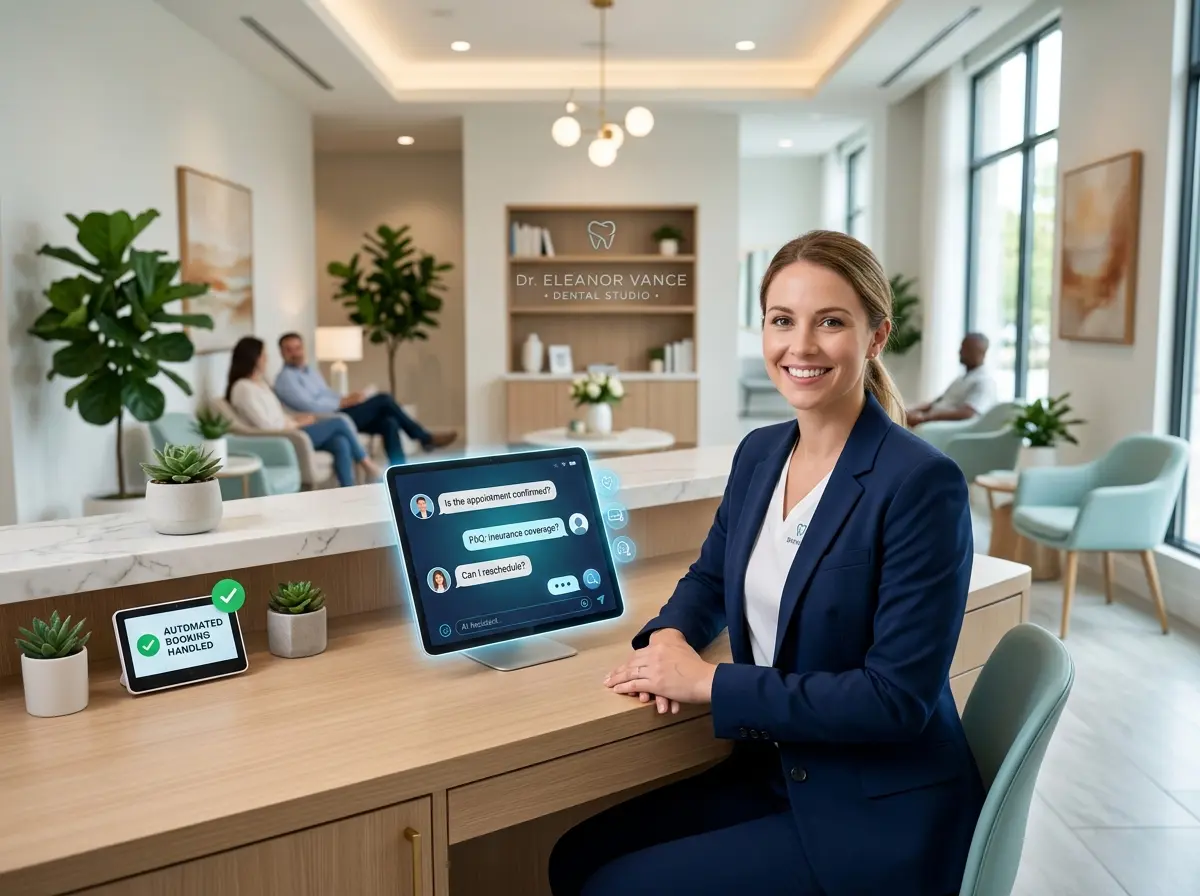
Stella, the AI robot employee and phone receptionist, is worth knowing about here. For an OT practice launching a home assessment service, the intake and scheduling process can get surprisingly complex — callers often have lots of questions, family members call on behalf of aging parents, and inquiry calls can come in at all hours. Stella answers every call, 24/7, with the same professional knowledge your front desk staff would use during business hours. She can walk callers through your assessment service options, collect intake information through conversational forms, and forward urgent calls to your human team based on your configured conditions — all without putting anyone on hold or sending them to voicemail purgatory. Her built-in CRM also means that every inquiry is logged, tagged, and summarized, so nothing falls through the cracks when you're out in the field.
Building Your Referral Network and Marketing Your Service
A well-designed service with zero referral sources is a well-designed service that nobody uses. The home safety modification space intersects with multiple industries and professions, which is actually great news — it means your referral network has many doors, and you only need to open a few of them to start building real momentum.
Identify Your Best Referral Partners
Your highest-value referral sources are likely physicians (particularly primary care, geriatrics, and orthopedic surgeons), home health agencies, hospital discharge planners, physical therapists, elder law attorneys, and geriatric care managers. These professionals are regularly in contact with exactly the population that needs what you offer — older adults, post-surgical patients, and individuals with progressive conditions who want to remain safely at home.
Don't overlook the real estate side of the equation, either. Realtors working with downsizing seniors, reverse mortgage specialists, and senior living advisors often encounter clients who want to modify their current home before committing to a move. A well-timed referral from one of these professionals can lead to assessment work that would otherwise never find you. Make it easy for your referral partners by providing a one-page referral guide that explains your service, your clinical credentials, your turnaround time for reports, and how to send a referral your way.
Position Yourself as the Community Expert
Speaking opportunities are underrated by most healthcare practitioners. Offer to present at senior centers, assisted living communities, libraries, and community wellness events on topics like fall prevention, aging in place, and home modification strategies. These presentations do double duty — they establish you as the local authority on home safety, and they generate direct client inquiries from attendees or their adult children sitting in the audience.
A simple, professional website with a dedicated landing page for your home assessment service, some before-and-after case examples (with client permission), and a clear call-to-action will do more for your visibility than any amount of passive hope. Pair that with a Google Business Profile and a few targeted reviews, and you'll start showing up when people in your area search for home safety solutions for aging parents.
Create a Contractor Referral Network That Adds Value
Your assessment is only as useful as what happens after it. Build a curated list of trusted contractors, certified aging-in-place remodelers, and durable medical equipment suppliers that your clients can actually call. When you can hand a family a report that says here's what needs to change, here's who can do it, and here's roughly what it costs, you've delivered something genuinely valuable — and you've differentiated yourself from every generic "fall prevention checklist" floating around the internet. Contractors who receive referrals from you will often reciprocate, turning your network into a two-way referral engine.
Quick Reminder About Stella
Stella is an AI robot employee and phone receptionist that works 24/7 to greet clients, answer questions, collect intake information, and keep your practice running professionally even when you're out on a home assessment. At $99/month with no upfront hardware costs, she's an easy addition for any OT practice looking to grow without adding to the administrative pile. If you have a physical office, she also shows up in person — greeting visitors and promoting your services at the kiosk before a human staff member ever needs to get involved.
Conclusion: Build It Right, Then Build It Out
A home safety modification assessment service isn't a side hustle for your OT practice — it's a natural, clinically grounded extension of what occupational therapists do best. The demand is real, the population is growing, and the competition in most markets is surprisingly thin. That's a rare combination worth acting on.
Here's your actionable starting point:
- Choose your assessment tool and build your documentation template around it this week.
- Review your liability coverage and confirm it extends to community-based work.
- Set your pricing tiers and draft a simple one-page service description you can share with referral partners.
- Schedule five introductory meetings with physicians, discharge planners, or geriatric care managers in your area within the next 30 days.
- Automate your intake process so that inquiries are captured and followed up on without relying entirely on manual effort.
The aging-in-place movement is not slowing down. By the time you finish second-guessing this, someone else in your market may have already claimed the territory. You have the clinical expertise. You have the professional credibility. All that's left is the decision to structure it, market it, and let it grow.