So You Want to Train the People Who Train Everyone Else
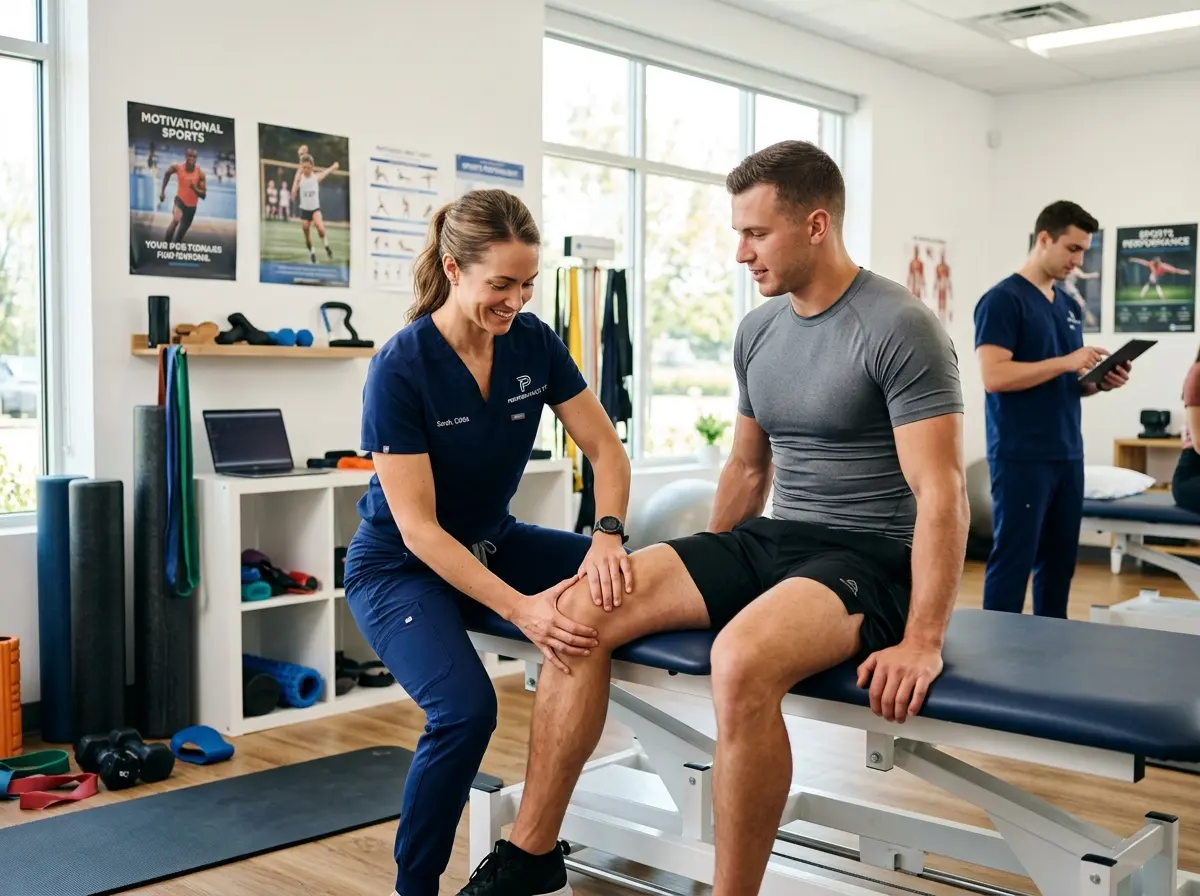
Athletes are a special breed. They push their bodies to the limit, ignore pain until it becomes inconvenient, and then expect full recovery in half the time a normal human would need. Sound familiar? If you're a physical therapist, it absolutely does — and if you're thinking about building a specialty program specifically for athletes, congratulations: you've chosen one of the most rewarding and demanding niches in the industry.
The good news? Athletic physical therapy programs are booming. The sports medicine market is projected to reach over $9 billion by 2030, and athletes — from weekend warriors to professionals — are increasingly seeking out specialized care rather than settling for a generic PT clinic. The bad news? Standing out in this space requires more than just knowing the difference between a hamstring strain and a hip flexor issue. It requires a deliberate, well-structured program that speaks directly to what athletes need: faster recovery, performance optimization, and a provider who actually understands their world.
This guide walks you through how to build that program — from defining your athletic clientele to marketing your services effectively and keeping operations running smoothly so you can focus on what you do best.
Building the Foundation of Your Athletic PT Program
Before you hang a poster of a sprinter on your wall and call it a sports clinic, you need to do some real groundwork. A successful specialty program isn't just a rebrand — it's a restructured service model built around the specific needs of athletic patients.
Define Your Athletic Niche (Yes, You Need to Pick One)
"Athletes" is a broad term that covers everyone from a 14-year-old soccer player to a 55-year-old triathlete. The practices that thrive in this space don't try to serve all of them equally — they get specific. Consider focusing on a particular sport or athlete type: overhead athletes like baseball and tennis players, endurance athletes like runners and cyclists, contact sport athletes, or youth sports populations. Each group has distinct injury patterns, training demands, and communication styles.
Getting specific also makes your marketing dramatically more effective. A marathon runner searching for "PT for runners" is far more likely to book with a clinic that advertises runner-specific programs than a generic "sports PT" practice. Niching down feels counterintuitive at first, but it almost always increases both volume and quality of referrals over time.
Design a Program Structure That Athletes Will Actually Respect
Athletes are goal-oriented, results-focused, and have very little patience for vague timelines. Your program structure needs to reflect that. Consider building your athletic PT program around three clear phases:
- Performance Baseline Assessment: A thorough intake that goes beyond injury history — include movement screens, strength asymmetry testing, and sport-specific functional assessments. Athletes love data. Give them data.
- Active Recovery and Rehab: Structured, progressive treatment sessions with clear milestones. Build in benchmarks so athletes can see progress, not just feel it.
- Return-to-Performance Clearance: A formal, documented sign-off process that gives athletes (and their coaches) confidence they're truly ready to return — not just guessing.
This kind of structured, milestone-based approach does something powerful: it makes your program feel less like a medical appointment and more like a training protocol. That's exactly the framing athletes respond to.
Train Your Team to Communicate Like a Coaching Staff
If your front desk staff and PTs communicate in clinical jargon, athletes will tune out fast. Invest in training your team to communicate in performance-oriented language. Instead of "reduce inflammation," say "get you back to full training load." Instead of "limited range of motion," say "mobility restriction that's affecting your power output." This isn't about dumbing things down — it's about meeting your patients where they are, which is exactly what elite coaches do.
Streamlining Intake and Front-Desk Operations
Here's a truth no one warns you about when building a specialty program: the clinical side is actually the easy part. The operational side — scheduling, intake, follow-ups, phones — is where a lot of great programs quietly fall apart.
Make Intake Effortless and Impressive
Athletes are busy. They're juggling training schedules, competitions, and often full-time jobs or school. A clunky intake process is enough to send them elsewhere. Streamline your intake with digital forms that collect sport history, current training load, injury details, and performance goals before they even walk in the door. This saves time and signals to athletes that your practice is organized and professional — two things they deeply respect.
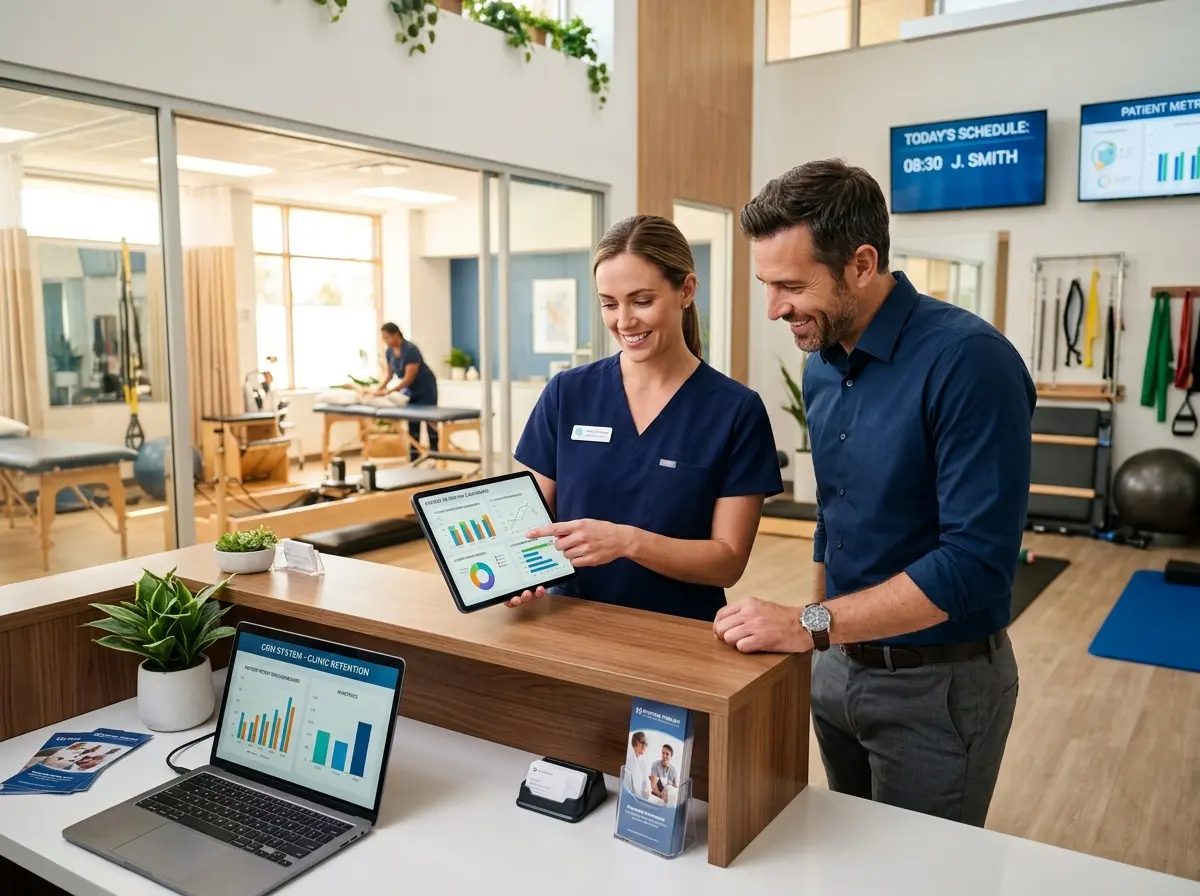
This is also where Stella, the AI robot employee and phone receptionist, can be a genuine asset to your practice. Stella can handle incoming calls 24/7, walk prospective athletic patients through conversational intake forms over the phone or at the kiosk in your waiting area, and store all of that information in her built-in CRM — complete with custom fields, tags, and AI-generated patient profiles. When your PT walks into the first session, they already know they're dealing with a collegiate sprinter recovering from a grade-two hamstring strain who wants to compete in eight weeks. That kind of preparation makes a powerful first impression.
Marketing Your Athletic Program to the Right Audience
You've built a great program. Now you have to tell people about it — specifically, the right people. Marketing a specialty athletic PT program is different from general PT marketing, and the tactics that work are worth knowing.
Build Referral Relationships with Coaches and Athletic Trainers
Coaches and athletic trainers are the gatekeepers of the athletic community, and they are extraordinarily loyal to providers who treat their athletes well and communicate clearly. Make it a priority to introduce yourself to local high school and college coaches, club sport directors, and gym owners. Offer to do a free movement screening at their facility, provide a brief educational talk on injury prevention, or simply show up to events and be present in the community.
Referrals from coaches carry enormous weight because athletes trust their coaches implicitly. One strong relationship with a high school athletic director can fill your schedule with student athletes for years. It's not glamorous networking — it's showing up consistently and demonstrating competence. But it works better than almost any paid advertising you could run.
Use Content to Establish Authority in Your Niche
Athletes and their parents research extensively before committing to a provider. A blog post on "return-to-sport timelines after ACL surgery" or a short video explaining the difference between tendinitis and tendinopathy positions your practice as knowledgeable and trustworthy — long before anyone picks up the phone to call you.
You don't need to produce content every day. Consistent, high-quality content published even bi-weekly can compound significantly over time in search rankings and social media reach. Focus on the questions your athletic patients actually ask, and answer them clearly and confidently. That's the formula.
Leverage Your Outcomes — Loudly and Ethically
Nothing markets a specialty athletic program better than documented results. With proper patient consent, share success stories: the collegiate swimmer who returned to competition two weeks ahead of schedule, the recreational runner who finally got through a full marathon training cycle without knee pain. Anonymize where necessary, but don't be shy. Outcomes are your most powerful marketing tool, and athletes actively look for evidence that a provider has helped people like them.
Quick Reminder About Stella
Stella is an AI robot employee and phone receptionist that greets patients at your front desk, answers calls around the clock, collects intake information, manages your CRM, and promotes your services — all for just $99/month with no upfront hardware costs. For a busy PT practice building out a new specialty program, she's the kind of reliable, tireless team member who never calls in sick right before your Monday rush.
Turning Your Athletic Program Into a Long-Term Growth Engine
Building a specialty athletic program isn't a one-time project — it's an ongoing investment. The practices that see sustained growth treat their athletic program as a living, evolving product that improves with every patient cohort and every new piece of feedback.
Start by tracking your outcomes systematically. Use validated return-to-sport assessments, document functional benchmarks at intake and discharge, and periodically analyze your patient population to see which niches are growing naturally. If you suddenly notice that 40% of your athletic patients are youth soccer players, that's a signal worth acting on.
Invest in continuing education specific to sports PT — certifications like the SCS (Sports Clinical Specialist) through ABPTS carry real credibility with both coaches and sophisticated athletic patients. And don't underestimate the value of community presence. Sponsoring a local 5K, hosting a free injury prevention clinic, or partnering with a CrossFit gym for monthly movement screenings keeps your name visible in the athletic community without requiring a massive marketing budget.
Most importantly, remember that athletes talk to each other — constantly. When your program delivers real results with a professional, organized experience, word spreads fast. Your best marketing strategy, in the end, is an exceptional program that your patients can't stop recommending.
Build the program right. Treat the athletes well. Let the results do the talking. And maybe let Stella handle the phones while you focus on the work that actually requires your expertise.