Why Your Customers Leave and Never Come Back (And What to Do About It)
You worked hard to get that customer through the door. You smiled, you delivered, you maybe even threw in a little something extra. They seemed happy. They were happy. And then... nothing. They vanished into the great consumer wilderness, never to return — at least not on their own.
Welcome to one of the oldest and most expensive problems in retail and service businesses: the one-time visit. Studies suggest that acquiring a new customer costs five times more than retaining an existing one, yet most businesses spend the bulk of their marketing budget chasing strangers rather than re-engaging people who already like them. Brilliant strategy, truly.
Enter the bounce-back coupon — one of the most underrated, underused tools in the modern business owner's arsenal. When done right, a bounce-back offer transforms a single transaction into the beginning of a relationship. When done wrong, it ends up in the same drawer as expired gift cards and forgotten loyalty punch cards. This post is about doing it right.
Understanding the Bounce-Back Coupon (And Why Most Get It Wrong)
What a Bounce-Back Coupon Actually Is
A bounce-back coupon is an offer given to a customer after a purchase, designed to incentivize them to return within a specific window of time. Think of it as a polite but persuasive nudge: "Hey, you liked us once — here's a reason to like us again next Tuesday." It can take many forms — a printed slip at checkout, a digital code sent via email or text, or even a verbal offer delivered by a well-trained (human or AI) team member.
The mechanics are simple. The psychology is powerful. People who have already bought from you have crossed the most important barrier: trust. A bounce-back coupon capitalizes on that trust while it's still warm, giving customers a tangible reason to return before life gets busy, competitors run their own promotions, or the memory of your excellent service fades into the background noise of modern life.
The Most Common Mistakes Businesses Make
Most bounce-back campaigns fail not because the concept doesn't work, but because of sloppy execution. Here are the big offenders:
- Too much friction. If redeeming the offer requires three steps, a secret password, and a manager override, customers won't bother. Keep it simple.
- The wrong time window. An offer that expires in 48 hours may create urgency, but it also creates impossibility for busy customers. An offer that expires in 90 days creates so little urgency that it gets forgotten. The sweet spot is typically 7 to 21 days, depending on your industry.
- Generic offers that feel cheap. "10% off your next visit" sounds like a clearance rack. Personalized or category-specific offers — "20% off your next facial" or "Free dessert on your next visit" — feel like a reward rather than a discount.
- No tracking. If you don't know which offers are driving returns, you're flying blind and burning money. Track redemption rates religiously.
What Makes a Bounce-Back Offer Irresistible
The best bounce-back coupons share a few key traits. They feel exclusive — like the customer earned them. They're easy to understand and redeem. And they're relevant to what the customer already demonstrated they care about by making their initial purchase.
For example, a spa that offers a first-time client a discounted add-on for their next appointment isn't just incentivizing a return visit — it's also upselling a service the client might not have tried otherwise. A restaurant that offers a complimentary appetizer on the next visit is betting (correctly) that the customer will order drinks and a full meal anyway. The offer pays for itself many times over.
Timing, Delivery, and Personalization: The Holy Trinity
When and How to Deliver the Offer
Timing matters enormously. The ideal moment to deliver a bounce-back offer is at peak satisfaction — right after the customer has had a great experience, while the positive feeling is still fresh. For brick-and-mortar businesses, that means at checkout or as part of the farewell interaction. For service businesses, it might be at the end of an appointment. For online businesses, it works well as part of an immediate post-purchase email sequence.
Delivery method also matters. Printed coupons have the advantage of being physical reminders that can live on a refrigerator or in a wallet. Digital offers — sent via SMS or email — have the advantage of being trackable and can include a direct link to book or shop. The best approach is often both: hand the customer something physical and follow up digitally within 24 hours to reinforce the message.
How Stella Can Help Automate and Personalize the Process
This is where modern tools make a real difference. Stella, the AI robot employee and phone receptionist, is built to do exactly the kind of proactive customer engagement that makes bounce-back campaigns work. In-store, Stella greets customers, promotes current specials, and can highlight ongoing offers — including personalized bounce-back promotions — as part of every interaction. She doesn't forget, she doesn't get distracted, and she never has an off day.
On the phone side, Stella answers calls 24/7 and can collect customer information through conversational intake forms — feeding data directly into her built-in CRM. That means you can tag customers by service type, purchase history, or visit frequency, and tailor your bounce-back offers accordingly. The days of handing out generic 10%-off slips to everyone equally are over.
Building a System That Actually Sustains Repeat Business
From One-Off Coupons to a Loyalty Ecosystem
A bounce-back coupon is a tactic. Repeat business is a strategy. The most successful businesses treat the bounce-back offer not as a standalone gimmick, but as the first step in a deliberate loyalty ecosystem. Think about how the initial offer introduces the customer to a broader rewards program, a referral incentive, or a seasonal promotion calendar that keeps them engaged year-round.
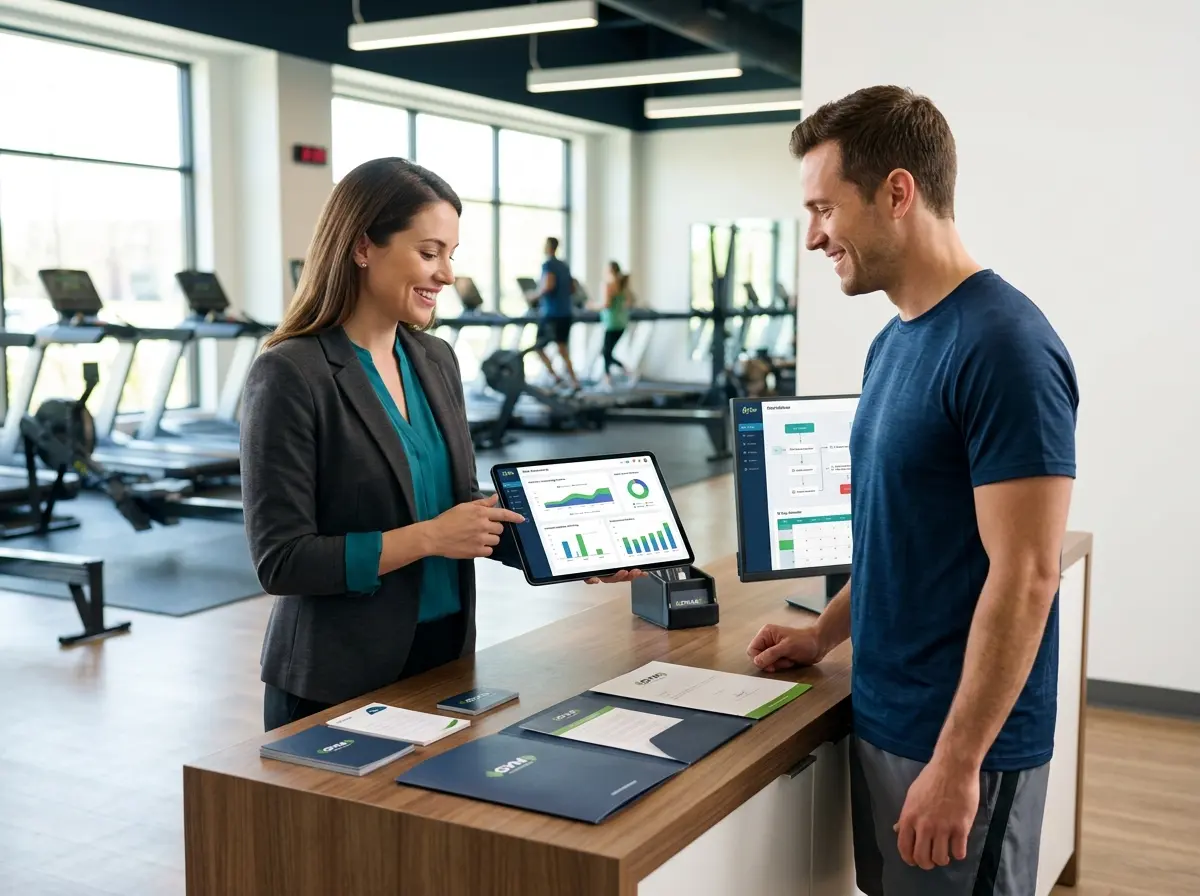
For example, a gym might use a bounce-back offer — say, a free personal training session — to get a new member back in the door, then enroll them in a points-based loyalty program during that second visit. The coupon creates the return; the program creates the habit. Habit is the goal. According to Bain & Company, increasing customer retention by just 5% can increase profits by 25% to 95%. A bounce-back coupon that converts even a modest percentage of one-time visitors into regulars can have a dramatic impact on your bottom line.
Measuring What Works and Cutting What Doesn't
You cannot improve what you do not measure. Every bounce-back campaign should have clear metrics attached: redemption rate, average transaction value on the return visit, time-to-redemption, and overall customer lifetime value for those who redeem versus those who don't.
Run A/B tests. Try a 15% discount versus a free add-on and see which one drives more returns. Test a 10-day expiration versus a 21-day window. Experiment with delivery methods — printed, email, SMS — and compare results across customer segments. This doesn't have to be complicated. Even a simple spreadsheet tracking redemptions by offer type will tell you more than most businesses currently know about their own promotions.
Industry-Specific Ideas Worth Stealing
Different industries call for different approaches, but the core principle is the same: make it easy, make it relevant, and make it feel like a reward rather than a discount. Here are a few examples worth adapting:
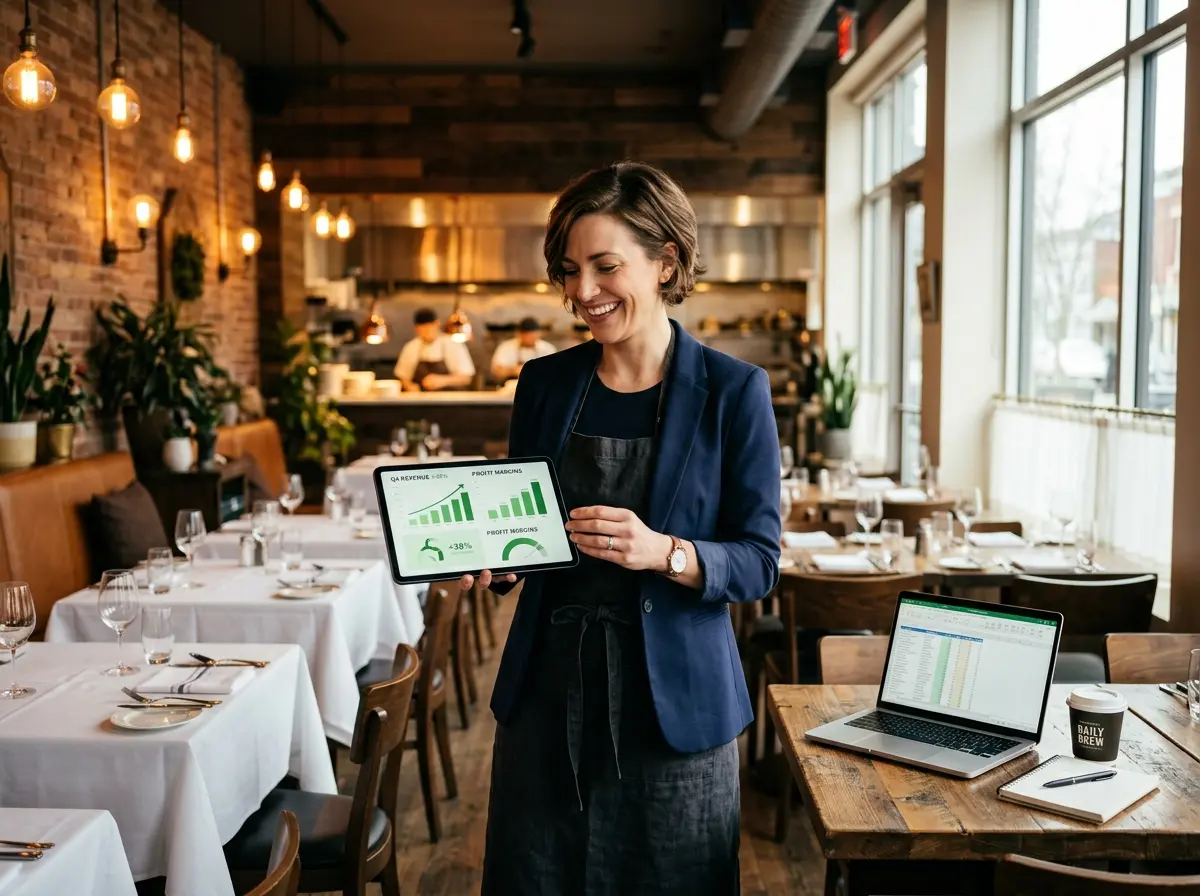
- Restaurants: "Bring this card back within 14 days for a complimentary dessert" — low cost, high perceived value, and it fills seats on slower nights.
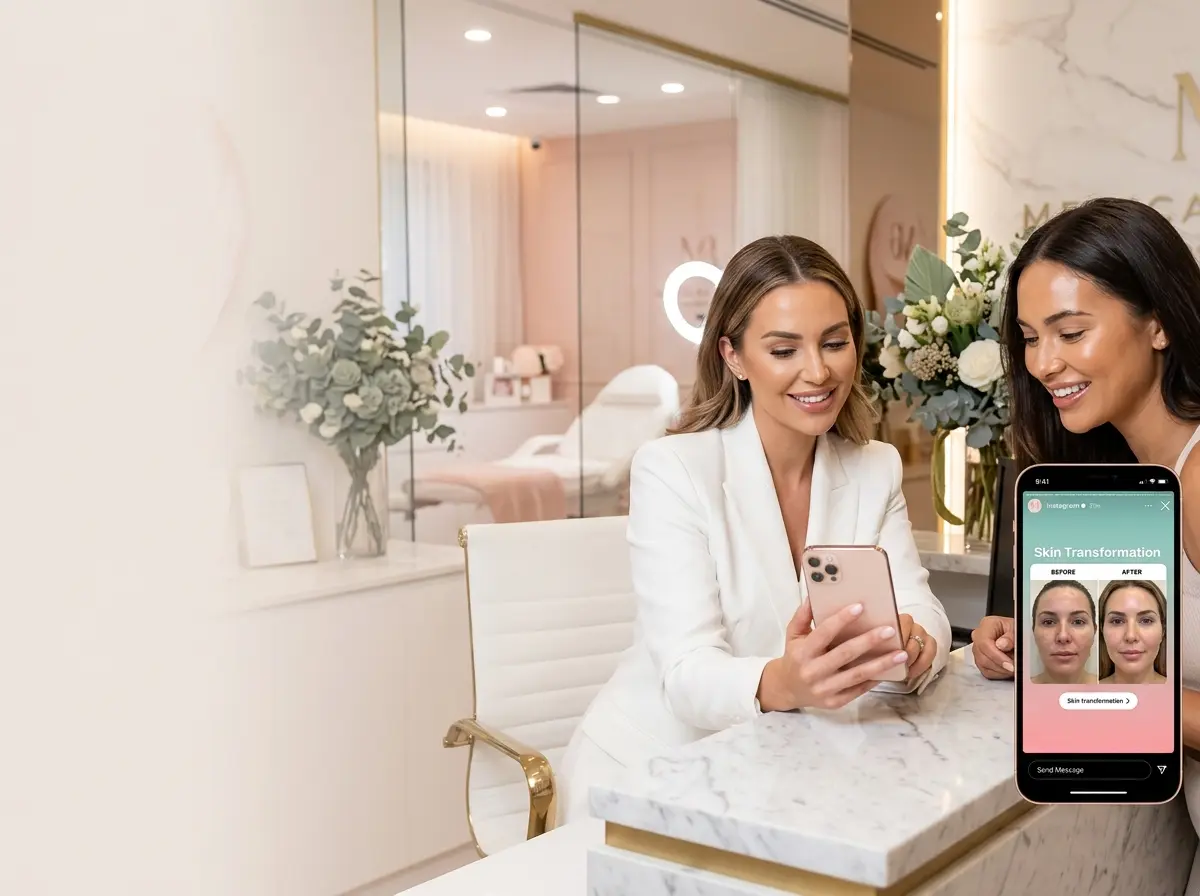
- Salons and spas: A discount on a service the client didn't book this time — it's an upsell disguised as a thank-you.
- Auto shops: A discounted oil change or tire rotation on the next service visit — practical, expected, and almost always redeemed.
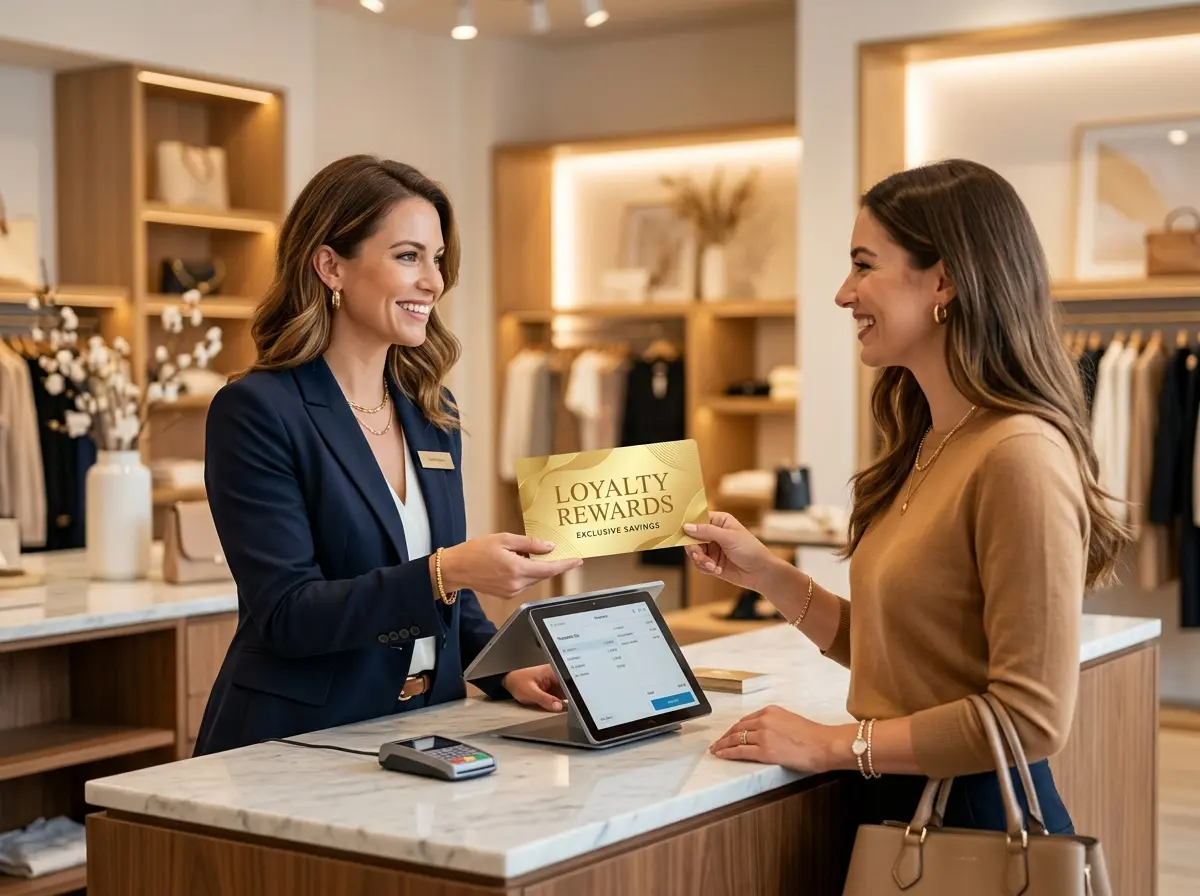
- Retail boutiques: A "loyalty reward" on their next purchase of $50 or more — it sets a spending threshold while still feeling generous.
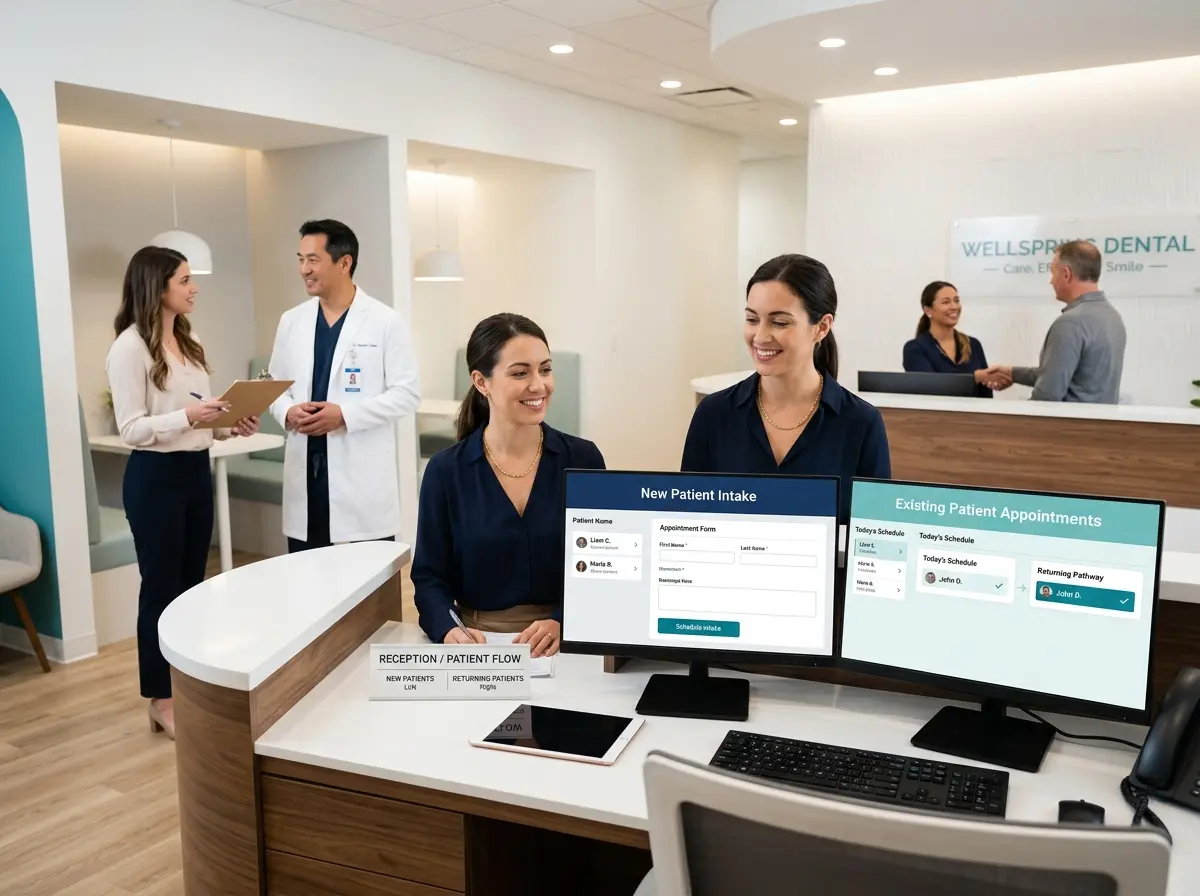
- Medical or wellness offices: A reminder-plus-incentive for the next appointment within a specific timeframe — adds urgency to routine follow-ups.
Quick Reminder About Stella
Stella is an AI robot employee and phone receptionist that works around the clock — greeting customers in-store, answering calls after hours, promoting your current deals, and keeping your CRM organized without any effort on your part. She's available for just $99/month with no upfront hardware costs, and she's ready to start working the moment you set her up. No sick days, no training lapses, no forgetting to mention the bounce-back offer at checkout.
Start Turning First-Time Customers Into Regulars
The bounce-back coupon isn't a new idea — it's a proven one that most businesses execute poorly or skip entirely. That's actually good news for you, because the bar isn't that high. If you can design an offer that's relevant, easy to redeem, and delivered at the right moment, you're already ahead of the majority of your competitors.
Here's where to start:
- Audit your current post-purchase experience. What happens after a customer pays and walks out the door? If the answer is "nothing," that's your first problem to solve.
- Design one simple bounce-back offer tailored to your most common customer transaction. Don't overthink it — start with one offer, one time window, one delivery method.
- Set up a way to track redemptions. Even a basic system is infinitely better than guessing.
- Iterate based on data. Give it 30 to 60 days, look at what's working, and adjust accordingly.
- Explore tools that automate the personalization — because the more relevant the offer, the higher the redemption rate, and the more time you save, the more energy you can put into the next growth lever.
Your best new customers are the ones you already have. Give them a reason to come back — and make sure someone (or something) is there to welcome them when they do.