The Revolving Door Problem: Why Members Leave When They Don't Have To
Here's the thing: Sarah was never really gone. She was a pause button waiting to be pressed. But your cancellation process turned a temporary goodbye into a permanent one.
The fitness industry loses an estimated 50% of new members within the first six months, and retention continues to be one of the most expensive problems gym owners face. But not all cancellations are created equal. Some members genuinely need to leave. Others are one conversation — or one better option — away from staying. The difference between those two outcomes often comes down to how your cancellation process is designed, and whether it treats members like human beings or like line items being cleared from a spreadsheet.
The Real Reasons Members Cancel (And What They're Not Telling You)
Cancellation Is Often a Cry for Help, Not a Goodbye
Most gym owners hear "I want to cancel" and think the conversation is over. In reality, it's often just starting. Research from the fitness industry consistently shows that members who cancel cite reasons like not using the gym enough, cost concerns, or schedule conflicts — all of which are highly addressable problems. The member isn't rejecting your facility. They're expressing a need that isn't being met.
A well-trained staff member (or a well-configured AI receptionist) who responds to "I want to cancel" with genuine curiosity rather than immediate compliance can uncover the real issue. Is it cost? Offer a downgraded membership tier. Is it schedule? Highlight 24-hour access or on-demand classes. Is it motivation? Connect them with a personal trainer for one session. The point is that the conversation itself is the retention tool — and most gyms are skipping it entirely.
Your Cancellation Process Is Probably Accidentally Hostile
Neither of these outcomes is good for your gym. The first loses a member you might have saved. The second loses a member and earns you a scathing Google review. What you need is a structured, empathetic process that consistently gives every cancellation request the same thoughtful response — regardless of who's working the front desk that day or how slammed they are between the 5pm and 6pm classes.
The Pause Option: A Wildly Underutilized Retention Tool
The same logic applies to flexible downgrade options, short-term promotional rates, or even a simple "come back for free for two weeks" offer timed for when the member's stated reason for leaving has resolved. The key is that these options need to be offered proactively and consistently — not just when a particularly persuasive staff member happens to be working.
How the Right Tools Can Catch the Gaps in Your Process
Consistency Is a Systems Problem, and Technology Can Solve It
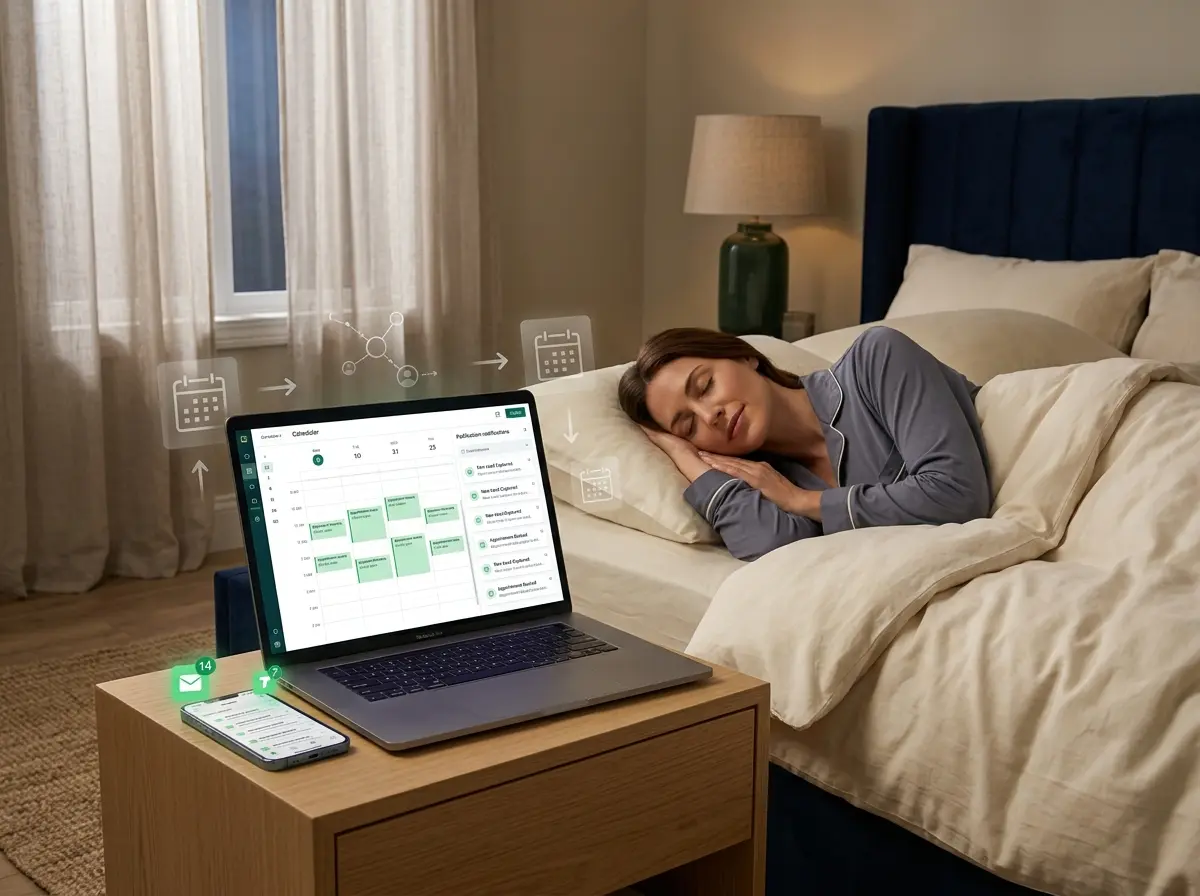
Stella, an AI robot employee and phone receptionist, is built for exactly this kind of consistent, knowledgeable front-line interaction. When a member calls to cancel, Stella answers — 24/7, with full knowledge of your membership tiers, current promotions, pause policies, and retention offers. She doesn't have an off day. She doesn't forget to mention the three-month freeze option. And she doesn't accidentally make a member feel pressured because she's exhausted and has a line of people waiting to check in.
For gyms with a physical location, Stella's in-store kiosk presence means that members who walk up to the desk to cancel get the same consistent, empathetic experience. She can also collect member information through conversational intake forms and log everything into her built-in CRM — so your team has full context on every cancellation request, including what was offered, what was declined, and what follow-up might be worthwhile. That's the kind of data that turns a gut-feel retention strategy into an actual one.
Building a Cancellation Process That Actually Works
Step One: Design the Conversation Before It Happens
Step Two: Train on Retention, Not Just Operations
Most gym staff are trained extensively on how to process a cancellation. Very few are trained on why to slow it down. Build retention conversations into your onboarding process for new staff. Role-play common cancellation scenarios. Make sure everyone who handles member interactions — including whoever answers the phone — knows your current pause policy, your downgrade options, and any active promotions that might be relevant to a wavering member.
Step Three: Follow Up After the Cancellation
Former members are dramatically cheaper to re-acquire than brand new ones. They already know your facility, trust your brand, and don't need to be convinced that exercise is a good idea. They just need the right nudge at the right moment. If your cancellation process captures even basic information about why someone left, you can make those re-engagement messages significantly more targeted and effective.
A Quick Reminder About Stella
Stella is an AI robot employee and phone receptionist that works in your gym, at your front desk, and on your phone lines — 24/7, at $99/month with no upfront hardware costs. She greets members, answers questions, promotes your current offers, and handles calls with the same consistent professionalism every single time. She's basically the front desk staff member who never calls in sick and always remembers to mention the membership freeze.
Start Treating Cancellations Like the Opportunities They Are
- Audit your current cancellation process. Call your own gym and try to cancel. You might be horrified. That's useful information.
- Design a cancellation conversation framework that includes empathy, curiosity, and a tiered set of retention offers.
- Implement a membership pause option if you don't have one. Do this this week.
- Train your team on retention conversations, not just administrative processing.
- Set up a post-cancellation follow-up sequence to re-engage former members at 30, 60, and 90 days.
- Evaluate whether your phone and front desk coverage is consistent enough to deliver a great cancellation experience at 7am on a Tuesday and at 8pm on a Saturday. If it isn't, that's a systems problem worth solving.