Why Stroke Recovery Is One of the Smartest Specialties You Can Add to Your PT Practice
Let's be honest — running a physical therapy practice is already a full-time job (and then some). You're managing clinicians, handling insurance headaches, chasing down referrals, and somehow still trying to grow your business. So the idea of building an entirely new specialty program might sound about as appealing as a surprise EMG test. But here's the thing: stroke recovery is one of the most underserved, high-demand areas in outpatient physical therapy, and practices that build a dedicated program around it consistently report stronger patient retention, deeper community partnerships, and a more resilient revenue stream.
According to the CDC, nearly 800,000 Americans experience a stroke each year, and the majority of survivors require some form of rehabilitation. Yet many communities — especially outside major metro areas — have no dedicated outpatient stroke rehab program to send those patients to after inpatient discharge. That gap is your opportunity. This guide walks you through exactly how to build a stroke recovery specialty that stands out, serves patients deeply, and makes sound business sense.
Building the Clinical Foundation of Your Program
Before you hang a banner and start marketing, you need the clinical infrastructure to back up your specialty claims. Patients and referring physicians can tell the difference between a practice that has genuinely invested in stroke rehab and one that just added "stroke recovery" to a brochure. Building real credibility starts with your team and your tools.
Train and Certify Your Staff
Your clinical team is the heart of the program. Consider investing in certifications like the Neurodevelopmental Treatment (NDT) Certification or the American Physical Therapy Association's neurologic specialty credential (NCS). These credentials signal to referral sources — neurologists, hospitalists, inpatient rehab units — that your team isn't just dabbling in neuro rehab. You're serious about it.
Even if not every therapist pursues full board certification, prioritize continuing education in areas like constraint-induced movement therapy (CIMT), task-specific training, balance and fall prevention, and spasticity management. A well-trained staff doesn't just improve outcomes — it gives your marketing something genuine to say.
Define Your Program's Clinical Protocols
Stroke recovery is not a one-size-fits-all journey, which means your program needs structured, evidence-based protocols that can still flex around individual patients. Develop intake assessment templates that capture functional deficits across mobility, ADLs, cognition, and communication (yes, even if you're PT-only, understanding the full picture helps). Establish clear goal-setting frameworks tied to measurable milestones, and document outcome measures consistently — tools like the Fugl-Meyer, Berg Balance Scale, and 10-Meter Walk Test are standard benchmarks that referring physicians recognize and respect.
Having defined protocols also makes onboarding new clinicians faster and ensures your program maintains quality as it scales. Think of it as your program's clinical brand identity.
Equip Your Space Strategically
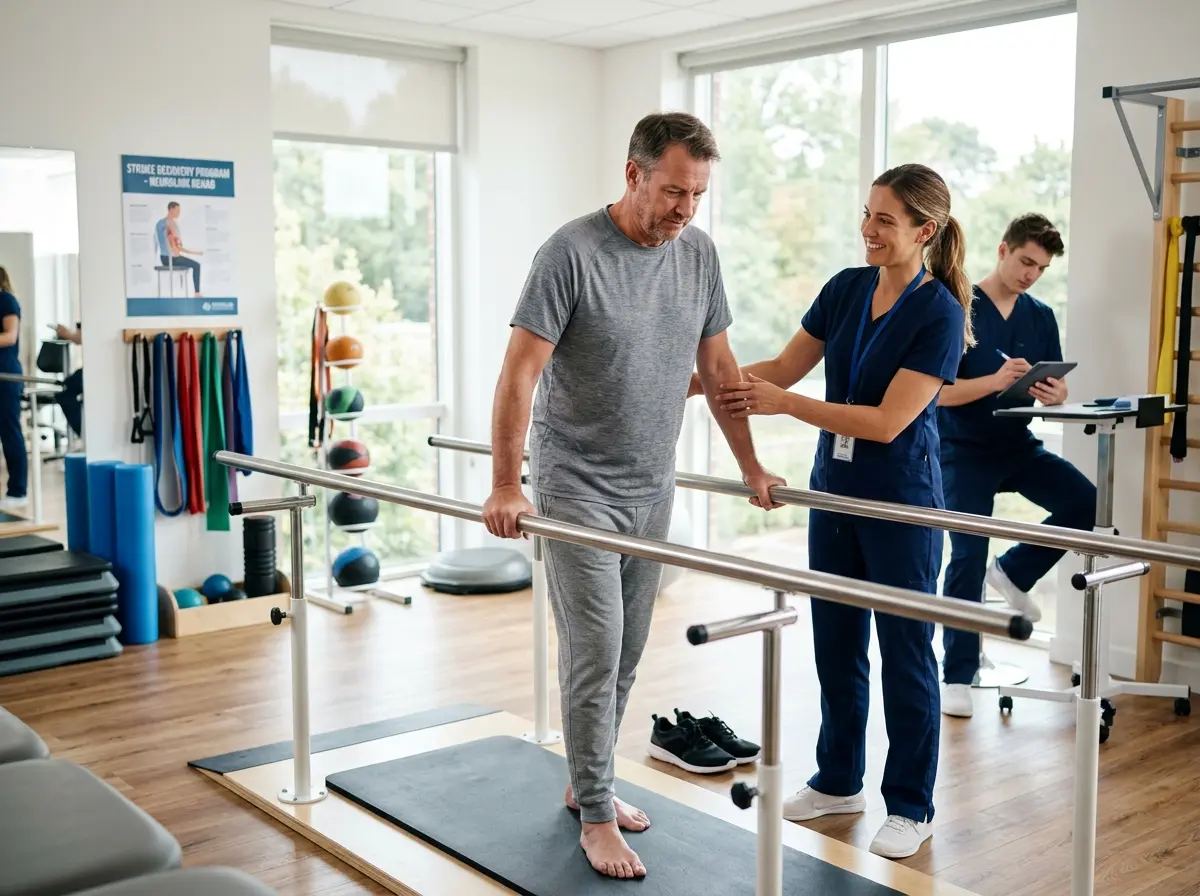
You don't need to gut your clinic, but a few strategic investments go a long way. Parallel bars, body-weight support systems, functional electrical stimulation (FES) devices, and upper extremity robotics (like the Saebo line of products) can significantly expand what you're able to offer. Even simple additions — a dedicated functional mobility course, ADL simulation areas, mirror therapy setups — communicate to patients that this space was built with them in mind. And when a neurologist walks through for a tour (yes, invite them for tours), they'll notice.
Streamlining Operations So Your Team Can Focus on Patients
Here's the part nobody in PT school warned you about: the administrative burden of running a specialty program can quietly eat your clinical team alive if you let it. New patient inquiries, follow-up calls, intake paperwork, appointment reminders — it adds up fast. And when your front desk is overwhelmed, patient experience suffers before therapy even begins.
Automate Your Patient Intake and Communication
Stroke patients and their caregivers are often dealing with enormous stress, urgency, and confusion about next steps. The last thing they should encounter is a phone that rings unanswered or a voicemail box that never gets checked until Tuesday afternoon. This is exactly where Stella, the AI robot employee and phone receptionist, can make a meaningful difference. Stella answers calls 24/7, collects intake information through conversational AI-powered forms, and ensures that no inquiry from a newly discharged stroke patient or worried family member falls through the cracks. She can handle after-hours calls, gather key details, and push instant notifications to your team — so you wake up to a full summary of who called and why, instead of a mystery voicemail.
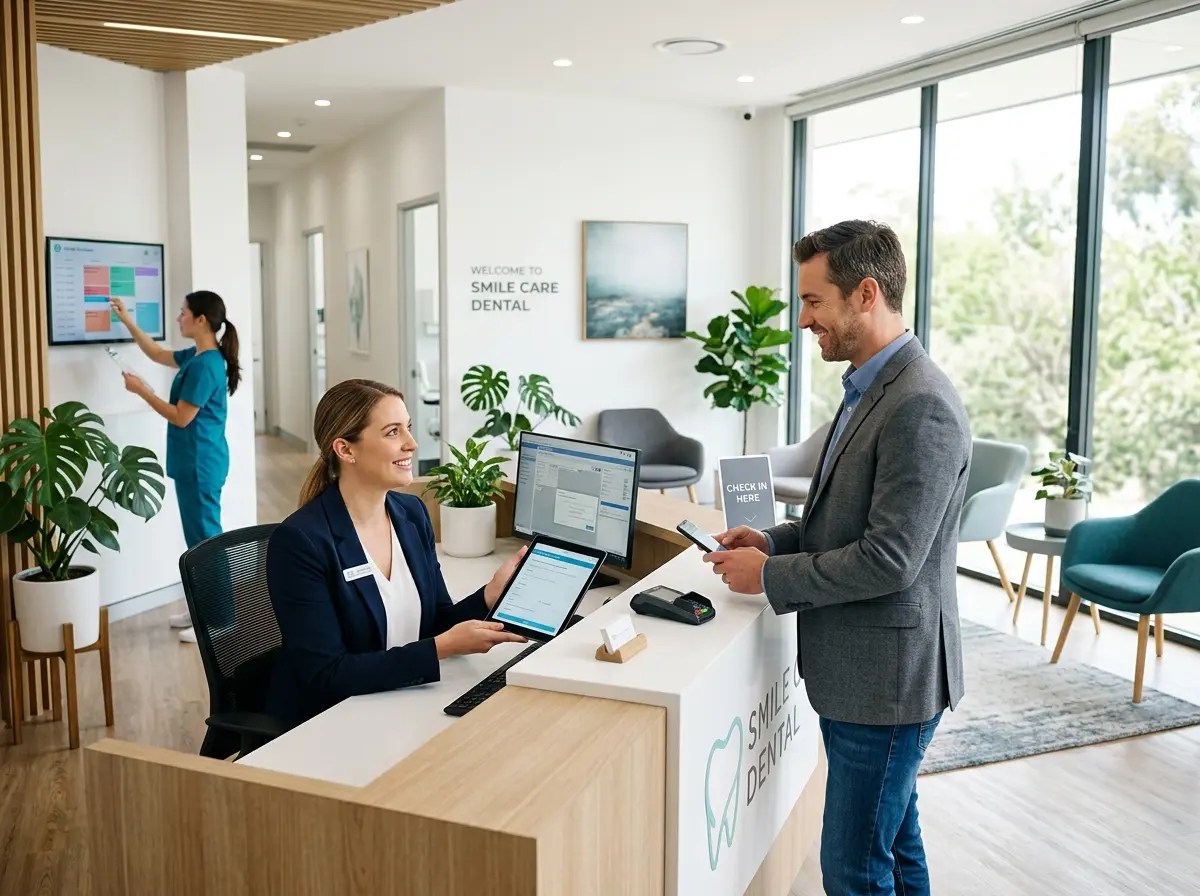
For practices with a physical location, Stella also operates as an in-clinic kiosk — greeting patients and caregivers who walk in, answering questions about your stroke program, and guiding them through next steps. It's a professional, consistent presence that doesn't call in sick or forget to mention your current program offerings.
Building Your Referral Network and Community Presence
A stroke recovery program that nobody knows about is just a really well-organized room. Growing your referral pipeline and establishing community visibility is what transforms clinical excellence into a sustainable business. This part requires persistence, relationships, and yes — a little bit of strategic shamelessness.
Cultivate Physician and Hospital Relationships
Your most valuable referral sources are the people who see stroke patients first: neurologists, hospitalists, inpatient rehab teams, home health agencies, and primary care physicians managing post-stroke patients long-term. Don't wait for them to find you. Reach out proactively, request brief lunch meetings or tour opportunities, and come prepared with outcome data from your program. Physicians respond to evidence. If you can show them that your patients are achieving measurable functional gains — documented with the same outcome tools they recognize — you become a trusted extension of the care continuum rather than just another PT clinic down the street.
Consider designating a clinical liaison or a lead therapist as the relationship owner for each key referral partner. Consistency matters. When the same knowledgeable person follows up reliably, you build trust faster than any brochure ever could.
Engage the Stroke Survivor Community Directly
Stroke survivors and their caregivers are active communities — online and in person. Local stroke support groups, hospital-sponsored survivor events, and organizations like the American Stroke Association host educational programs that are actively looking for clinical partners. Offer to speak, run a free balance screening day, or host a caregiver education workshop at your clinic. These touchpoints build goodwill and brand recognition among exactly the people you serve.
Don't underestimate social proof either. Patient success stories (with proper consent) shared through your website, email newsletter, or social media do more for your credibility than almost any paid advertising. A sixty-year-old stroke survivor walking independently again after six months in your program is the most powerful marketing asset you have.
Track, Measure, and Improve Continuously
The best stroke recovery programs treat outcomes data as a business asset, not just a clinical formality. Aggregate your functional outcome scores quarterly, track referral sources, measure time-from-referral-to-evaluation, and monitor retention through the full episode of care. This data tells you what's working, where patients are dropping off, and which referral partners are sending the most appropriate cases. It also gives you compelling numbers to share with physicians, insurance panels, and — eventually — grant opportunities or hospital partnerships.
Quick Reminder About Stella
Stella is an AI robot employee and phone receptionist that works in your clinic as a friendly kiosk and answers your phones 24/7 with consistent, professional knowledge about your practice. For just $99/month with no upfront hardware costs, she handles patient inquiries, collects intake information, promotes your specialty programs, and ensures no call goes unanswered — even at midnight when a caregiver is desperately Googling stroke rehab options and decides to call. She's always ready, always on, and never asks for a day off.
Your Next Steps: Turning This Plan Into a Program
Building a stroke recovery specialty program is not a weekend project — but it's also not as overwhelming as it might seem when you break it into stages. Start with your clinical foundation: assess your team's current neuro competency, identify one or two certifications worth pursuing in the next twelve months, and draft a basic stroke-specific intake and outcome protocol. Even a rough version is better than none.
Next, take an honest look at your operational gaps. Are patient calls being answered promptly? Is your intake process smooth enough that a stressed caregiver won't abandon it halfway through? Fix the friction points before you ramp up marketing — because a referral source that sends you a patient who has a poor first experience is a referral source you may not keep.
Then get visible. Reach out to one neurologist this week. Sign up to present at one community event this quarter. Share one patient success story (with consent) on your website. Small, consistent actions compound over time into a recognizable, trusted specialty brand.
The stroke survivor population is large, underserved, and deeply motivated. They want to get better, and their families are often highly engaged in supporting their recovery journey. A practice that meets them with clinical expertise, a streamlined experience, and genuine compassion will earn not just patients — but advocates. And in a specialty business, there's no better growth engine than that.