Introduction: The Endless Game of "I'll Call You Back"
You're a personal chef. You create exquisite, custom dining experiences. You source the finest ingredients, craft menus with the precision of an artist, and transform someone's dinner party into an unforgettable event. What you did not sign up for was spending three hours on a Tuesday playing phone tag with a prospective client who, by the time you finally connect, has already hired someone else.
Sound familiar? You're not alone. According to research from the Harvard Business Review, businesses that respond to leads within an hour are seven times more likely to qualify that lead than those who wait even 60 minutes longer. For personal chefs — most of whom are solopreneurs with their hands literally full — that kind of responsiveness can feel impossible. You're prepping a five-course dinner for twelve people. You cannot answer the phone right now.
The good news is that booking clients consistently doesn't require you to be glued to your phone or hire a full-time assistant. It requires a smarter system — one that handles the back-and-forth so you can focus on doing what you actually love. Let's break down exactly how personal chefs can streamline client booking, eliminate the chaos, and actually grow their business without losing their minds in the process.
Building a Booking System That Works While You Cook
Start With a Clear, Frictionless Intake Process
The first reason phone tag happens at all is that most personal chefs don't have a structured intake process. A prospective client calls, leaves a voicemail, you call back, they don't answer, and round and round it goes. The fix is to stop relying on back-and-forth calls as your primary method of gathering initial information.
Create a simple intake form — either on your website or sent via a booking link — that captures the essentials before a real conversation even needs to happen. Ask for the event date, number of guests, dietary restrictions, cuisine preferences, budget range, and preferred contact method. When a client fills this out, you already know whether they're a good fit before you pick up the phone. This single change can cut your pre-booking communication time in half.
Set Office Hours for Client Communication (Yes, Really)
Personal chefs are notorious for being "always available" — answering texts at 10pm, returning calls between grocery runs, and squeezing consultations into every available gap. This approach feels dedicated, but it actually creates inconsistency and burnout. Clients don't need you available 24/7. They need you to be reliably responsive during defined hours.
Block out two specific windows each day — say, 9–10am and 4–5pm — exclusively for client communication. Let your voicemail greeting and email auto-responder explain this clearly. Prospective clients will respect the professionalism, and you'll stop feeling like your phone is running your life.
Use Contracts and Deposits to Filter Serious Inquiries
Not every inquiry deserves the same level of your time. One of the most effective ways to reduce the volume of unproductive back-and-forth is to make your booking process slightly more formal from the start. Require a signed contract and a deposit to secure a date. This doesn't scare off serious clients — it actually reassures them that they're working with a professional. What it does do is filter out the tire-kickers who were never going to commit anyway, saving you hours of follow-up on leads that were never going anywhere.
How Technology Can Handle the Scheduling Chaos for You
Let an AI Receptionist Capture Leads Around the Clock
Here's the uncomfortable truth: most personal chefs miss inquiries simply because they're unavailable when the client calls. A potential client who reaches voicemail at 7pm often just moves on to the next name on their list. That's revenue walking right out the door.
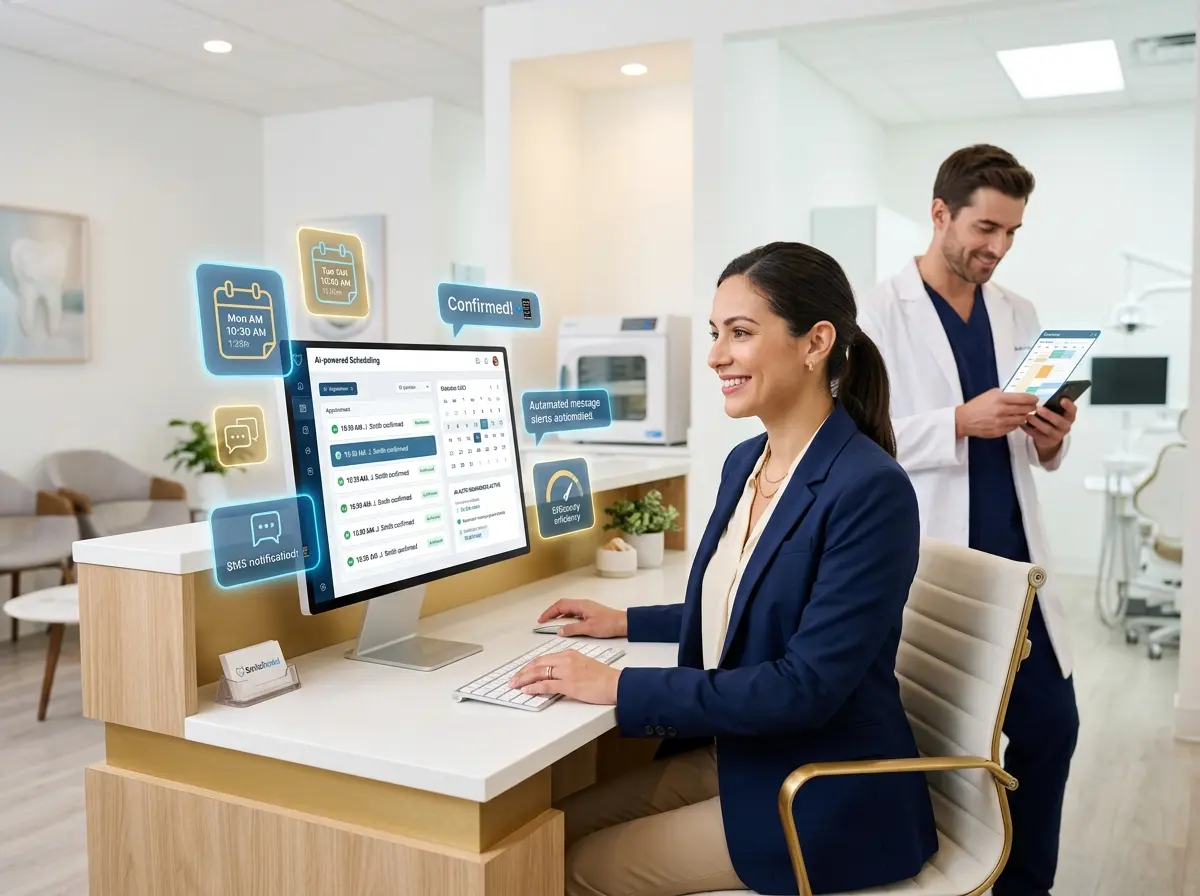
This is exactly the kind of problem that Stella, an AI robot employee and phone receptionist, is built to solve. Stella answers every phone call, 24/7, with the same knowledge of your services, pricing, availability, and policies that you'd share yourself. She can walk a prospective client through your offerings, collect their event details through a conversational intake form, and ensure that by the time you follow up, you already have everything you need to have a productive conversation. No more playing catch-up. No more missed leads during a dinner service.
Stella also includes a built-in CRM that automatically organizes client information, generates AI-powered contact profiles, and lets you add custom fields and tags — so your client records are clean and useful rather than a pile of scattered sticky notes and voicemails. At just $99/month with no upfront hardware costs, it's the kind of tool that pays for itself the moment it captures a single booking you would have otherwise missed.
Following Up Like a Pro Without Being Annoying
Create a Simple Follow-Up Sequence
Most personal chefs either follow up too aggressively or not at all. The sweet spot is a simple, pre-planned sequence that feels attentive without being desperate. After an initial inquiry, send a response within 24 hours — ideally much sooner. If you don't hear back, follow up once more at the 48-hour mark with a brief, friendly nudge. If there's still no response after one more attempt at day five, send a final message that politely closes the loop and leaves the door open for the future.
That's it. Three touchpoints, spaced thoughtfully, and then you move on. This approach respects the client's time, protects your energy, and ensures you're not spending weeks chasing someone who isn't ready to book. Templates are your best friend here — write them once, personalize slightly for each client, and you'll never stare at a blank compose window again.
Make It Easy to Say Yes
A surprising number of bookings fall through not because the client isn't interested, but because the path to commitment is too complicated. If your booking process requires a phone call, then an emailed contract, then a manual bank transfer for the deposit, you're creating friction at every step. Simplify it. Use a platform like HoneyBook, Dubsado, or even a basic Square invoice that lets clients review, sign, and pay in one place. The fewer steps between "I'm interested" and "I'm booked," the higher your conversion rate will be — full stop.
Ask for Referrals at the Right Moment
Word of mouth is the lifeblood of most personal chef businesses, yet very few chefs have a systematic way of generating referrals. The best time to ask is immediately after a successful event, when the client is still riding the high of a phenomenal experience. A simple message — "I'm so glad you loved the evening! If you know anyone who might be looking for a personal chef, I'd be grateful for an introduction" — works remarkably well. You can also offer a small referral incentive, like a discount on a future booking, to make it even more appealing. Done consistently, this one habit can eliminate the need for most cold outreach entirely.
Quick Reminder About Stella
Stella is an AI robot employee and phone receptionist designed to help business owners — including personal chefs and other solopreneurs — never miss a lead, capture client details automatically, and maintain a professional presence even when they're elbow-deep in a truffle risotto. She answers calls 24/7, collects intake information conversationally, and keeps your client data organized through a built-in CRM. At $99/month with no complicated setup, she's the assistant you've always needed but never had the budget for.
Conclusion: Stop Chasing Clients and Start Booking Them
The personal chef business is built on trust, creativity, and exceptional experiences — none of which happen when you're stressed out about missed calls and unanswered emails. The chefs who build thriving, fully-booked businesses aren't necessarily the most talented ones in the kitchen. They're the ones who have built systems that make it easy for the right clients to find them, trust them, and commit quickly.
Here's your action plan, distilled into five concrete next steps:
- Build an intake form and add it to your website or include the link in your voicemail greeting so clients can share details before you even speak.
- Define your communication hours and update your voicemail and email auto-responder to reflect them.
- Require a contract and deposit to formalize your booking process and filter serious inquiries from casual ones.
- Simplify your payment and signing process using an all-in-one platform so clients can say yes with minimal friction.
- Set up an AI phone receptionist so that every inquiry — no matter what time it comes in — gets a prompt, professional response and doesn't disappear into the void.
You became a personal chef to create memorable meals, not to manage a communication obstacle course. With the right systems in place, you can spend far less time chasing bookings and far more time doing the work that actually brings you joy. And honestly? Your clients will have a better experience because of it.