The Secret Weapon That Turns Customers Into Raving Fans
Let's be honest — most retail businesses spend enormous energy chasing new customers while quietly neglecting the ones they already have. It's a little like filling a bucket with a hole in it and wondering why you're always thirsty. The good news? There's a remarkably simple, cost-effective strategy that flips this script entirely: surprise and delight.
The idea is straightforward. Instead of waiting for customers to ask for something exceptional, you give it to them unprompted. A small, unexpected gesture — a handwritten thank-you note, a free sample, a birthday discount they didn't ask for — creates an emotional response that no loyalty points program can fully replicate. According to a study by Bain & Company, increasing customer retention rates by just 5% can increase profits by 25% to 95%. Yet most retailers are still out here handing out generic punch cards and calling it a "loyalty program."
This post is your practical guide to implementing a surprise and delight strategy that actually works — one that builds genuine emotional loyalty, drives word-of-mouth referrals, and keeps customers coming back long after that first purchase.
The Psychology Behind Why Small Gestures Work So Well
The Unexpected Reward Effect
Human brains are wired to respond powerfully to the unexpected. Neuroscientists have found that surprise triggers a dopamine release that is significantly stronger than the response to a predicted reward. In practical terms, this means a surprise 10% discount feels more valuable to a customer than a predictable 10% discount they could have anticipated. When you do something a customer didn't see coming — upgrade their order, toss in a free add-on, or simply remember their name — you create a moment that sticks. And moments that stick become stories that get told.
This is the emotional economy of retail: you're not just selling products, you're manufacturing memories. Businesses that understand this have a massive competitive advantage over those still fighting on price alone.
The Reciprocity Principle in Action
Robert Cialdini's famous research on influence identified reciprocity as one of the most powerful drivers of human behavior. When someone does something unexpectedly kind for us, we feel a genuine compulsion to return the favor. In a retail context, this translates beautifully: a customer who receives an unexpected gift or gesture is far more likely to make an additional purchase, leave a glowing review, or refer a friend. You're not manipulating anyone — you're simply activating a deeply human instinct for fairness and gratitude.
The best part? The gesture doesn't need to be expensive. A handwritten note costs almost nothing. A free sample of a new product you'd want them to try anyway costs a few cents. The emotional return on investment, however, can be enormous.
Turning Transactions Into Relationships
Retail has a transactional problem. Too many interactions feel like a vending machine experience: customer inserts money, customer receives product, customer leaves. Surprise and delight interrupts this cycle by inserting a human (or meaningfully personalized) moment into what might otherwise be a forgettable exchange. When customers feel genuinely seen and appreciated — not just processed — they develop an emotional connection to your brand that competitors simply cannot buy their way into.
How to Actually Implement a Surprise and Delight Strategy
Using Technology to Make It Personal at Scale
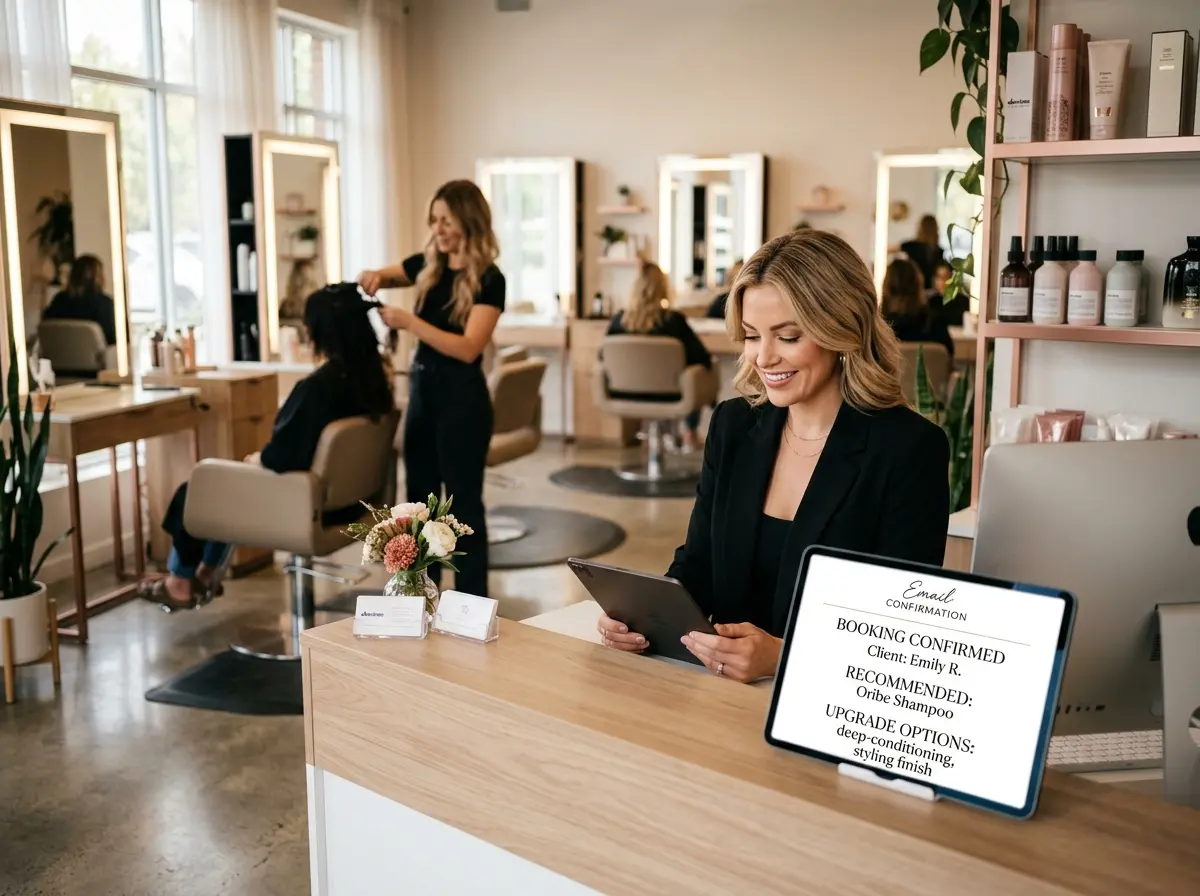
One of the biggest objections business owners raise is that personalization doesn't scale. And they're right — if you're doing it manually with sticky notes and a good memory. But modern tools change the equation entirely. Stella, the AI robot employee and phone receptionist, helps retail businesses collect and organize customer information through conversational intake forms and a built-in CRM with custom fields, tags, and AI-generated profiles. That means you can actually know things about your customers — their preferences, past purchases, birthdays, and more — and use that knowledge to surprise them at just the right moment.
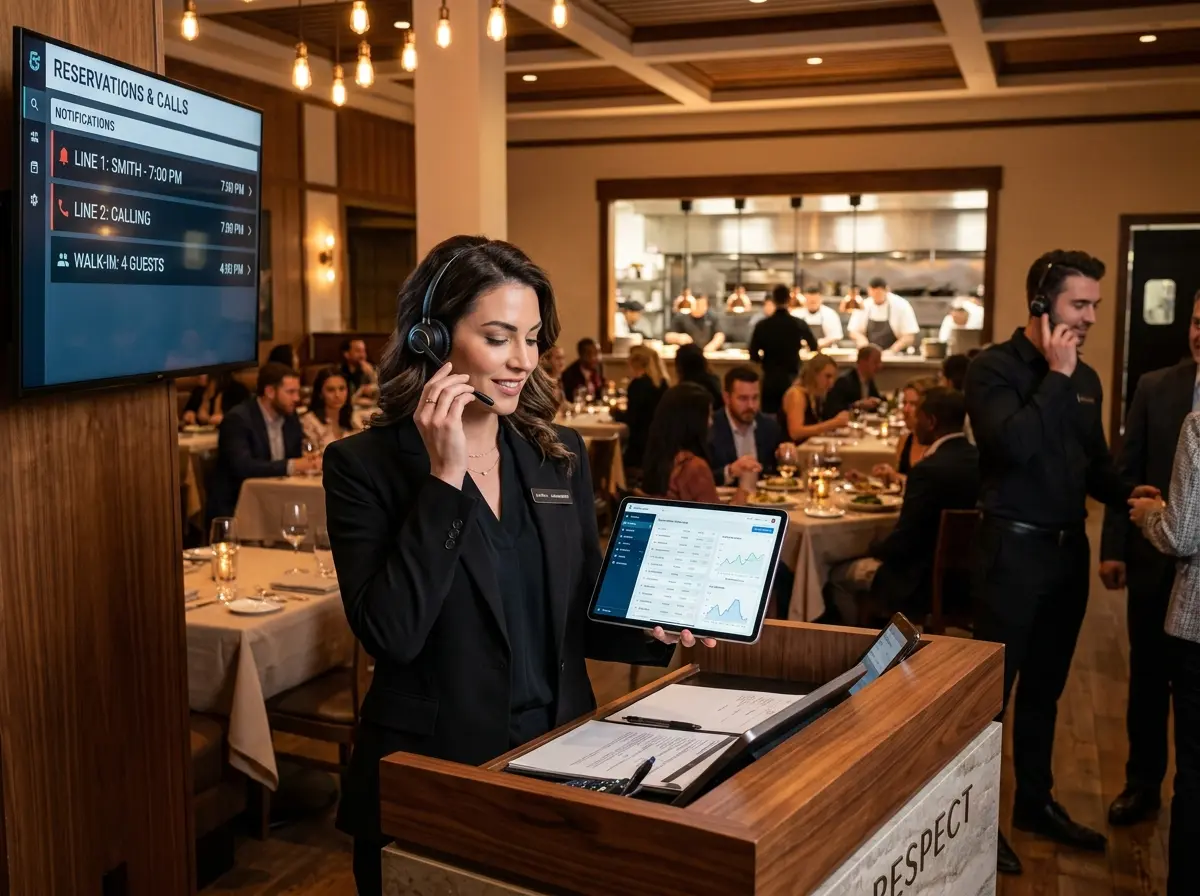
Imagine Stella greeting a returning customer at your store kiosk and proactively mentioning that the product they asked about last time is back in stock. Or answering a phone call and warmly recognizing a repeat caller by name. These aren't just nice touches — they're the kinds of moments customers screenshot and post about. Combined with your surprise and delight initiatives, technology like this turns occasional buyers into vocal advocates.
Practical Surprise and Delight Tactics for Retailers
Low-Cost, High-Impact Gesture Ideas
You don't need a massive budget to make customers feel special. Some of the most effective gestures are the simplest ones. Consider tucking a handwritten thank-you card into every online order — something so rare in the era of Amazon boxes that customers genuinely mention it in reviews. Offer a complimentary sample of a new product when someone makes a purchase over a certain threshold. Upgrade a loyal customer's order "just because" on occasion. Remember a regular customer's usual order and have it ready. These small moments cost very little but communicate something priceless: you matter to us as a person, not just as a transaction.
Other ideas worth testing include:
- Birthday surprises: A small discount or free gift sent around a customer's birthday creates a deeply personal touch.
- Milestone rewards: Celebrate a customer's one-year anniversary with your brand or their 10th purchase with a surprise thank-you.
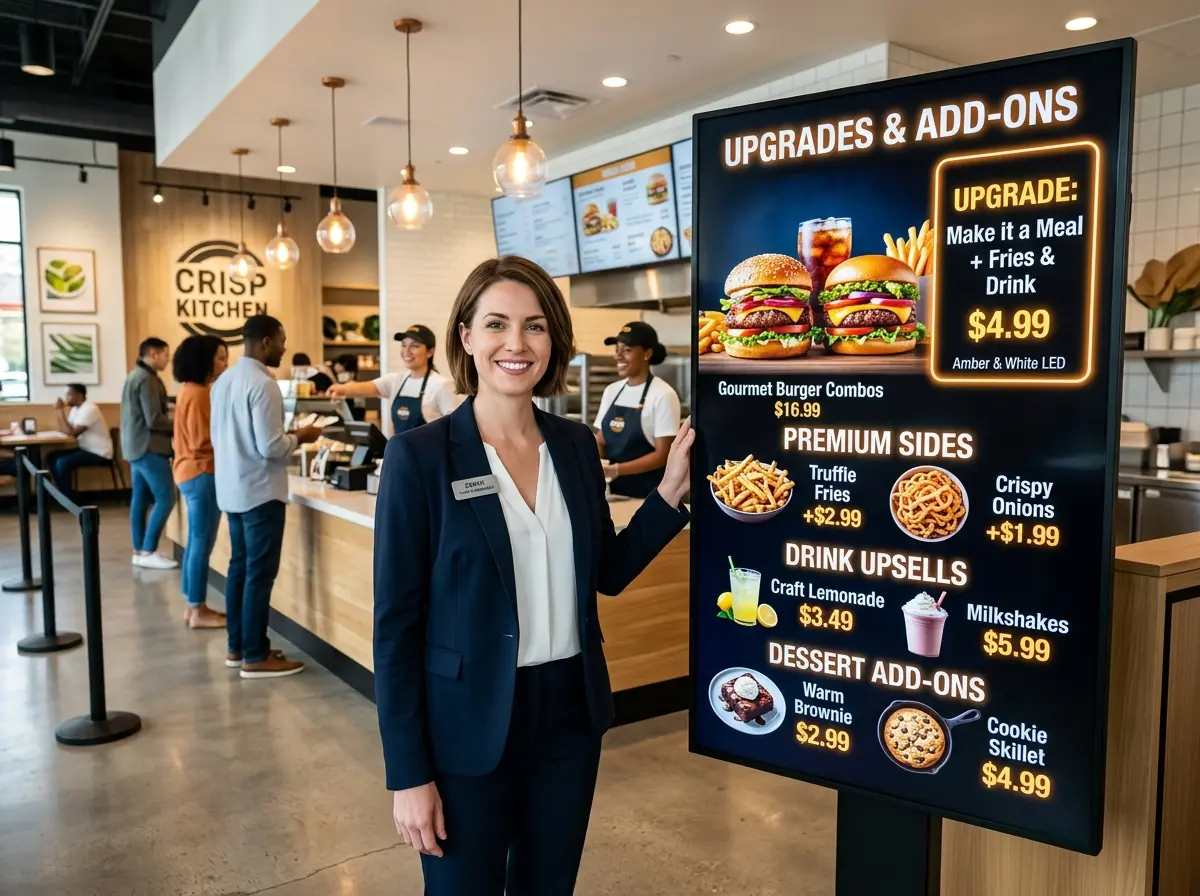
- Unexpected upgrades: Occasionally bump a customer to a premium option at no charge — and tell them why.
- Early access: Invite loyal customers to preview new products or sales before the general public.
Creating a Culture of Delight Among Your Staff
Strategy is only as good as its execution, and execution lives with your team. For surprise and delight to work consistently, it needs to be embedded in your store culture — not treated as an occasional management initiative. Empower your employees to make small, spontaneous decisions without needing manager approval every time. Give each team member a small weekly "delight budget" — even just $5 to $10 — and the authority to use it however they see fit to make a customer's day. You'll be amazed at the creativity that emerges when people feel trusted to care.
Regular team check-ins where staff share "delight wins" from the week reinforce the behavior and keep everyone motivated. When your team genuinely enjoys surprising customers, that energy is contagious — customers feel it, and they come back for it.
Measuring the Impact Without Killing the Magic
Here's a tension worth acknowledging: surprise and delight works precisely because it feels genuine, not calculated. But you're also running a business, which means you need to know if it's working. The solution is to track outcomes without engineering every gesture within an inch of its life. Monitor customer return rates, average transaction values, referral sources, and online review sentiment over time. Survey customers informally about their experience. Track which delight tactics generate the most social media mentions or referrals.
What you're looking for is a directional signal — are customers coming back more? Are they spending more? Are they telling their friends? If the answer is yes, keep going. If a particular gesture is falling flat, swap it out for something that resonates better with your specific customer base. The goal is informed generosity, not robotic gift-giving on a spreadsheet.
Quick Reminder About Stella
Stella is an AI robot employee and phone receptionist designed to help businesses of all sizes deliver a consistently professional, engaging customer experience — whether she's greeting shoppers at a physical kiosk or answering phone calls 24/7. She promotes your deals, answers questions, collects customer information, and helps your human team focus on the high-value moments that matter most. At just $99/month with no upfront hardware costs, she's the rare business investment that pays for itself remarkably fast.
Start Small, Stay Consistent, and Watch Loyalty Compound
Surprise and delight isn't a campaign — it's a commitment. It doesn't require a massive budget, a rebrand, or a complete operational overhaul. It requires intention: a genuine decision to treat every customer interaction as an opportunity to leave someone feeling better than when they arrived. Start with one tactic this week. Maybe it's handwritten notes in your online orders. Maybe it's empowering your team to offer one spontaneous upgrade per shift. Maybe it's setting up a system to remember customer birthdays and send a small, personal gesture.
Here's your actionable roadmap to get started:
- Audit your current experience: Walk through your customer journey as if you were a first-time buyer. Where are the moments of delight — and where are the opportunities you're missing?
- Pick two or three tactics: Don't try to overhaul everything at once. Choose specific, executable gestures and implement them consistently.
- Empower your team: Brief your staff, give them a delight budget, and trust them to use it thoughtfully.
- Collect customer data intelligently: Use tools that help you personalize at scale — so your gestures feel genuinely personal, not generic.
- Track, learn, and iterate: Measure what matters, but don't over-engineer the magic.
The retailers who win long-term aren't always the ones with the lowest prices or the flashiest storefronts. They're the ones whose customers can't stop talking about them — because someone, at some unexpected moment, made them feel genuinely valued. That's a competitive advantage no algorithm can easily replicate. Go build it.